


 (+86)-137 5851 1881
(+86)-137 5851 1881
(+86)-137 5851 1881



Content
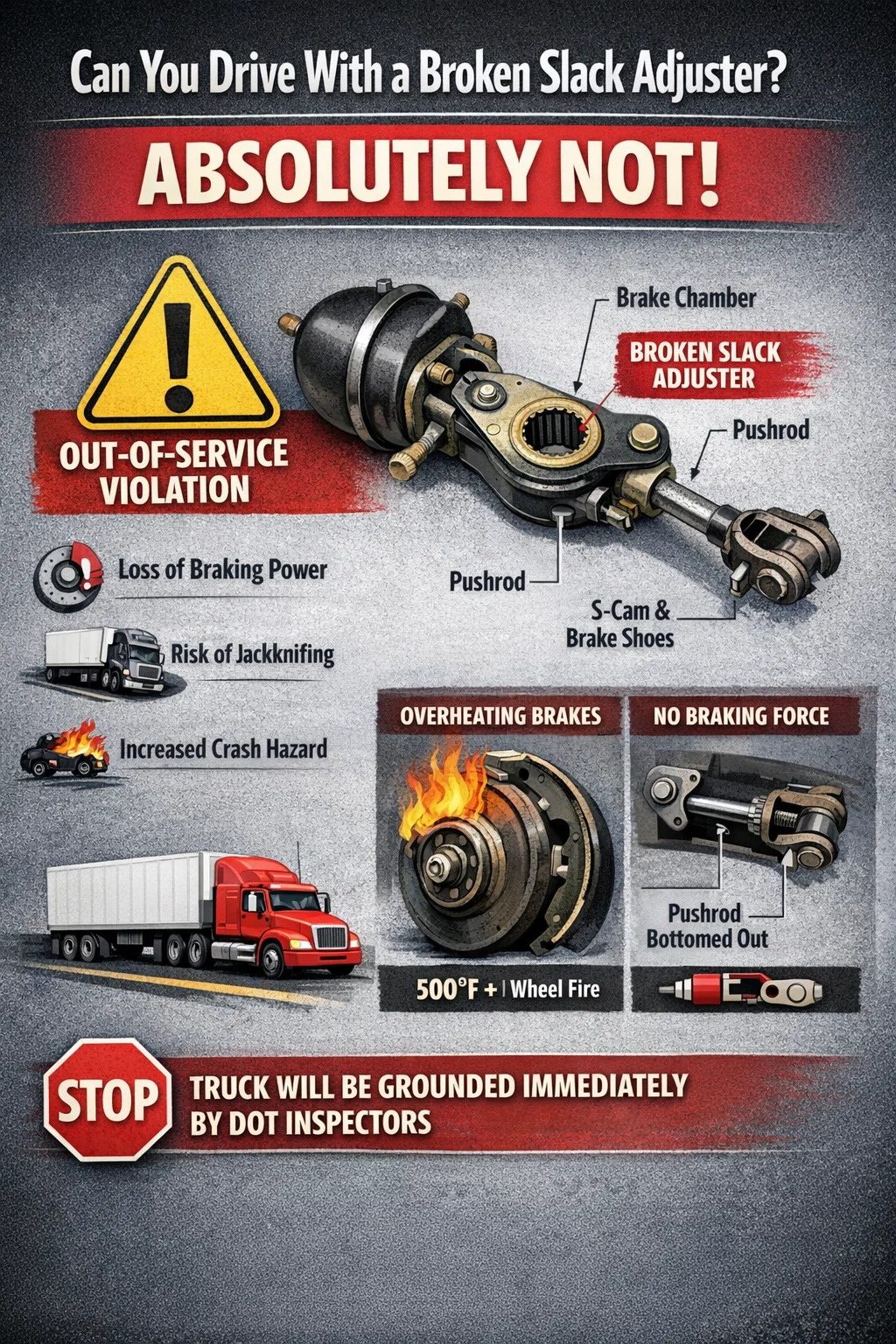
The short answer is absolutely not. You cannot legally or safely drive a commercial vehicle with a broken, malfunctioning, or improperly adjusted slack adjuster. In the eyes of the Department of Transportation (DOT) and safety inspectors, a broken slack adjuster is a "out-of-service" violation. If you are caught operating a vehicle with this defect, your truck will be grounded immediately at the inspection site.
Beyond the legal ramifications, driving with a faulty slack adjuster means that at least one of your wheels has compromised braking power or no braking power at all. In an emergency stop, this imbalance can lead to jackknifing, increased stopping distances, or a total loss of vehicle control.
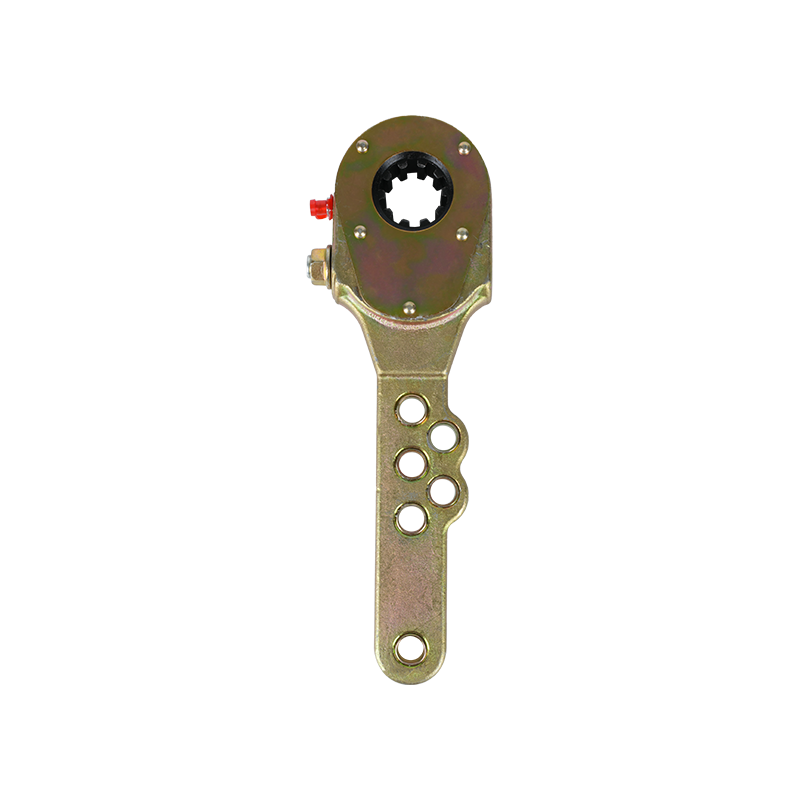
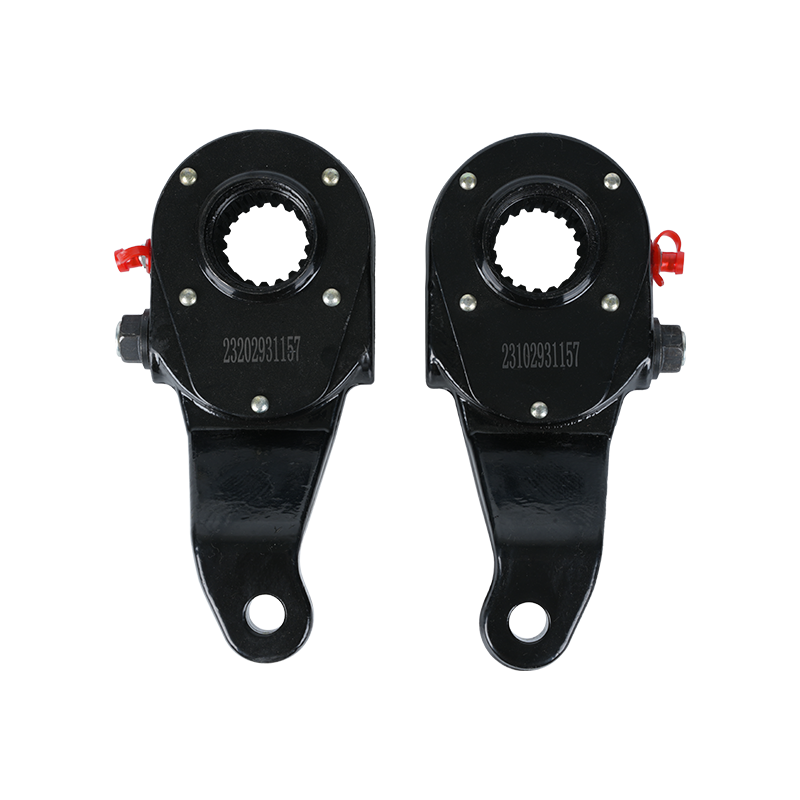
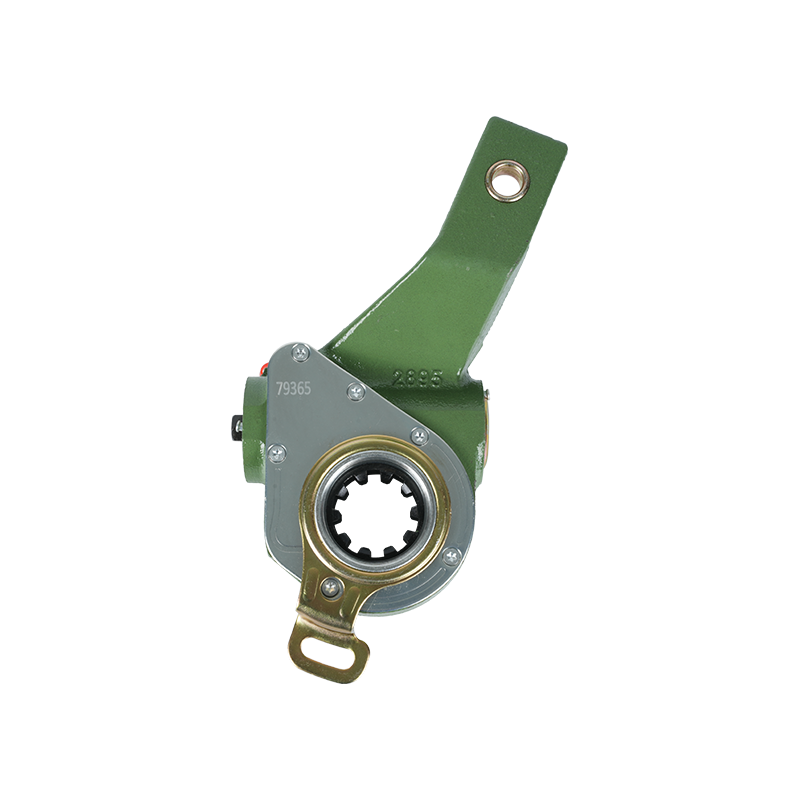
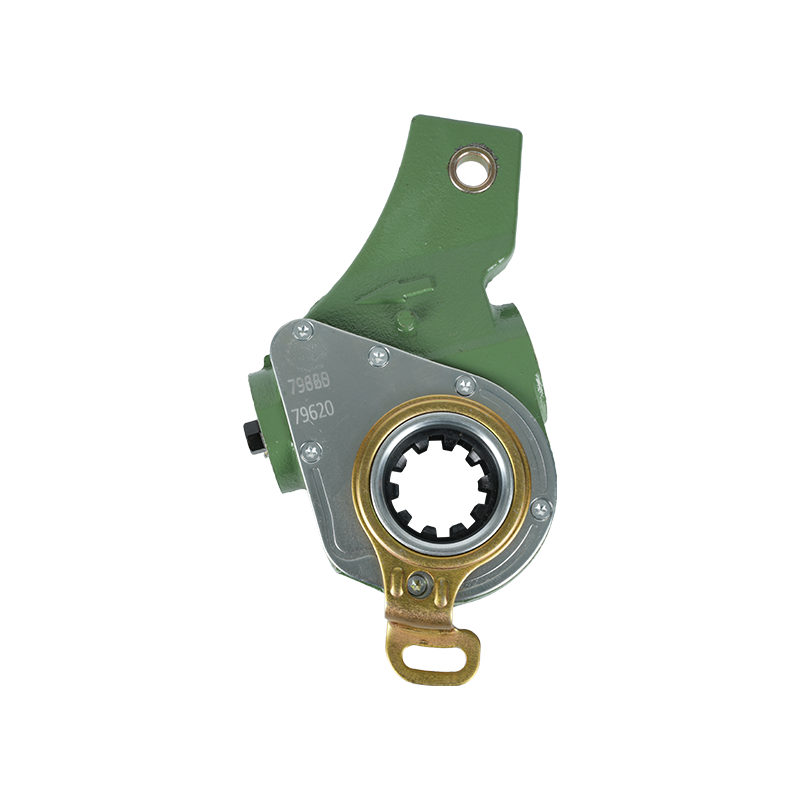
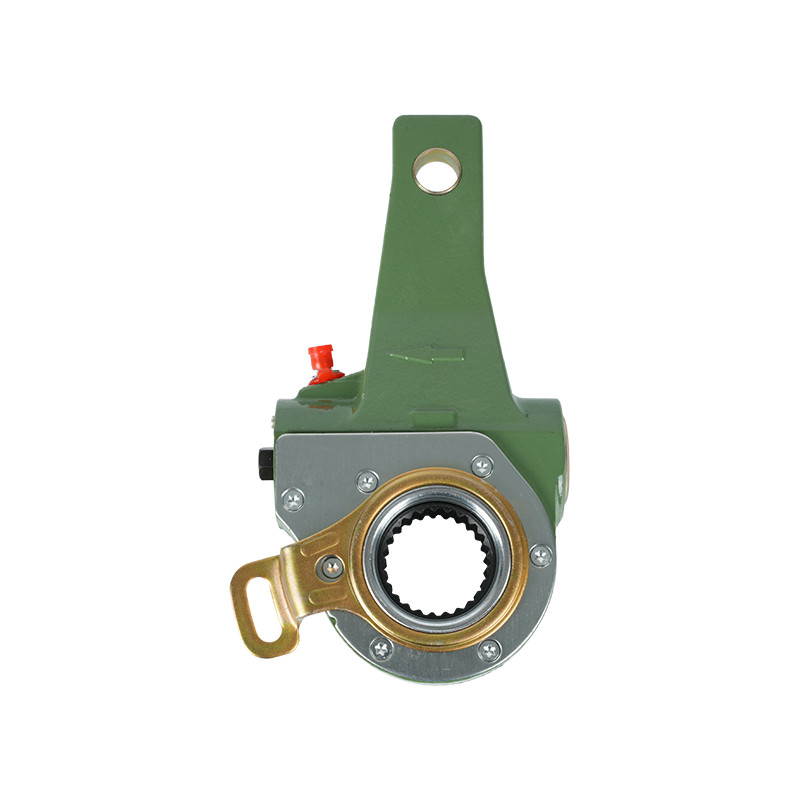
The slack adjuster is the critical link between the brake chamber's pushrod and the S-cam that forces the brake shoes against the drum. When this component fails, the mechanical harmony of the air brake system is destroyed.
If a slack adjuster fails in a way that keeps the brake shoes too close to the drum (over-adjustment), the brake will "drag." This constant friction generates immense heat, often exceeding 500 degrees Fahrenheit in a matter of miles. This heat can crystallize the brake linings, melt wheel seals, and even start a wheel fire.
Conversely, if the automatic slack adjuster fails to take up the "slack" as the linings wear down, the pushrod must travel further to apply the brakes. If the pushrod reaches the end of its housing (bottoming out) before the shoes hit the drum, you have zero braking force on that wheel. This is particularly catastrophic on long downgrades where the drum expands due to heat, further increasing the distance the shoes must travel.
During a Level I North American Standard Inspection, the slack adjuster and pushrod stroke are among the most scrutinized items. The regulations are black and white regarding brake adjustment limits.
| Chamber Type | Standard Max Stroke | "Out-of-Service" Limit |
|---|---|---|
| Type 20 | 1.75 inches | 1.75 inches or more |
| Type 30 (Standard) | 2.0 inches | 2.0 inches or more |
| Type 30 (Long Stroke) | 2.5 inches | 2.5 inches or more |
If an inspector finds that your automatic slack adjuster is not maintaining these tolerances, the following may occur:
A common mistake among inexperienced drivers is attempting to manually tighten a failing automatic slack adjuster to pass an inspection. This is dangerous for several reasons.
Automatic slack adjusters are designed to be "hand-off" components. If they stop adjusting, it is because an internal gear is stripped, the clutch is slipping, or the actuator rod is broken. Manually adjusting an ASA is a temporary fix that masks a mechanical failure. Within a few dozen brake applications, the slack will return, and you will once again be driving with unsafe brakes.
In fact, many manufacturers warn that manually adjusting an ASA can further damage the internal teeth, making a total failure even more likely during a hard braking event.
When you drive with one broken slack adjuster, you aren't just losing 10% or 20% of your braking power; you are creating a dangerous imbalance. In a panic stop, the wheels with functional slack adjusters will lock up or engage fully, while the wheel with the broken adjuster does nothing. This creates a pivot point for the trailer.
On slippery roads, this imbalance is the primary cause of tractor-trailer jackknifing. The physics of 80,000 lbs moving at 65 mph require every single brake to pull its weight. Relying on 9 out of 10 brakes is a recipe for a multi-vehicle collision.
If your pre-trip inspection reveals a problem, follow these constructive steps to stay safe and legal:


 English
 中文简体
中文简体 русский
 عربى
عربى