


 (+86)-137 5851 1881
(+86)-137 5851 1881
(+86)-137 5851 1881



Content
A service writer calls the shop with a familiar problem: a tractor with 18/24D disc chambers needs a replacement, but the local parts house only has 30/30 drum chambers in stock. The fittings look close, the mounting studs may even line up, and the truck is due out in the morning. The safe answer is still no. Changing a brake chamber is not a like-for-like swap based on shape alone. The replacement must match the original chamber's size, stroke type, port thread, pushrod length, and clevis position. If it does not, the brake may drag, leak air, fail to release, or produce uneven braking on the same axle.
Start with the vehicle build record and the chamber stamp, not with the parts shelf. Confirm the chamber type, service and parking chamber sizes, stroke designation, and air port size. Then measure the installed pushrod length and note the clevis orientation before anything is disconnected. This takes a few minutes and prevents the most expensive mistake in brake chamber replacement: installing a part that fits mechanically but changes brake timing and travel.
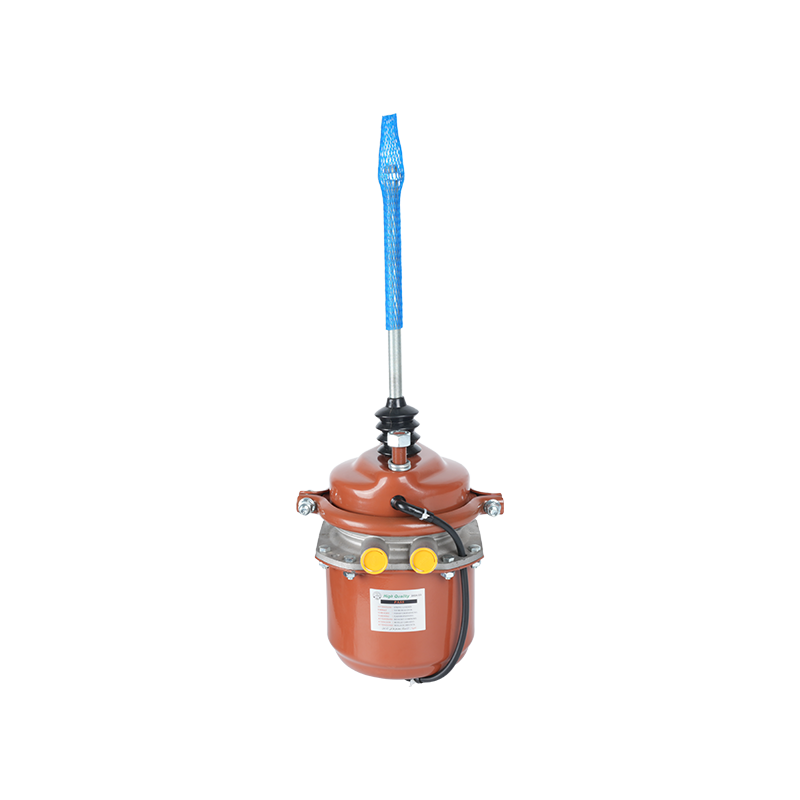
A spring brake chamber combines a service chamber and a parking or emergency spring chamber. The service side applies the brakes when air pressure enters. The spring side releases the parking brake when air pressure is applied and applies the parking brake when pressure is removed. On a Type 30/30 chamber, the two numbers describe the nominal effective areas of those two sections. On a single service chamber, one number is used.
The number stamped on the chamber is not a complete specification. Two chambers with the same nominal area can have different strokes, port threads, pushrod lengths, and mounting angles. Disc brake chambers and drum brake chambers also differ in stroke and travel requirements. Table 1 shows common checks, but the original vehicle specification always controls.
| Chamber item | What it means | Typical check | Risk if ignored |
|---|---|---|---|
| Size code | Nominal effective area | Match build record and axle | Wrong force balance |
| Stroke | Short or long travel design | Confirm OEM stroke type | Brake drag or excess travel |
| Port thread | Air inlet connection | Check fitting thread and seal | Air leak and lost pressure |
| Pushrod | Length and clevis position | Measure before removal | Incorrect slack adjustment |
Table 1. A brake chamber replacement is defined by the full assembly, not by the size code alone.
Before ordering, compare the new chamber to the old one on four points: mounting stud pattern, air port location and thread, pushrod length, and stroke type. A chamber can bolt to the bracket and still be wrong if the pushrod is 10 mm too long or the port points into the air line. On a drive axle, replacing only one chamber with a different stroke type can create uneven brake timing. Many fleets replace chambers in axle pairs for this reason, even when only one has failed.
A chamber that fits the bracket but misses the stroke or port spec is not a replacement. It is a comeback waiting for a road test.
Purchase risk rises when the part number is superseded or when the vehicle build record is incomplete. Ask for the full chamber specification, not just the common size name. Check whether the chamber is for a drum or disc brake, whether it is a service-only or spring brake chamber, and whether the clevis and pushrod are included. If the supplier cannot confirm those details from the VIN or axle tag, keep looking.
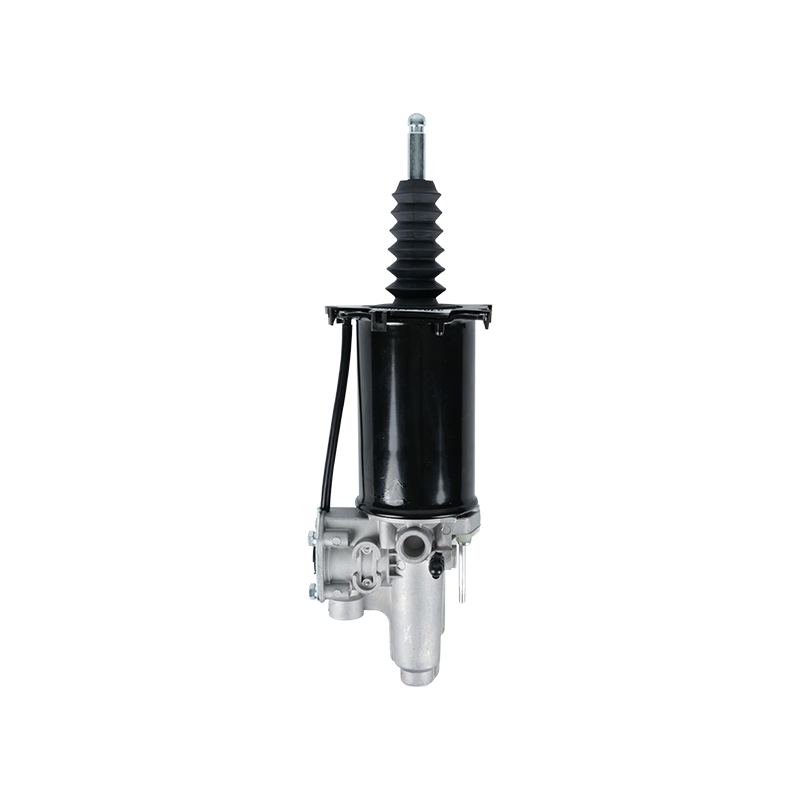
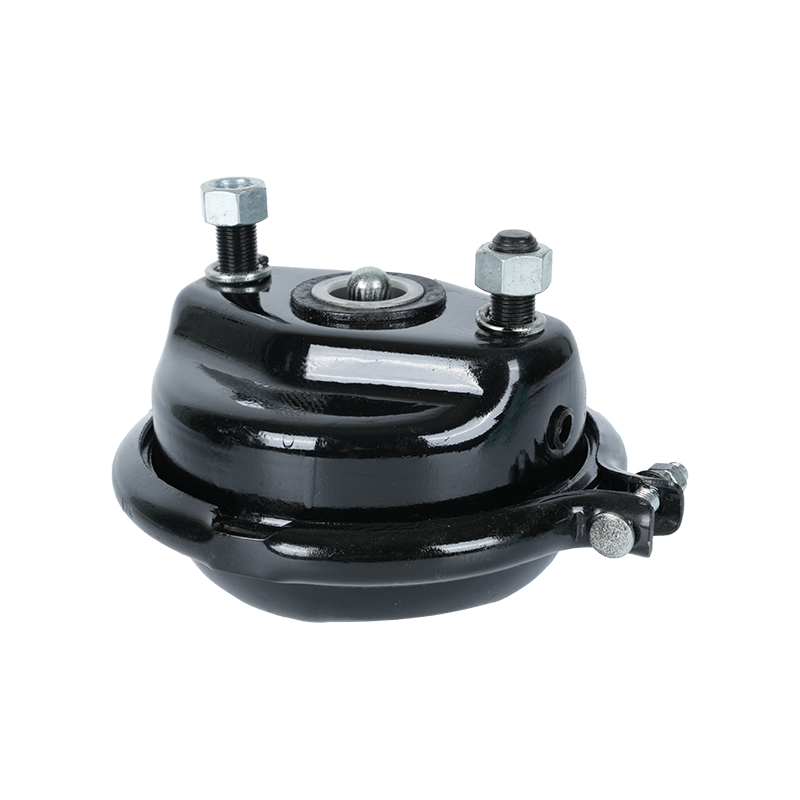 Brake Chamber ManufacturersHow Do You Adjust Automatic Slack Adjusters? A Practical Brake Safety Guide 28 Sep, 2026 Picture this: a technician at a trailer yard finds a long push-rod stroke, rea...View Product →
Most brake chamber comebacks trace back to a few repeated errors. The table below pairs each problem with a practical correction.
| Problem | Fix |
|---|---|
| Matching by size code only | Verify stroke, port, pushrod, and clevis against the build record. |
| Reusing a stretched air line | Replace the line if routing or length does not match the new port position. |
| Skipping slack adjuster reset | Adjust and measure pushrod travel after installation, then recheck. |
| Testing without leak check | Apply soap solution at the port and fittings; repair any leak before road test. |
Table 2. The most common failures are specification errors, not installation strength.
Keep the pushrod travel within the OEM range, not merely within a range that looks acceptable. A chamber that is slightly too short can leave the slack adjuster at the end of its adjustment range, while one that is too long can hold the brake partially applied. Use a torque wrench on mounting hardware and the clevis nut. Do not use an impact wrench to run the clevis nut against the diaphragm housing.
If the vehicle has automatic slack adjusters, confirm that the adjuster is not seized before blaming the new chamber. A good chamber cannot compensate for a worn clevis, a bent pushrod, or a restricted air line. After installation, cycle the parking brake several times and listen for a clean release. Any hiss, delay, or uneven return should be investigated before the truck leaves the bay.
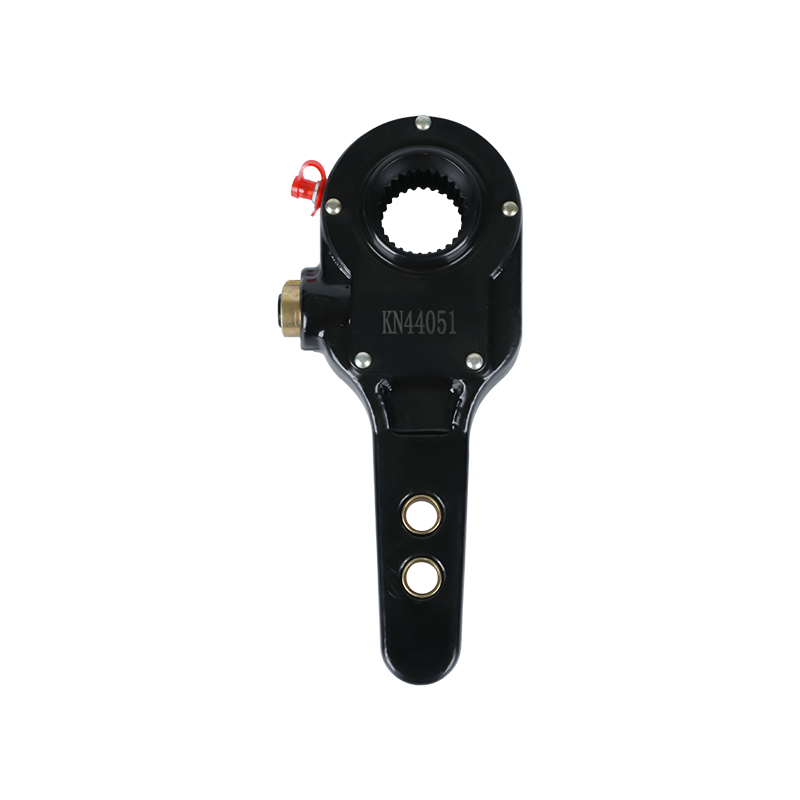
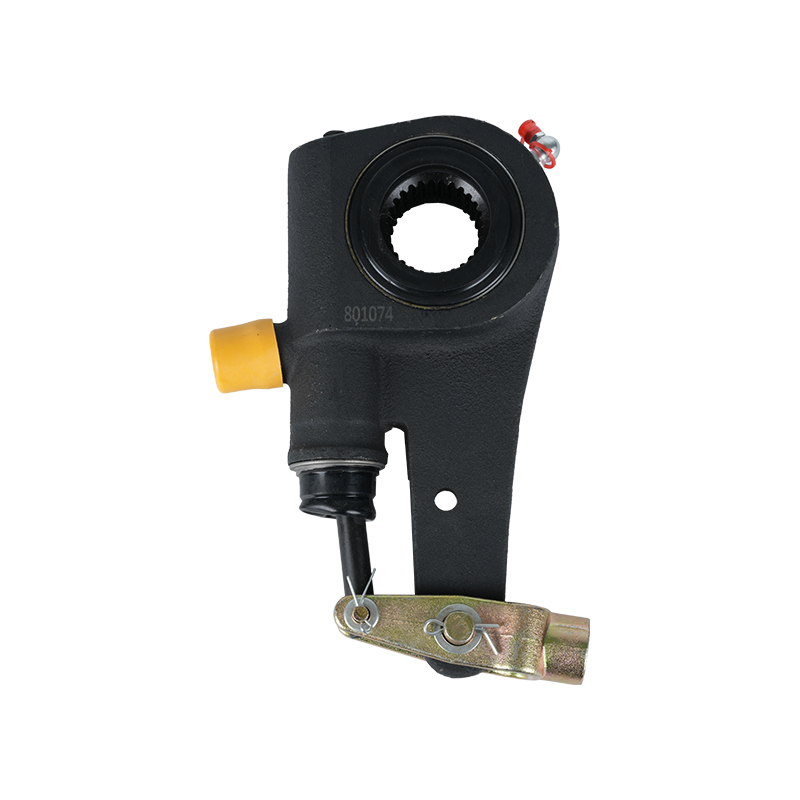
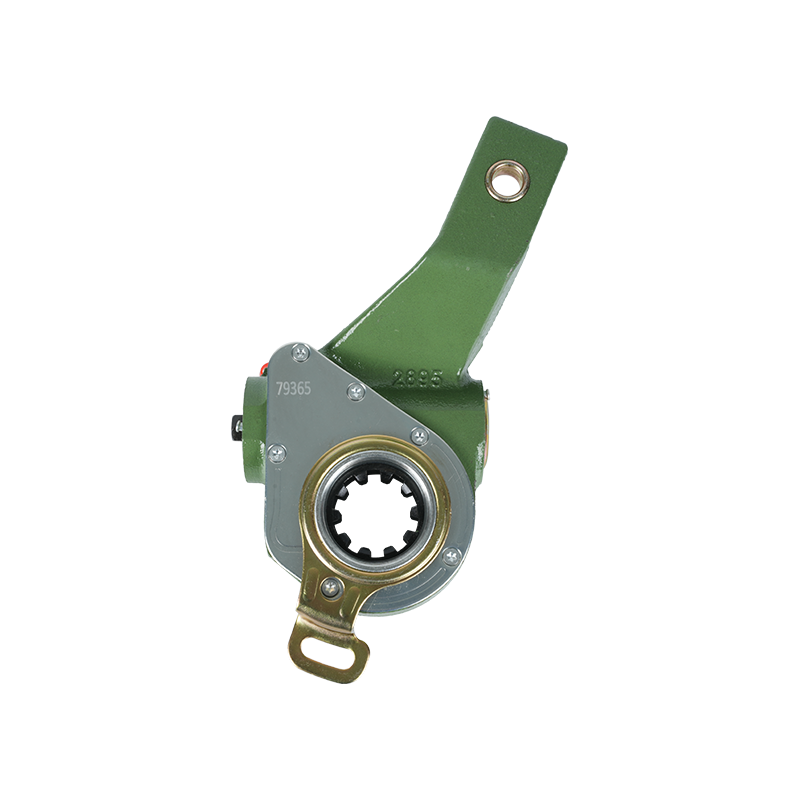 Automatic Slack Adjuster Manufacturers1. The design of the automatic slack adjuster fully considers the needs of users in the actual assembly process. By adopting advanced structures and mechanisms, the as...View Product →
Use a short checklist so the repair is complete before the vehicle moves. Each item below addresses a failure point that may not appear until the first hard brake application.
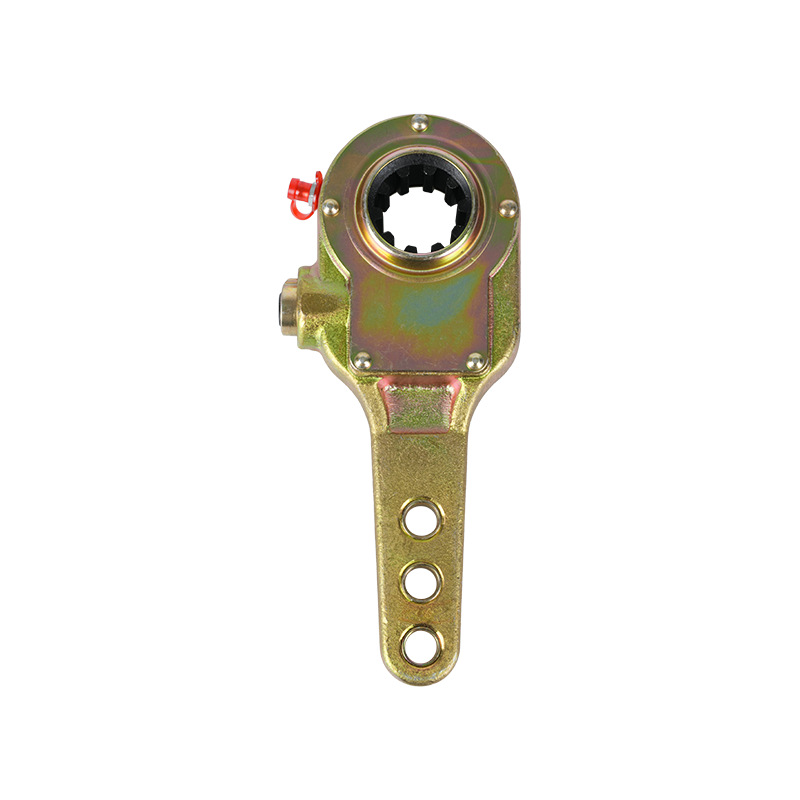
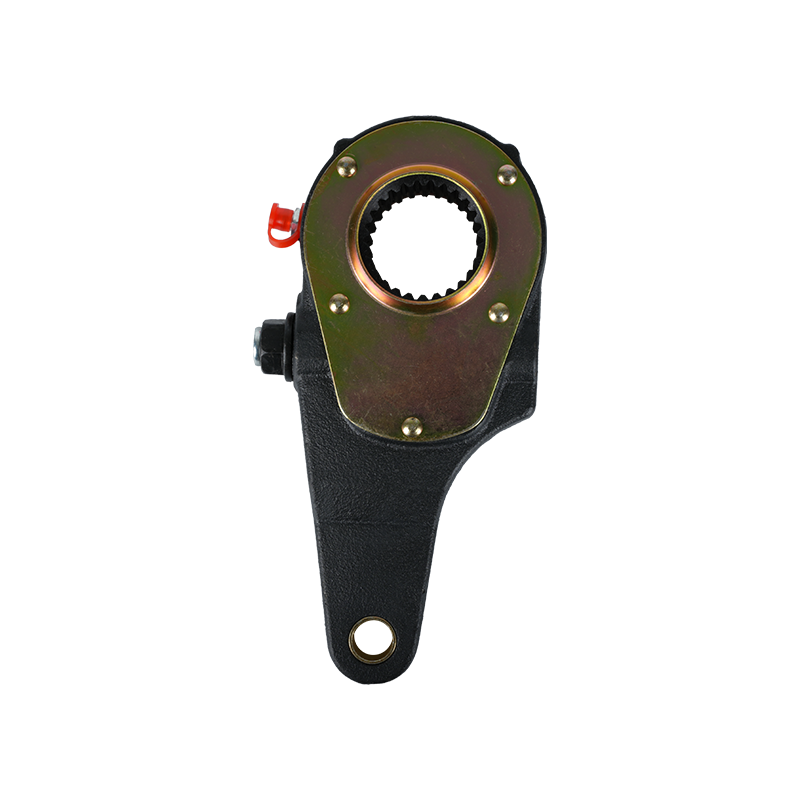 Manual Slack Adjuster ManufacturersHow Do You Adjust Automatic Slack Adjusters? A Practical Brake Safety Guide 28 Sep, 2026 Picture this: a technician at a trailer yard finds a long push-rod stroke, rea...View Product →
Spring brake chambers store mechanical energy. Even with air pressure removed, the spring can release suddenly if the chamber is opened, struck, or heated. Use the approved caging tool and follow the manufacturer's procedure. Never use wire, pliers, or a makeshift pin to cage a spring. If the chamber is damaged in shipping, do not install it.
Keep replacement chambers in dry storage and protect the air port and pushrod from impact. Check local brake performance rules before returning the vehicle to service. A repair that passes a static leak test can still fail a loaded brake test if the chamber stroke or slack adjustment is wrong. For fleet work, record the chamber part number, installation date, and measured pushrod travel so the next technician has a baseline.
Changing a brake chamber is a specification-driven repair. The part must match the axle, brake type, stroke, port, and pushrod requirements, and the slack adjuster must be set after installation. When those steps are followed, the replacement protects brake balance, reduces air loss, and avoids repeat roadside repairs. When they are skipped, the vehicle may stop unevenly, drag a brake, or fail an inspection.
For workshops and fleets that need consistent chamber and slack adjuster supply, Zhuji Tianbo Auto Parts manufactures commercial vehicle brake components from Zhejiang, China, including brake chambers and multiple slack adjuster designs. Maintenance teams can also review daily maintenance of double-spring slack adjusters to connect chamber replacement with a longer brake service plan.


 English
 中文简体
中文简体 русский
 عربى
عربى