


 (+86)-137 5851 1881
(+86)-137 5851 1881
(+86)-137 5851 1881



Content
Pushrod stroke is the single number that tells you whether a commercial brake system is ready for the road or heading for a violation. The slack adjuster and pushrod must work as a matched pair: the brake chamber pushes the rod out, the slack adjuster converts that straight-line motion into camshaft rotation, and the brake shoes press against the drum. When the pushrod travel is outside the chamber manufacturer's limit, stopping distance grows, brakes can drag, and a roadside inspection can take the truck out of service. On many heavy-duty chambers, a pushrod stroke beyond the marked limit by as little as half an inch is enough to fail a brake check.
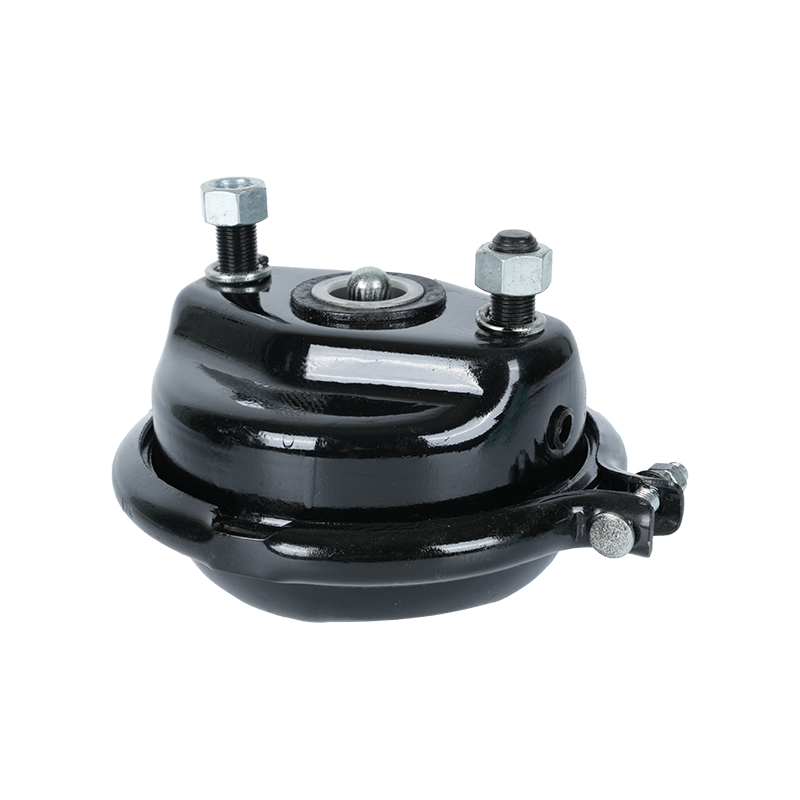
The pushrod is part of the brake chamber. When air pressure enters the chamber, it pushes a diaphragm and plate, which extends the pushrod. That rod connects to the slack adjuster through a clevis and pin. The slack adjuster is a lever mounted on the S-cam shaft. As the pushrod extends, it rotates the slack adjuster, which turns the S-cam and spreads the brake shoes.
Two things matter in this linkage. First, the pushrod must extend far enough to apply the brakes fully, but not so far that the chamber runs out of stroke. Second, the slack adjuster must maintain the correct clearance between the shoes and the drum. If the clearance is too large, the pushrod has to travel farther than it should. If the clearance is too small, the brakes may drag and overheat. The pushrod stroke is the measurable result of the adjustment inside the slack adjuster.
 Brake Chamber ManufacturersShort Stroke vs Long Stroke Brake Chamber: Which One Is Right for Your Truck? 21 Sep, 2026 When a brake chamber fails on a heavy-duty truck, the repair decision usuall...View Product →
A worn or leaking brake chamber can also change pushrod behavior. If the chamber cannot hold pressure, or if the return spring is weak, the pushrod may not retract fully, and the slack adjuster will be unable to keep a stable setting. That is why diagnosis should always start at the chamber and the pushrod, not just at the adjuster.
Exact stroke limits come from the brake chamber manufacturer and the vehicle specification. The table below shows typical maximum pushrod stroke values for common commercial air brake chambers. Always confirm with the chamber tag or service manual before making a pass or fail decision.
| Chamber Type | Typical Maximum Stroke | Notes |
|---|---|---|
| Type 20 | 1.75 inches | Common on lighter steer axles |
| Type 24 | 2.0 inches | Often found on drive axles |
| Type 30 | 2.5 inches | Typical for heavy trailer and drive axles |
| Type 36 | 2.5 inches | Higher-force chambers on severe duty |
Typical values only. Always use the chamber tag and OEM specification for the exact stroke limit.
Use this sequence when a truck comes in with a brake complaint or during a preventive maintenance inspection. Work on a level surface, chock the wheels, and build air pressure to the manufacturer's recommendation before starting.
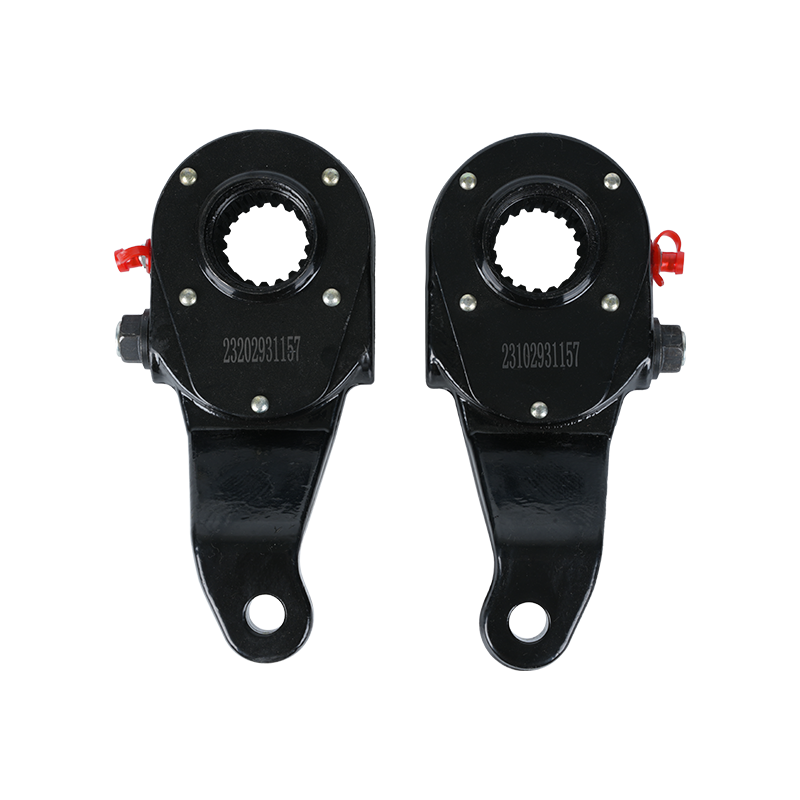
 Automatic Slack Adjuster Manufacturers1. The design of the automatic slack adjuster fully considers the needs of users in the actual assembly process. By adopting advanced structures and mechanisms, the as...View Product →
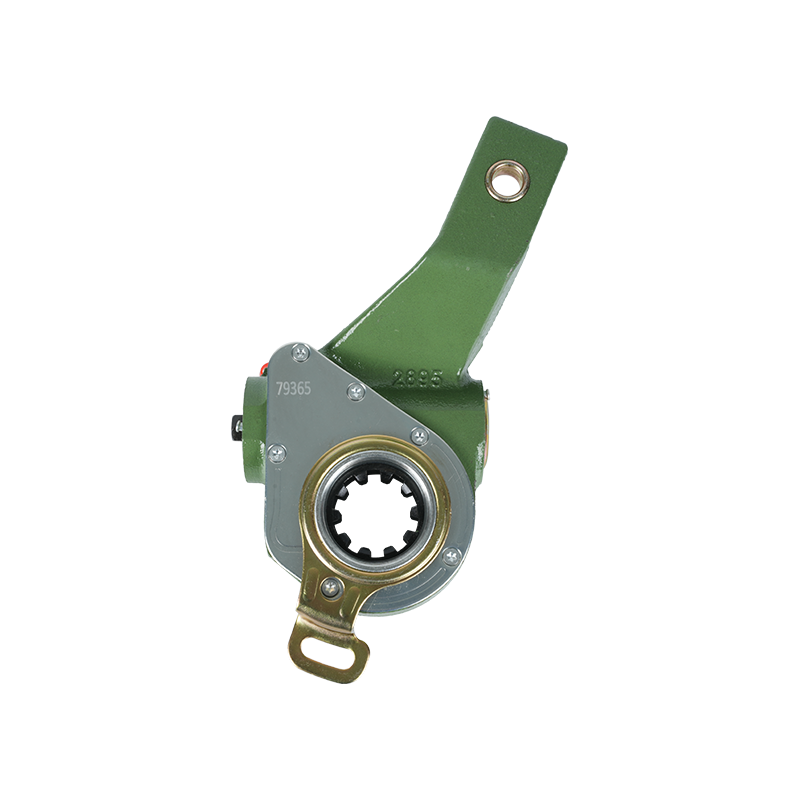
An automatic slack adjuster that cannot maintain stroke often has a worn S-cam, a sticking clevis pin, a weak chamber spring, or an internal adjustment mechanism that has reached the end of its travel. Replacing the adjuster without correcting those conditions usually leads to the same problem again.
A few measurements and clearances decide whether the slack adjuster and pushrod are working correctly. Keep these figures in mind during inspection.
1/16 inch — maximum allowable gap between the clevis pin and the pushrod hole on many automatic slack adjusters.
0.5 inch — how far a pushrod can exceed its stroke limit before many inspectors issue a violation. Some chambers have even tighter margins.
2.5 inches — a common maximum pushrod stroke for Type 30 brake chambers used on heavy trailers and drive axles.
These numbers are not interchangeable between chamber types. A Type 20 chamber and a Type 30 chamber have different internal volumes and different stroke limits. Using the wrong limit can either pass a dangerous brake or fail a properly adjusted one.
Automatic slack adjusters are designed to compensate for brake shoe wear during normal service. They adjust when the brake is applied and released, using an internal clutch or ratchet mechanism. Because they adjust themselves, they should not be treated like manual adjusters. If an automatic adjuster has excessive pushrod stroke, the correct response is to inspect the foundation brake, the chamber, and the adjuster installation. Manually cranking an automatic adjuster to shorten the stroke can hide a worn S-cam bushing or a broken return spring.
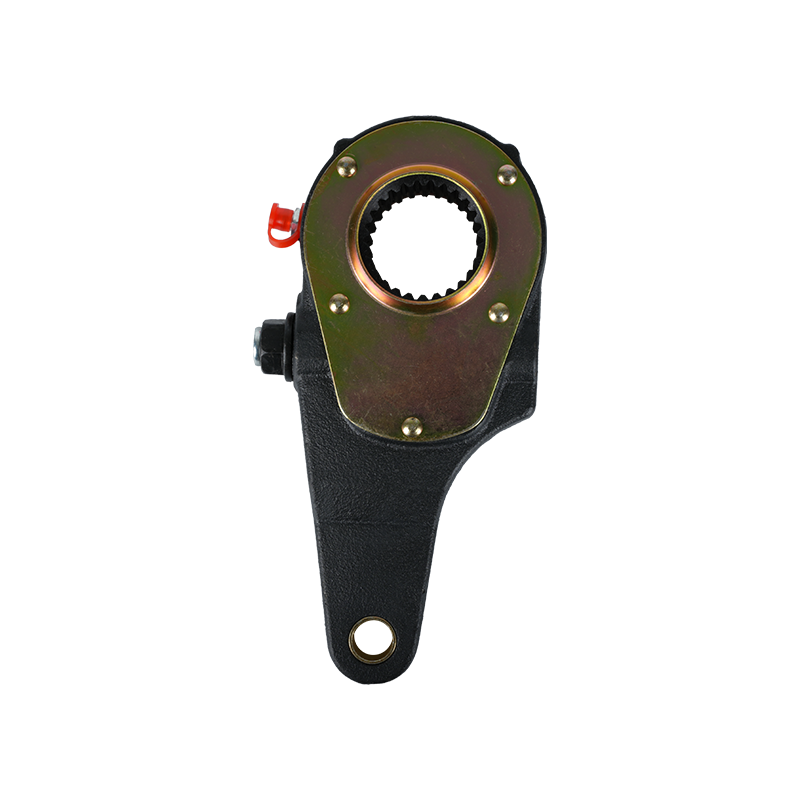
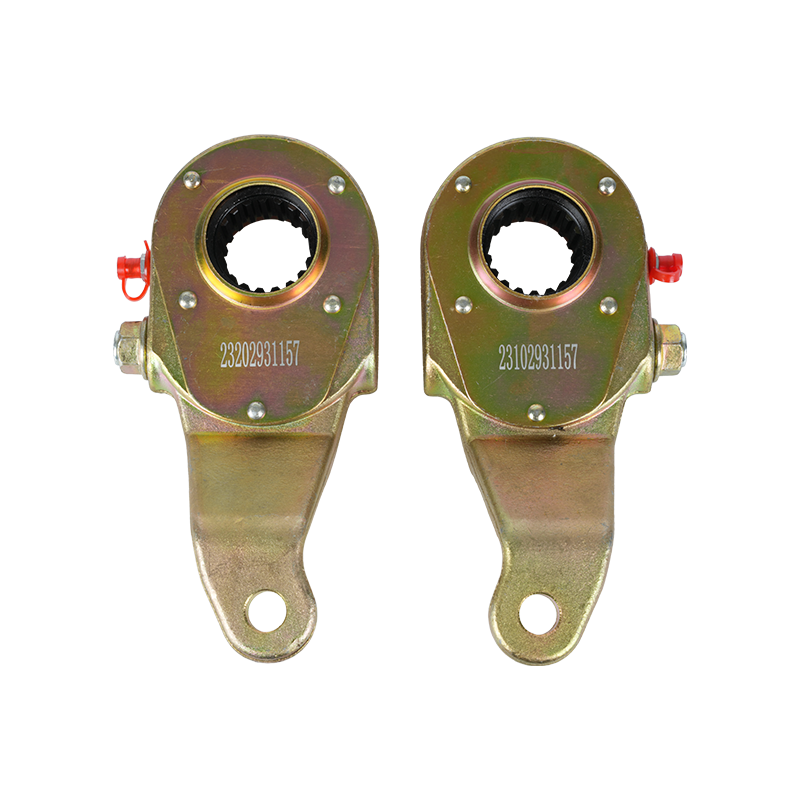
Manual slack adjusters require a technician to set the clearance. The adjustment direction matters: turning the adjuster the wrong way can increase clearance instead of reducing it. If you are unsure which way to rotate the adjusting nut, check the service information. Our guide on manual slack adjuster rotation direction explains how to confirm the correct movement before you apply force.
 Manual Slack Adjuster ManufacturersShort Stroke vs Long Stroke Brake Chamber: Which One Is Right for Your Truck? 21 Sep, 2026 When a brake chamber fails on a heavy-duty truck, the repair decision usuall...View Product →
Automatic and manual adjusters also differ in how they react to a pushrod that is too short or too long. A pushrod that is cut or sized incorrectly will change the lever angle and the adjustment range. Always match the pushrod length and clevis position to the chamber and adjuster combination specified for the axle.
The same errors appear in fleets and repair shops year after year. The table below pairs the problem with the practical correction.
| Problem | Correction |
|---|---|
| Manually adjusting an automatic slack adjuster to fix long pushrod stroke. | Inspect the foundation brake, chamber, and adjuster for wear or damage. Repair the root cause instead of masking it. |
| Ignoring one pushrod that is longer or shorter than the others on the same axle. | Compare stroke on every chamber. An uneven pushrod often points to a seized S-cam, a leaking chamber, or a different adjuster setting. |
| Replacing a slack adjuster without checking the clevis pin and pushrod hole. | Measure the clevis pin gap. More than 1/16 inch of play can cause lost motion and inaccurate adjustment. |
| Using a pushrod that is too short or too long for the chamber and axle. | Install the pushrod and clevis specified by the OEM. Incorrect length changes the lever angle and reduces adjustment range. |
Most pushrod and slack adjuster problems trace back to foundation brake wear, not the adjuster alone.
Small checks catch pushrod and adjuster problems before they become roadside violations. Build these into the driver walk-around and the shop's preventive maintenance routine.
For fleets that run trailers in mixed service, keep a simple log of pushrod stroke by axle and chamber type. When a unit starts to show a pattern, you can plan repairs before the next inspection.
Air brake systems store enough energy to injure or kill. Release all air pressure from the system before removing a chamber, hose, or slack adjuster. If the vehicle has spring brakes, cage or compress the spring according to the manufacturer's procedure. Never place your hands or tools in the path of the pushrod while someone else applies the brake.
When you adjust or replace a slack adjuster, support the vehicle with stands and chock the wheels. Do not rely on the parking brake alone. After any work on the pushrod or adjuster, apply and release the brakes several times and recheck the pushrod stroke. A setting that looks correct without air pressure can change once the system is charged.
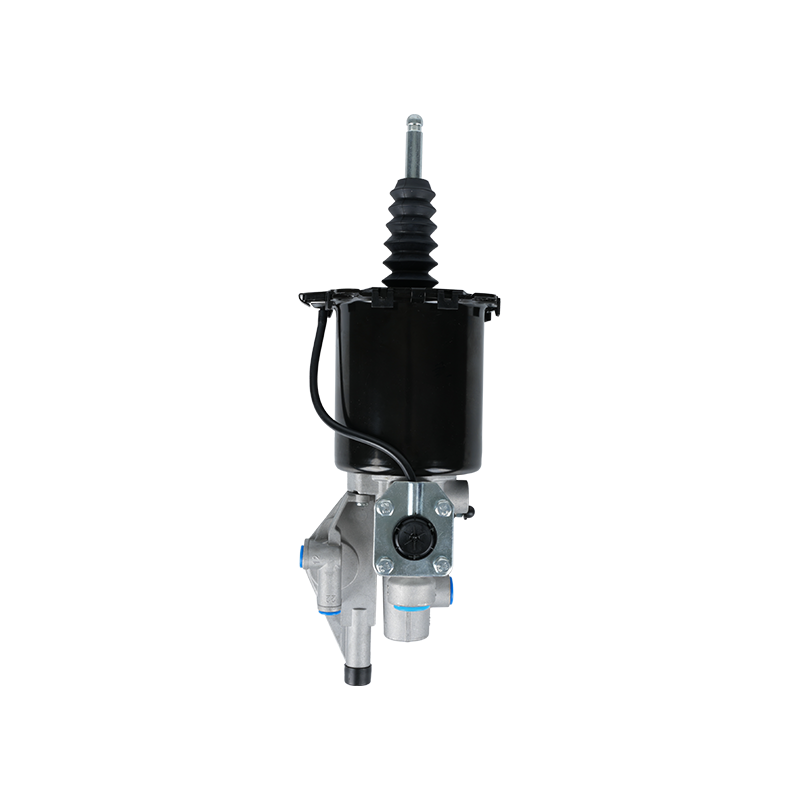
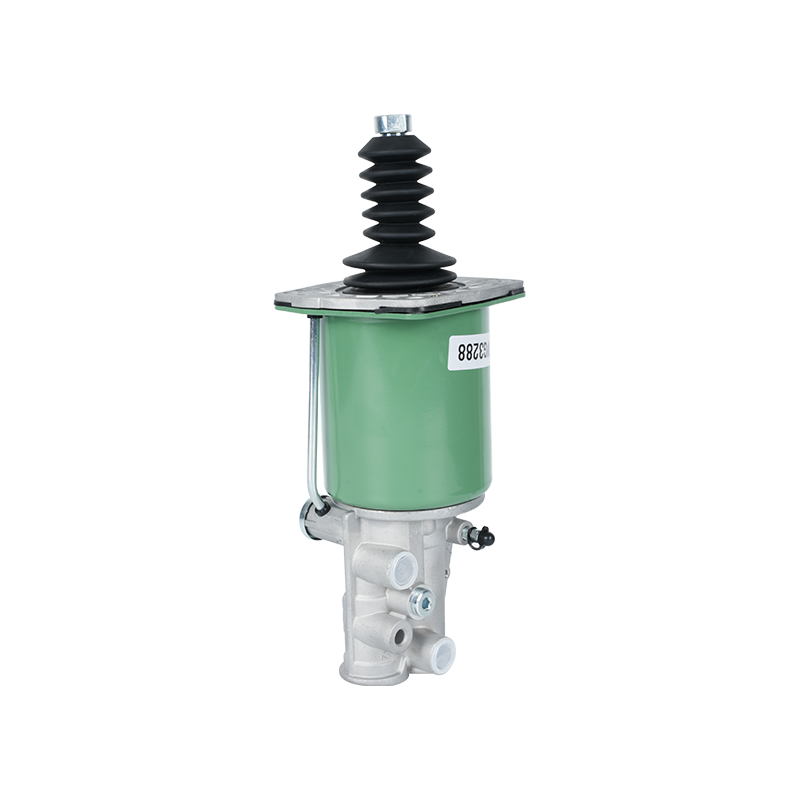
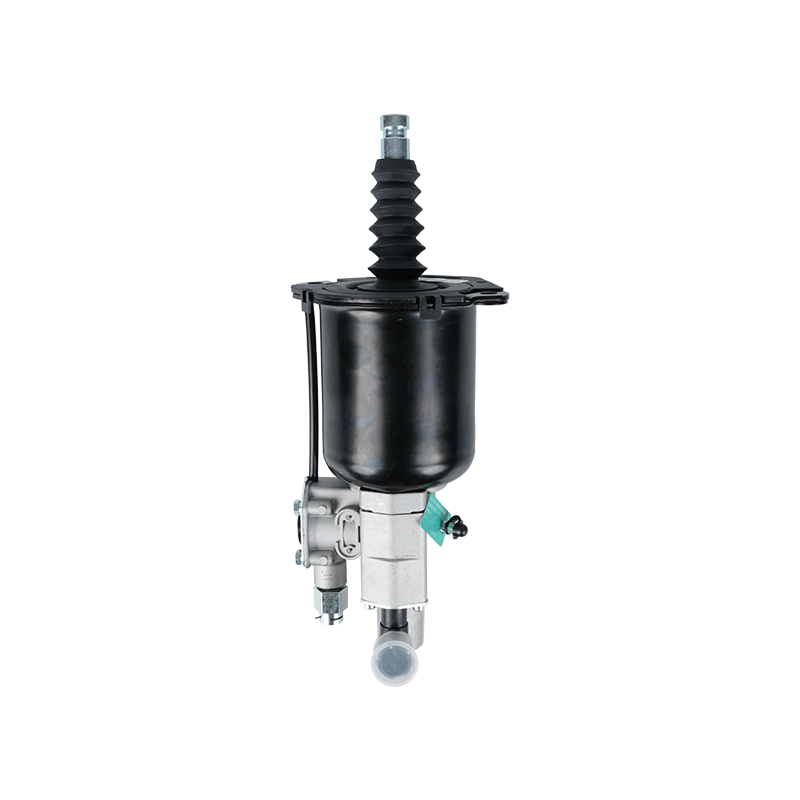
If you need replacement brake chambers, manual or automatic slack adjusters, or related components, work with a manufacturer that understands heavy-duty brake systems. Zhuji Tianbo Auto Parts produces slack adjusters and brake chambers for heavy trucks, trailers, and semi-trailers, with models covering automatic, manual, double-spring, and lock-plate designs.



 English
 中文简体
中文简体 русский
 عربى
عربى