


 (+86)-137 5851 1881
(+86)-137 5851 1881
(+86)-137 5851 1881



Content
Yes — but only specific parts of a slack adjuster require lubrication, and applying grease to the wrong areas can actually cause serious problems. Automatic slack adjusters (ASAs) require grease at the clevis pin, the anchor bracket bushing, and the brake camshaft splines, but the internal adjuster mechanism itself should never be flooded with grease. Manual slack adjusters follow a similar rule: grease the pivot points and the camshaft, but do not pack the internal worm gear housing with heavy grease unless the manufacturer's service manual explicitly calls for it.
This distinction matters because a slack adjuster that is over-greased at the wrong location can develop a false sense of proper adjustment. Grease migration into the adjuster's internal gear mechanism can hydraulically lock it, preventing it from self-adjusting and leading to out-of-adjustment brakes — one of the top causes of brake-related commercial vehicle violations in North America.
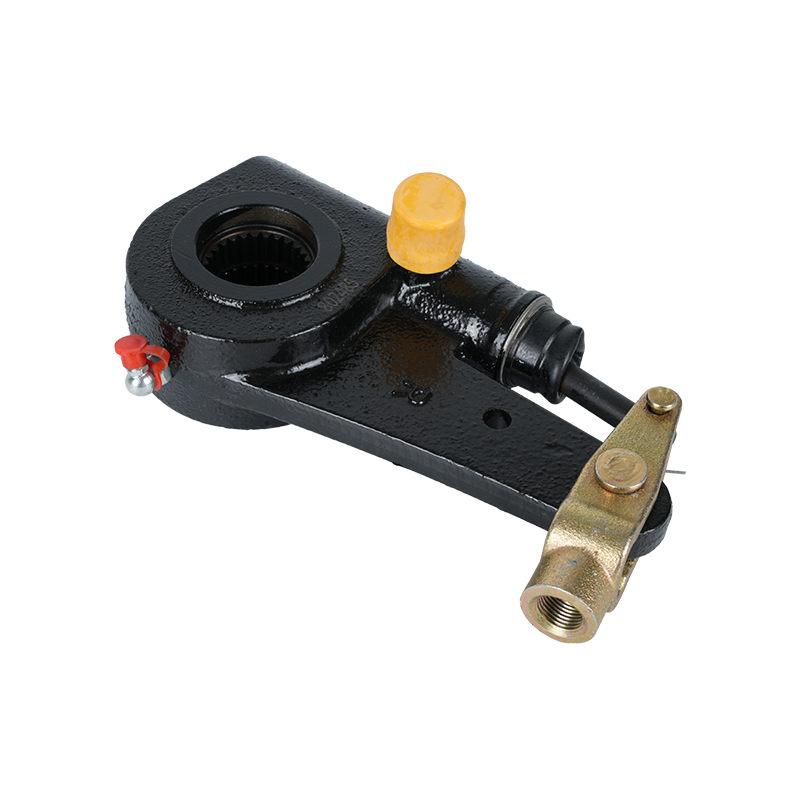
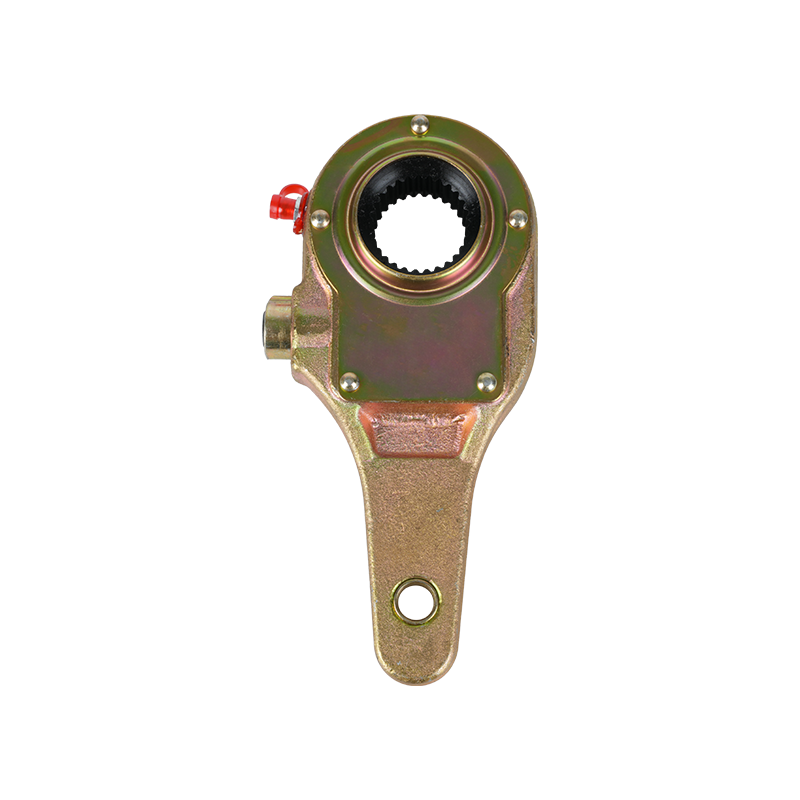
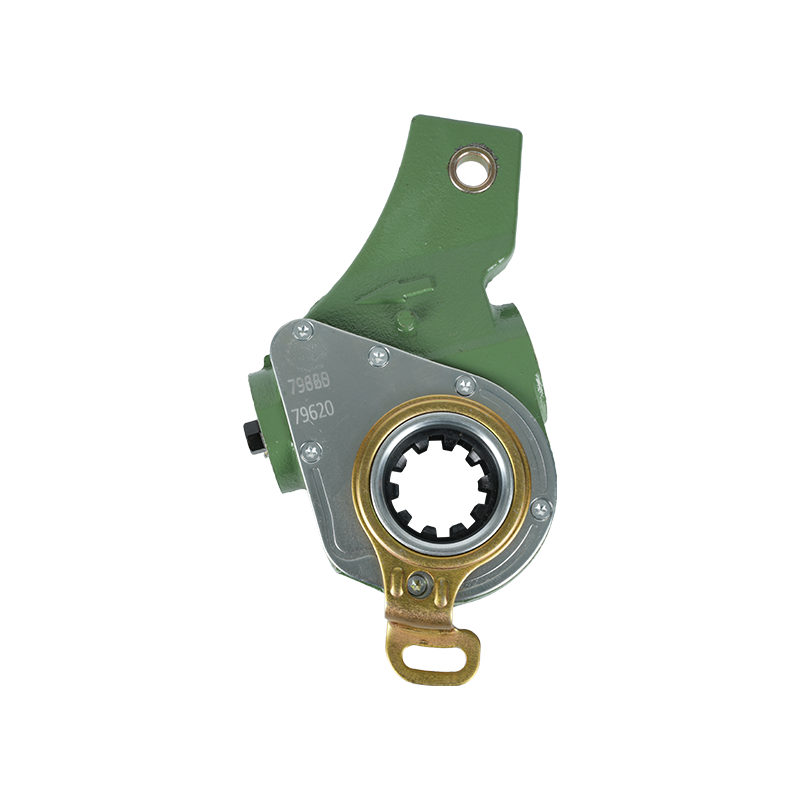
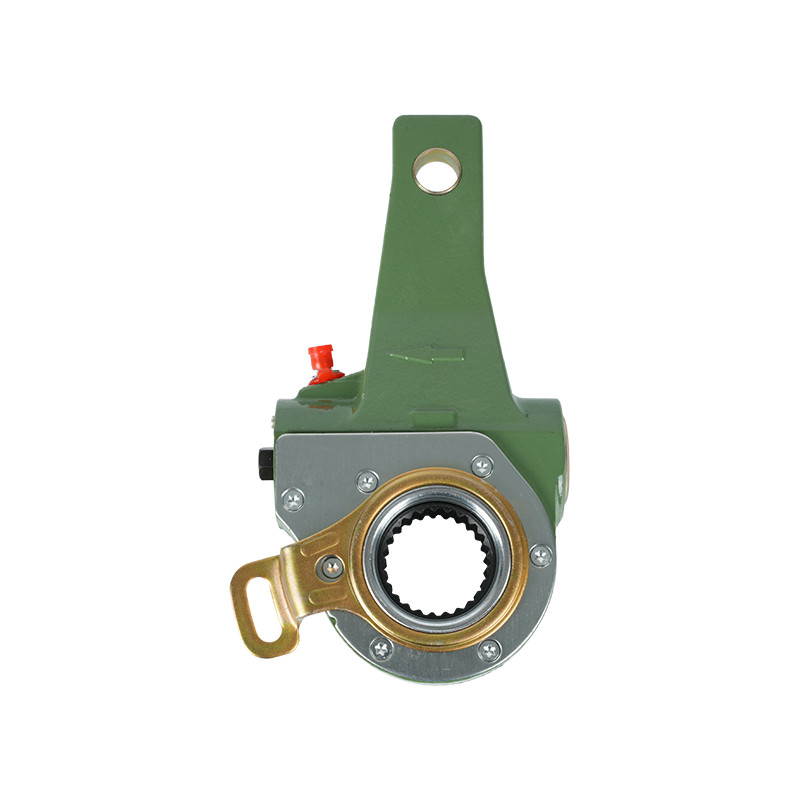
Before diving into lubrication specifics, it helps to understand the mechanical role of a slack adjuster in an air brake system. The slack adjuster is the lever arm that connects the brake chamber pushrod to the S-cam (or wedge) brake assembly. As the brake linings wear down over time, the distance between the lining and the drum increases — meaning the pushrod has to travel farther to engage the brakes. If that travel distance gets too long, braking force is dramatically reduced.
A manual slack adjuster requires a technician to periodically rotate an adjustment bolt to take up that slack. An automatic slack adjuster (ASA) senses excess pushrod travel and self-corrects using an internal one-way clutch and worm gear mechanism. The Federal Motor Carrier Safety Administration (FMCSA) mandated the use of automatic slack adjusters on newly manufactured air-braked vehicles in the United States starting in 1994. Today, virtually all commercial trucks and trailers on North American roads are equipped with ASAs.
The critical takeaway: both types contain moving metal parts operating under significant load and vibration. Without proper lubrication at the correct points, wear accelerates rapidly, adjustment becomes unreliable, and brake performance degrades in ways that are not always immediately obvious to the driver.
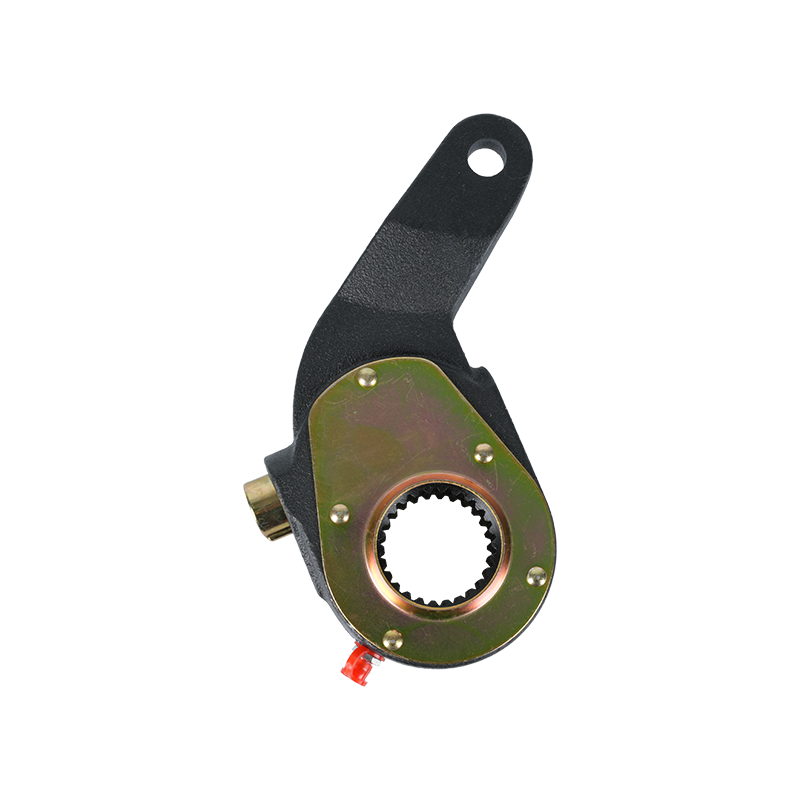
Different components of the slack adjuster assembly have different lubrication requirements. Treating every fitting or port the same way is a common mistake made during fleet maintenance. Here is a breakdown of the key lubrication points:
The clevis pin connects the brake chamber pushrod to the slack adjuster arm. This connection point is exposed to road debris, moisture, and constant movement. Apply a light coat of lithium-based or multi-purpose grease to the clevis pin at every scheduled PM interval, typically every 25,000 miles for most Class 8 operations. A seized clevis pin can restrict brake application and create a dangerous lag in braking response.
The anchor pin and its bushing are where the slack adjuster body pivots during brake application. This bushing experiences significant friction under load. Most slack adjuster manufacturers include a grease fitting (Zerk fitting) at this location. Use 2–3 pumps of grease until you see slight purging at the edges — this indicates the old grease has been displaced and the new grease has fully surrounded the bushing.
While technically part of the foundation brake assembly rather than the slack adjuster itself, the S-cam and its support bushings must be greased at the same time. The slack adjuster interfaces directly with the camshaft splines, and a dry or corroded camshaft spline connection will prevent proper torque transfer and can cause the adjuster to wear unevenly. CVSA (Commercial Vehicle Safety Alliance) inspectors regularly cite worn or dry camshaft bushings as a contributing condition to out-of-adjustment brakes.
Some automatic slack adjusters, such as those made by Haldex and Meritor (now part of Meritor WABCO), have a grease fitting on the body of the adjuster that leads to the internal mechanism. This fitting should only receive one or two pumps of grease maximum. Over-greasing this port is one of the most frequently cited causes of automatic slack adjuster malfunction. Excess grease can interfere with the internal one-way clutch, causing the adjuster to stop compensating for brake lining wear.
Not all greases are compatible with slack adjuster components. Using the wrong product can cause seal degradation, accelerated wear, or contamination of the internal mechanism. Here is a comparison of commonly used grease types in commercial vehicle brake maintenance:
| Grease Type | Suitable For | Not Recommended For | Notes |
|---|---|---|---|
| Lithium Complex (NLGI 2) | Clevis pins, anchor bushings, camshaft | Internal ASA mechanism | Most widely used; good water resistance |
| Calcium Sulfonate | All external pivot points; high-temp environments | Internal ports (check OEM spec) | Excellent corrosion and water resistance |
| Polyurea Grease | Extended-life applications | Never mix with lithium-based greases | Incompatibility can cause grease breakdown |
| White Lithium Spray | Light surface coating for thread protection | Bearing or bushing lubrication | Not suitable as a primary lubricant under load |
Always check the slack adjuster manufacturer's service manual for the exact grease specification. Haldex, for example, specifies an NLGI 1 or 2 lithium or calcium-based grease for its automatic slack adjusters. Meritor similarly recommends a Multipurpose Chassis Grease (MPG) for external fittings. Deviating from the spec — even using a "premium" grease — can void warranty coverage and accelerate component wear.
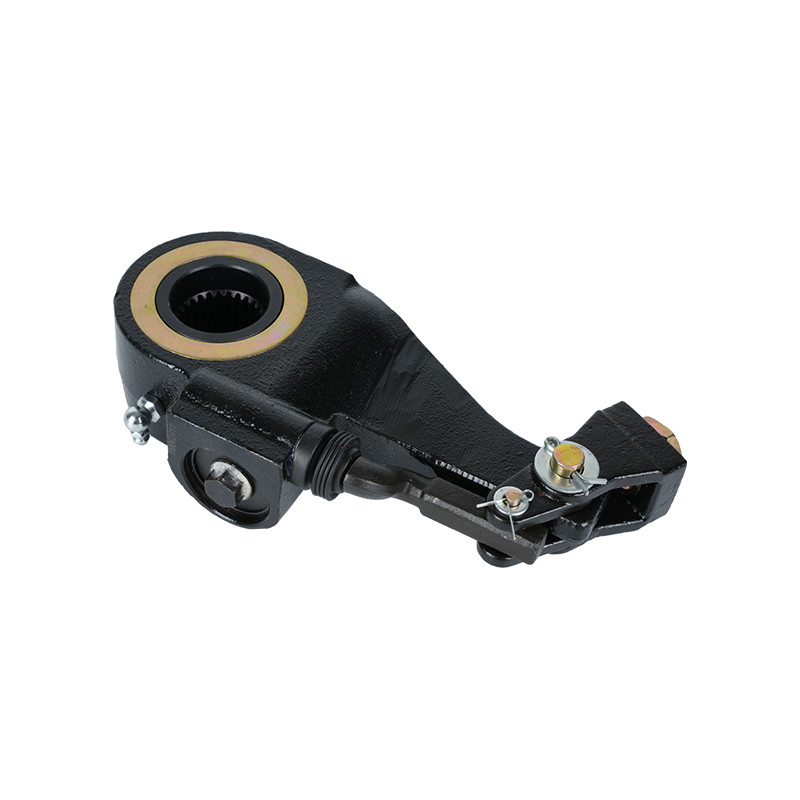
Lubrication intervals vary based on operating conditions, vehicle application, and manufacturer guidance. However, general industry practice follows these benchmarks:
It is worth noting that severe operating environments dramatically shorten lubrication intervals. Vehicles that regularly drive through water crossings, salt-treated winter roads, or high-dust worksites should be on the shorter end of the range. Corrosion buildup on pivot points and grease fittings is a primary cause of premature slack adjuster replacement — a component that can cost anywhere from $80 to $250 per unit depending on the make and model.
The process is straightforward, but attention to detail separates a proper lube job from one that creates problems down the road. Here is a practical procedure applicable to most automatic slack adjusters:
Neglected lubrication does not always present as an immediate failure. Often, the degradation is gradual and shows up as a combination of subtle and not-so-subtle symptoms. Watch for these indicators:
When any of these signs appear, do not simply re-grease and continue. A thorough inspection of the entire foundation brake system is warranted. In many cases, a neglected slack adjuster has also allowed the camshaft bushings to wear beyond serviceable limits, requiring additional parts and labor.
The external lubrication points — clevis pin, anchor bushing, camshaft — are essentially the same for both automatic and manual slack adjusters. The internal differences are where the two types diverge in maintenance philosophy.
Manual slack adjusters have a simpler internal construction — essentially a worm gear connected to an adjusting bolt. Some designs have an internal grease port; others are considered "lubed for life" at the factory. For those with a grease port, applying grease occasionally helps preserve the worm gear and prevents corrosion from seizing the adjustment mechanism. A manual slack adjuster that cannot be adjusted because the internal worm gear has seized is one of the most common reasons manual units are prematurely scrapped. Regular but modest internal lubrication prevents this.
The internal mechanism of an ASA is more sensitive. The one-way clutch that enables self-adjustment relies on a precise level of friction and mechanical engagement. Too little lubrication and the clutch parts wear. Too much grease, particularly heavy-bodied greases pushed in under pressure, and the clutch can become hydraulically disengaged — meaning the adjuster will stop self-adjusting without any outward indication of failure. The brakes will still function, but they will fall progressively out of adjustment as the linings wear.
This is why many experienced brake technicians follow a conservative approach: grease external fittings at every PM, and leave the internal ASA port alone unless the manufacturer's interval specifically calls for it — or unless the adjuster is being rebuilt.
Brake adjustment is one of the most heavily enforced areas of commercial vehicle safety regulation in the United States and Canada. During a CVSA Level I inspection — the most comprehensive roadside inspection — inspectors check the pushrod stroke on every brake chamber. Out-of-adjustment brakes are an automatic out-of-service condition under FMCSA 49 CFR Part 393.47.
During the 2023 CVSA International Roadcheck, brake adjustment violations accounted for 40.3% of all out-of-service brake violations — the single largest category. A significant proportion of these cases can be traced back to malfunctioning or neglected automatic slack adjusters. Carriers whose vehicles are placed out of service face not only downtime and delay costs but also potential increases in their CSA (Compliance, Safety, Accountability) BASIC scores, which can affect insurance rates and shipper relationships.
From a liability standpoint, a brake-related crash involving a vehicle with documented maintenance neglect creates enormous exposure. Proper slack adjuster lubrication, recorded in maintenance logs, is a demonstrable act of due diligence. Its absence — particularly if a PM interval was skipped — can be used to establish negligence in litigation following a crash.
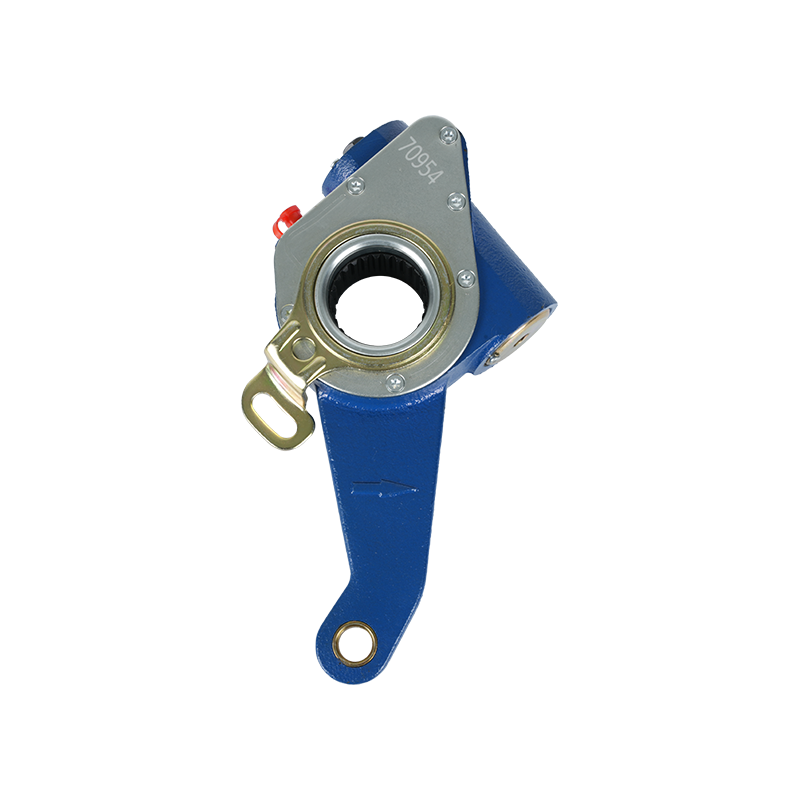
Even experienced technicians fall into habits that reduce the effectiveness of slack adjuster lubrication. These are the most frequent errors observed in fleet maintenance environments:
No amount of lubrication can fix a mechanically failed slack adjuster. Knowing when to replace rather than maintain is an important judgment call. Replace the unit when you observe any of the following:
The industry-standard service life of a quality automatic slack adjuster, when properly maintained, is typically 500,000 to 750,000 miles. Units that are neglected — infrequently lubricated, operated in harsh environments without additional service attention — often require replacement at less than half that mileage. The cost differential between a proactive maintenance program and reactive replacement cycles, multiplied across a fleet of even 20 trucks, can amount to tens of thousands of dollars annually in parts and labor alone, not counting downtime.


 English
 中文简体
中文简体 русский
 عربى
عربى