


 (+86)-137 5851 1881
(+86)-137 5851 1881
(+86)-137 5851 1881



Content
If you operate a parts truck or manage a commercial fleet, sourcing the right heavy truck spare parts is not optional — it is the difference between a truck that earns money and one that sits on the side of the road costing you money. The most critical parts that fail on heavy trucks include brake components, engine gaskets, fuel injectors, wheel bearings, and suspension bushings. These are not rare failures; they are predictable, and fleets that plan for them spend significantly less per mile than those that react to breakdowns.
A 2022 industry report by the American Trucking Associations estimated that unplanned breakdowns cost commercial fleets an average of $448 per hour in direct and indirect losses. Most of those breakdowns trace back to worn components that were either not inspected or not replaced on schedule. This guide covers the parts that matter most, how to evaluate suppliers, and what separates a reliable parts source from a risky one.
Not every heavy truck runs the same duty cycle, and that matters a great deal when deciding which spare parts to keep on hand. A long-haul semi pulling 80,000 lbs across interstate highways accumulates wear patterns that are completely different from a municipal dump truck making 20 short stops a day, or a concrete mixer running in stop-and-go urban traffic.
Understanding your specific truck type helps you stock intelligently. Overstocking the wrong components ties up capital; understocking the right ones guarantees downtime.
These trucks put enormous stress on drivetrain and fuel system components. Fuel injectors, turbochargers, DEF (diesel exhaust fluid) system parts, and drive shaft U-joints wear faster at sustained highway speeds. A truck covering 130,000 miles per year — common in over-the-road hauling — can go through a set of brake linings in as little as 80,000 miles depending on terrain and load.
Dump trucks, mixer trucks, and crane carriers operate in harsh environments with constant load cycling. Hydraulic seals, PTO (power take-off) components, and rear suspension air bags take the most punishment. Mud and debris contamination also accelerates wear on wheel bearings and brake slack adjusters on these platforms.
Frequent starts and stops wear out clutch components, brake drums, and starter motors faster than any other application. Starters on urban delivery trucks often need replacement every 2 to 3 years. Clutch disc replacement intervals can drop below 150,000 miles in heavy urban routes compared to 300,000+ miles for well-managed highway operations.
The table below covers the parts that generate the most service calls and purchase orders across common heavy truck platforms. Lifespan figures are approximations under normal operating conditions; severe duty, neglected maintenance, and low-quality parts all reduce these numbers significantly.
| Part Category | Specific Component | Typical Service Interval | Failure Risk If Neglected |
|---|---|---|---|
| Braking System | Brake Linings / Pads | 60,000 – 100,000 miles | Total brake failure, DOT violation |
| Braking System | Brake Drums | 150,000 – 250,000 miles | Cracking, heat fade, pad destruction |
| Engine | Fuel Injectors | 200,000 – 300,000 miles | Power loss, excessive fuel consumption |
| Engine | Head Gasket | 300,000 – 500,000 miles | Engine overheating, coolant loss, seizure |
| Suspension | Air Ride Bags | 3 – 5 years | Ride instability, frame stress, tire wear |
| Drivetrain | U-Joints | 100,000 – 150,000 miles | Driveshaft failure, catastrophic loss of drive |
| Electrical | Alternator | 4 – 7 years | Battery drain, loss of power to ECM |
| Cooling System | Water Pump | 100,000 – 200,000 miles | Overheating, coolant contamination |
These numbers assume proper lubrication, on-time oil changes, and correct loading. Overloading a truck even by 10% can cut bearing and suspension component life nearly in half due to exponential stress increases on metal fatigue points.
The market for truck spare parts is enormous and, unfortunately, poorly regulated in many regions. Counterfeit and substandard parts are a documented problem. In 2019, the Automotive Anti-Counterfeiting Council estimated that counterfeit auto and truck parts cost the legitimate industry over $3 billion annually in North America alone, with brake parts and filters among the most commonly faked components.
Choosing the wrong supplier does not just waste money. It puts drivers at risk and exposes fleet operators to liability. Here is what to check before committing to any parts source.
An authorized dealer or distributor for brands like Meritor, Bendix, Bosch, Knorr-Bremse, or Dana carries parts that have been tested to OEM specifications. Authorization means the supplier has a contractual relationship with the manufacturer, which includes accountability for product quality. Ask for documentation — legitimate suppliers have it readily available.
Every reputable heavy truck spare parts supplier should be able to provide a trace from the part in your hand back to the manufacturer's production batch. This matters especially for safety-critical components like brake chambers, S-cam bushings, and wheel seals. ISO 9001 certification in the supplier's warehouse or distribution operations is a baseline indicator of quality management, not a guarantee, but a meaningful signal.
A supplier confident in their product quality offers a meaningful warranty. For heavy truck brake components, 12 months or 100,000 miles of warranty coverage is a reasonable baseline expectation. Suppliers offering 30-day returns and no labor coverage on failed parts are signaling low confidence in what they are selling. Read the fine print carefully — some warranties exclude any part that was installed by someone other than a certified dealer, which makes them nearly worthless for independent workshops.
A parts supplier who can quote you immediately on 200 different SKUs across engine, drivetrain, and braking systems is worth more than a specialist who carries 20 high-margin items and drop-ships everything else. Ask specifically about lead times on fast-moving parts during peak season. If a supplier cannot commit to a 24-hour turnaround on common brake linings or air filter elements, that is a problem for fleet operations where every day of downtime is a direct revenue loss.
This debate comes up constantly in fleet maintenance discussions, and the honest answer is that neither side wins unconditionally. The right choice depends on the component, the truck's age, the application, and your tolerance for risk on that specific repair.
The critical rule: never make aftermarket vs. OEM decisions based on price alone. Make them based on quality verification, warranty coverage, and the consequence of that specific part failing in service. A failed marker light is an inconvenience. A failed brake chamber is a fatality risk.
No area of heavy truck maintenance carries higher stakes than the braking system. Federal Motor Carrier Safety Administration (FMCSA) data consistently shows that brake system failures are among the top mechanical causes in commercial vehicle crashes. In a large truck inspection, brake violations account for roughly 50% of all out-of-service orders issued at weigh stations and roadside inspections.
The air brake system on a Class 8 truck is a complex network of components. Each one needs to be understood separately.
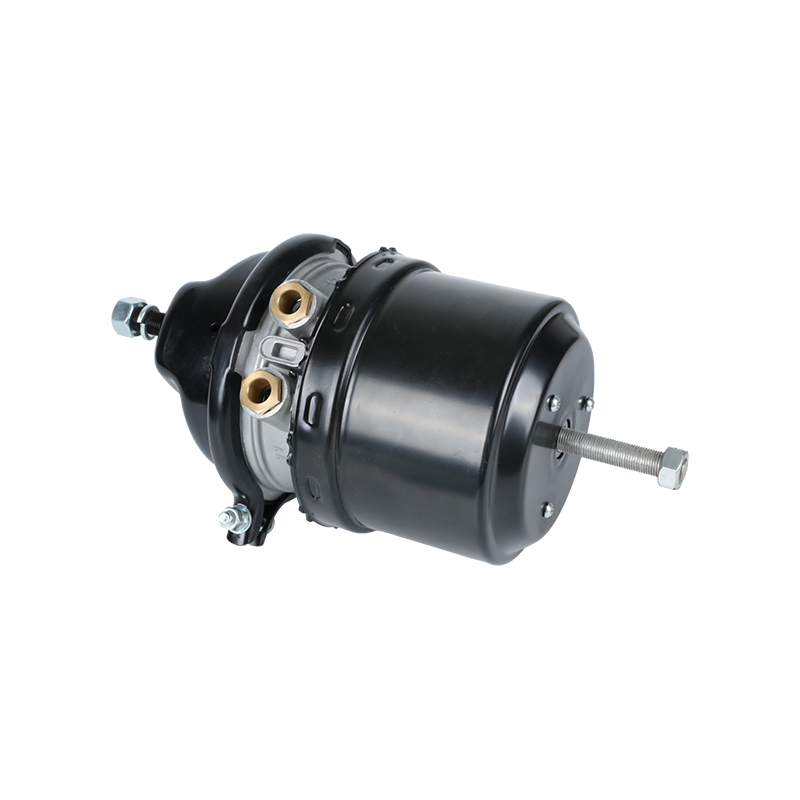
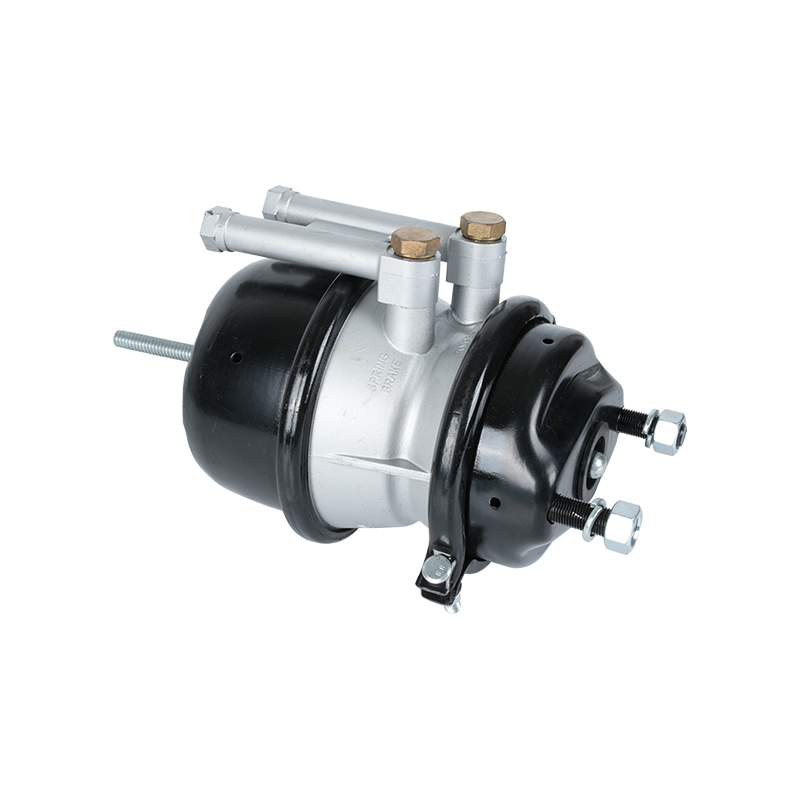
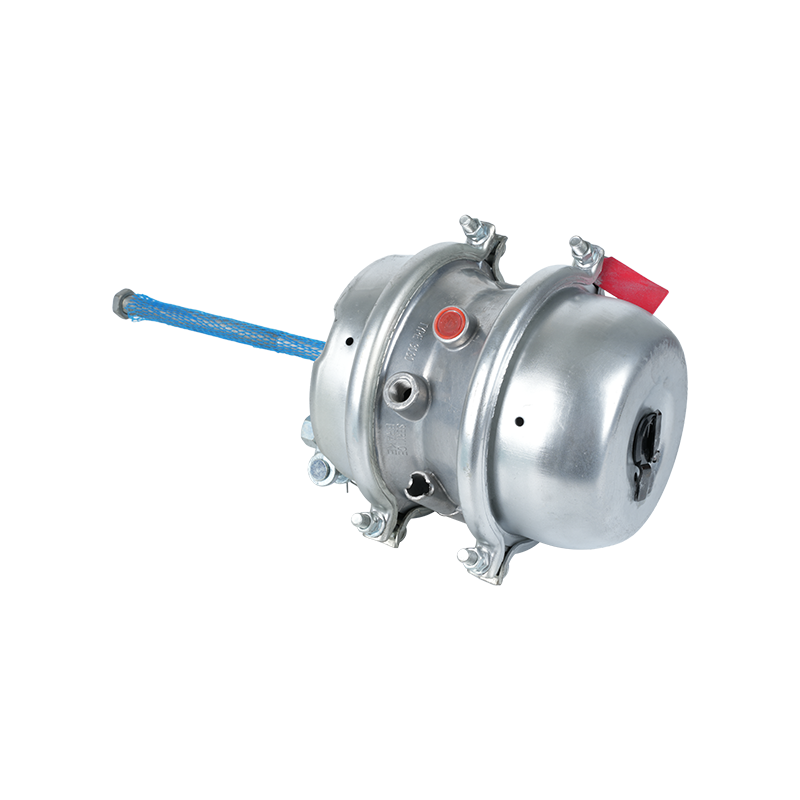
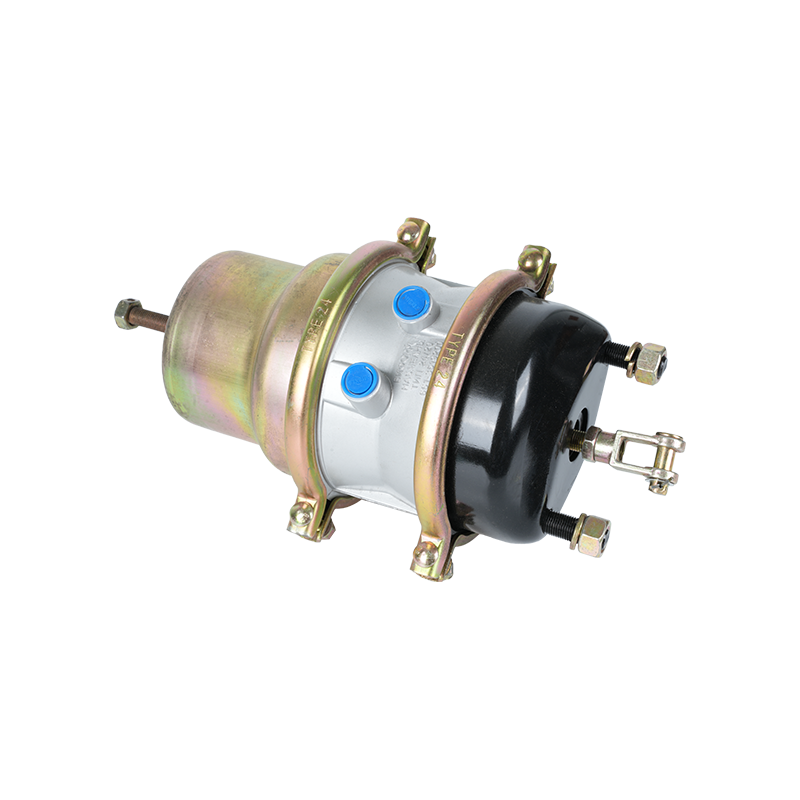
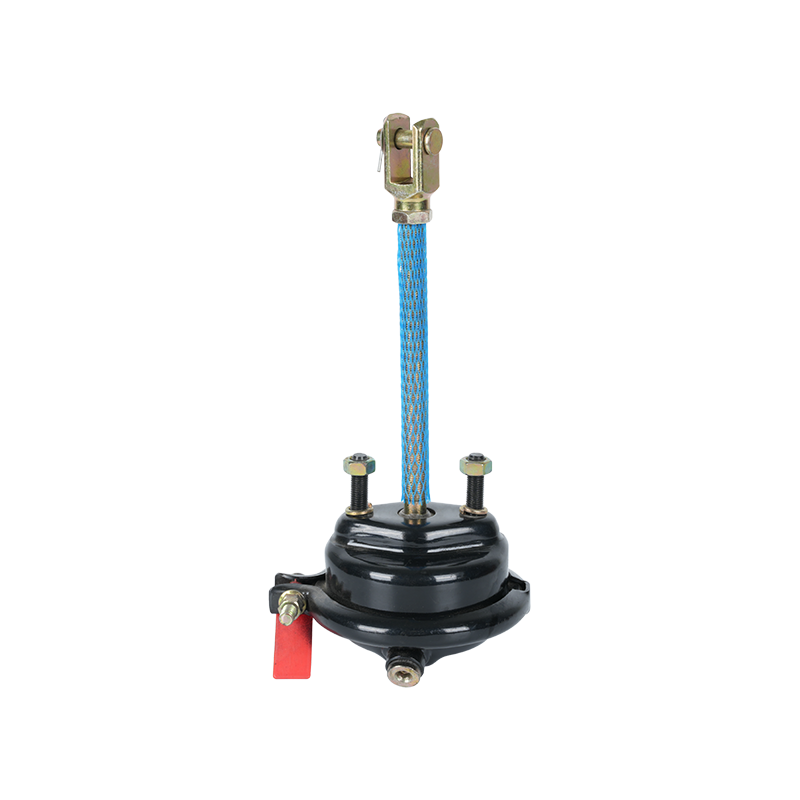
Brake chambers convert air pressure into the mechanical force that applies the brakes. Spring brake chambers (piggyback units) also serve as parking brakes, holding the truck stationary when air pressure drops. These units should be replaced as matched pairs on an axle. Mixing old and new chambers on a single axle creates uneven braking force and contributes to trailer sway. Never attempt to disassemble a spring brake chamber in the field — the compressed spring inside holds several hundred pounds of force and has caused fatal injuries when released accidentally.
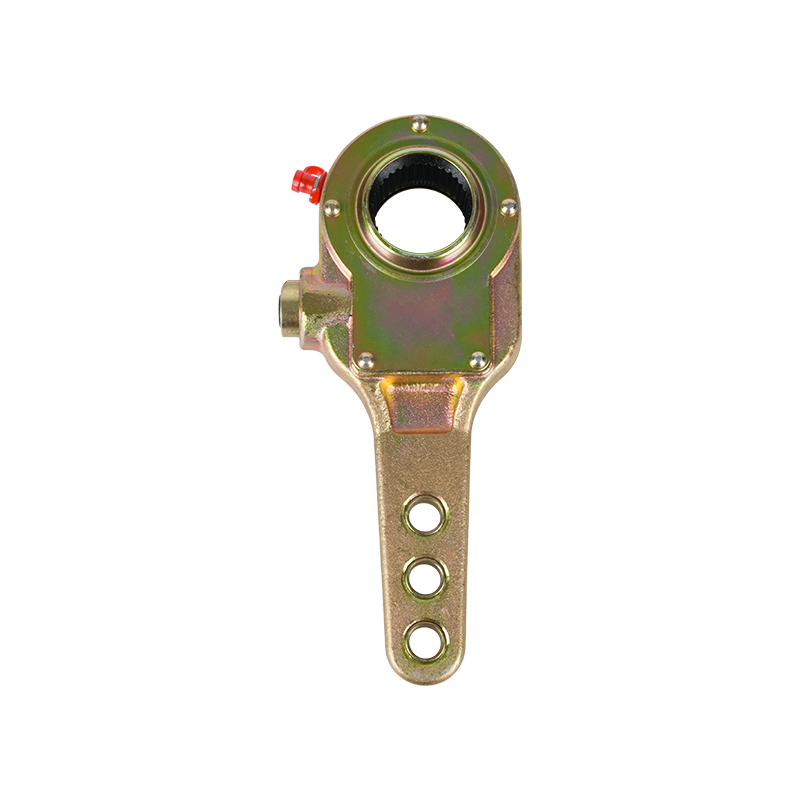
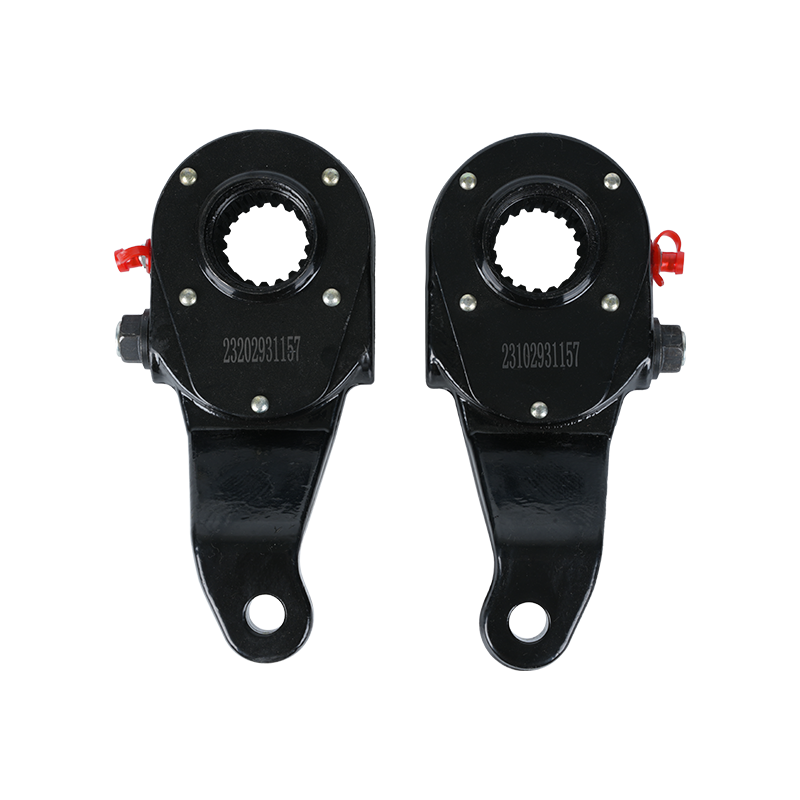
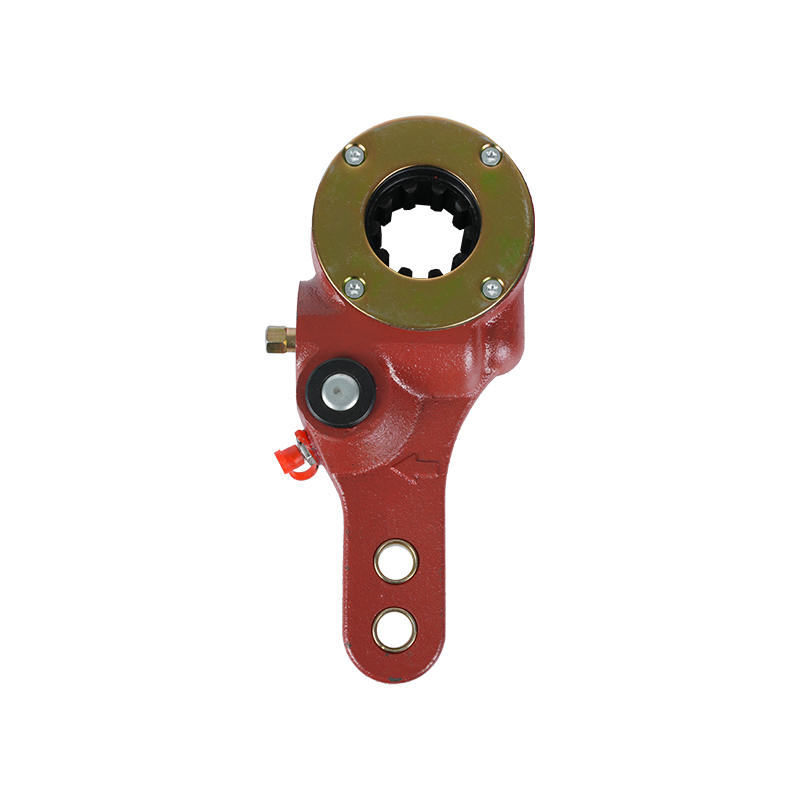
Automatic slack adjusters (ASAs) maintain proper pushrod travel as brake linings wear. A common misconception among drivers is that automatic adjusters require no attention. In fact, ASAs that are functioning correctly still need periodic inspection for wear, corrosion, and correct adjustment range. A 2021 study by the Technology and Maintenance Council found that nearly 1 in 4 trucks with automatic slack adjusters had at least one unit that was out of adjustment, often due to internal wear or incorrect installation. Replacement ASAs should always be from recognized brands like Haldex or Meritor, and installed at the correct installation angle to function properly.
Not all brake linings are equal, even within the same FMSI (Friction Materials Standards Institute) designation. Linings are rated for fade resistance, wear rate, and noise. For trucks operating in mountainous terrain with heavy loads, high-temperature stability is the priority. For urban vocational trucks with frequent light stops, lower-dust, quieter compounds may be preferred. Always match lining specifications to your actual duty cycle rather than defaulting to whatever the parts counter has in stock.
Modern diesel engines in Class 7 and 8 trucks — platforms like the Cummins X15, Detroit DD15, PACCAR MX-13, and Volvo D13 — are engineered for 1 million miles or more under proper maintenance. The parts that fail before engine overhaul are almost always consumables and sub-assemblies, not the engine block or crankshaft itself.
Emissions-related components have become a major part of the heavy truck spare parts market since 2010 EPA standards mandated EGR (exhaust gas recirculation) and SCR (selective catalytic reduction) systems. EGR coolers, EGR valves, and DEF injectors fail at rates that surprised the industry in the first few years of these systems. EGR cooler clogging from soot buildup is common on engines operating mostly at low loads; the fix is proper regeneration cycles and periodic inspection. Replacement EGR coolers can cost $800 to $2,500 depending on the engine platform, making this one of the higher-cost maintenance items outside of major overhauls.
Turbocharger failures on heavy trucks are frequently related to lubrication — specifically, oil that is changed too infrequently or that breaks down under high thermal load. Oil coking in the turbo center housing restricts bearing oil flow and leads to shaft seizure. This is preventable with proper oil change intervals and a brief idle-down period after hard pulls before shutting the engine off. When a turbo does fail, inspect the intake and exhaust system for the source of the failure before installing a replacement — a new turbo will fail quickly if the root cause (dirty air filter, leaking oil feed line, or boost leak) is not addressed first.
Water pumps, thermostats, radiator hoses, and coolant filters are relatively inexpensive individually but can cause catastrophic engine damage if they fail undetected. Thermostat replacement is frequently overlooked — a stuck-open thermostat causes the engine to run cool, increasing fuel consumption and causing glazed cylinder walls over time. A stuck-closed thermostat causes rapid overheating. Thermostat replacement costs under $50 in parts and is a logical item to replace during any major engine service even if it has not yet failed.
Suspension and steering component wear rarely causes sudden catastrophic failures, but it destroys tire budgets and reduces handling precision in ways that accumulate into serious safety and cost problems. A worn tie rod end, for example, introduces toe angle variation that can scrub through a set of steer tires 15,000 to 20,000 miles faster than normal. Given that premium steer tires cost $400 to $700 each, a $35 tie rod end replacement pays for itself many times over.
King pins and their associated bushings are the central steering pivot components on beam front axles. Worn king pins allow the front wheel to rock laterally, which the driver experiences as steering wander and shimmy. A king pin replacement kit typically includes the pins, bushings, thrust bearings, and seals. The job requires a press and specific tooling, but the parts themselves are not expensive — usually $150 to $350 per axle. Neglecting king pins leads to uneven tire wear, front axle misalignment, and in extreme cases, a loss of steering control.
Leaf springs on heavy trucks can last 500,000 miles or more, but spring eyes, U-bolts, and center bolts wear much faster. A broken center bolt allows the axle to shift laterally and creates violent axle hop under braking. U-bolts are a frequently under-inspected item that should be torqued to specification at every major service interval. For air suspension systems, leveling valves and height control valves are the most common failure points after the air bags themselves. A faulty leveling valve that keeps an air bag slightly underinflated can cause the adjacent axle to carry excess load, accelerating tire and bearing wear on that side of the truck.
Shock absorbers on heavy trucks are often ignored until they are visibly leaking fluid. By that point, they have typically been underperforming for tens of thousands of miles. A degraded shock absorber allows wheel bounce that increases tire wear, reduces braking contact patch consistency, and adds stress to spring components. For trucks carrying fragile cargo, the load protection argument for timely shock replacement is even stronger. Shocks should be inspected visually at every oil change interval and replaced if there is any dent, fluid leak, or if the truck exhibits excessive body roll or bounce during a basic road test.
Whether you operate a single parts truck or manage purchasing for a 50-unit fleet, a disciplined inventory strategy reduces both downtime and overstock costs. The goal is to have the right parts available without tying up excessive cash in slow-moving inventory.
These are the parts with the highest failure frequency and the most immediate impact on operations. Run out of these and trucks stop moving.
These parts fail less frequently but take longer to source, so keeping 1 to 2 units per truck type on hand prevents multi-day waits.
Major components that are expensive to stock and have long service lives are better sourced through a supplier who can deliver within 24 to 48 hours. EGR coolers, turbocharger assemblies, transmission torque converters, and differential carrier assemblies fall into this category for most fleets. The key is having the supplier relationship already established — with account credit, agreed pricing, and confirmed lead times — before the emergency happens, not after.
Significant volumes of heavy truck spare parts are now sourced from manufacturers in China, India, Turkey, and other markets. This is not inherently problematic — many of these manufacturers produce parts to recognized international standards and supply legitimate OEM and aftermarket channels globally. The risk is not country of origin; it is verification of quality and authenticity.
A parts buyer purchasing directly from overseas suppliers without established quality controls faces several specific risks:
For fleets that want to access competitive international pricing without these risks, the practical path is to purchase through established importers or distributors who have already performed supplier qualification, hold stock domestically, and offer warranty coverage backed by a local entity. You get competitive pricing without taking on the quality risk personally.
The most cost-efficient heavy truck operations are not the ones that find the cheapest parts — they are the ones that replace parts before failure rather than after. Reactive maintenance consistently costs 3 to 5 times more than preventive maintenance when total costs are calculated: parts, labor, towing, downtime, and cargo delay are all folded into the real number.
Modern trucks with telematics systems generate data that can be used to anticipate maintenance needs. Fault codes for DPF (diesel particulate filter) loading, brake application frequency logged through ABS controllers, and idle hours tracked against engine load factors all provide inputs for smarter replacement scheduling. A fleet using this data effectively can often predict brake lining replacement needs 3 to 4 weeks in advance rather than discovering worn linings at a roadside inspection. Pre-ordering parts based on telematics data gives you lead time to source correctly rather than paying premium prices for expedited delivery of whatever is immediately available.
Labor is often the largest single cost in a truck repair. Smart maintenance scheduling groups replacements that share access — if a truck is already in the shop for a water pump replacement that requires partial front end disassembly, that is the right time to inspect and replace belts, thermostat, and upper hoses regardless of their individual condition. The incremental labor cost for adding those replacements while already opened up is minimal compared to bringing the truck back in 20,000 miles later for each of those parts individually.
FMCSA regulations require commercial drivers to complete a daily vehicle inspection report (DVIR). In many operations, these reports go into a folder and are ignored unless there is a DOT audit. That is a wasted data source. Systematically reviewing DVIRs for recurring driver-reported items — steering looseness, brake pull, unusual vibrations — gives maintenance teams early warning on developing part failures. A driver who reports a brake pulling right three days in a row is telling you that an S-cam, a brake chamber, or a lining problem is developing. Acting on that report within 48 hours costs a fraction of what roadside brake failure costs.


 English
 中文简体
中文简体 русский
 عربى
عربى