


 (+86)-137 5851 1881



Content
Pull the parking brake release, chock the wheels, and the slack adjuster question can be settled with a tape measure and one hand. Three checks decide it: pushrod stroke against the chamber limit, a manual pull test at 90-100 psi, and a close look at the linkage hardware. If any of the three fails, the arm is not the part you argue with — it comes off the road.
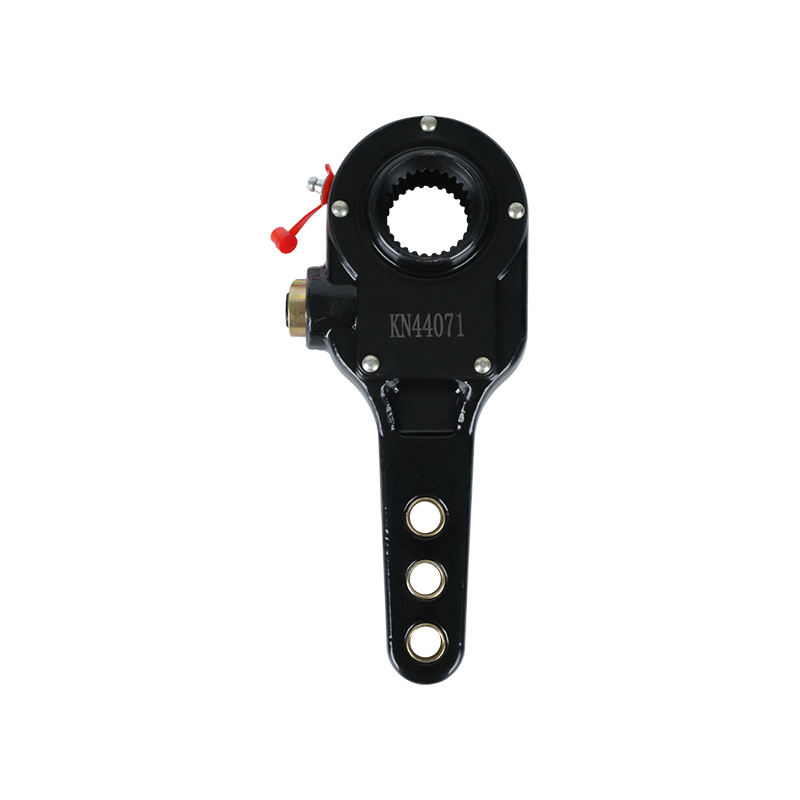
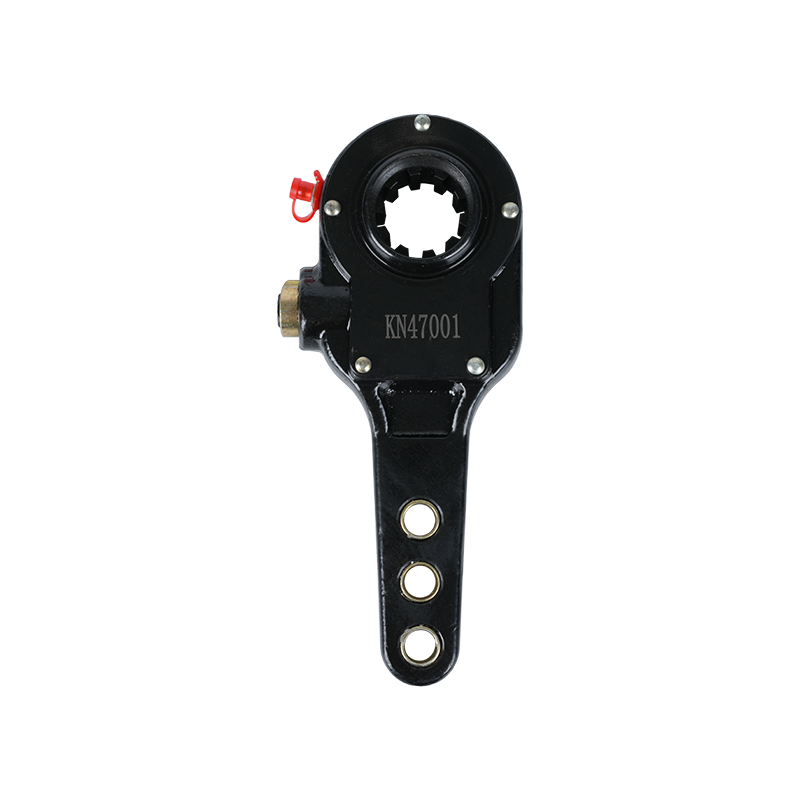
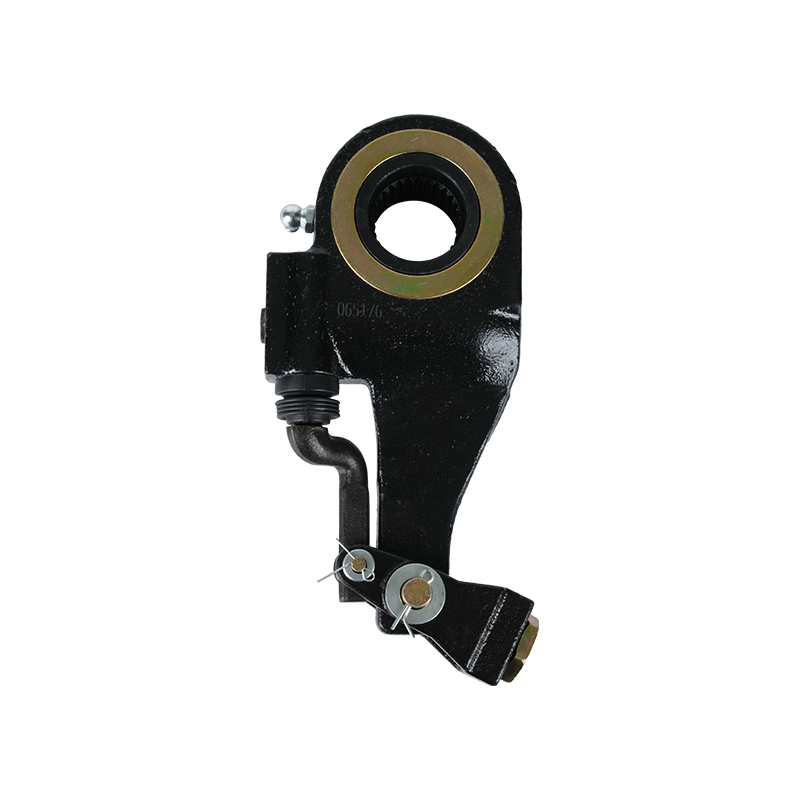
A slack adjuster turns chamber force into S-cam rotation, and it only works while the shoe-to-drum gap stays inside a narrow window. Once the pushrod runs past its rated stroke, the chamber's force curve collapses, stopping distance grows and heat climbs. The check takes two minutes; the failure it prevents is measured in metres. The arms themselves come in several forms — the slack adjuster options built for heavy trucks, trailers and semi-trailers differ in structure — but the test procedure below is the same for all of them.
Before touching the truck, know the number you are measuring against. The pass/fail limit comes from the brake chamber and the foundation brake type, not from the arm. Clamp-type and bolt-type brakes are judged differently, and a long-stroke chamber changes the figure again.
| Chamber type | Clamp-type brake | Bolt-type brake |
|---|---|---|
| Type 9 / 12 | 1 3/8 in. (35 mm) | 1 3/8 in. (35 mm) |
| Type 16 / 20 | 1 3/4 in. (45 mm) | 2 in. (51 mm) |
| Type 24 | 1 3/4 in. (45 mm) | 2 in. (51 mm) |
| Type 30 | 2 in. (51 mm) | 2 1/2 in. (64 mm) |
| Type 36 | 2 1/4 in. (57 mm) | 2 3/4 in. (70 mm) |
Reference limits in common use for out-of-service decisions; confirm them against the current inspection criteria and the chamber manufacturer's data, especially for long-stroke chambers.
If the chamber is the part that keeps failing on a particular axle, the problem is usually upstream of the adjuster. Matching the
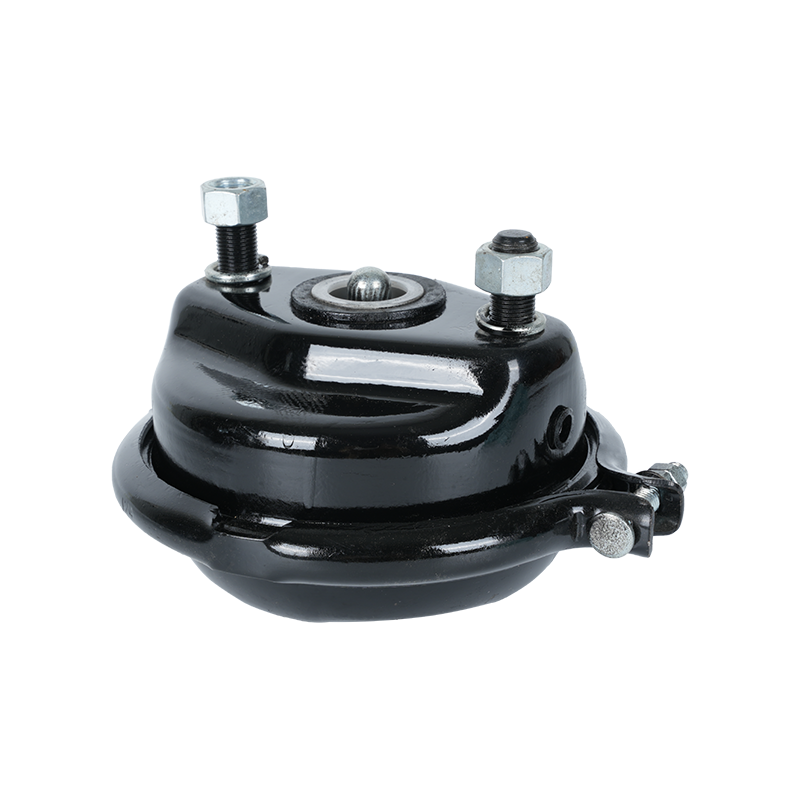 Brake Chambers for Heavy-Duty Truck and Trailer SystemsReview brake chamber listings when repeated chamber failures lead upstream; verify push-rod and arm length if stroke drift appears.View Product →
to the arm length is the first thing to verify when strokes drift.
1 in. (25 mm) — the most pushrod movement you should feel by hand at 90-100 psi
Grip the slack adjuster body with one hand and pull it firmly toward the chamber. If the pushrod travels more than about an inch before resistance stops you, the brake has too much free travel: the arm is out of adjustment, the linkage is worn, or the chamber is on its way out. The test needs no tools, which is exactly why it is done badly — pulling on a pressurised or locked system, or yanking hard enough to load the internal clutch, tells you nothing.
It is also a condition test, not an adjustment method. An automatic arm should hold its setting; if it walks past the pull limit, the cause is usually a worn clevis, a stretched chamber or a damaged clutch inside the arm rather than a setting that mysteriously drifted.
An automatic arm that has been "helped" by hand at the roadside is a common source of repeat comebacks. Most makers specify that automatic adjusters are set only during installation; afterwards they look after themselves, and a hand adjustment hides a worn component instead of fixing it.
A pass means the internal clutch holds the setting and the linkage is tight. Two or three full brake applications should leave the stroke stable. If stroke grows again within a week, inspect the chamber pushrod, the S-cam bushings and the installed angle of the arm before blaming the arm itself.
A manual arm gives you a second chance: if the pull test shows excess travel, adjust it, re-measure and record the reading. If the same wheel is out again by the end of the week, stop adjusting and start investigating — a manual adjuster used as a compensator for wear is how drums crack and shoes glaze.
Locking designs shift the question slightly. On a lock-plate or locking-sleeve arm the setting is mechanically held after adjustment, so the check is whether the lock still does its job; the locking mechanism explained here shows what to look at.
Where automatic adjustment is the goal, matching the
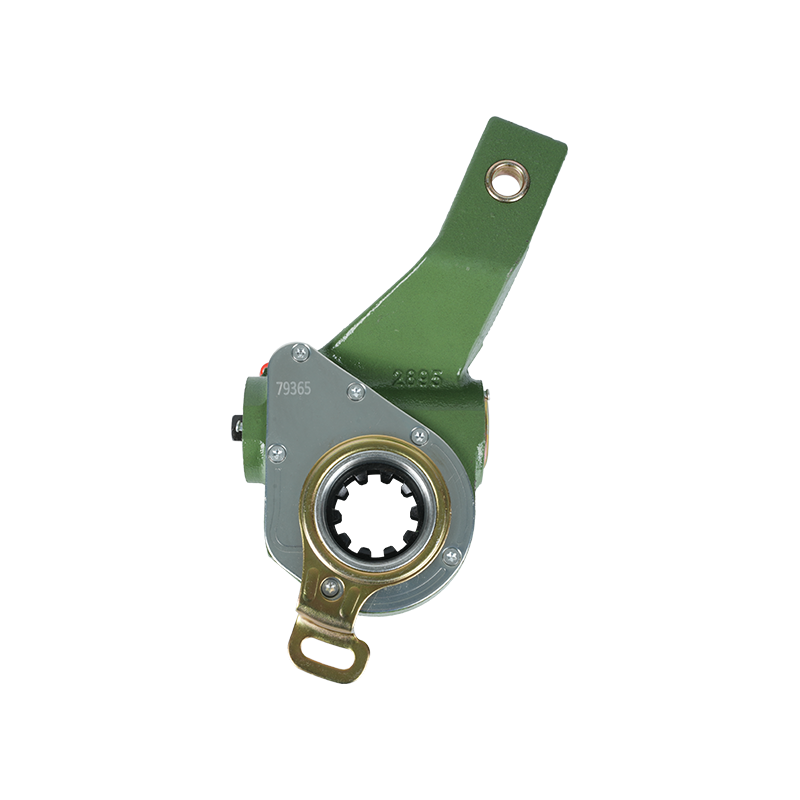 Automatic Slack Adjusters for Heavy-Duty Brake SystemsBrowse automatic slack adjusters designed to maintain brake clearance and support real-time adjustment; match the unit to axle specification before fitting.View Product →
to the axle specification matters more than any roadside tweak.
Most "failed" adjusters are reporting someone else's problem. The pattern below covers the cases that come up again and again in workshops and roadside inspections.
| What you see | What it usually means | What to do |
|---|---|---|
| Stroke over the limit right after adjustment | Worn S-cam bushings, a stretched chamber or a bent pushrod | Replace the worn linkage first — an arm cannot recover travel the brake has already lost. |
| Automatic arm keeps re-adjusting and the drum runs hot | Wrong installed angle, or set up while the chamber was partly applied | Reinstall to the maker's procedure, check the arm angle at mid-stroke and re-measure. |
| Free play at the clevis with the brake released | Worn clevis pin or an elongated yoke | Fit a new pin and bushing, then repeat the pull test and the stroke measurement. |
| Two wheels on one axle read very different strokes | Mismatched arm length or chamber size | Verify part numbers against the axle specification, not against the part you removed. |
A check is only worth the record it leaves. Six items cover almost every comeback:
Manual arms need a wrench and a written figure at every service, which is why fleets that run high mileages tend to move toward self-adjusting designs. Where that route is chosen, the
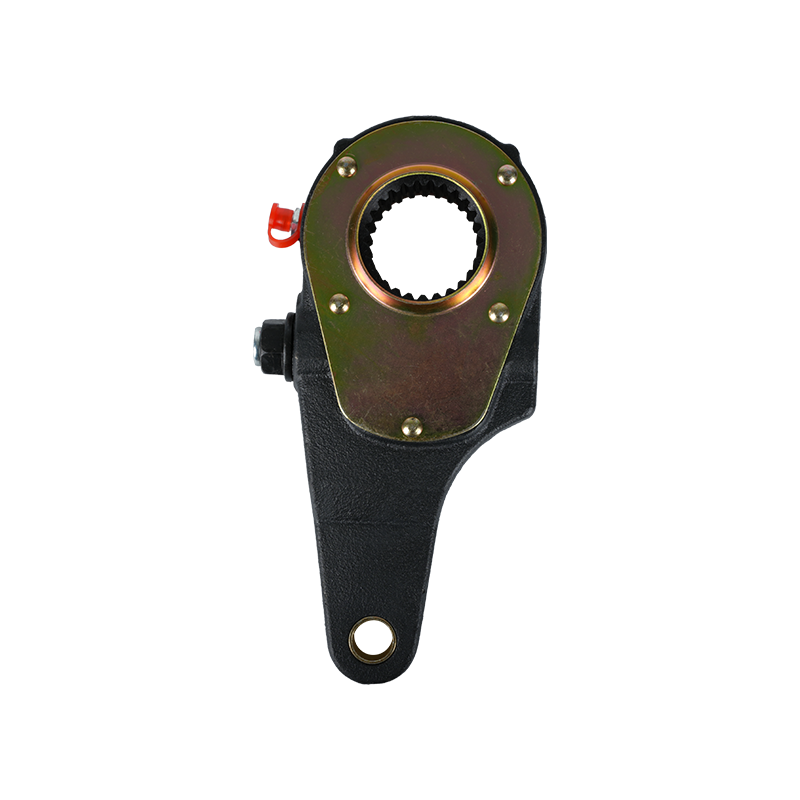 Manual Slack Adjusters for Truck and Trailer BrakesBrowse manual slack adjuster listings for heavy-duty truck and trailer applications; verify axle fit and avoid mixing manual and automatic units.View Product →
and its automatic counterpart should never be mixed on the same axle.
Air brake work punishes shortcuts. Chock the wheels before you release the parking brake, and never rely on the air system alone to hold a vehicle on a slope. Keep hands and arms clear of the S-cam and the chamber clamp ring while a second person applies the brake.
Release all air pressure before opening any chamber connection — a spring brake chamber contains a compressed spring that can cause fatal injury. Treat a slack adjuster as a component under load, not as a step, a lever or a lifting point, and replace rather than repair any arm with a cracked housing or a bent body.


 English
 中文简体
 русский
 عربى
