


 (+86)-137 5851 1881
(+86)-137 5851 1881
(+86)-137 5851 1881



Content
Picture this: a technician at a trailer yard finds a long push-rod stroke, reaches for a 7/16-inch wrench, and turns the adjusting bolt on an automatic slack adjuster until the brake feels tight. An hour later the wheel is smoking on the highway. That scenario is common enough that knowing what you are doing before you turn anything matters as much as the turn itself. If you have to ask how to adjust an automatic slack adjuster, the safest first answer is: do not treat it like a manual adjuster in ordinary service. Automatic slack adjusters are engineered to maintain brake stroke by themselves during normal forward braking. Manual turning is an emergency fallback, not a routine service step. Forcing the worm gear repeatedly can damage the one-way clutch, which shows up later as brakes that over-tighten when you reverse or that never adjust at all. So check the push-rod stroke first, limit manual adjustment to a temporary relief, and replace the unit if it cannot hold its adjustment.
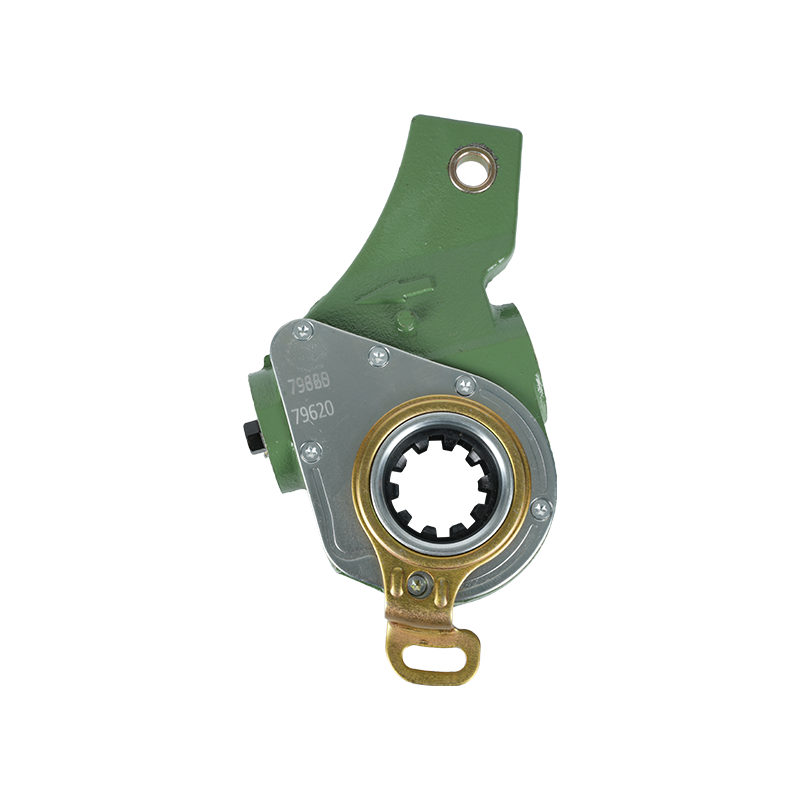
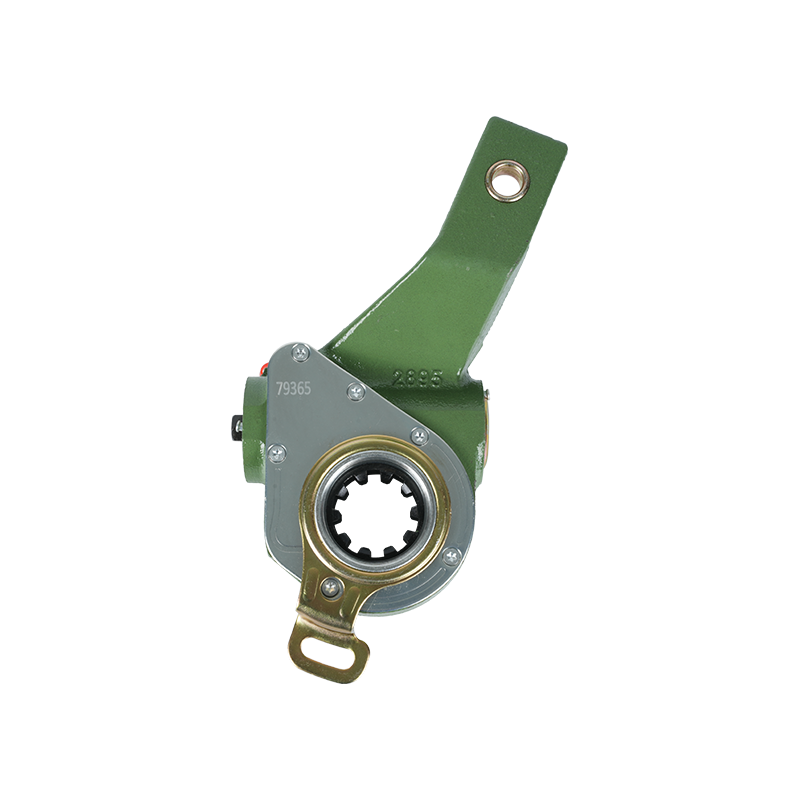 Automatic Slack Adjuster with Precision Clutch and Self-AdjustmentThis automatic slack adjuster uses a one-way clutch to maintain proper brake stroke during normal forward braking, preventing over-tightening. Review its design before considering manual adjustment to avoid damaging internal components.View Product →
Automatic slack adjusters use a one-way clutch inside the worm shaft. During a forward brake application, the adjuster senses when the push-rod stroke becomes too long, then takes up a small amount of clearance. When the brake is released, the clutch prevents over-tightening. If you rotate the adjusting hex manually, you are acting ahead of that clutch. Some designs honor the manual turn; others fight it. In either case, the internal wear pattern changes and the adjuster may over-adjust or fail.
The reason is mechanical. The adjuster contains a gear train that allows a ratchet to take up slack only when the stroke exceeds a threshold. The same gear train prevents the slack from being pulled in when the brake is released. When you turn the worm shaft by hand, you bypass the feeler lever that measures stroke. Some automatic adjusters have a manual back-off provision for service, but that provision is for releasing the brake, not for setting the final stroke. Using it as a daily adjustment method will eventually round off internal splines and cost you a complete replacement.
That is why the correct “adjustment” for an automatic unit is a stroke check, not a wrench. Manual slack adjusters, by contrast, are designed for periodic turns. If you need to compare the two types before deciding what to stock or install, look at the slack-adjuster product range for automatic, manual, double-spring, and lock-plate designs.
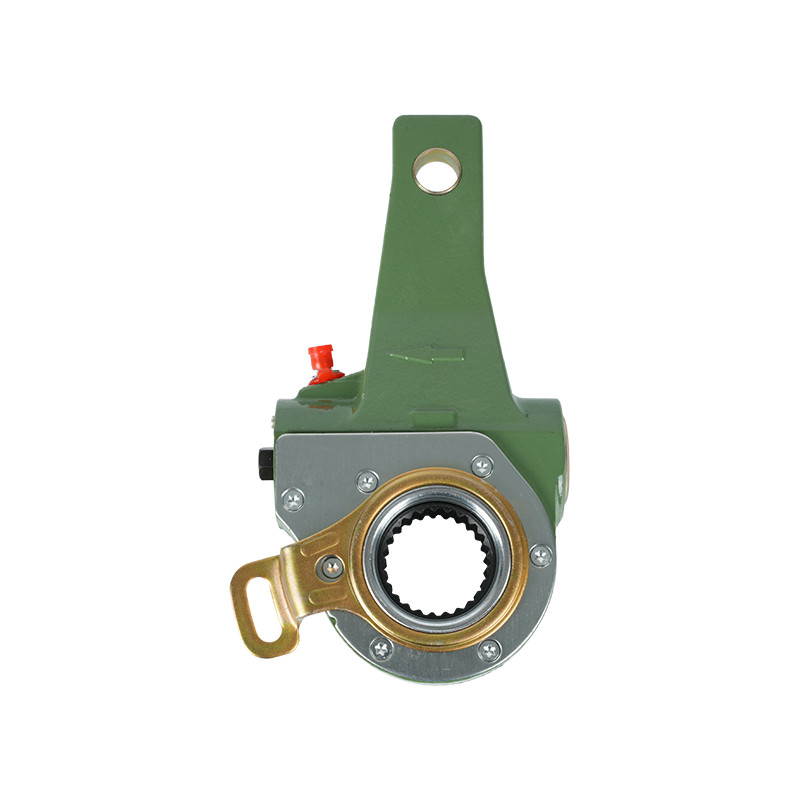
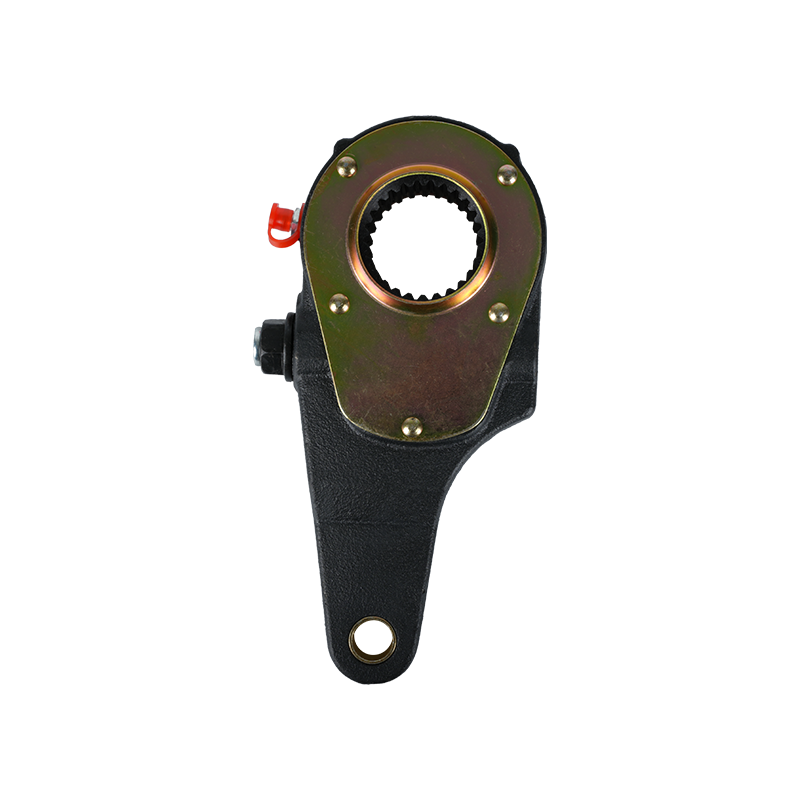 Manual Slack Adjuster for Reliable Periodic Brake AdjustmentDesigned for routine manual turns, this manual slack adjuster offers precise worm-gear control for brake gap maintenance. Compare it with automatic types to decide which suits your maintenance practices and vehicle requirements.View Product →
Use this sequence only when the brake is dangerously out of stroke and the vehicle has to be moved to a shop. You will need the correct wrench or socket, a ruler or stroke gauge, and a helper to apply and release the brakes while you watch the push rod.
Keep in mind that many OEMs state that the only acceptable manual adjustment of an automatic slack adjuster is initial installation setup or a back-off when replacing brake shoes. Outside of those cases, repeated manual adjustment is the clearest signal that the component has failed.
A stroke of 2 inches (50 mm) at 90 psi is the line between “needs attention” and “do not move the truck.”
Push-rod stroke is measured at the center of the push rod where it exits the brake chamber. At the release position, mark the rod with chalk. Then apply full system pressure and hold it for at least 30 seconds. Measure the distance between the chalk mark and the chamber face. That number—not the torque on the adjusting bolt—tells you whether the foundation brake is within specification.
The number matters more than the feel of a wrench. A correctly adjusted S-cam brake on a standard 30-inch chamber often runs between 1-3/8 and 1-5/8 inches of stroke, and the legal maximum is commonly 2 inches. If your gauge says 2 inches or more, the brake is out of adjustment regardless of any manual “tidying.” Use the data, not the difficulty of the turn. If a unit needs emergency manual adjustment more than once, replace it.
| Symptom | Likely cause | Correct action |
|---|---|---|
| Stroke still long after turning the adjuster | Worn or damaged internal clutch | Replace the automatic slack adjuster |
| Brakes drag after manual adjustment | Over-tightening or seized clevis | Back off half a turn and check clevis pin movement |
| One wheel adjusts too often | Wrong adjuster for the brake chamber | Compare part number and buy the correct size |
| Adjuster is rusty or refuses to turn | Corrosion or missing dust boot | Replace the adjuster; do not apply heat or force |
These responses assume the brake itself, camshaft, and chamber are in good condition. Always confirm with the vehicle OEM specification.
Automatic slack adjusters are dependable when they are matched to the correct brake chamber, installed with the right clevis length, and left in place. Most failures come from contamination and from technicians who treat them as manual units. These six habits will eliminate most of those failures.
For more day-to-day care, see our maintenance guide for the double-spring slack adjuster.
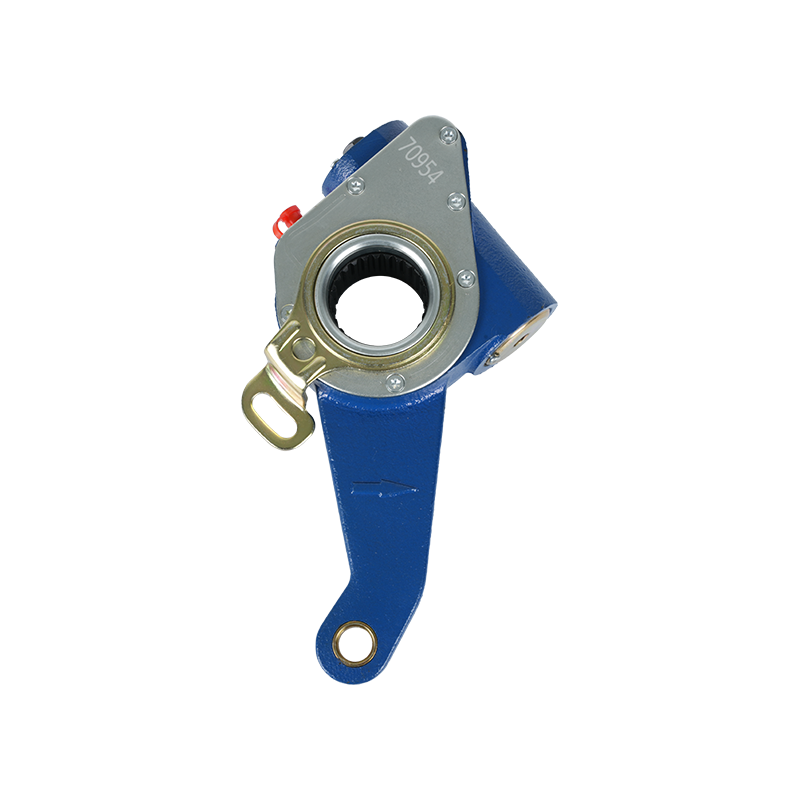
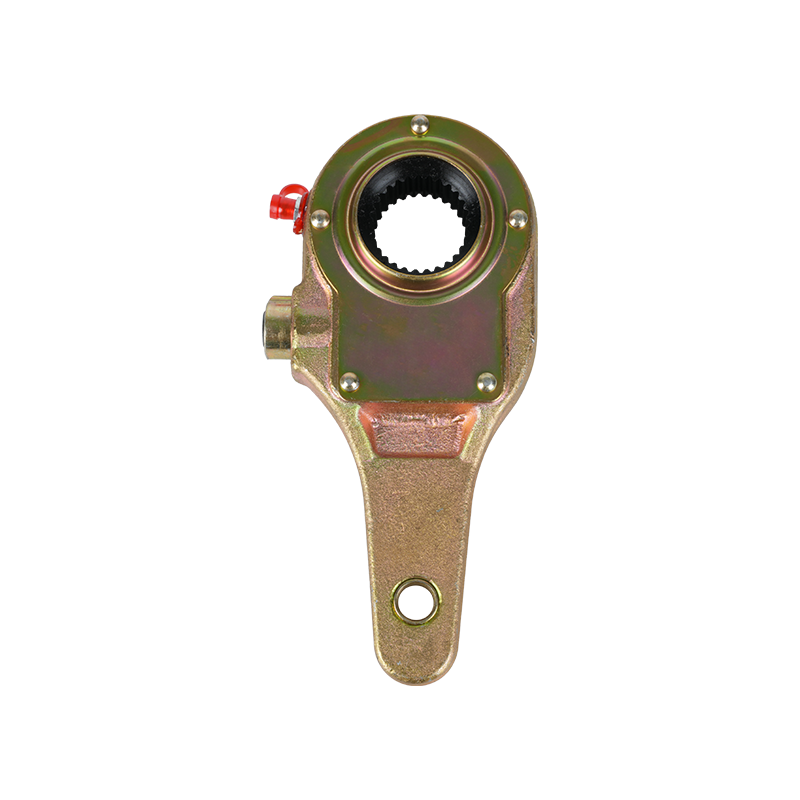 Double Spring Slack Adjuster with Dual-Pin Automatic AdjustmentThis double spring slack adjuster automatically compensates for brake wear using two independent spring-and-pin mechanisms, ensuring consistent braking force. Ideal for heavy trucks and trailers seeking reduced maintenance and enhanced safety.View Product →
An automatic slack adjuster is a precision component, not a bolt to be tightened by feel. Before you reach for a wrench, remember these rules.
Release all stored air pressure. Cage spring brakes if the vehicle has them. Never hammer the adjuster, never use a cheater bar, and never turn the adjusting bolt while the wheel is spinning. If the brake stroke is still above the legal limit after two or three turns, stop. The internal mechanism is already damaged, and no amount of manual adjusting will make it reliable again. In that situation, replacement is the correct repair. A temporary manual adjustment is only meant to get the vehicle to a shop—it should never become your long-term solution. The cost of a replacement adjuster is far lower than the cost of a roadside brake fire or an out-of-service citation.



 English
 中文简体
中文简体 русский
 عربى
عربى