


 (+86)-137 5851 1881
(+86)-137 5851 1881
(+86)-137 5851 1881



Content
The goal of this comparison is not to declare a single “best” for every vehicle. Instead, we want to help you understand how stroke length affects braking force, service intervals, and regulatory inspection so that you can decide with confidence.
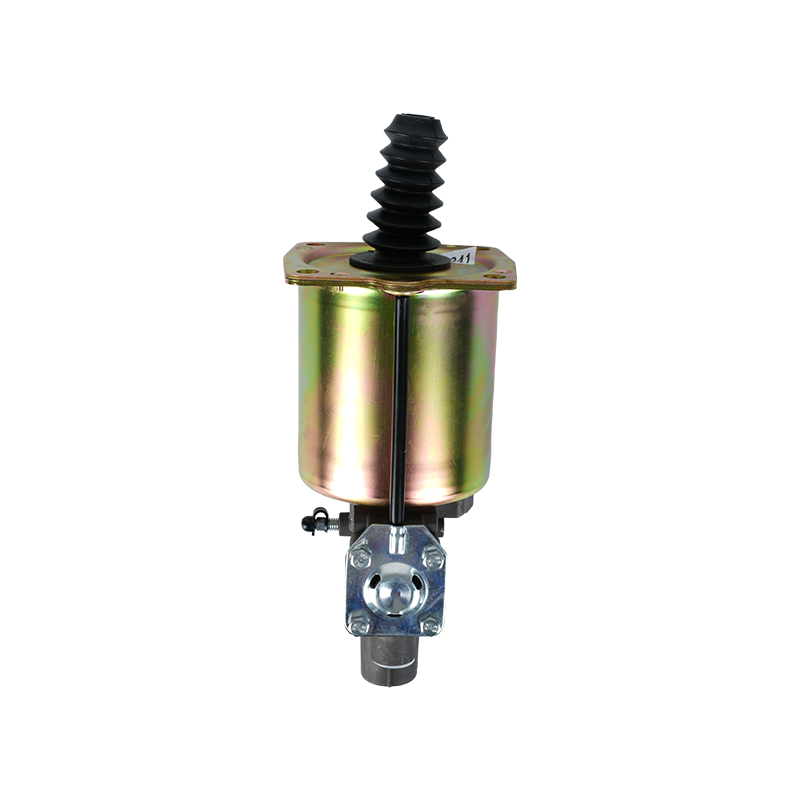
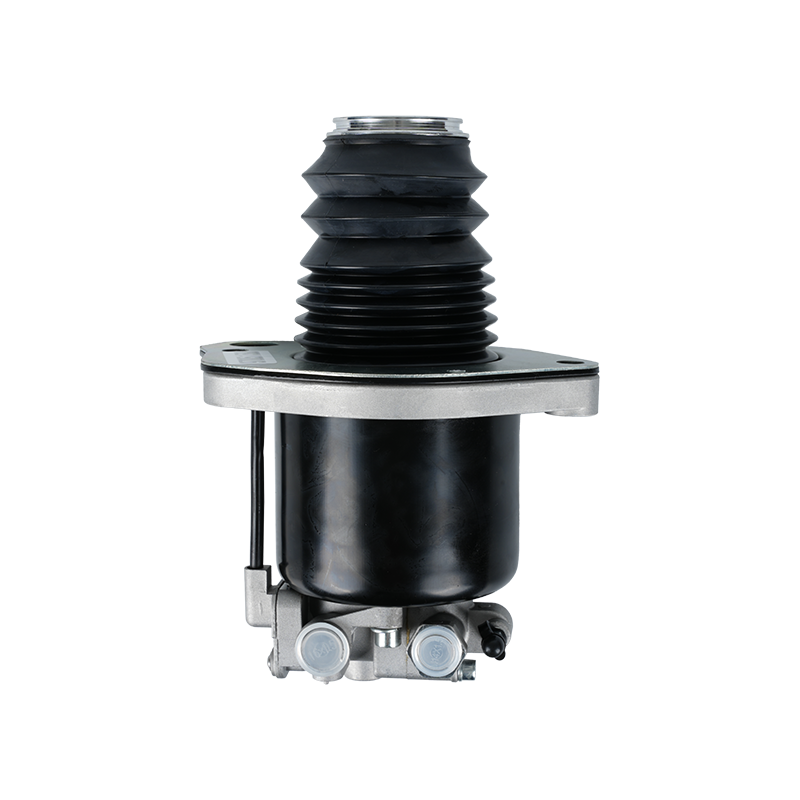
Brake chambers are rated by size and stroke. The table below outlines the practical distinctions that matter most in purchasing and daily maintenance.
| Parameter | Short Stroke | Long Stroke |
|---|---|---|
| Typical max stroke (Type 30) | 2.5 in (64 mm) | 3.0 in (76 mm) |
| Reserve travel | Smaller | Larger |
| Adjustment frequency | More frequent | Less frequent |
| Typical vehicle fit | Lighter trucks, older trailers | Heavy trucks, modern trailers |
| Brake fade risk | Higher after lining wear | Lower with proper adjustment |
Values are common references for Type 30 chambers; always verify the data plate or OEM specification for your exact application.
A long stroke chamber adds about 0.5 inch of usable travel before you hit the maximum allowable pushrod stroke.
That extra half inch is where the real cost benefit appears. During a normal service brake application, the pushrod extends as the brake linings wear. Once stroke reaches the legal limit—commonly 2.5 inches for a Type 30 short stroke and 3.0 inches for a long stroke—the vehicle will fail a roadside inspection. With a short stroke chamber, you cross that line sooner and need to adjust or replace components more often.
Before ordering a replacement, confirm the current chamber type and measure the actual stroke. These four steps keep you from buying the wrong unit.
If the stroke reading is close to the limit after a fresh brake adjustment, the air chamber may not be the only issue. Inspect the slack adjuster and brake shoes as well.
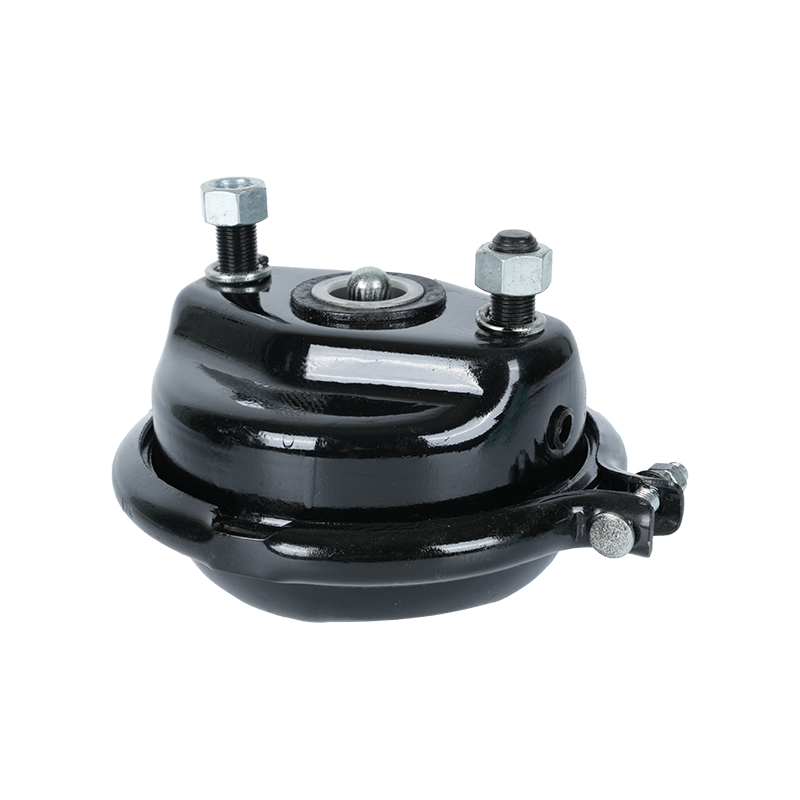 Brake Chamber Manufacturers for Reliable Air Brake SystemsThis listing covers brake chamber suppliers with a focus on quality management and global export. It helps you compare options when stroke readings indicate possible chamber issues.View Product →
Most out-of-adjustment violations are avoided with a simple habit: check pushrod stroke during every preventive maintenance interval. For a long stroke chamber, a reading near the upper limit is a sign of lining wear or incorrect base brake adjustment, not an excuse to delay service.
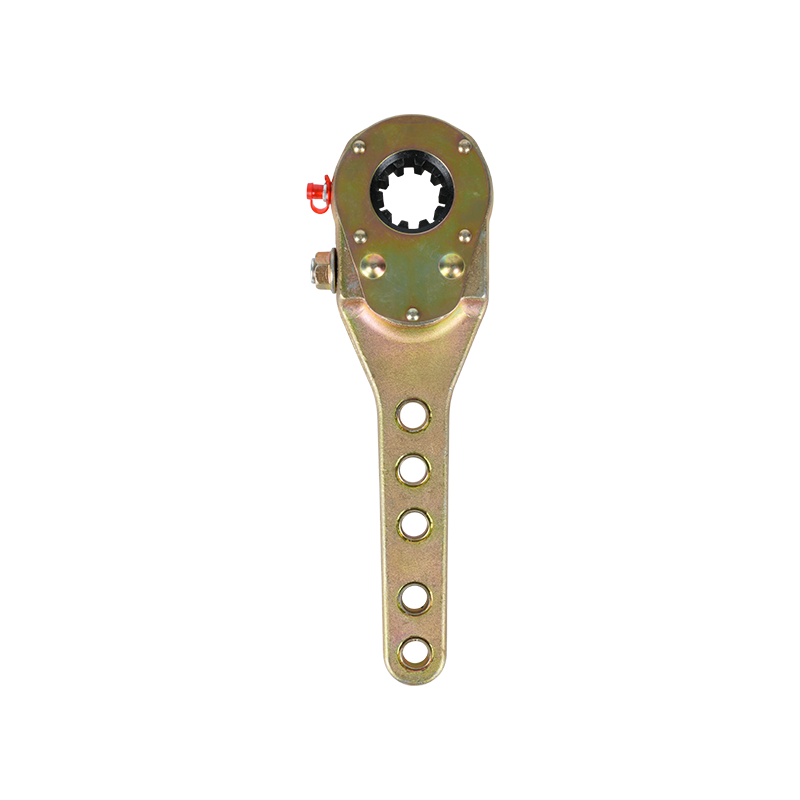
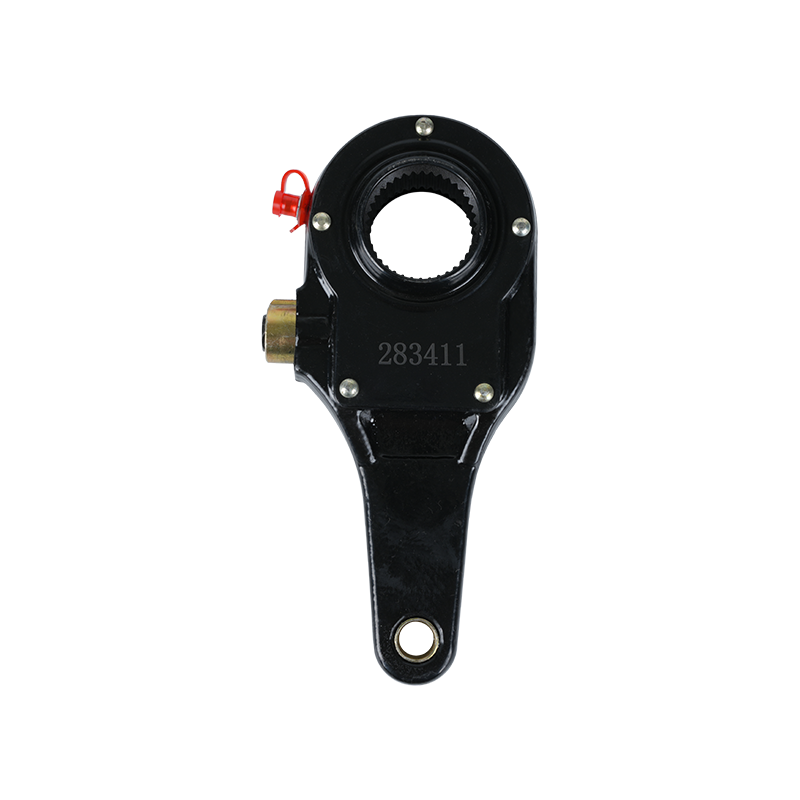
Another important area is the automatic slack adjuster. The adjuster is responsible for keeping the stroke within the working range. If the stroke climbs steadily, repair or replace the adjuster rather than simply installing a new chamber. Why automatic adjustment matters in heavy truck braking systems explains this in detail.
Many replacement jobs fail because of one of these three errors. Compare the wrong approach with the right one.
| Mistake | Why It Causes Trouble | Solution |
|---|---|---|
| Assuming all Type 30 chambers are the same | Short and long stroke versions have different clamp styles and stroke limits. | Confirm the stroke rating before installation. |
| Ignoring the slack adjuster condition | A faulty adjuster causes premature chamber stroke growth. | Inspect or replace the automatic slack adjuster together with the chamber. |
| Choosing short stroke to save money | Higher adjustment frequency and inspection risk often offset the lower part price. | Evaluate lifetime cost, not just purchase price. |
Use this table as a checklist before you order a replacement brake chamber.
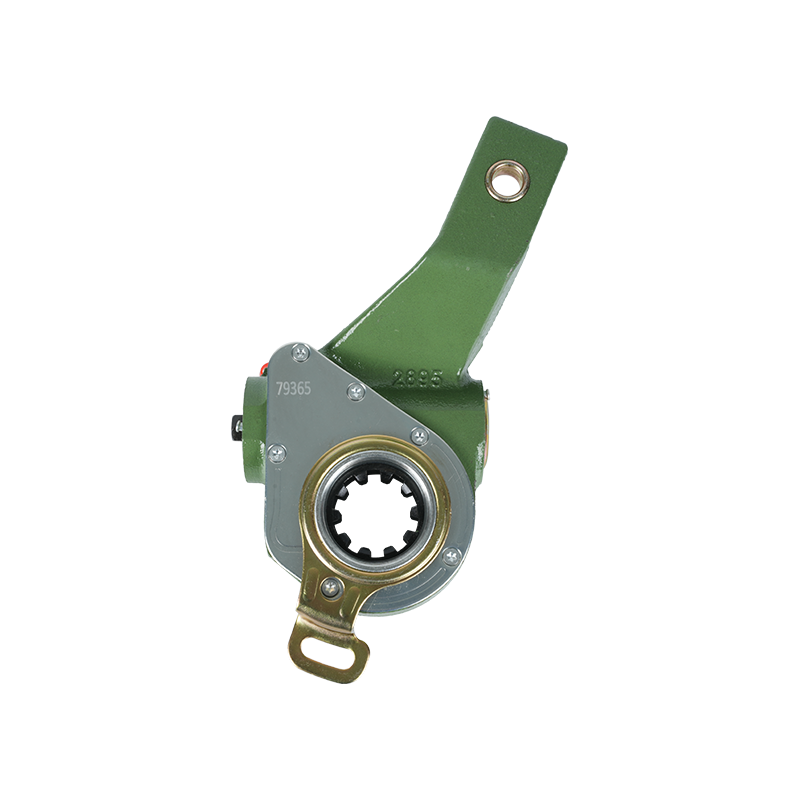 Automatic Slack Adjuster Manufacturers with Precise AdjustmentThis page highlights automatic slack adjusters designed for easy assembly and consistent gap control, useful when reviewing replacements for maintaining proper brake stroke.View Product →
When you are ready to buy a new brake chamber, run through this list.
A little time spent on these checks reduces the risk of a failed inspection or an unplanned downtime.
Never work on a charged air brake system without first releasing all air pressure. Installation of a brake chamber should be done with the wheels chocked and the parking brakes released. Also remember that the extra stroke of a long stroke chamber does not make it acceptable to run with worn linings; the chamber is not a substitute for correct brake adjustment.
For fleets operating across North America or Europe, check local regulations because stroke limits can vary by jurisdiction. A chamber that passes one inspection may fail another if the allowable stroke is different.



 English
 中文简体
中文简体 русский
 عربى
عربى