


 (+86)-137 5851 1881



Content
A fully loaded truck rolling down a long grade is a good test of brake design. A loaded Class 8 truck can weigh 80,000 pounds, and moving that mass safely requires more than a hydraulic system built for a car. Air brakes are the answer. Instead of pushing hydraulic fluid through lines, a truck uses compressed air stored at about 100 to 120 psi. When the driver touches the brake pedal, air moves from a reservoir tank to a brake chamber at the wheel end. The air pushes a diaphragm, the diaphragm pushes a rod, and that rod rotates a slack adjuster. The rotating slack adjuster turns an S-cam, which presses the brake shoes against the drum. That is the whole answer to how air brakes work on a truck.
Air brakes are standard on heavy trucks, trailers, and buses because they deliver consistent stopping force, tolerate leaks better than hydraulic systems, and fail safe. If air pressure drops too low, mechanical spring brakes apply automatically and bring the vehicle to a stop. Once you understand the compressor, reservoir, brake chamber, and slack adjuster, the rest of the system becomes logical.
You do not need to memorize every fitting and valve, but these six components explain most of the system's behavior:
Most trucks also use spring brake chambers on the rear axle. The parking brake is held off by air pressure while the engine is running; if pressure drops, a powerful spring applies the brake mechanically. This is the fail-safe part of the system.
| Feature | Air brakes | Hydraulic brakes |
|---|---|---|
| Working fluid | Compressed air, 100–120 psi | Brake fluid, often 1,500–2,000 psi |
| How force is made | Diaphragm in brake chamber pushes a rod | Caliper piston or wheel cylinder pushes a pad or shoe |
| If a line leaks | Spring brakes apply when pressure drops | Pressure loss usually means reduced or no braking |
| Typical vehicles | Heavy trucks, trailers, buses | Passenger cars, light trucks |
Air brake systems operate at a lower pressure but use larger chambers and mechanical leverage to produce stopping force.
The sequence below shows how a single service brake application travels from the pedal to the wheel end. The same process happens at every wheel almost instantly.
Air brakes are designed around a 100 to 120 psi working range. If pressure falls to about 60 psi, the low-pressure warning activates and the spring brakes begin to take over.
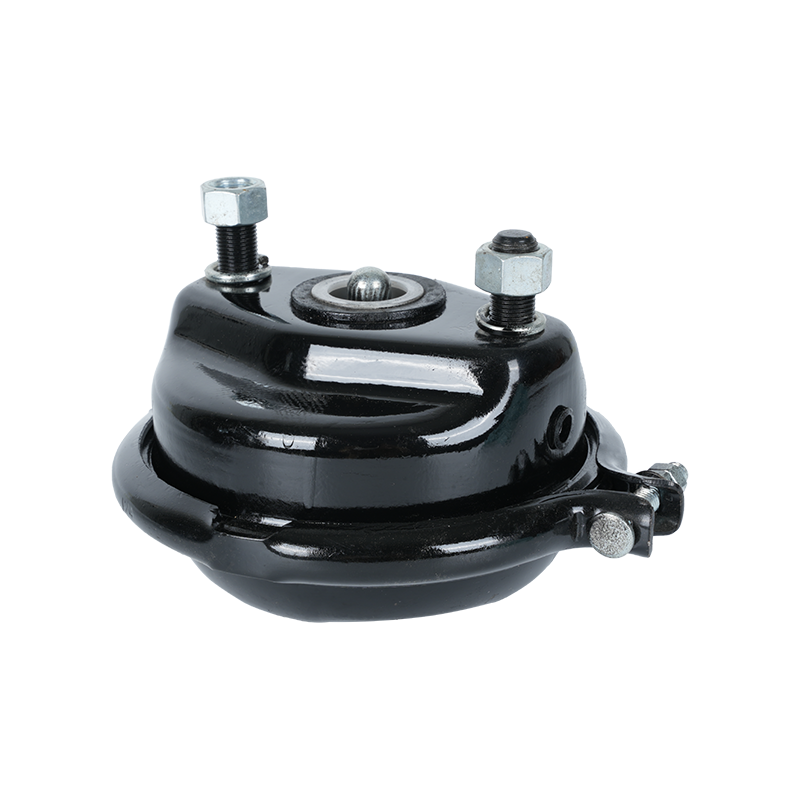
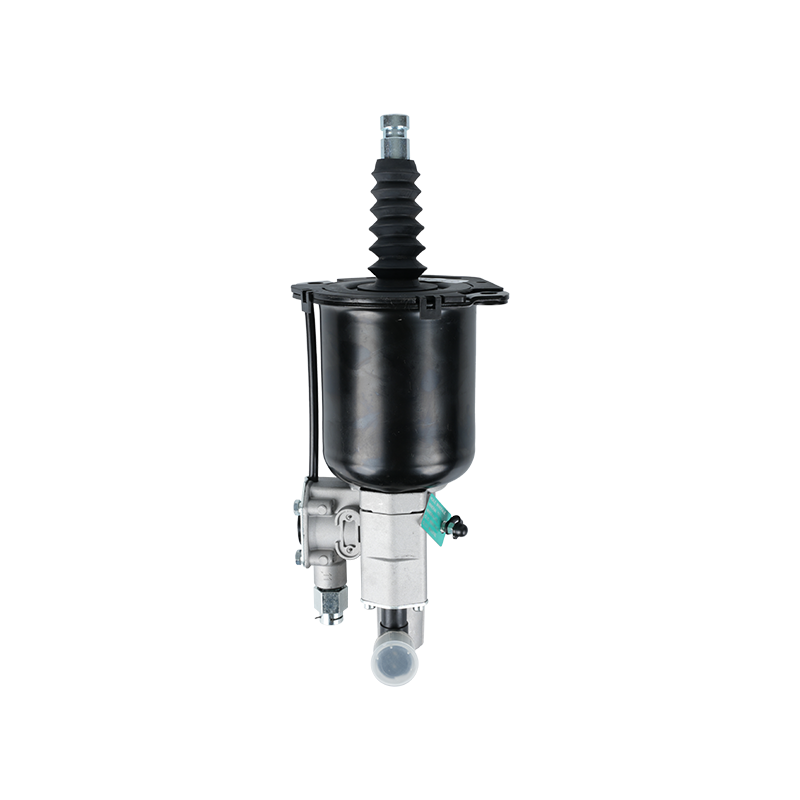
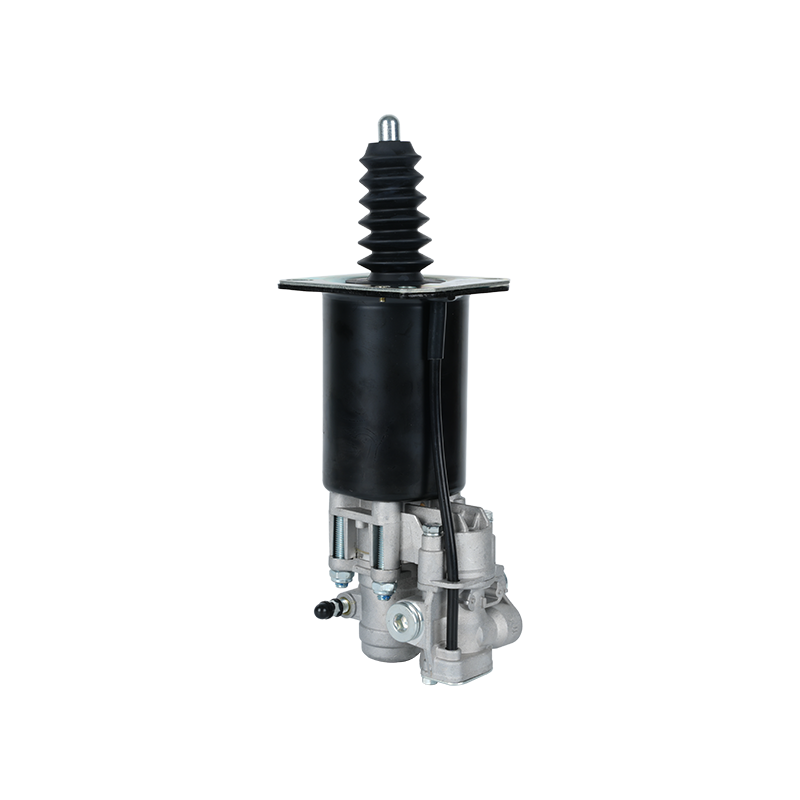
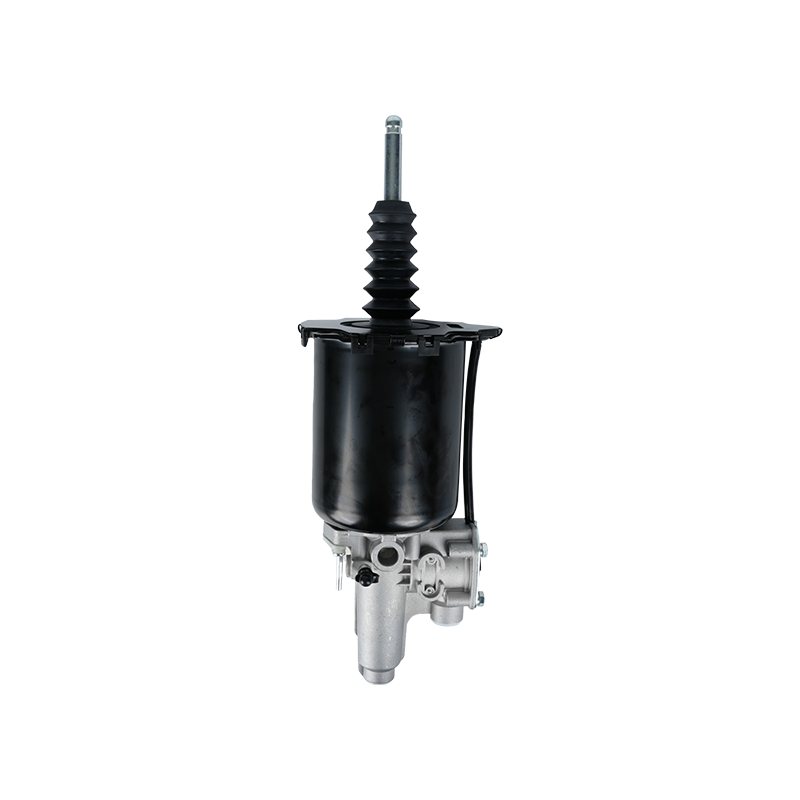
The brake chamber is the muscle of the system. It receives compressed air and converts it into linear motion through a diaphragm and push rod. The stroke of the push rod is an important maintenance signal: if the stroke becomes too long, the brakes may be out of adjustment or the brake shoes may be worn. When replacing a brake chamber, match the mounting type and stroke rating to the original equipment.
 Brake Chamber ManufacturersHow Do Air Brakes Work on Trucks? Air Pressure, Chambers and Slack Adjusters 19 Oct, 2026 How Do Air Brakes Work on Trucks? The Force Path in Plain Terms Compressed ai...View Product →
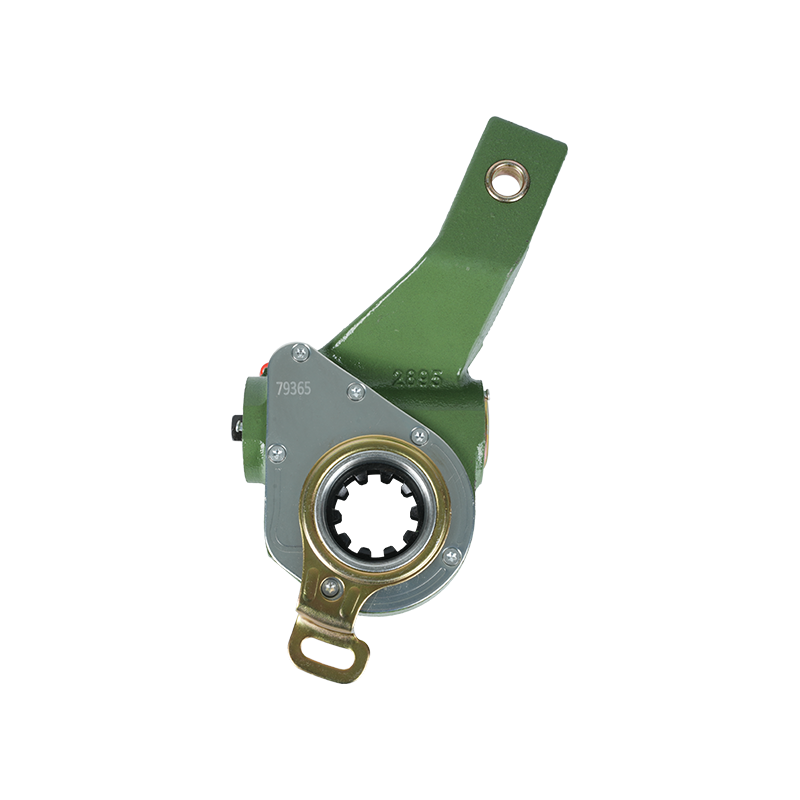
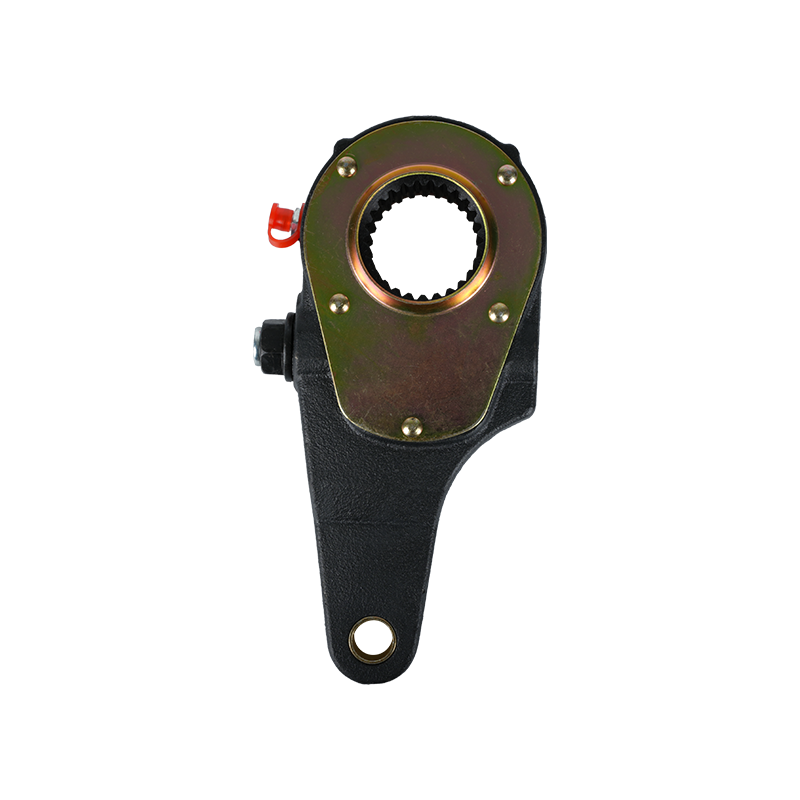
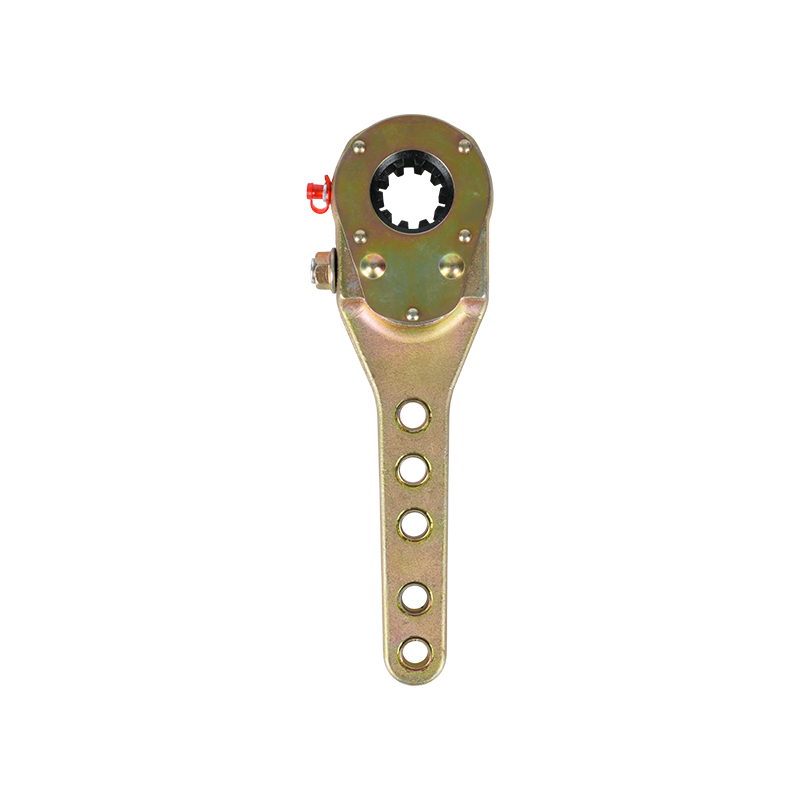
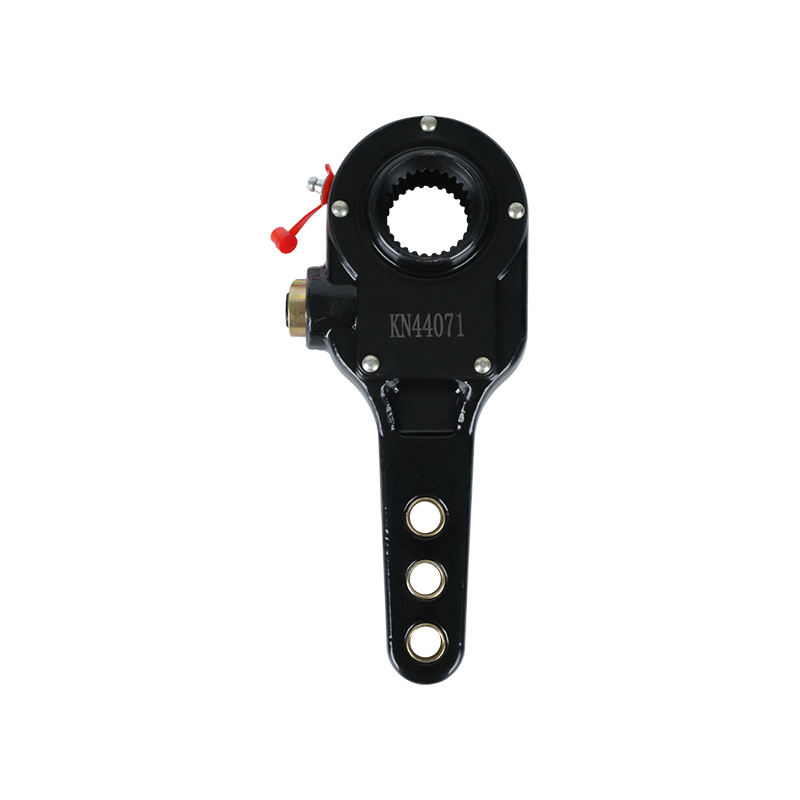
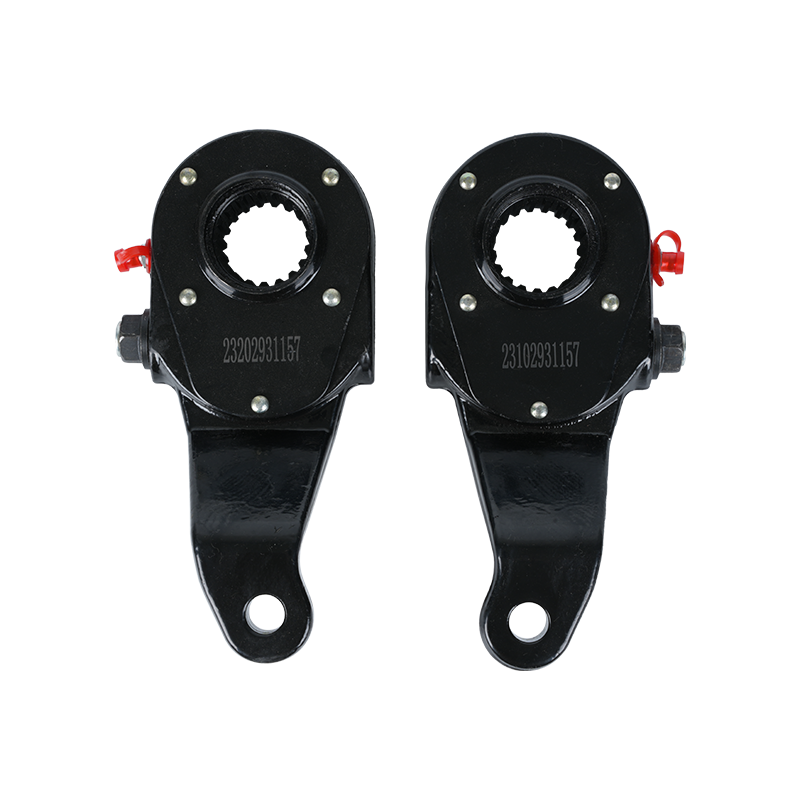
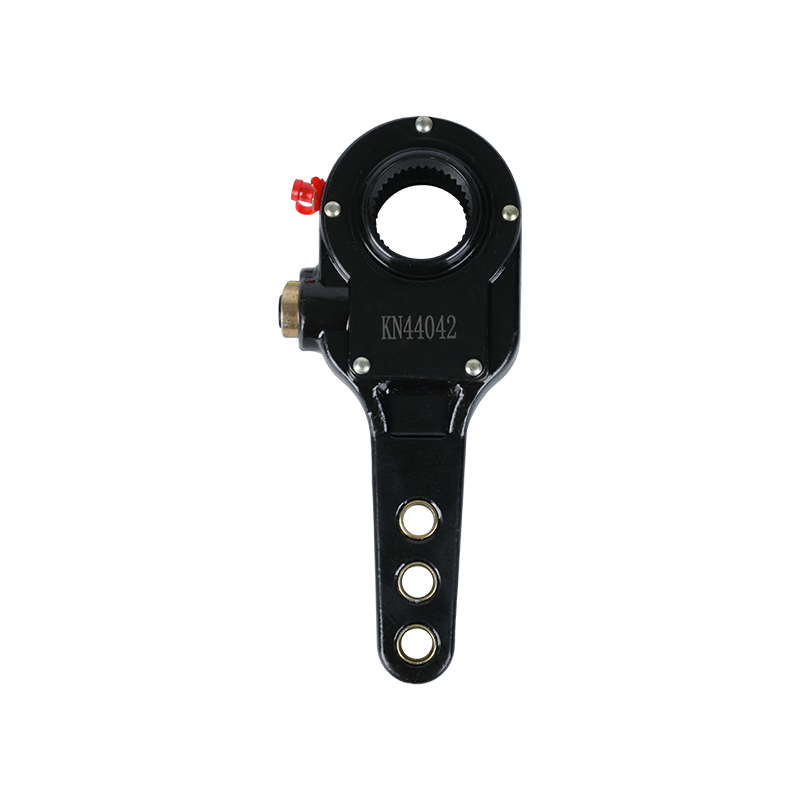
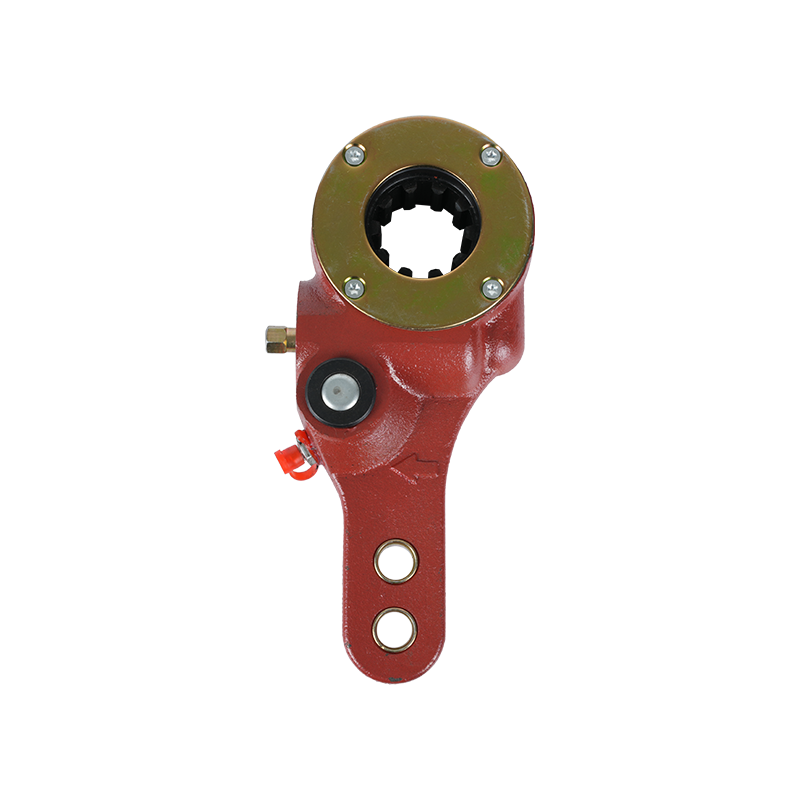
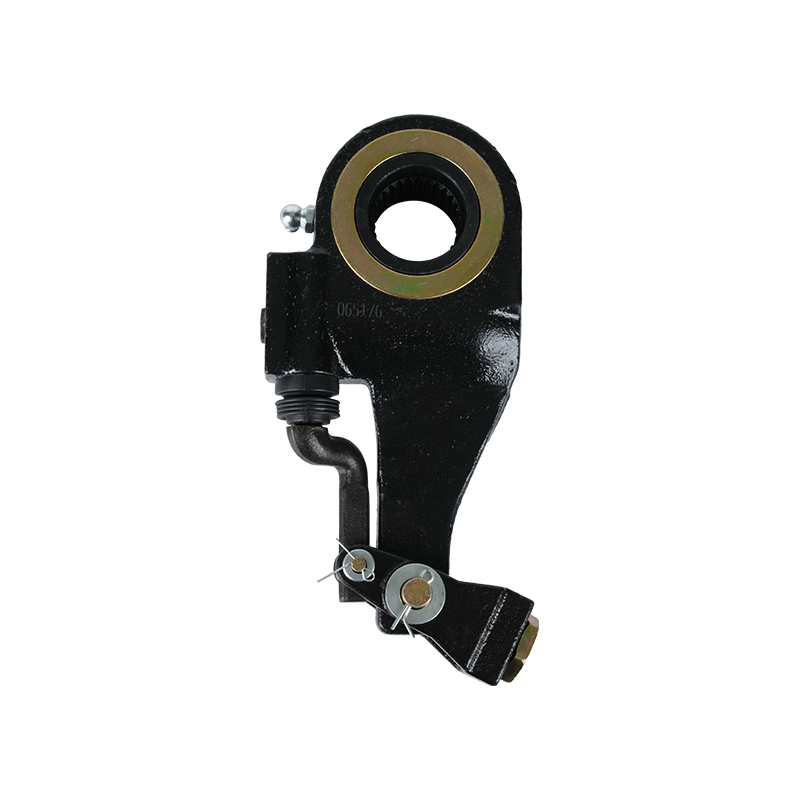
The slack adjuster changes the direction of that linear push and multiplies the force. Its arm length sets the mechanical advantage between the push rod and the S-cam. An automatic slack adjuster keeps the brake shoe clearance within a designed range during normal operation, which reduces the need for manual adjustment. A manual slack adjuster requires a scheduled stroke check and deliberate adjustment, but it gives the maintenance team direct control over the brake gap.
 Automatic Slack Adjuster Manufacturers1. The design of the automatic slack adjuster fully considers the needs of users in the actual assembly process. By adopting advanced structures and mechanisms, the as...View Product →
 Manual Slack Adjuster ManufacturersHow Do Air Brakes Work on Trucks? Air Pressure, Chambers and Slack Adjusters 19 Oct, 2026 How Do Air Brakes Work on Trucks? The Force Path in Plain Terms Compressed ai...View Product →
Pre-trip inspections catch most air brake problems before they become road calls. The list below matches the checks a driver or mechanic can do without removing major parts.
If the low-pressure warning lamp comes on during driving, stop in a safe place before the spring brakes override your control. A small leak can be repaired quickly; a fully engaged spring brake is harder to release.
An air brake system can hold a truck at a stop or slow it from speed, but it is not designed to be held on continuously during a long downgrade. Use lower gear selection, engine braking, or a retarder where available. If you instead ride the service brakes, heat builds up in the drums and the brakes can fade. Large trucks are also fitted with spring brakes for parking and emergency stops; if the air pressure drops below roughly 60 psi, those springs apply on their own. That is what fail-safe means in an air brake system.


 English
 中文简体
 русский
 عربى
