


 (+86)-137 5851 1881
(+86)-137 5851 1881
(+86)-137 5851 1881



Content
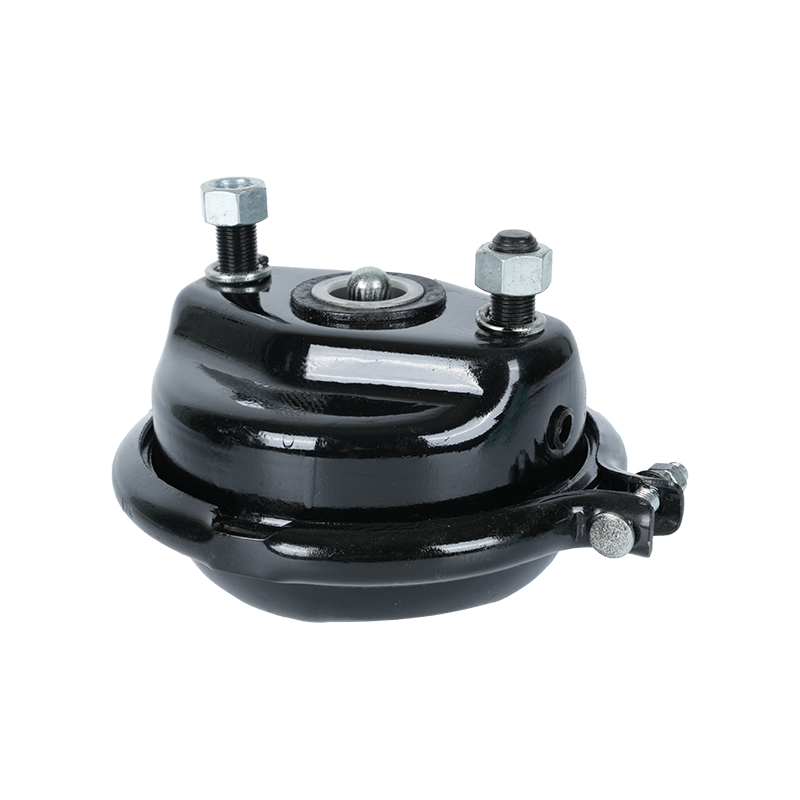
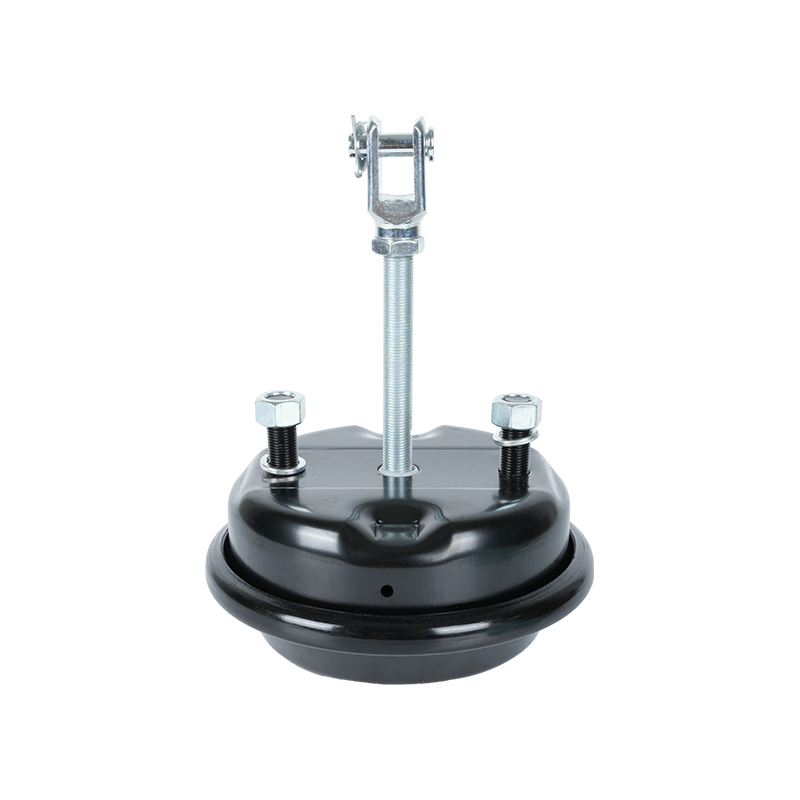
To check slack adjusters, apply the brakes fully and hold them, then measure the pushrod stroke at each brake chamber. The pushrod stroke must not exceed 2 inches (50.8 mm) for most standard brake chambers under a full brake application of 90–100 psi. If the stroke is beyond the legal limit, the slack adjuster needs immediate adjustment or replacement. This is the core check — everything else builds on top of it.
Slack adjusters are the mechanical link between the brake chamber pushrod and the brake camshaft. When they are out of adjustment, your brakes are effectively weaker, your stopping distance increases, and in a roadside inspection, your vehicle can be placed out of service. Understanding how to check them properly — and how often — is critical for any truck driver, fleet mechanic, or owner-operator.
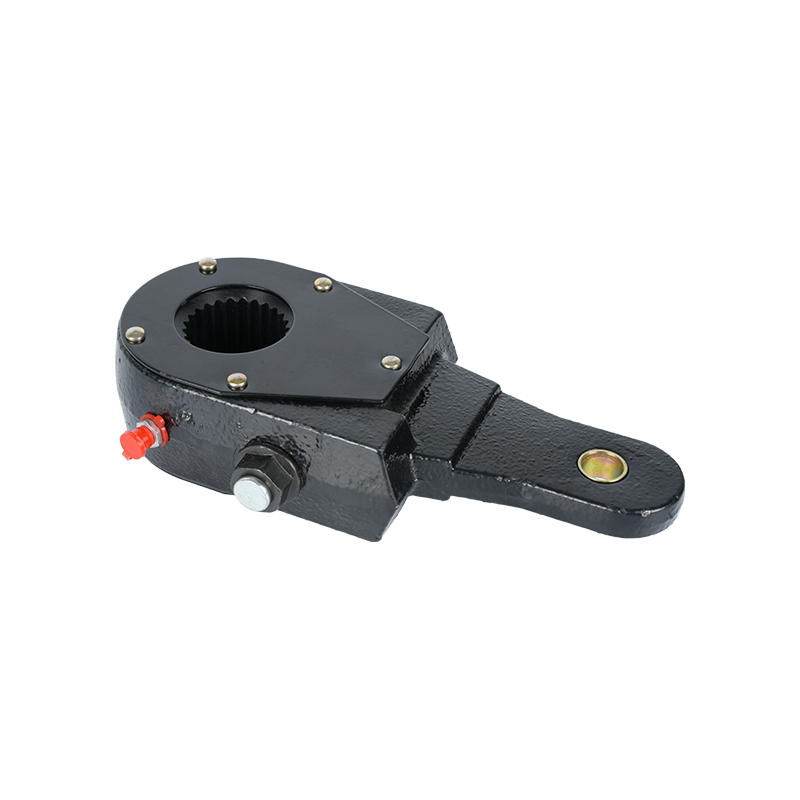
Before jumping into the inspection steps, it helps to understand the role of slack adjusters in the air brake system. As brake linings wear down over time, the distance between the lining and the drum increases. Without compensation, the brake chamber pushrod would need to travel farther to apply the brakes — eventually traveling so far that braking force becomes inadequate or the pushrod exceeds its effective stroke range.
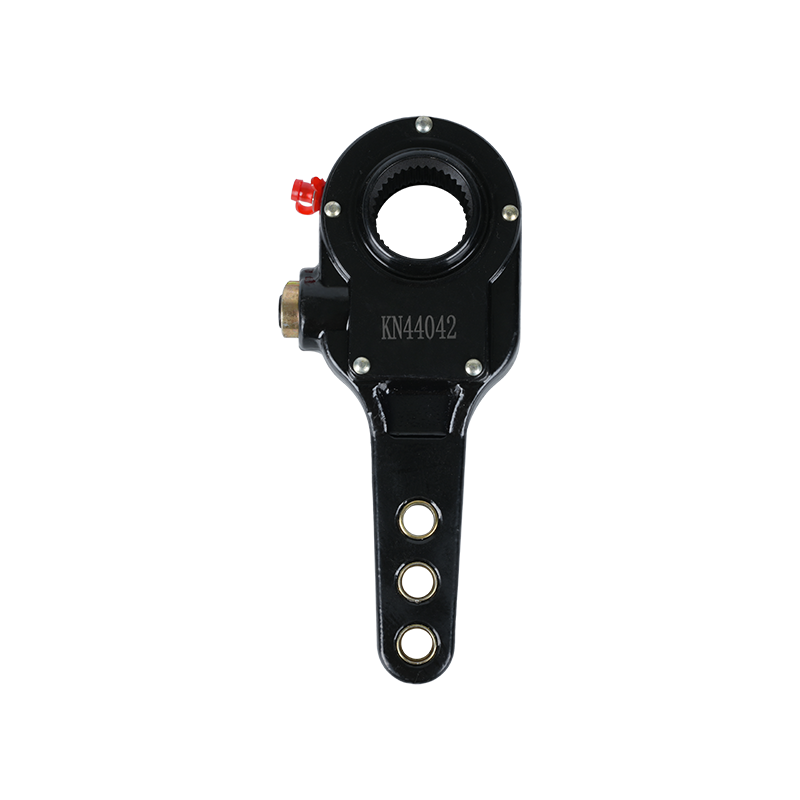
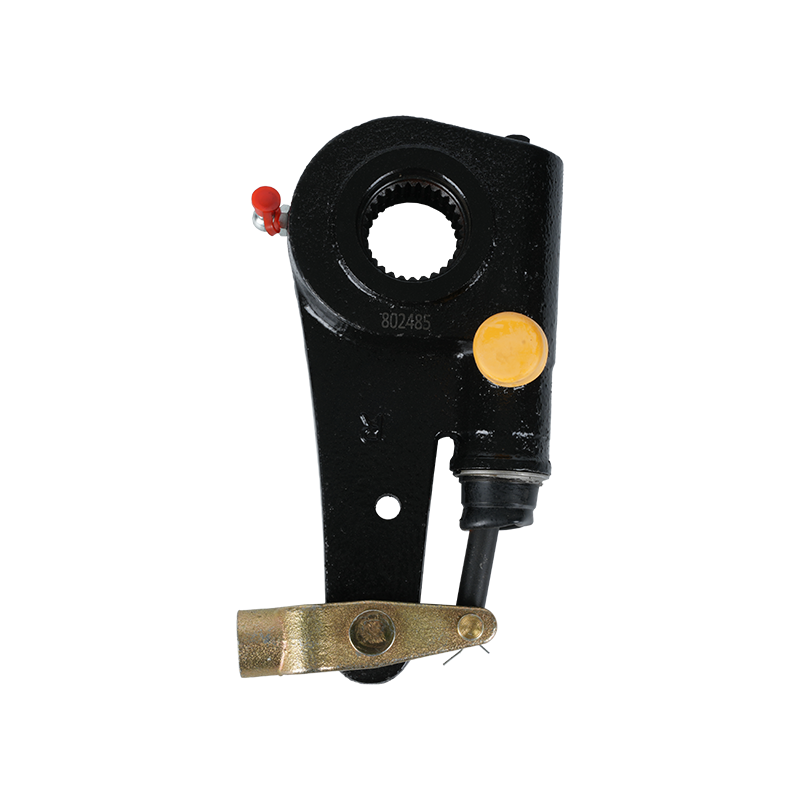
Slack adjusters compensate for this wear. They are essentially a lever arm with a worm gear mechanism that rotates the S-cam (or wedge cam) to keep the brake shoes close enough to the drum for effective braking. There are two main types:
A common and dangerous misconception is that automatic slack adjusters never need to be checked because they adjust themselves. This is wrong. An ASA that is out of adjustment is a sign of a deeper mechanical problem — worn clevis pins, a bad camshaft bushing, a damaged ASA mechanism — and simply re-adjusting it manually is only a temporary patch. The FMCSA and brake manufacturers both emphasize that a properly functioning ASA should maintain correct adjustment, so an out-of-adjustment ASA needs diagnosis, not just re-tightening.
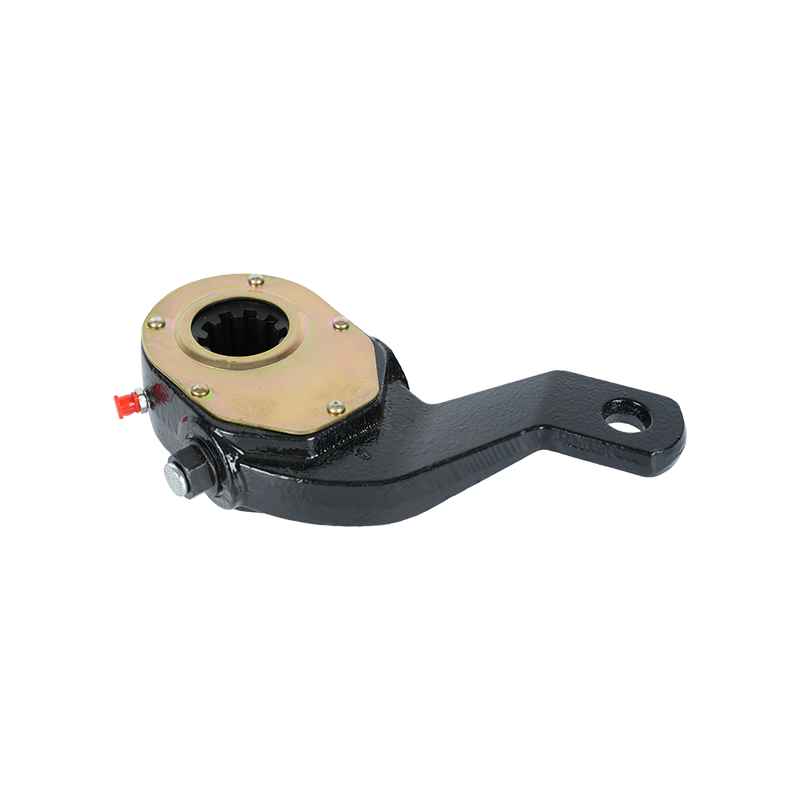
Checking slack adjusters does not require expensive specialized equipment, but you do need the right basics to get accurate, safe measurements.
Always chock the wheels before going under or near the wheels. Even with the parking brake applied, do not rely solely on the brake system to hold the vehicle during inspection.
Start the vehicle and allow the air system to build to full operating pressure. Most air brake systems operate at 100–120 psi, and you need a minimum of 90 psi for a valid pushrod stroke measurement. Testing at low air pressure gives a falsely short stroke reading and can lead you to believe the brakes are properly adjusted when they are not.
With the brakes fully released (no pedal application, parking brake off if safe to do so), use chalk or a paint marker to mark the pushrod right at the face of the brake chamber. This is your zero reference point. Make the mark clearly visible so you can measure accurately after brake application.
Have a second person apply and hold the foot brake at approximately 90 psi, or use a brake application tool if working alone. The brakes must be fully applied and held while you measure — not pumped or partially applied. Partial application will give a shorter stroke reading and a false sense of correct adjustment.
Measure the distance from the face of the brake chamber to your chalk mark. This is the applied pushrod stroke. Compare this measurement against the legal maximum for the brake chamber type and size on your vehicle. A stroke exceeding the maximum is an out-of-service condition under FMCSA regulations.
While you are at each wheel, also visually check the slack adjuster arm itself. The arm should be perpendicular (at roughly 90 degrees) to the pushrod when the brakes are fully applied. If the arm angle is significantly less than 90 degrees when brakes are applied, mechanical advantage is reduced, which means braking force at the wheel is compromised even if the pushrod stroke appears acceptable.
With the brakes released, grab the slack adjuster arm and attempt to push and pull it by hand. There should be very little free movement — typically no more than about 1 inch (25.4 mm) at the end of the arm. Excessive free play indicates worn clevis pins, a loose connection, or internal wear in the slack adjuster itself. This test is quick and gives you a feel for the overall health of the mechanism before you even look at stroke measurements.
The maximum allowable pushrod stroke depends on the type and size of the brake chamber. These values come from FMCSA 49 CFR Part 393.47 and are widely used across North America. If your stroke measurement equals or exceeds these limits, the vehicle must not be operated until brakes are adjusted or repaired.
| Chamber Type | Chamber Size | Max Stroke (inches) | Max Stroke (mm) |
|---|---|---|---|
| Long Stroke | 16 | 2.0 | 50.8 |
| Long Stroke | 20 | 2.5 | 63.5 |
| Long Stroke | 24 | 2.5 | 63.5 |
| Long Stroke | 30 | 3.0 | 76.2 |
| Standard | 12 | 1.75 | 44.5 |
| Standard | 16 | 1.75 | 44.5 |
| Standard | 20 | 2.0 | 50.8 |
| Standard | 24 | 2.0 | 50.8 |
| Standard | 30 | 2.5 | 63.5 |
Always verify your specific chamber type and size. The chamber size number is typically stamped on the chamber housing itself. If you cannot find it, check the vehicle's maintenance manual or the OEM brake specifications for that axle.
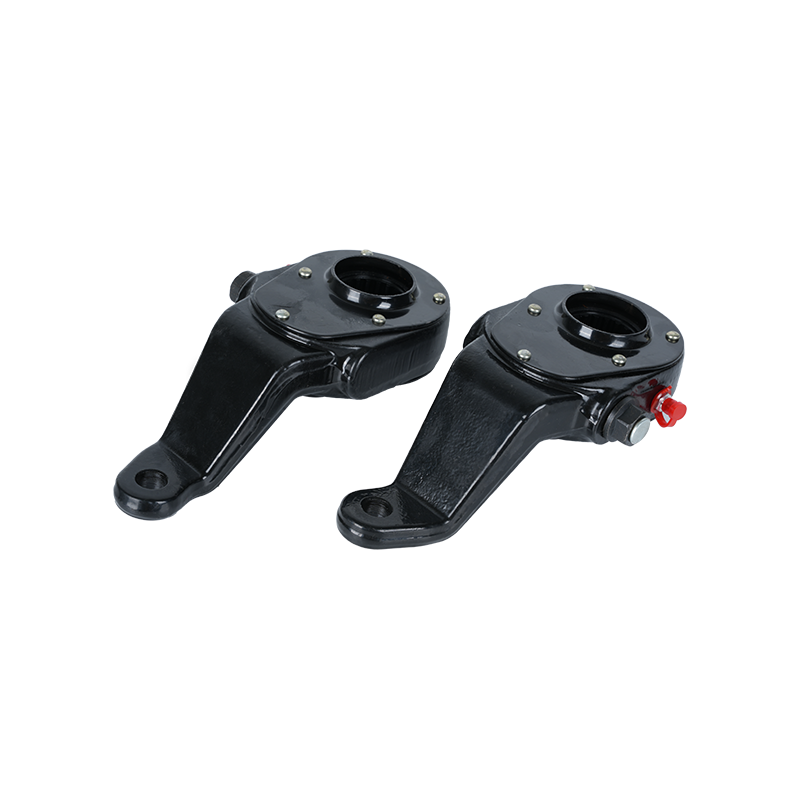
If your vehicle has manual slack adjusters and the pushrod stroke is beyond the acceptable range, here is how to bring them back into spec. This process should only be performed after the vehicle is safely chocked and the air system is properly charged.
Manual slack adjusters should be checked at every preventive maintenance interval and whenever brake performance feels off. A common industry recommendation is to inspect manual slack adjusters every 10,000–15,000 miles or as specified by the vehicle manufacturer.
Automatic slack adjusters self-adjust, but they still require regular inspection. The pushrod stroke check remains the same — same measurement process, same limits. However, there are additional items to inspect on an ASA that do not apply to manual types.
The clevis pin connects the pushrod to the slack adjuster arm. A worn or loose clevis pin creates play that reduces braking efficiency and can interfere with the ASA's self-adjusting mechanism. Visually inspect for wear, cotter pin integrity, and any side-to-side movement at the clevis connection. Replace any pin showing visible wear or looseness.
The slack adjuster attaches to the brake camshaft via a spline. If the camshaft bushings are worn, the camshaft moves laterally or radially instead of rotating cleanly. This lateral movement can fool the ASA into over-adjusting or under-adjusting. Grab the end of the slack adjuster arm and try to move it side to side while the brakes are released — more than about 1/8 inch of lateral play at the arm tip usually signals worn camshaft bushings, which need immediate attention.
Inside the ASA is a pawl-and-ratchet or worm gear mechanism that does the actual adjusting work. You cannot inspect this directly without disassembly, but symptoms of internal failure include an ASA that repeatedly goes out of adjustment within a short period after being set, or one that over-adjusts causing brake drag. If you see either of these patterns on a specific wheel position, the ASA itself likely needs replacement.
Many slack adjusters have a grease fitting (Zerk fitting) for lubrication. Consult the OEM specification for grease type and interval. Meritor, for example, recommends greasing at every PM interval using NLGI Grade 2 lithium-based grease. Under-lubricated slack adjusters wear faster internally and may seize, preventing proper self-adjustment.
Not every slack adjuster problem is caught during a scheduled inspection. Drivers and mechanics should be alert to the following warning signs that point directly to slack adjuster problems, even between formal checks.
Frequency of slack adjuster inspection depends on the type of operation, vehicle type, and whether you have manual or automatic adjusters. Here is a practical breakdown:
| Adjuster Type | Operation Type | Recommended Interval |
|---|---|---|
| Manual | Line haul / highway | Every 10,000–15,000 miles or 30 days |
| Manual | Local / stop-and-go delivery | Every 5,000–8,000 miles or weekly |
| Automatic | Line haul / highway | Every PM interval (typically 25,000 miles) |
| Automatic | Local / stop-and-go delivery | Every PM interval or every 15,000 miles |
| Both types | Any — after brake reline or drum replacement | Immediately after service |
Drivers performing pre-trip inspections should do a quick visual check of slack adjuster arm position and look for any obvious physical damage every single day. The pushrod stroke measurement with a ruler is not required on every pre-trip, but it should be part of every scheduled PM and any time braking performance feels abnormal.
Even experienced mechanics occasionally make errors during slack adjuster inspections that lead to false readings or missed problems. These are the most common ones worth knowing about.
Testing pushrod stroke below 90 psi gives a shorter stroke reading than the actual applied condition. Always verify air pressure before starting measurements. Many mechanics forget to check the gauge and end up with a false pass on stroke length.
This is the single most common and most dangerous mistake in slack adjuster maintenance. If an ASA is out of adjustment, something is mechanically wrong — worn bushings, bad clevis, bent components. Manually adjusting it and driving away solves nothing. The ASA will go back out of adjustment quickly, and the underlying damage continues to worsen. Always find and fix the root cause.
A vehicle with one steer axle, two drive axles, and two trailer axles has slack adjusters at each wheel position — that could be 10 or more individual adjusters. Each one needs to be checked individually. It is not sufficient to check one wheel per axle and assume the other side is identical. Brake wear, road conditions, and mechanical wear vary wheel to wheel.
Many mechanics skip the manual push-pull test on the slack adjuster arm, relying only on the pushrod stroke measurement. However, worn clevis pins and other connection issues can pass a stroke test while still representing a safety problem. The hand check takes about 10 seconds per wheel and catches issues the ruler misses.
Turning the adjusting bolt too far in results in brake drag, excessive heat buildup, and premature drum and lining wear. After adjustment, always spin the wheel by hand with brakes fully released to confirm free rotation before driving the vehicle.
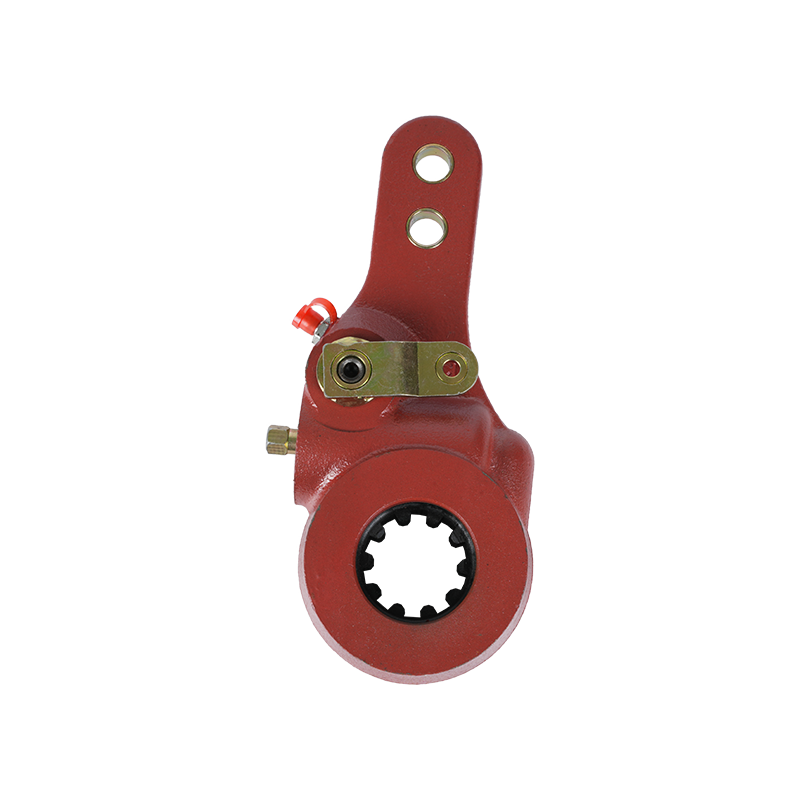
There are situations where adjustment is not the right answer and full replacement is necessary. Knowing the difference saves time and prevents repeat failures.
Slack adjuster replacement is not a complicated job, but it requires matching the correct arm length, spline count, and brake chamber clocking position to the original unit. Always verify these three specs before installing a replacement. A slack adjuster installed with the wrong arm length changes the effective mechanical advantage and will result in either an over-stroked or under-stroked condition that cannot be corrected by adjustment alone.
Brake adjustment is one of the most strictly enforced aspects of commercial vehicle compliance in North America. Under FMCSA regulations, a commercial motor vehicle with brake adjustment violations can be placed immediately out of service — the driver cannot move the vehicle until repairs are made on the spot or the vehicle is towed.
Under 49 CFR 393.47, a vehicle is out of service if any brake chamber has a pushrod stroke that meets or exceeds the maximum limit for that chamber type and size. There is no grace margin — at the limit means out of service, not approaching the limit. This makes it especially important to target stroke measurements that are well within limits, not just barely under them.
Beyond federal regulations, brake adjustment directly affects accident liability. In crash investigations involving commercial vehicles, brake inspection and maintenance records are among the first documents reviewed. A history of proper, documented slack adjuster checks and adjustments demonstrates due diligence. A lack of records — or records showing repeated out-of-adjustment conditions — can significantly impact liability outcomes in litigation.
The Commercial Vehicle Safety Alliance (CVSA) conducts regular roadside enforcement events, the most prominent being the annual Brake Safety Week, during which inspectors specifically target brake adjustment and condition violations. During the 2022 CVSA Brake Safety Week, inspectors placed approximately 13% of inspected commercial vehicles out of service for brake-related violations — a number that has remained stubbornly consistent year over year, indicating this remains a widespread fleet maintenance problem.


 English
 中文简体
中文简体 русский
 عربى
عربى