


 (+86)-137 5851 1881



Content
A workshop gets a lorry with weak braking and a hiss near the rear axle. The easy move is to replace the foot valve. The better first move is to trace pressure: compressor output, dryer purge, reservoir check valve, relay valve signal, chamber stroke, and slack adjuster geometry. Most poor brake performance on a lorry air brake system is a balance problem across the circuit, not one failed pedal.
That conclusion changes how you buy parts. A brake chamber that threads onto the bracket but has the wrong stroke type, or a slack adjuster with the wrong arm length, can pass a bench fit and still fail a road test. The system is modular, so each component can be checked against a measurable limit. Procurement should start with the limit, not the catalog picture.
The service brake circuit is a chain of pressure changes. The compressor charges the system; the governor sets cut-in and cut-out; the air dryer removes moisture; reservoirs store air; the foot valve sends a signal; relay valves speed up response at the axle; brake chambers convert pressure into pushrod force; slack adjusters transfer that force to the S-cam and brake shoes.
For a fleet, the practical check is response consistency: same pedal feel, same stroke, same release time across axles. A lorry air brake system that stops but releases slowly will overheat drums and wear linings unevenly.
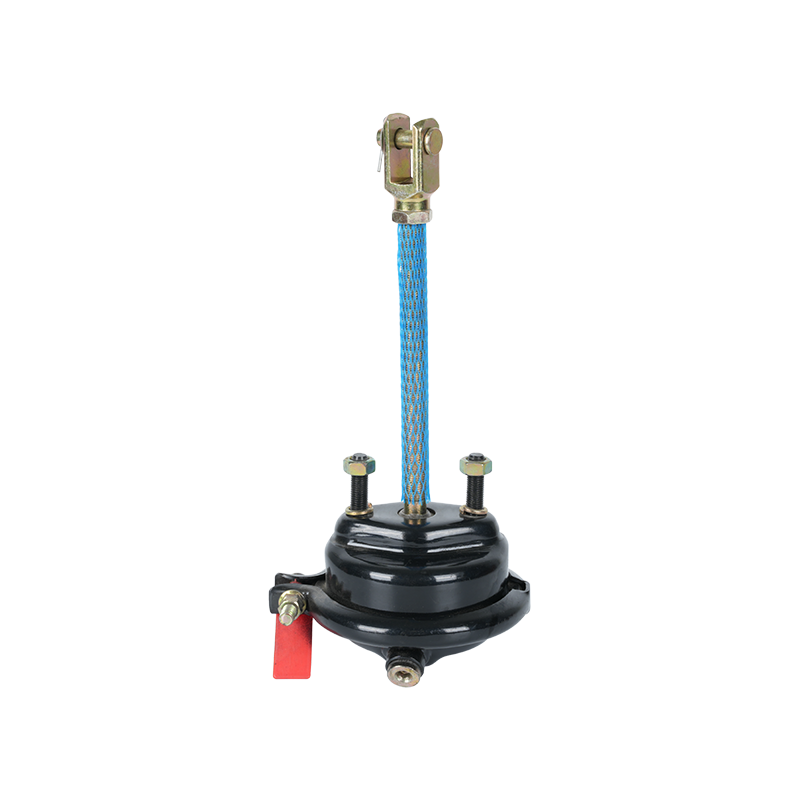
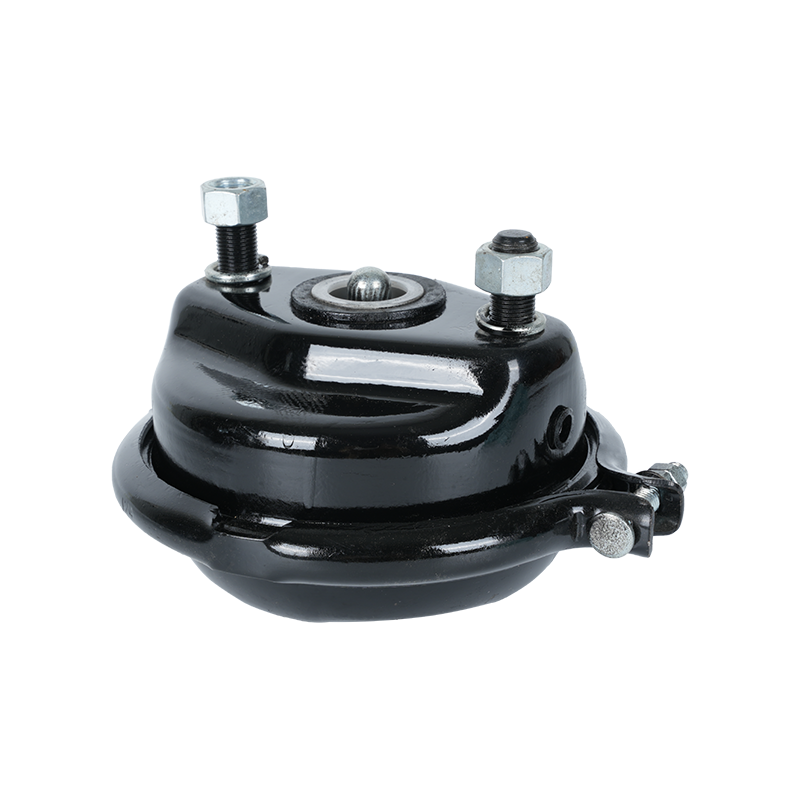 Brake Chamber Range for Pneumatic Brake SystemsBrowse single- and dual-chamber brake chamber options for heavy-duty trucks and trailers, with category information supporting stroke and response checks.View Product →
Chamber stroke is the first hard number in diagnosis. With wheels chocked and the system at full pressure, apply the service brake and measure pushrod travel against the chamber manufacturer's published limit. Do not use a generic number for every chamber: standard-stroke and long-stroke chambers have different limits, and a marked stroke band on the pushrod is there for a reason.
Chamber stroke is the measurable link between air pressure and brake torque; a pushrod outside the published band can fail a roadside inspection before the lining is worn out.
If an automatic slack adjuster cannot hold stroke, the adjuster may not be the cause. Check for a bent S-cam, worn bushings, a cracked drum, or a chamber with the wrong pushrod length. Replacing the adjuster first often moves the same fault to a new part.
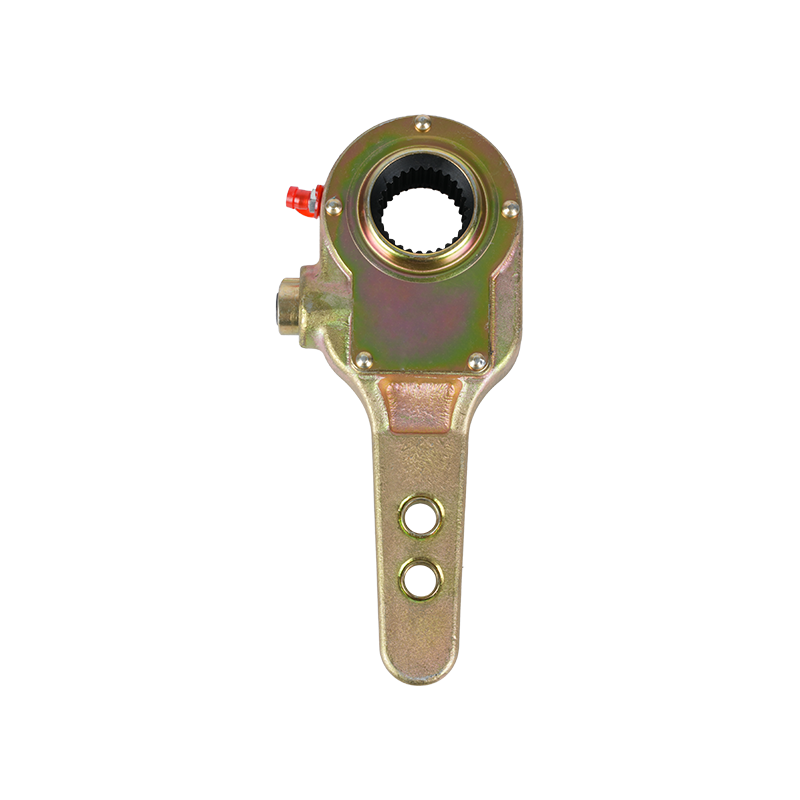
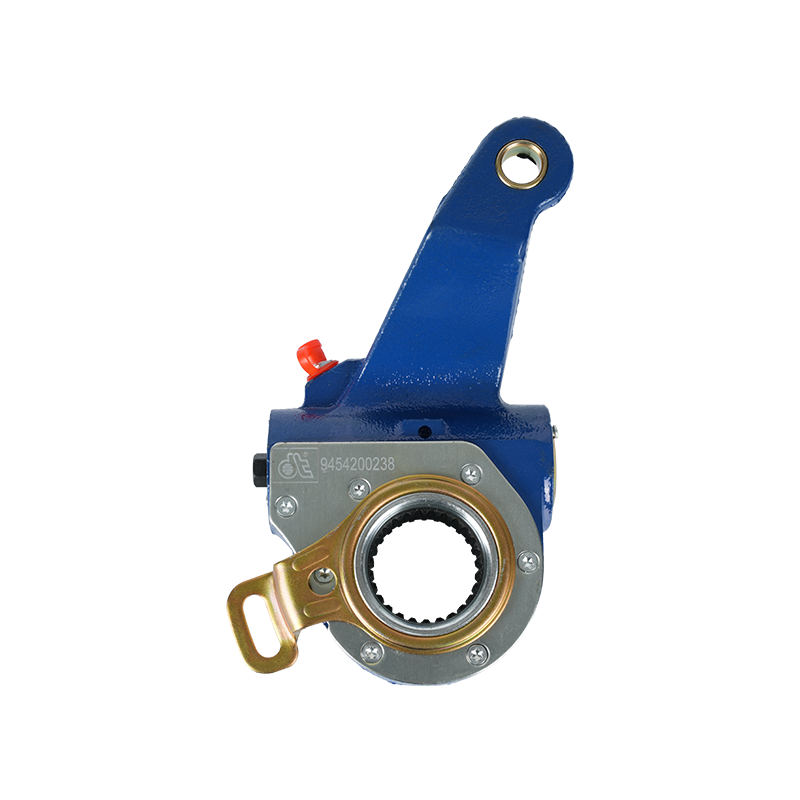
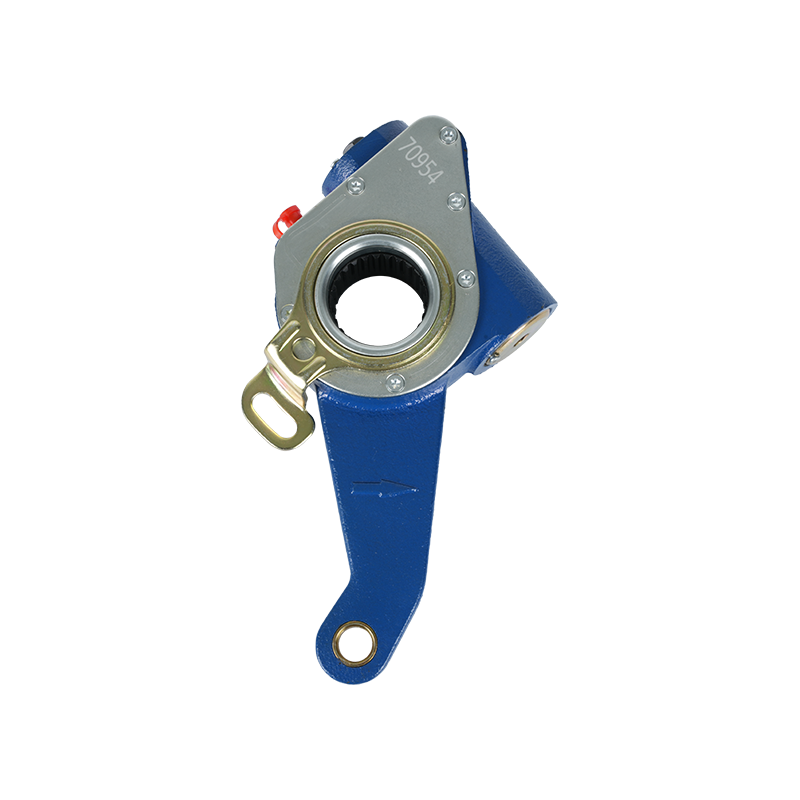
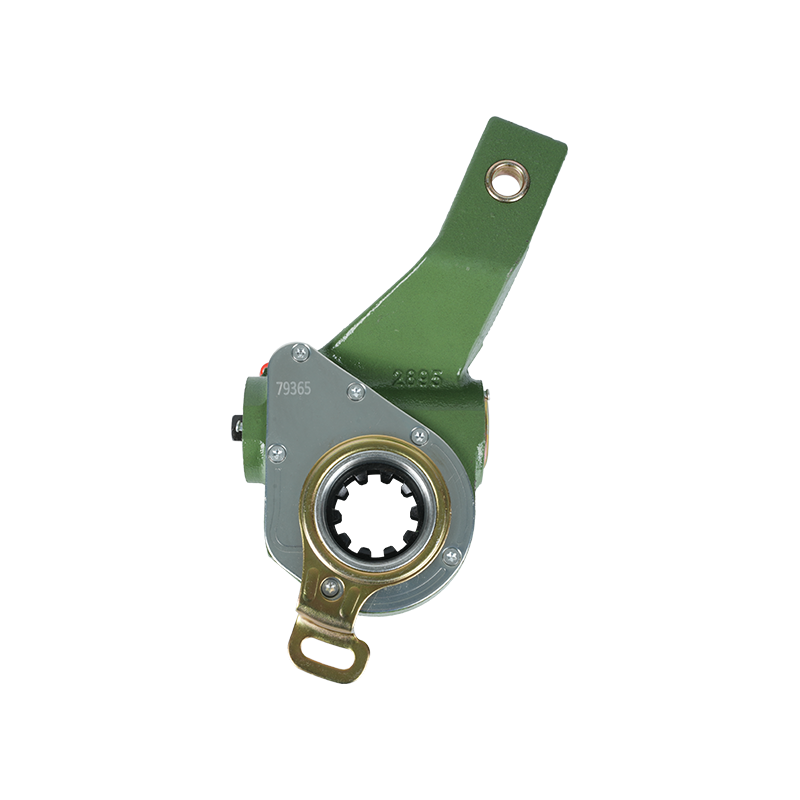 Automatic Slack Adjusters for Commercial Vehicle BrakesReview automatic slack adjuster category details for maintaining brake-shoe-to-drum clearance, useful when checking stroke faults before replacing components.View Product →
Automatic slack adjusters suit high-mileage fleets with long inspection intervals. Manual adjusters suit mixed fleets or markets where technicians are trained and checks are frequent. Neither type corrects a worn foundation brake. The choice is about who performs adjustment, how often, and how clearly the result is recorded.
Automatic units reduce routine manual adjustment, but they need correct installation and initial free-stroke setup. If the pushrod is set wrong, the adjuster can learn a bad position and hold it. Manual units are simpler, but they depend on disciplined measurement; over-adjusting can cause drag, heat, and lining glazing.
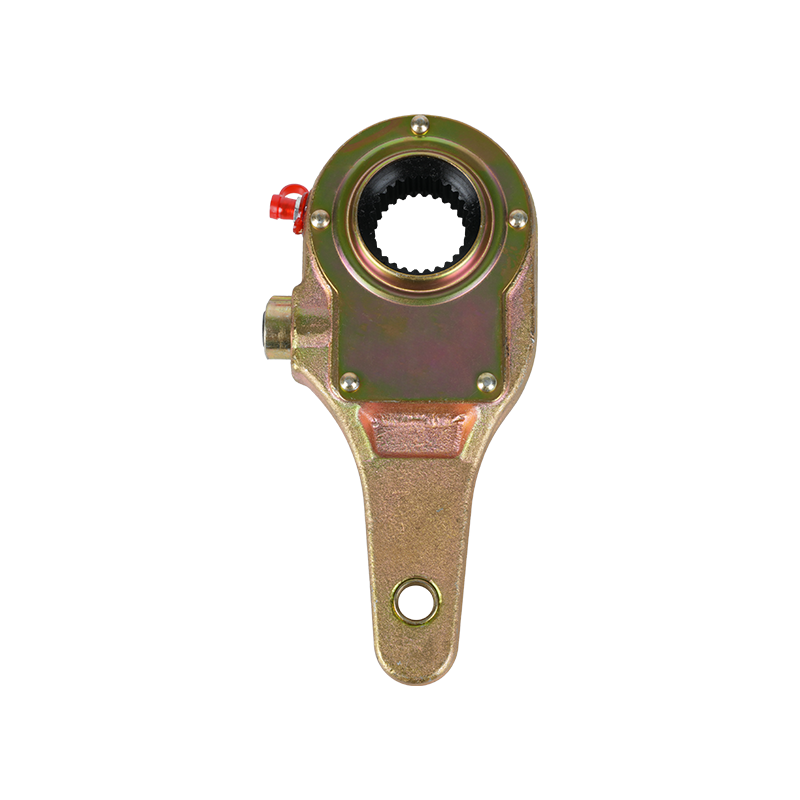
For fleets that keep manual adjustment, the manual slack adjuster range is the direct replacement path. Record clevis pin diameter, spline count, arm length, and offset by axle. A part that fits the spline but changes the arm length will change brake torque.
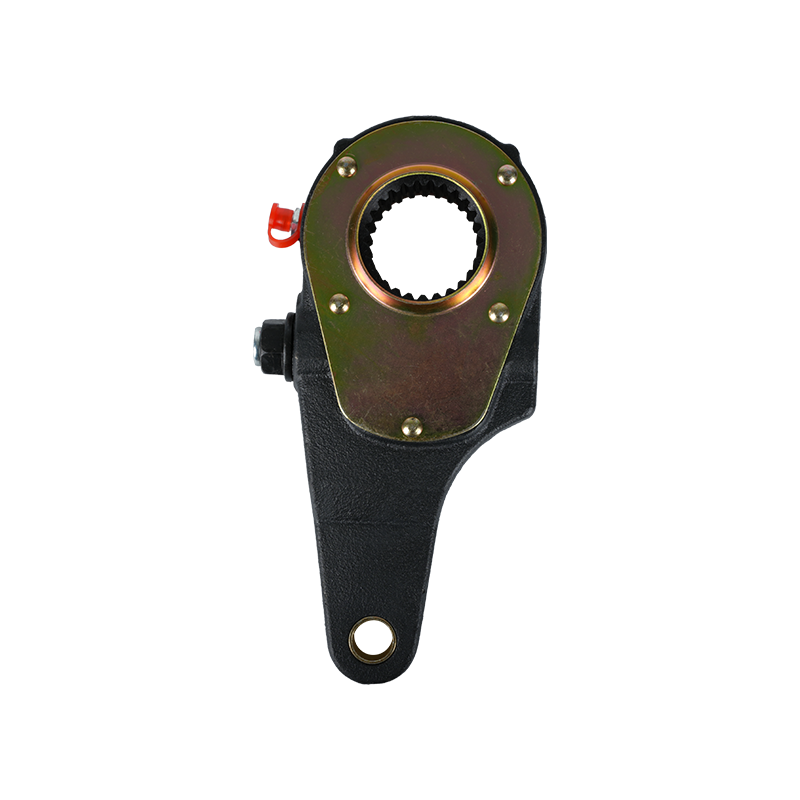 Manual Slack Adjusters for Truck and Trailer BrakesBrowse manual slack adjuster listings for fleets keeping scheduled adjustment, with related brake and clutch-booster categories for separate circuit diagnosis.View Product →
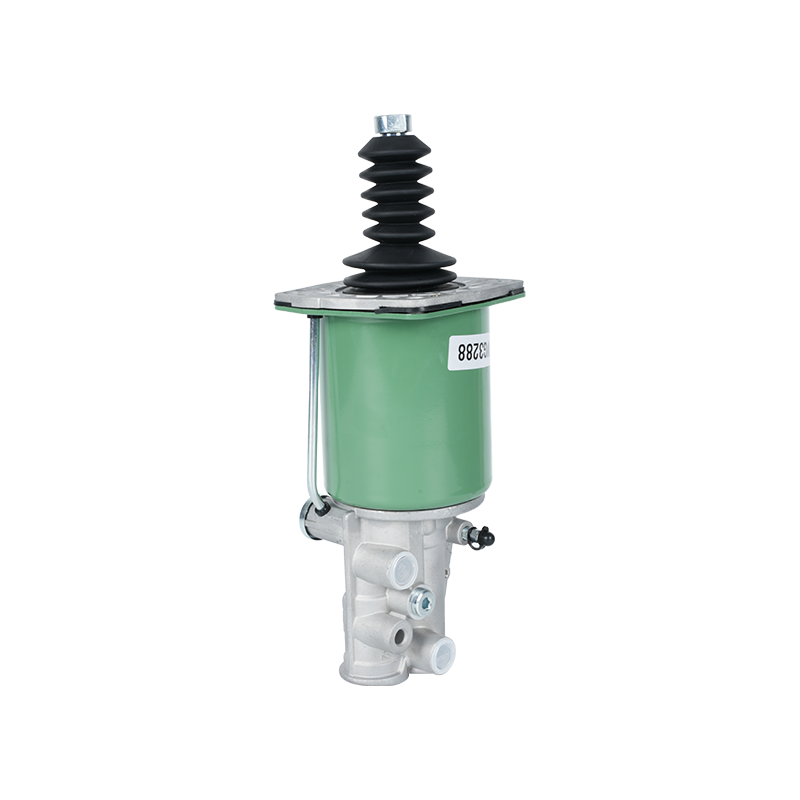
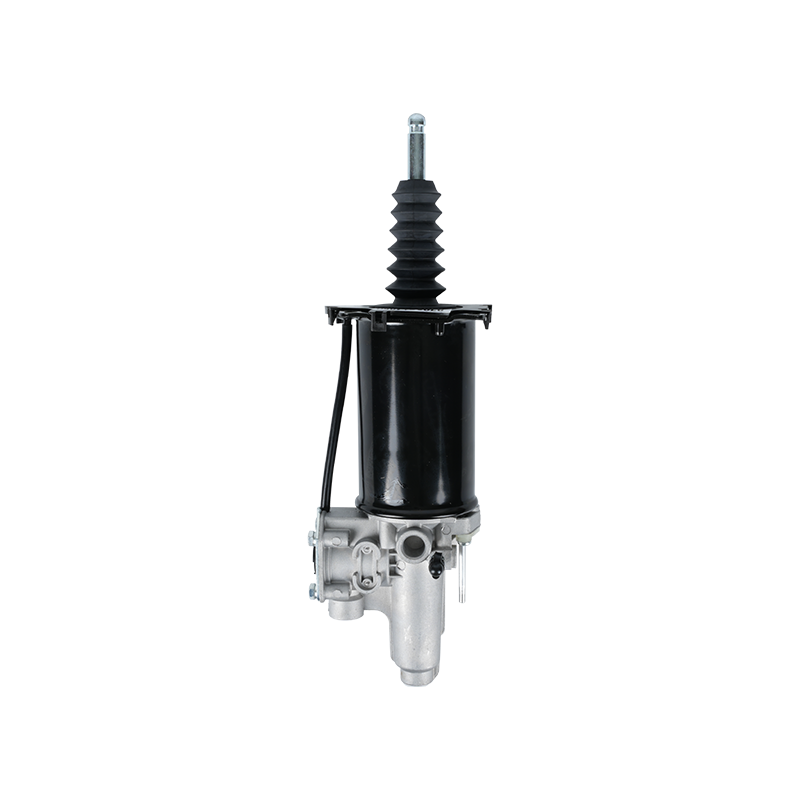
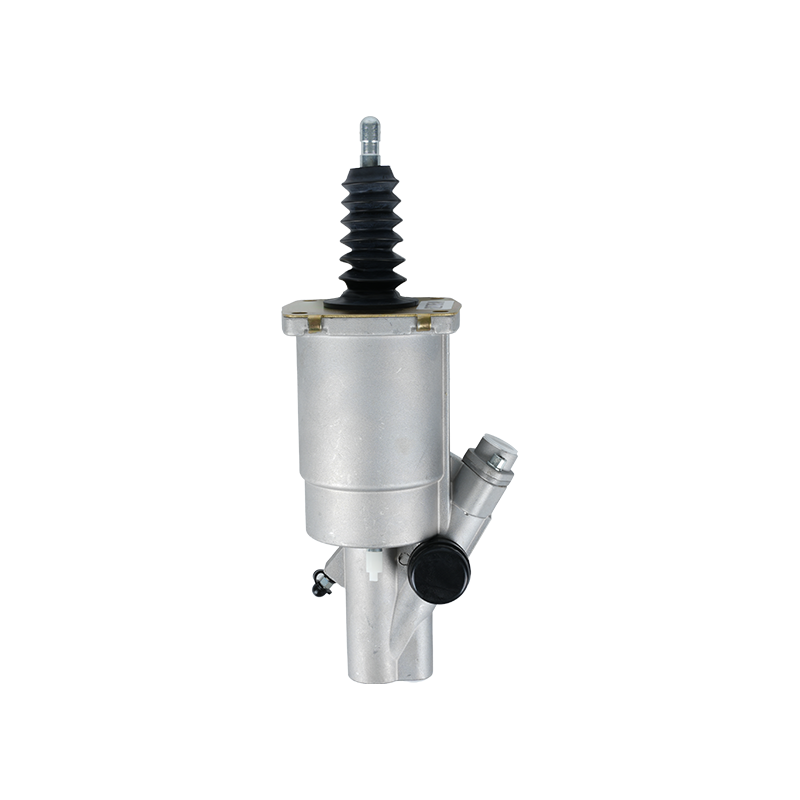
Brake chambers and clutch boosters belong in the same air-system conversation but not the same fault tree. A leaking clutch booster can mask a pressure complaint; it does not explain poor service brake stroke. Keep diagnosis separated by circuit.
Use a fault tree, not a parts cannon. These are the repeat offenders in workshop and fleet reports:
For procurement, ask for chamber stroke data, adjuster installation instructions, and a traceable batch number. If the supplier cannot state the chamber type and arm length, the risk moves to the workshop.
Daily checks should catch pressure loss, audible leaks, low-pressure warning function, and slow build-up. At each preventive maintenance interval, measure stroke, check pushrod angle, inspect chamber clamp bands and hoses, test governor cut-in and cut-out, and record the values by axle. Trends are more useful than a single pass/fail note.
Spring brake chambers store dangerous energy. Never open a chamber or remove its clamp band. Chock the wheels before releasing the parking brake, and follow the OEM caging procedure when a spring brake must be released for service. If a chamber is damaged, replace it as an assembly.
A supplier claiming ISO/TS16949 should provide a certificate and scope; the claim alone is not a quality control plan. For a lorry air brake system, the cheapest reliable part is the one with the correct stroke, port angle, and documented batch. That is also the part that keeps the next roadside inspection boring.


 English
 中文简体
 русский
 عربى
