


 (+86)-137 5851 1881
(+86)-137 5851 1881
(+86)-137 5851 1881



Content
When choosing or replacing a trailer brake chamber, the answer is straightforward: first confirm the correct chamber Type size matches the original mounting, then verify the stroke limit complies with FMCSA 393.47, and finally check that the working pressure sealing and temperature range suit the actual operating conditions. If any one of these three fails, braking response speed and overall safety margin will be compromised.
A Type 30 dual-diaphragm brake chamber, for example, typically carries a stroke limit of about 2 inches (51 mm). Exceeding this figure means the axle is classified as out of adjustment, which can place the vehicle out of service during a roadside inspection. Stroke verification should therefore be the first step in any acceptance check, not something discovered later during an annual inspection.
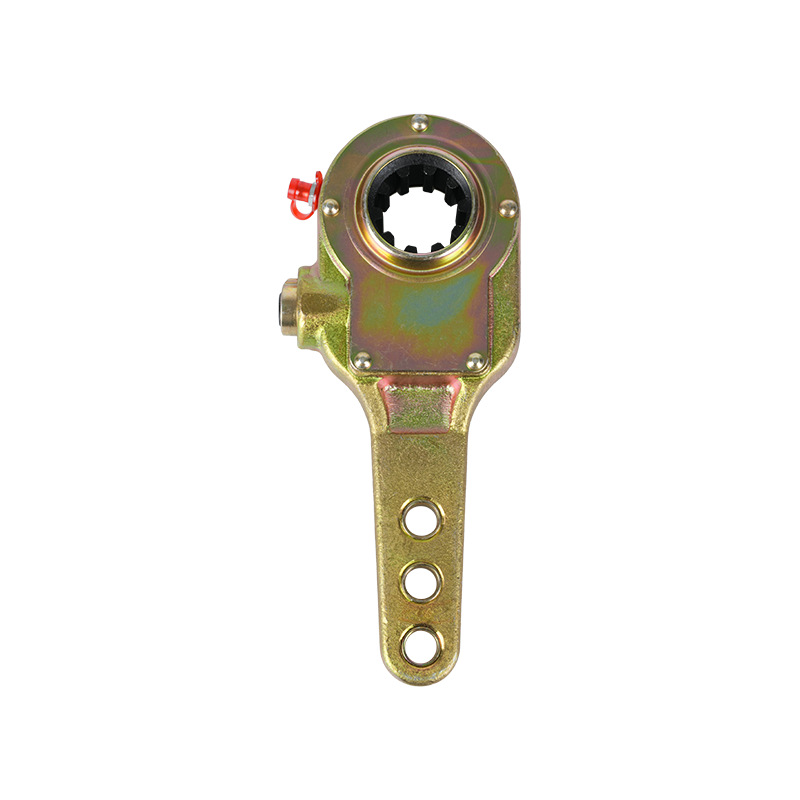
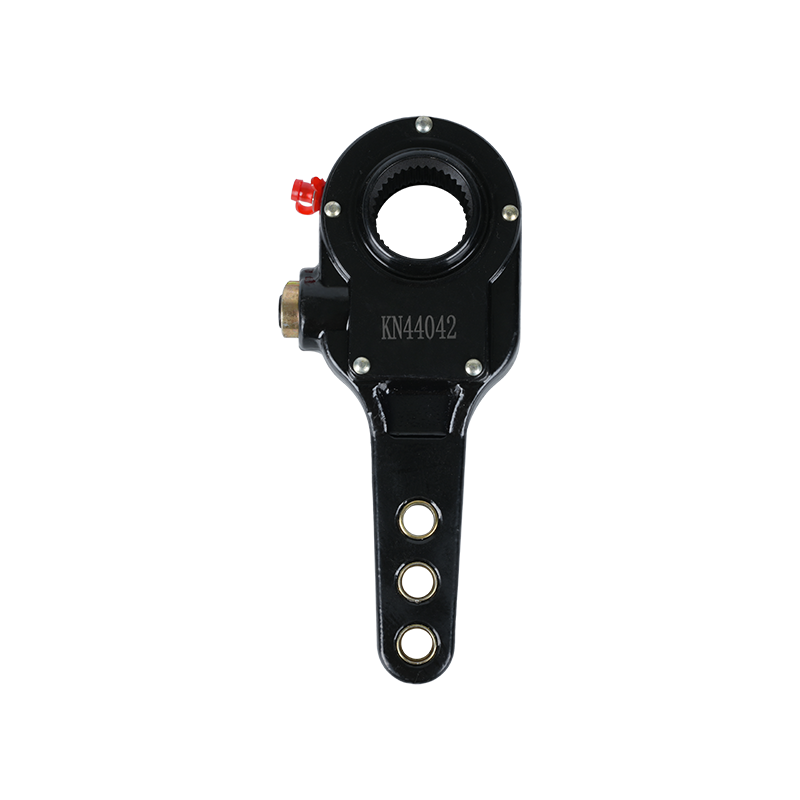
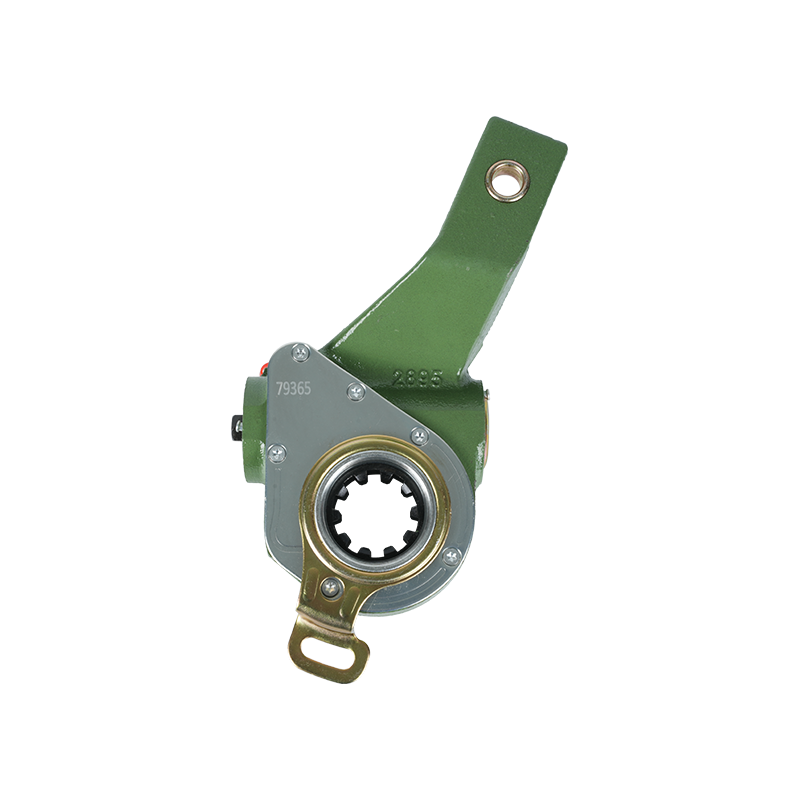
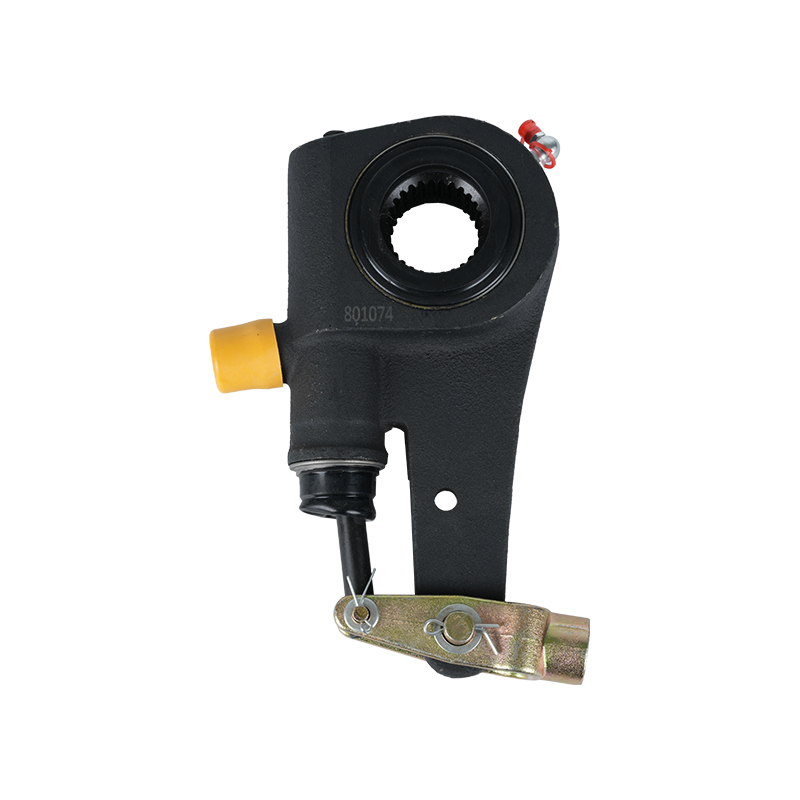
A trailer brake chamber is the core actuating component of an air brake system, sometimes referred to as the slave cylinder of the pneumatic circuit. Its function is to convert the pressure of compressed air into the linear mechanical motion of a pushrod, which then drives the slack adjuster to rotate the S-cam shaft, forcing the brake shoes outward against the drum to slow or stop the vehicle.
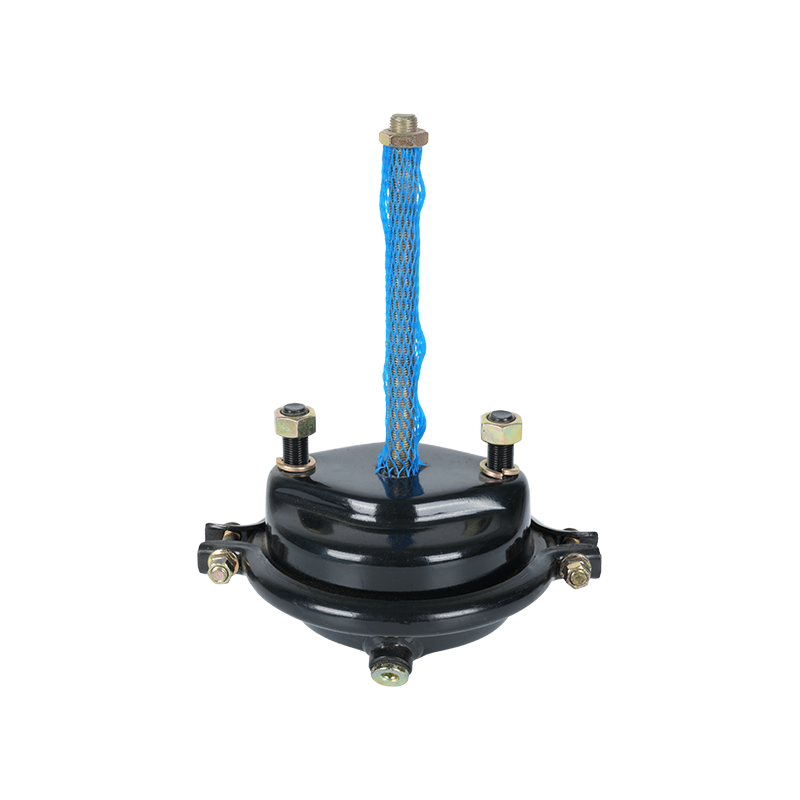
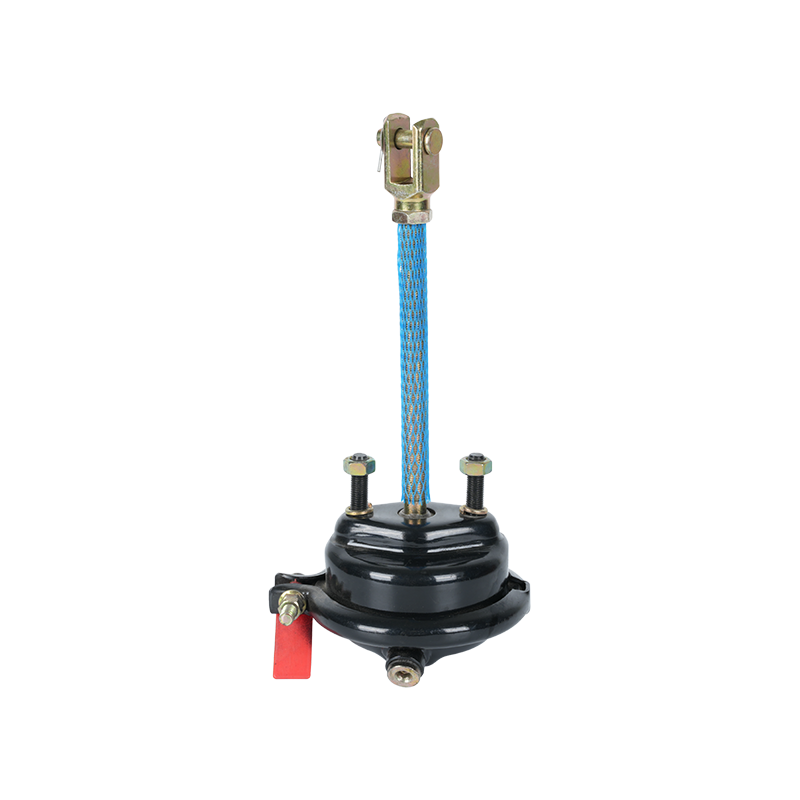
A standard brake chamber consists of a housing, a rubber diaphragm or piston, a return spring, a pushrod, and sealing components. A spring brake chamber, commonly used on trailers, adds a parking spring section on top of this structure. Even if the air supply is lost, the mechanical spring force still pushes the rod out to apply the parking brake, which is essential for the safety of trailers parked for extended periods.
When the driver presses the brake pedal, the control valve releases compressed air into the chamber; the diaphragm is pushed and extends the rod, which rotates the slack adjuster through a set angle. The slack adjuster then turns the S-cam shaft, spreading the brake shoes against the drum lining to generate braking torque. Throughout this chain, the sealing integrity and diaphragm fatigue life of the chamber directly determine the consistency of braking response.
Trailer brake chambers generally fall into two categories: single-diaphragm service chambers and dual-diaphragm spring chambers that combine service and parking functions. The right choice depends largely on whether the trailer axle requires a dedicated parking brake function.
| Type | Structural Feature | Typical Application | Parking Function |
|---|---|---|---|
| Single-diaphragm chamber | Compact, service chamber only | Steer axle, light trailers | None, requires separate parking valve |
| Dual-diaphragm spring chamber | Service section plus spring parking section | Trailer rear axles, heavy semi-trailers | Yes, locks automatically on air loss |
For semi-trailers that are frequently parked for long periods or operated on grades, a dual-diaphragm spring brake chamber is essentially standard equipment, since it maintains braking force mechanically even if the air system unexpectedly loses pressure, preventing rollaway risk.
Beyond confirming that the outer dimensions fit the original mounting bracket, the following parameters are the hard criteria for determining whether a given brake chamber is genuinely suitable for a specific vehicle.
| Type Size | Typical Stroke Limit | Common Mounting Position |
|---|---|---|
| Type 16 | About 1.75 in (44 mm) | Steer axle |
| Type 24 | About 1.75 to 2 in | Drive axle |
| Type 30 | 2 in (51 mm) | Trailer rear axle |
Always confirm the Type number stamped on the chamber nameplate rather than judging by visual size alone. This is one of the most commonly overlooked yet frequently cited issues during roadside inspections.
Brake chamber problems are rarely sudden failures; they usually build up gradually. Recognizing the following signs early can significantly reduce the risk of roadside out-of-service orders and safety incidents.
It is advisable to include stroke measurement as a routine inspection item for trailers. With the wheels chocked and about 90 psi of service brake pressure applied, measure the pushrod stroke and compare it against the limit table for the corresponding Type number. This is one of the lowest-cost and most effective preventive checks available.
When replacing a brake chamber, confirm that the mounting bracket bolt pattern matches the original exactly, and tighten fasteners to the torque value specified by the manufacturer. Over-tightening can deform the housing, while under-tightening can cause seal failure from road vibration. Before installing or removing a spring chamber, the parking spring must always be fully caged using the correct release tool to avoid mechanical injury.
A visual check of the chamber housing for cracks, corrosion, or oil residue before each trip is recommended, along with a quarterly stroke measurement logged for trend tracking. For trailers operating in cold climates, inspect the low-temperature elasticity of the diaphragm material before winter to prevent seal hardening and cracking that could cause air leaks.
A brake chamber may look structurally simple, but it demands a high level of material consistency and assembly precision. Zhuji Tianbo Auto Parts Co., Ltd. has long focused on the research, development, and manufacturing of brake system components for heavy trucks and trailers. Through strict adherence to the ISO/TS16949 quality management system, every stage of production — from diaphragm material selection to multi-step airtightness testing — is closely controlled to ensure each chamber holds zero leakage under a working pressure of 0.8 MPa. Its products are exported to markets across Europe, the Americas, and Southeast Asia.
For fleet operators and repair shops alike, working with a supplier that has a complete quality system and full production traceability reduces the risk of batch-level quality variation at the source, an important factor in maintaining long-term braking safety and regulatory compliance across a fleet.


 English
 中文简体
中文简体 русский
 عربى
عربى