


 (+86)-137 5851 1881
(+86)-137 5851 1881
(+86)-137 5851 1881



Content
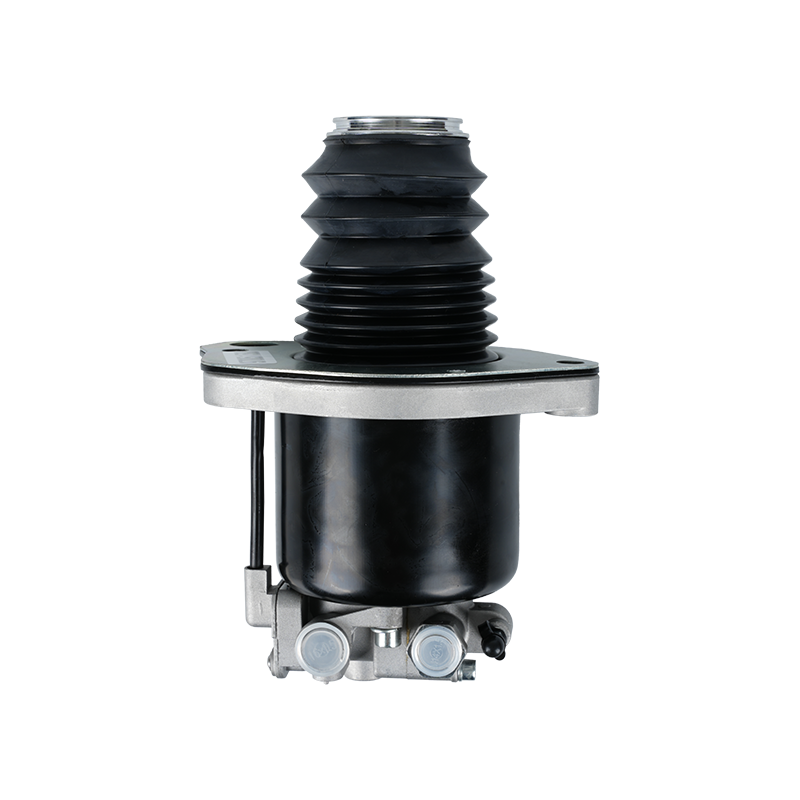
A clutch booster amplifies the force a driver applies to the clutch pedal, making it far easier to engage and disengage the clutch — especially in heavy-duty trucks, buses, and trailers. By using hydraulic pressure or compressed air, the clutch booster reduces the physical effort required for gear shifting, extending clutch life and dramatically lowering driver fatigue. If you operate a commercial vehicle with a manual transmission, a functioning clutch booster is not optional — it is essential.
The primary role of a clutch booster — sometimes called a clutch servo or clutch assist — is to multiply the input force from the clutch pedal so the driver does not need to exert full mechanical effort alone. When you press the clutch pedal, the pedal movement is transferred either through a mechanical linkage or a hydraulic line to the booster unit. The booster then uses pneumatic (air) or hydraulic pressure to amplify that force by a factor of two or more, delivering it to the clutch release mechanism.
This process can be broken down into three key stages:
Without a clutch booster, operating the clutch on a fully loaded heavy truck — which may weigh 20 tonnes or more — would demand considerable and repeated physical force from the driver with every gear change. Over a long shift, this translates directly into fatigue, reduced reaction time, and increased accident risk.
There are two main types of clutch boosters used in commercial vehicles. Both accomplish the same goal — reducing pedal effort — but they differ in their operating medium and best-fit applications.
| Feature | Pneumatic Clutch Booster | Hydraulic Clutch Booster |
|---|---|---|
| Operating Medium | Compressed air | Hydraulic fluid |
| Common Application | Heavy trucks, buses, air-brake equipped vehicles | Light-to-medium commercial vehicles |
| Integration | Often shares the vehicle air brake system | Works with master/slave cylinder circuit |
| Leak Type | Audible air hiss | Visible fluid pooling |
| Force Amplification | 2× or more via piston/diaphragm | 2× or more via hydraulic piston |
The pneumatic clutch booster is by far the most common choice for heavy-duty trucks and long-haul vehicles, because these vehicles already carry a pressurized air system for their brakes. Integrating the clutch booster into that same air supply is both efficient and reliable.
Heavy commercial vehicles — trucks hauling cargo over mountain passes, buses stopping in dense urban traffic, or construction vehicles on rough terrain — place extraordinary demands on the clutch system. Without a properly functioning clutch booster, gear changes become physically gruelling and mechanically harsh. The consequences go beyond driver discomfort:
A well-maintained clutch booster assembly ensures that the clutch is operated with consistent, proportional force — protecting every downstream component in the drivetrain.
The advantages of a correctly operating clutch booster extend across comfort, safety, and economics:
With a pneumatic clutch booster integrated into the air system, drivers can shift gears with minimal leg force even in high-horsepower vehicles exceeding 600 hp. This is especially critical for drivers who may complete hundreds of gear changes per working day.
By delivering a proportional, controlled force to the clutch mechanism, the clutch booster enables smoother engagement and disengagement. This protects clutch plates, gearbox synchromesh rings, and universal joints from impact loads that shorten their service life.
Without a clutch booster, achieving acceptable clutch operation often requires a long pedal travel to generate enough force. With a booster, a short pedal throw becomes possible while maintaining full clutch disengagement — improving both ergonomics and driving control.
Quick and reliable clutch response is critical when a loaded truck needs to pull away on a steep gradient or respond rapidly in stop-and-go conditions. A clutch booster ensures the driver maintains precise control even under these demanding scenarios.
Recognizing early warning signs of a failing clutch booster can prevent more expensive drivetrain damage. Watch for the following indicators:
Any of these symptoms warrants immediate inspection. Continuing to operate with a failing clutch booster places added stress on the entire transmission system and risks sudden clutch failure in service.
Preventive maintenance on the clutch booster assembly is straightforward but should not be overlooked. Key tasks include:
Not all clutch boosters are equal. When selecting a replacement or upgrade unit, consider the following criteria:
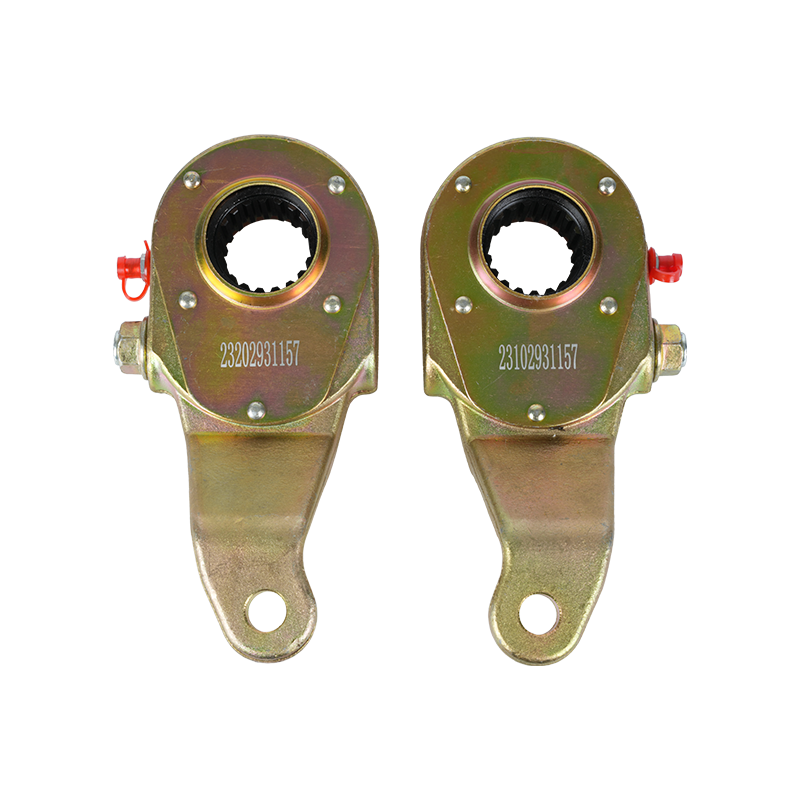
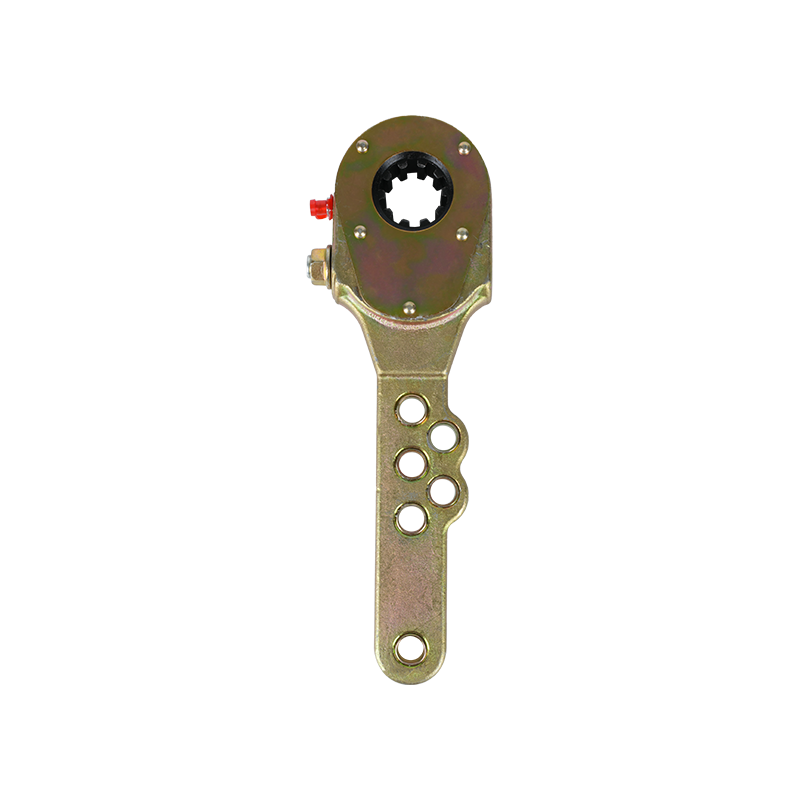
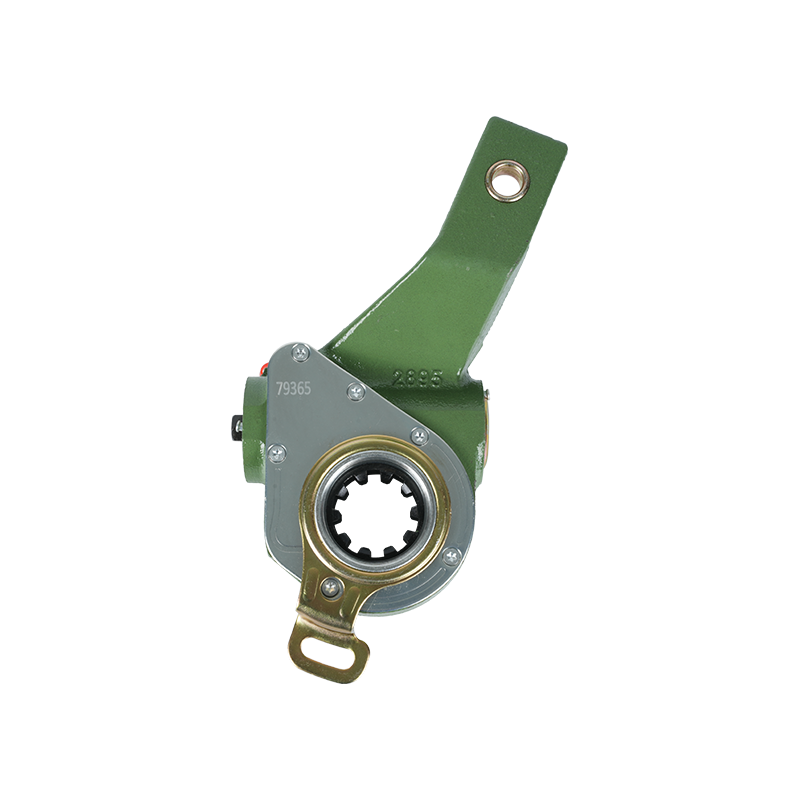
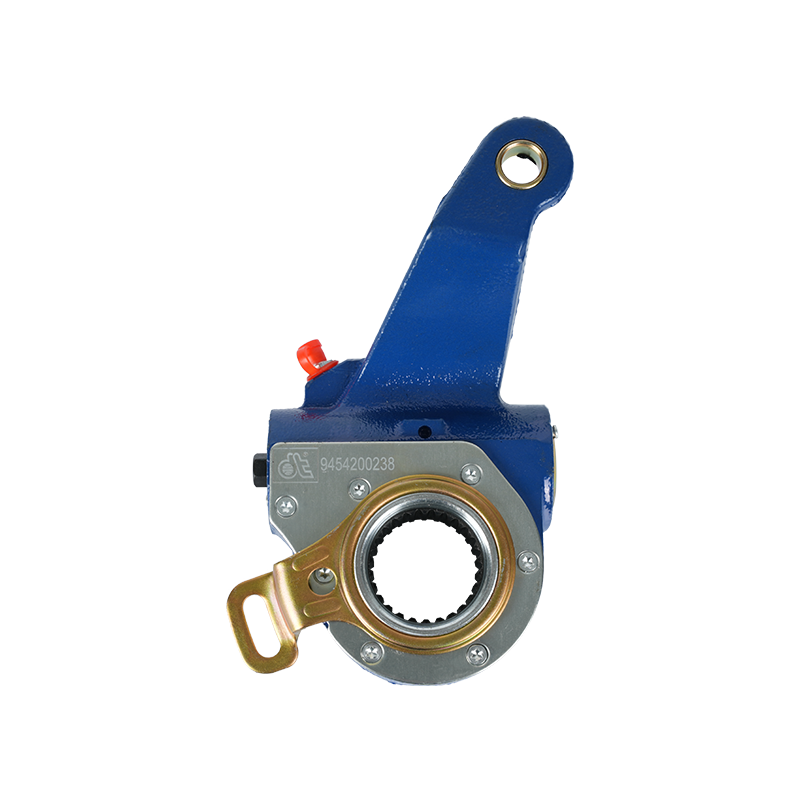
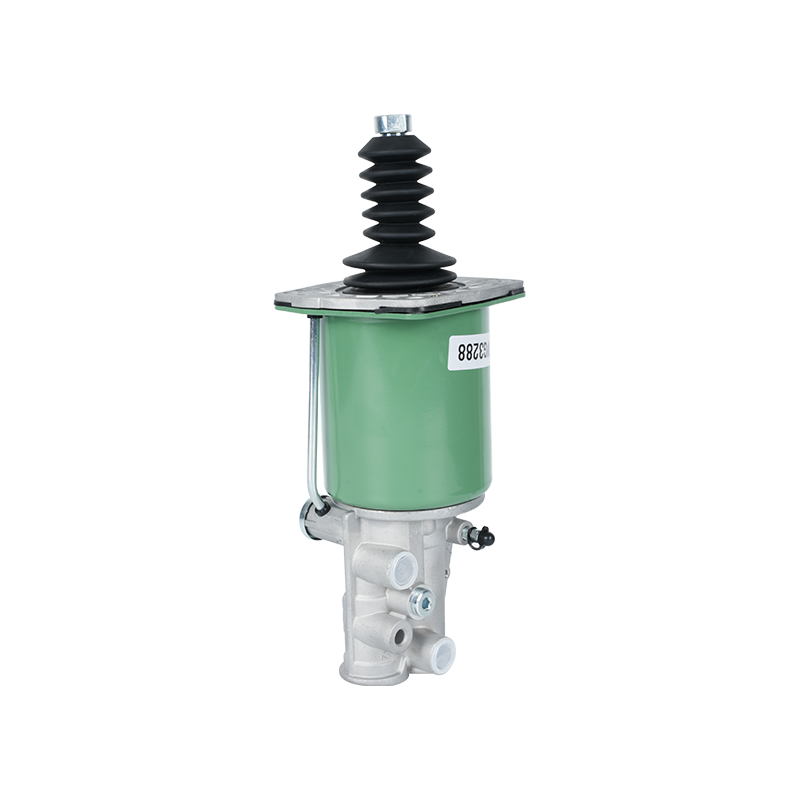
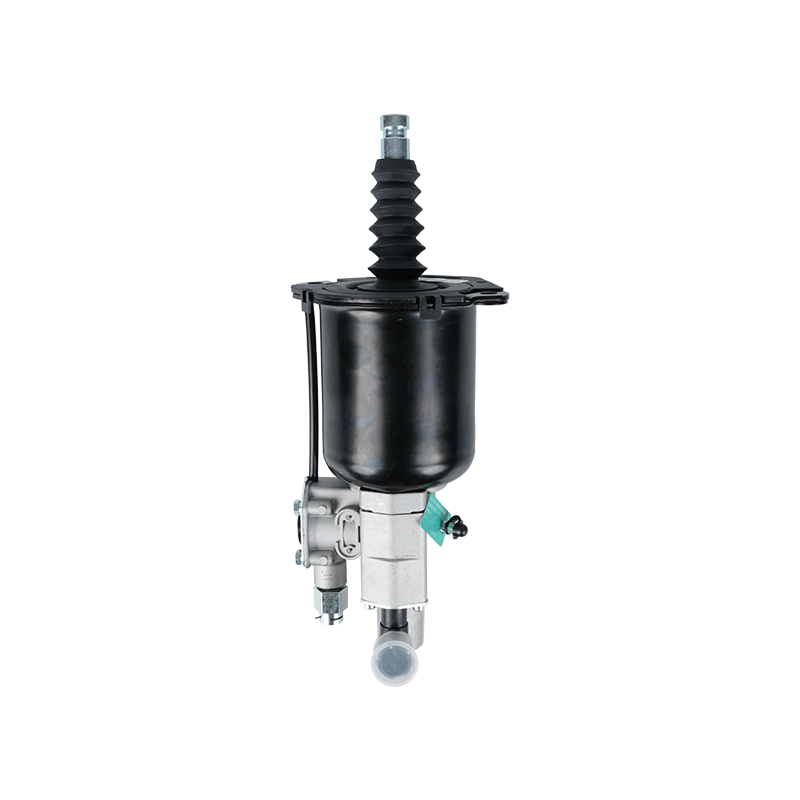
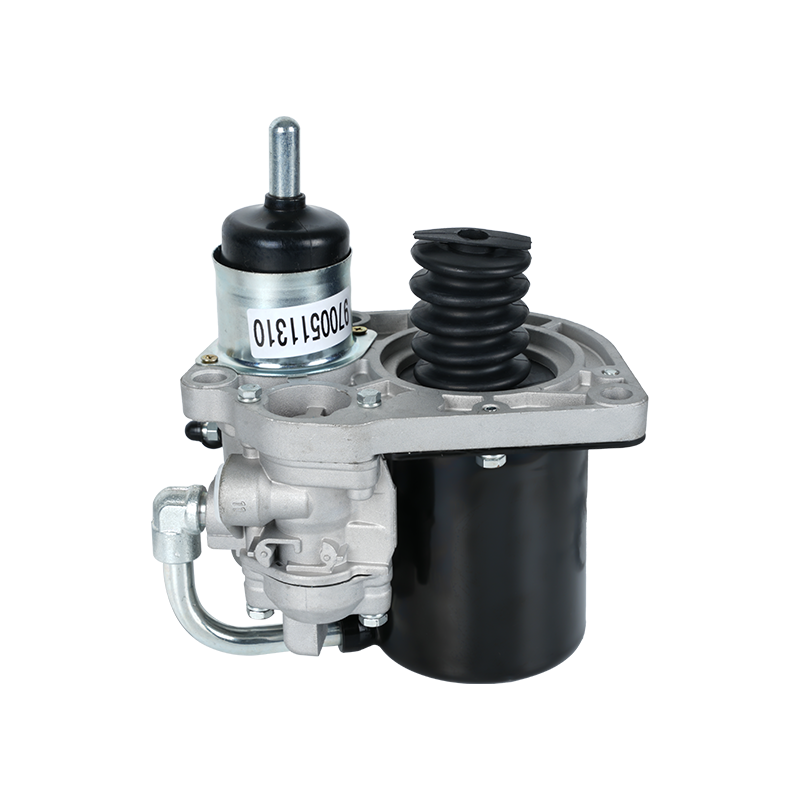
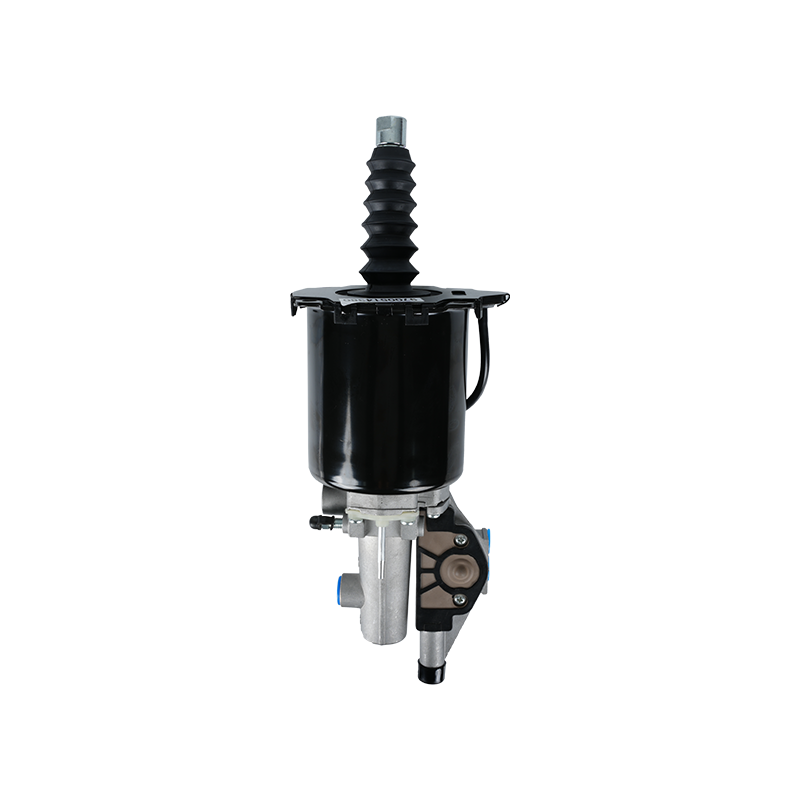
Zhuji Tianbo Auto Parts Co., Ltd. manufactures a dedicated clutch booster series for heavy-duty trucks, trailers, and buses. Built under ISO/TS16949 quality standards and exported to Europe, North America, and Southeast Asia, the Tianbo clutch booster range covers a wide array of vehicle applications — from standard freight trucks to specialized commercial vehicles. If you are sourcing a clutch booster for fleet or individual replacement, Tianbo's product series offers a reliable and certified option designed for demanding commercial use.
These two components are often confused because they work closely together. Here is a clear distinction:
In a typical heavy-truck clutch system, the master cylinder and clutch booster work in series: the driver presses the pedal → the master cylinder generates initial hydraulic pressure → the clutch booster amplifies that pressure → the slave cylinder actuates clutch disengagement. Replacing one without checking the other is a common diagnostic mistake.


 English
 中文简体
中文简体 русский
 عربى
عربى