


 (+86)-137 5851 1881
(+86)-137 5851 1881
(+86)-137 5851 1881



Content
Understanding truck parts names is not just a vocabulary exercise — it directly affects how quickly you source the right heavy truck spare parts, how accurately you communicate with suppliers, and how much downtime your fleet actually experiences. A single misidentified component can cost a fleet operator thousands of dollars in wrong orders, delayed repairs, and lost haul days. This guide breaks down every major system on a commercial truck, names the key components within each, and explains what each part does — so you can order confidently, inspect intelligently, and never confuse a slack adjuster with a glad hand again.
The engine is where every conversation about heavy truck spare parts should begin. Diesel engines used in Class 7 and Class 8 trucks — including brands like Cummins, Detroit Diesel, PACCAR MX, and Volvo D-series — share a common architecture, even if the specific part numbers differ. Knowing the correct truck parts names within the engine bay is the first step toward effective maintenance.
The cylinder head sits atop the engine block and houses the intake and exhaust valves, valve springs, valve guides, and valve seats. In overhead-cam engines, it also contains the camshaft. Heavy truck engines typically run 6 cylinders in an inline configuration, meaning a single cylinder head spans the full length of the block. Common spare parts here include head gaskets, rocker arms, push rods, injector cups, and valve stem seals.
Modern diesel trucks use high-pressure common rail (HPCR) fuel systems operating at pressures between 1,600 and 2,500 bar. Key components include the high-pressure fuel pump, fuel rail, fuel injectors, fuel pressure regulator, lift pump, fuel filter housing, and fuel water separator. The injector is the most frequently replaced fuel system heavy truck spare part — on high-mileage engines, injectors are typically replaced every 300,000 to 500,000 miles.
Diesel engines generate substantial heat, and the cooling system must handle it without fail. Truck parts names in this system include the radiator, radiator cap, coolant overflow tank, thermostat, thermostat housing, water pump, fan clutch, fan blade assembly, coolant hoses, and the charge air cooler (also called intercooler). The charge air cooler reduces the temperature of compressed intake air before it enters the engine, improving combustion efficiency.
Oil keeps all moving metal surfaces from grinding against each other. The oil pump draws oil from the oil pan (sump), forces it through the oil filter, and distributes it through oil galleries to the crankshaft, camshaft, connecting rod bearings, and cylinder walls. Spare parts in this system include oil pumps, oil pressure relief valves, crankshaft bearings, camshaft bearings, piston rings, and oil cooler cores.
The engine block itself contains the cylinders, crankcase, and main bearing bores. Critical heavy truck spare parts related to the block include pistons, piston pins (wrist pins), connecting rods, connecting rod bearings, crankshaft, flywheel, and cylinder liners (sleeves). Many heavy-duty diesel engines use wet-sleeve cylinder liners that can be replaced without a full block rebore — a significant cost advantage over passenger car engines.
| Component Name | System | Typical Replacement Interval | Failure Symptom |
|---|---|---|---|
| Fuel Injector | Fuel | 300,000–500,000 mi | Rough idle, black smoke, poor fuel economy |
| Water Pump | Cooling | 200,000–400,000 mi | Coolant leak, overheating |
| Head Gasket | Engine | As needed | White exhaust smoke, coolant loss |
| Turbocharger | Air Intake | 300,000–600,000 mi | Loss of power, oil burning, whining noise |
| Oil Pump | Lubrication | As needed | Low oil pressure warning, engine knock |
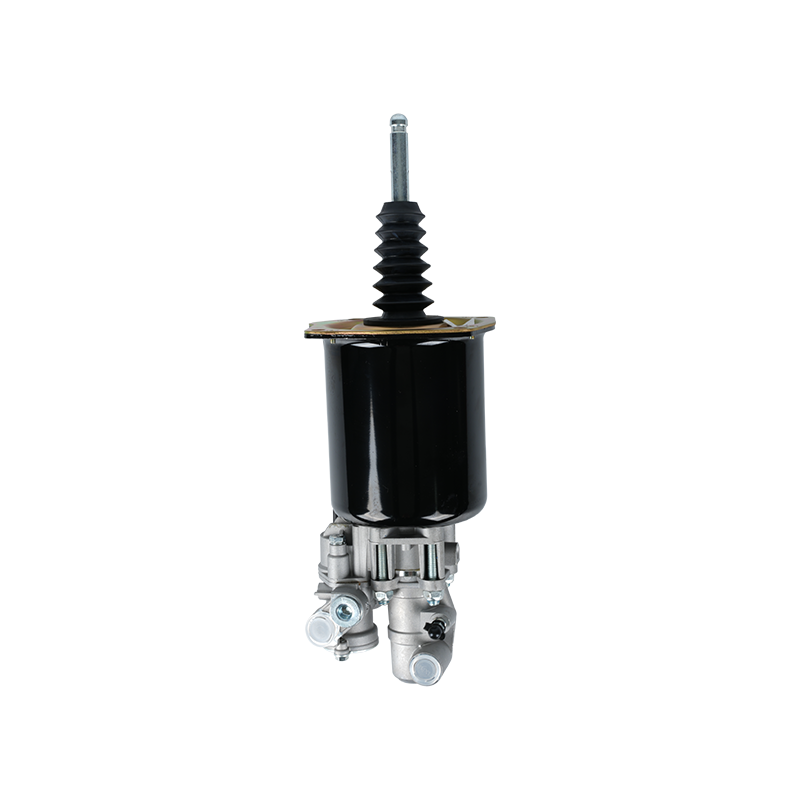
The drivetrain transfers engine power to the drive wheels. On a typical Class 8 truck, this means power flows from the engine through the clutch or torque converter, into the transmission, down the driveshaft, through the differential, and out to the rear axle shafts. Each link in this chain has its own set of heavy truck spare parts with specific names you need to know.
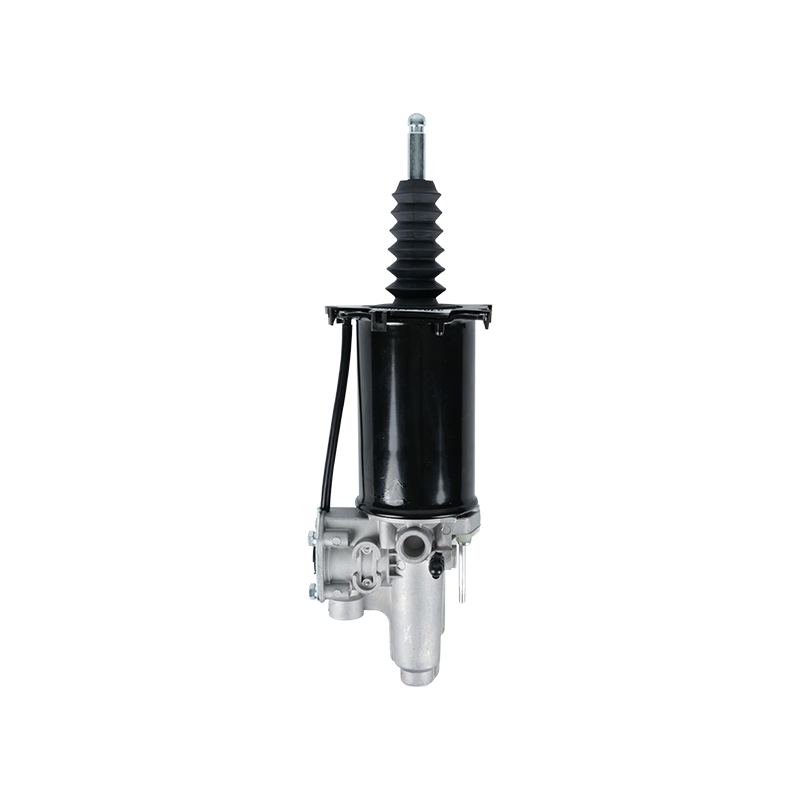
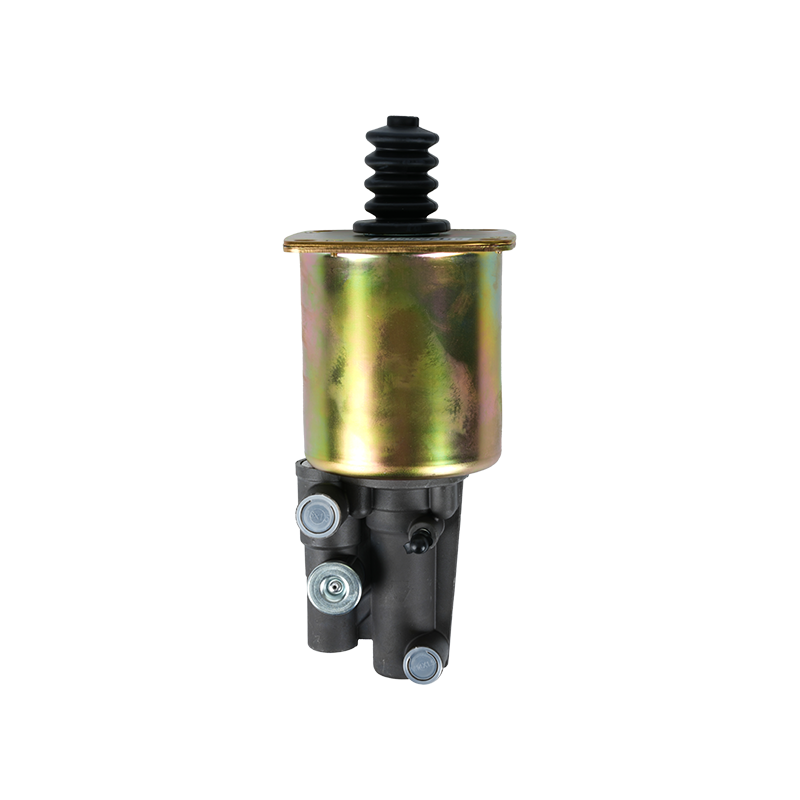
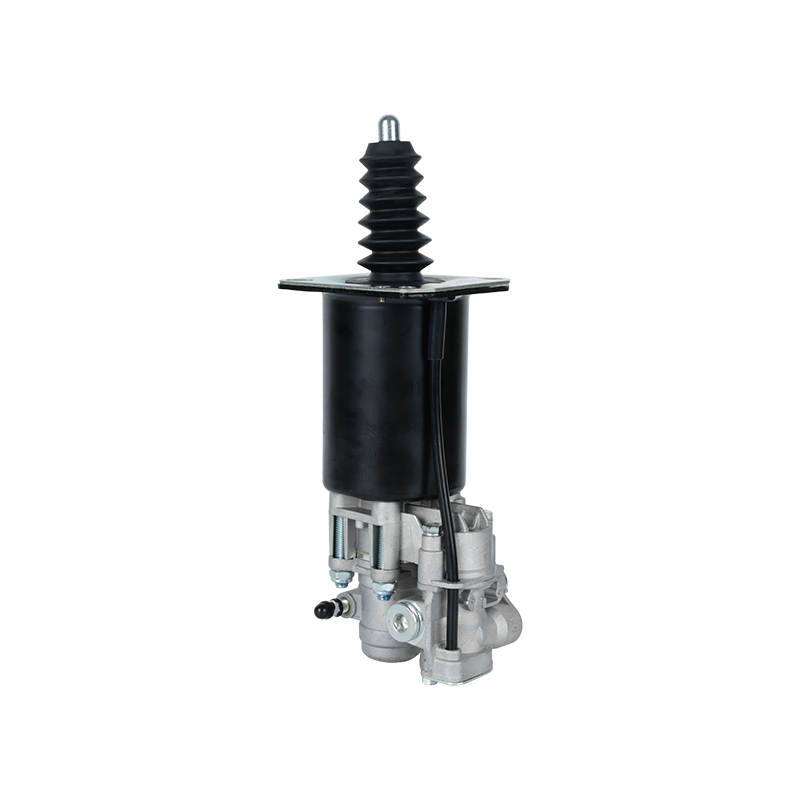
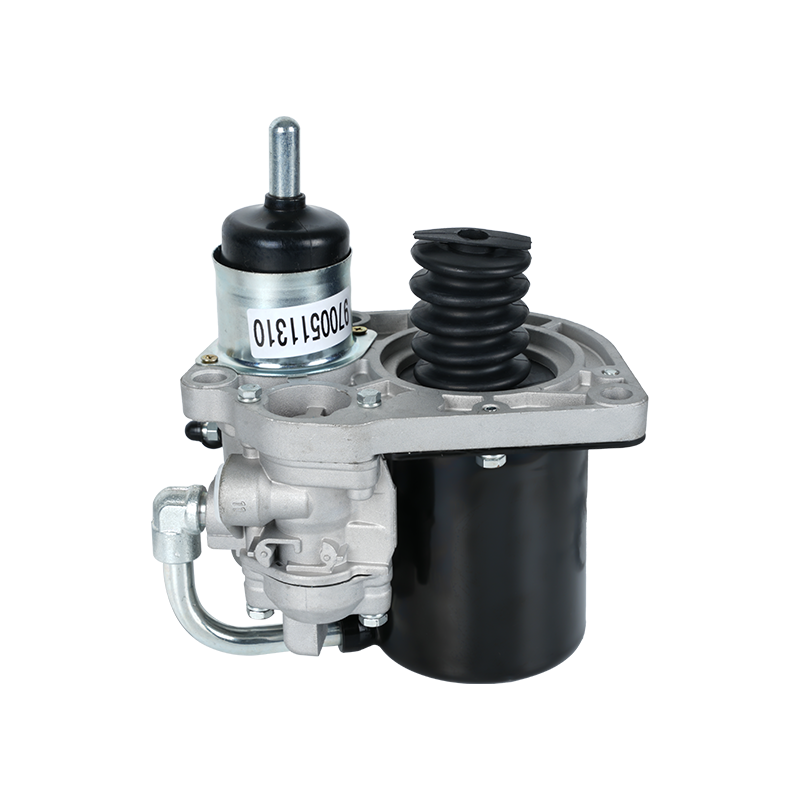
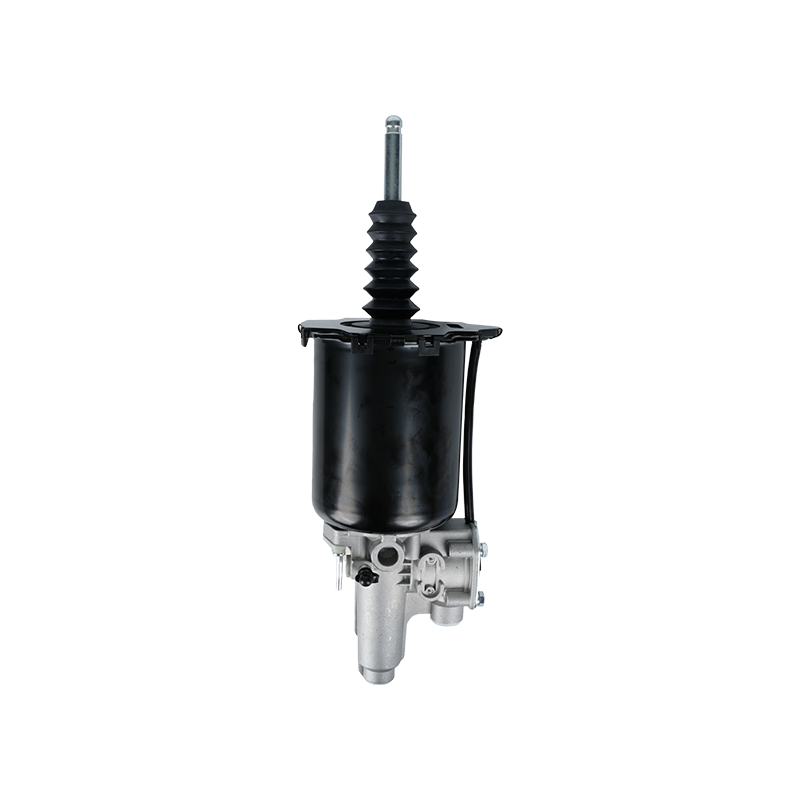
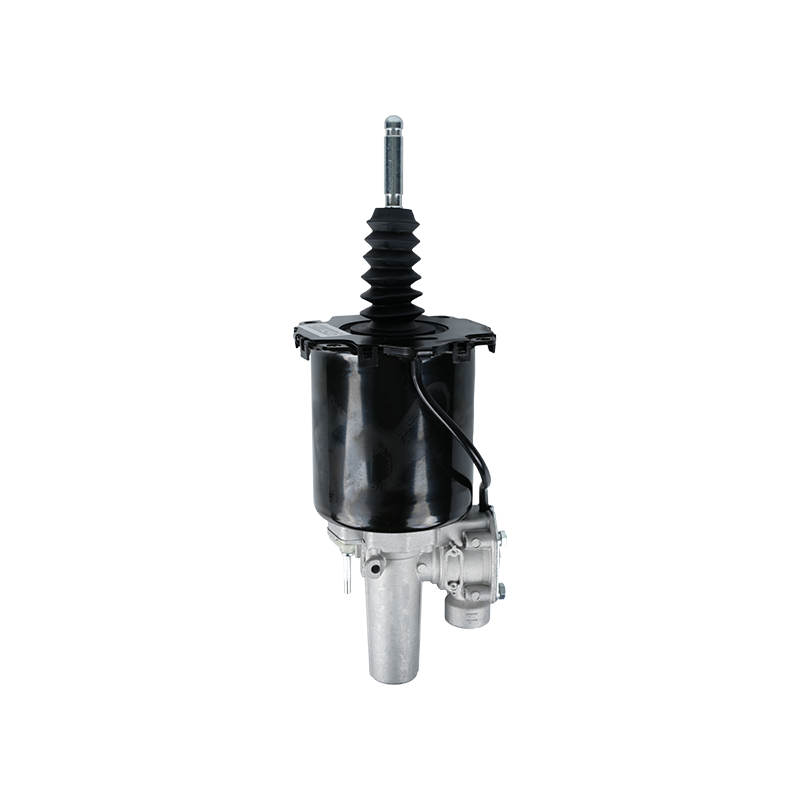
Manual transmission trucks use a multi-plate clutch assembly consisting of the clutch disc (friction disc), pressure plate, release bearing (throw-out bearing), pilot bearing, and flywheel. The clutch disc is the most commonly replaced heavy truck spare part in this group — typical service life ranges from 150,000 to 300,000 miles, depending on load cycles and driver habits. Clutch brake pads, clutch fork, and clutch linkage or hydraulic components (master cylinder and slave cylinder) round out the assembly.
Heavy trucks commonly use 10-speed, 13-speed, or 18-speed manual transmissions from manufacturers like Eaton Fuller, ZF, or Allison (for automatics). Transmission spare parts include synchronizer rings, shift forks, gear sets, input shaft, output shaft, countershaft, transmission housing, and PTO (power take-off) covers. The transmission oil pan gasket and transmission breather are small but frequently overlooked parts that prevent oil leaks and pressure buildup.
The driveshaft (propeller shaft) connects the transmission output to the rear axle differential. It uses universal joints (U-joints) at each end to accommodate angular movement as the suspension flexes. U-joints are inexpensive but critical heavy truck spare parts — a failed U-joint can destroy the driveshaft, damage the transmission tail housing, and create a serious road hazard. Slip yokes and center support bearings (carrier bearings) on multi-piece driveshafts are also common replacement items.
The rear axle assembly on a tandem-axle truck includes two differentials (forward and rear), axle shafts (half shafts), axle housing, wheel bearings, axle seals, and the inter-axle differential (power divider). Common truck parts names in this area include the ring gear, pinion gear, spider gears (differential side gears), differential carrier, and locking hub mechanisms. Axle seals are among the most frequently replaced heavy truck spare parts — they fail due to heat cycling, contamination, and bearing wear, and a leaking axle seal left unaddressed will destroy a wheel bearing within days.
Air brakes are standard on Class 7 and Class 8 trucks in North America. The air brake system is complex, with many more components than a hydraulic disc brake system on a passenger car. Getting the names right matters because ordering the wrong brake component can leave a truck grounded.
The suspension system absorbs road shock, maintains tire-to-road contact, and keeps the truck stable under varying loads. Steering components translate the driver's input into directional control. Both systems work together, and wear in one often accelerates wear in the other.
Most heavy trucks use a solid front axle (beam axle) with leaf spring suspension. Truck parts names here include the king pin and king pin bushings, steering knuckle, tie rod and tie rod ends, drag link, pitman arm, idler arm, wheel hub, front axle beam, and leaf spring pack. The king pin is a critical wear item — excessive king pin play causes tire wander and abnormal tire wear. King pin replacement kits are among the most common heavy truck spare parts ordered for front axle overhauls.
Air-ride front suspensions on some vocational trucks add air springs, height control valves, and shock absorbers to the parts list. The shock absorber (damper) controls oscillation — a worn shock allows excessive bounce, reduces tire contact, and accelerates leaf spring wear.
Tandem drive axles on Class 8 trucks typically use either leaf spring or air-ride suspension. Leaf spring rear suspensions use multi-leaf spring packs, spring hangers, spring pins and bushings, and equalizer beams (walking beams). Air-ride rear suspensions use air bags (air springs), height control valves (leveling valves), shock absorbers, and torque rods (radius rods).
Torque rod bushings and spring pin bushings are high-wear heavy truck spare parts. Worn bushings allow axle movement, leading to improper axle alignment, tire scrub, and accelerated tire wear — a hidden cost that far exceeds the price of the bushings themselves.
Heavy trucks use a recirculating ball power steering system, though some newer trucks use electric power steering. The steering gear (steering box) converts rotational steering wheel input into linear movement. From the steering gear, the pitman arm connects to the drag link, which connects to the steering knuckle arm on the right front wheel. A cross-steering (tie) rod connects the right and left knuckles to maintain wheel alignment. Steering system truck parts names also include the power steering pump, power steering hoses, power steering reservoir, and steering column components including the steering shaft, U-joints, and intermediate shaft.
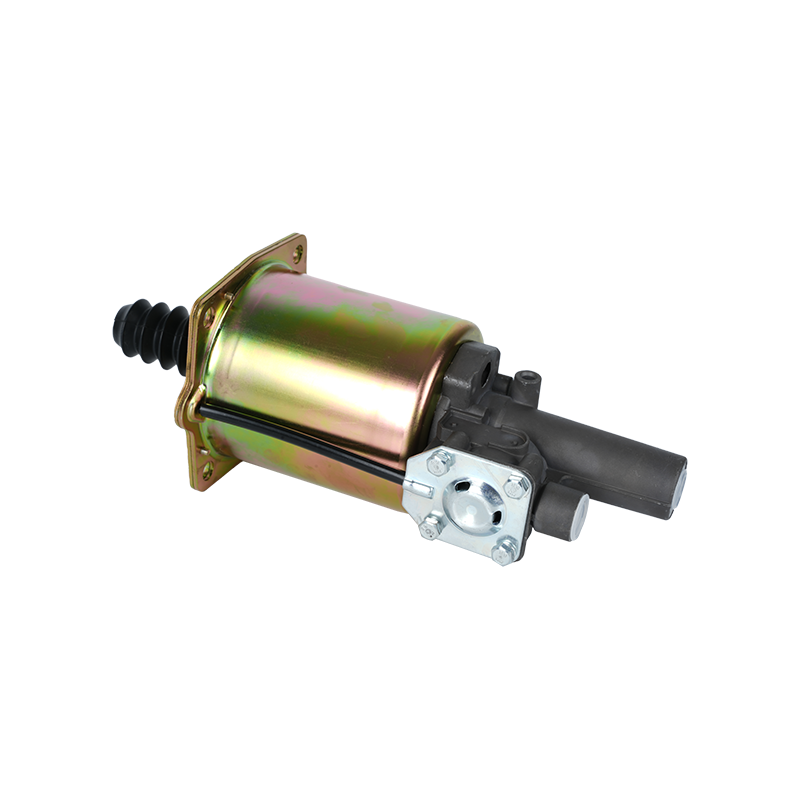
Modern heavy trucks carry sophisticated electrical systems far beyond simple lighting. Understanding electrical truck parts names helps technicians and parts managers order the right components without confusion between similar-sounding items.
The alternator (generator) charges the battery system while the engine runs. Heavy trucks typically run 24-volt electrical systems using two 12-volt batteries wired in series, or multiple batteries in series-parallel configurations. Alternator output on Class 8 trucks commonly ranges from 130 to 270 amps. Heavy truck spare parts in this system include the alternator, voltage regulator (often integrated into the alternator), alternator mounting bracket, serpentine belt, and battery cables. Batteries themselves — typically Group 31 or Group 4D AGM or flooded lead-acid — are the most frequently replaced electrical heavy truck spare parts.
The starter motor cranks the engine for starting. On diesel engines with high compression ratios (16:1 to 23:1), the starter must produce substantial torque. Starter motors, starter solenoids, and starter relay switches are common replacement heavy truck spare parts. Neutral safety switches (or clutch switches on manual transmissions) prevent starting unless the truck is in neutral or the clutch is depressed.
Federal Motor Carrier Safety Administration (FMCSA) regulations specify lighting requirements for commercial vehicles. Truck lighting parts names include headlights (low beam and high beam), fog lights, clearance lights (cab marker lights), identification lights (three amber lights on the front and three red lights on the rear), brake lights, turn signal lights, reverse lights, side marker lights, and ICC (glad hand) reflectors. LED lighting has largely replaced incandescent bulbs on newer trucks — LED modules are sealed units that are replaced as a whole, while incandescent fixtures use replaceable bulbs (common sizes: 1156, 1157, 3157, and 921).
Modern diesel trucks use dozens of sensors tied to the engine control module (ECM), transmission control module (TCM), and ABS control module. Common sensor names include the crankshaft position sensor, camshaft position sensor, mass airflow sensor (MAF), manifold absolute pressure sensor (MAP), exhaust gas temperature sensor (EGT), NOx sensor, diesel particulate filter (DPF) differential pressure sensor, and coolant temperature sensor. These sensors are increasingly significant heavy truck spare parts as engine electronics become more complex.
The cab protects the driver and houses controls. Body and cab truck parts names cover everything from structural components to comfort and safety systems inside the operator's environment.
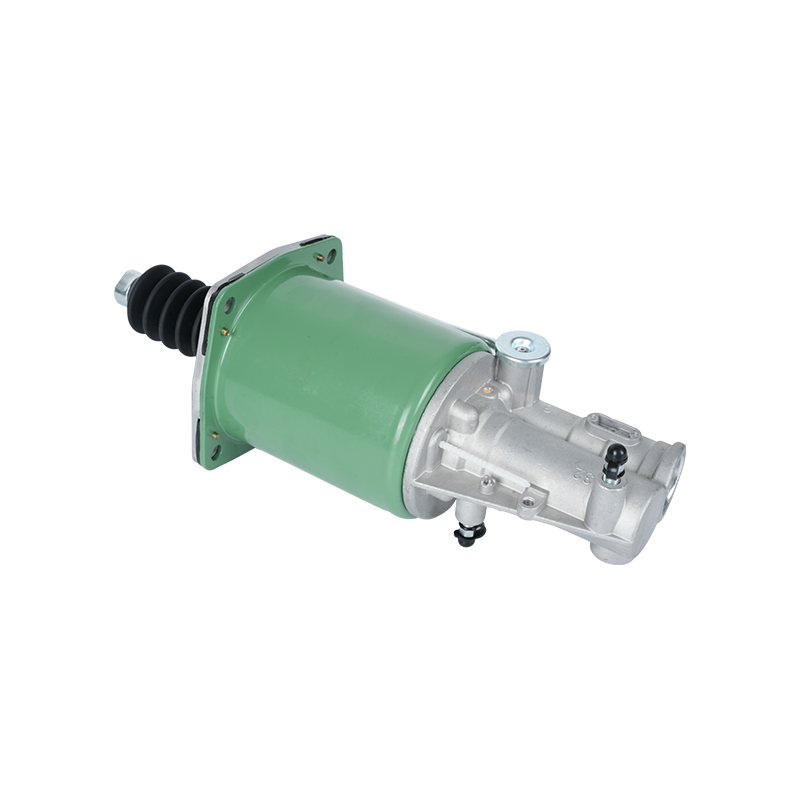
Since 2010, EPA emissions regulations have required all new heavy trucks to meet strict NOx and particulate matter limits. The aftertreatment system added to meet these requirements introduced a whole new category of truck parts names that technicians, fleet managers, and parts buyers need to understand.
The DOC is the first stage of the aftertreatment system. It oxidizes carbon monoxide (CO) and hydrocarbons (HC) and raises exhaust temperature to help the downstream DPF regenerate. DOC substrate cores and housings are heavy truck spare parts with significant price tags — core replacement on a Class 8 truck can cost $1,500 to $3,000 or more.
The DPF captures soot particles from the exhaust stream. It requires periodic regeneration (passive, active, or forced) to burn off accumulated soot. DPF differential pressure sensors, DPF temperature sensors, and the DPF filter substrate itself are all serviceable heavy truck spare parts. A clogged DPF that cannot be regenerated or cleaned typically costs $2,000 to $5,000 to replace.
The SCR system injects diesel exhaust fluid (DEF, also called AdBlue) into the exhaust stream upstream of the SCR catalyst. DEF reacts with NOx to convert it into nitrogen and water. Parts in this system include the DEF tank, DEF pump, DEF dosing injector (DEF injector), DEF lines and heated connectors, SCR catalyst, and NOx sensors (upstream and downstream of the SCR catalyst).
The exhaust gas recirculation (EGR) system recirculates a portion of exhaust gas back into the intake to reduce combustion temperatures and NOx formation. EGR truck parts names include the EGR valve, EGR cooler, EGR mixer, EGR differential pressure sensor, and associated coolant lines. The EGR cooler is a particularly failure-prone component — coolant leaks from EGR coolers can contaminate the oil system if not caught early.
Beyond the aftertreatment system, the traditional exhaust path includes the exhaust manifold, turbocharger exhaust housing, exhaust flex pipe, muffler (if equipped), exhaust stack (vertical pipe), exhaust clamps, and exhaust hangers. Exhaust manifold gaskets and exhaust flex pipes are among the most routinely replaced heavy truck spare parts in the exhaust path.
The wheel end is where all the mechanical systems ultimately meet the road. Wheel-end heavy truck spare parts failures are a leading cause of roadside breakdowns and are frequently cited in DOT inspections.
| Part Name | Function | Key Inspection Point |
|---|---|---|
| Wheel Hub | Mounts wheel to axle; houses bearings | Cracking, bearing race condition |
| Wheel Bearing | Reduces friction between rotating hub and stationary spindle | Play, noise, heat, lubricant condition |
| Hub Seal | Retains bearing lubricant; excludes contamination | Oil leaks, seal lip condition |
| Spindle Nut | Secures hub to spindle and sets bearing preload | Torque specification compliance |
| Wheel Stud | Threaded fastener that secures the wheel to the hub | Thread condition, proper torque |
| Lug Nut | Secures wheel to hub via wheel stud | Torque to spec (typically 450–500 ft-lbs on drives) |
| Valve Stem | Allows tire inflation and pressure checking | Seal condition, valve core |
Tire pressure monitoring systems (TPMS) add sensor components at each wheel position, including TPMS sensors, TPMS valve stems, and the central receiver/control unit. Wheel bearing failures account for a significant percentage of out-of-service violations at roadside inspections — regular hub oil checks and bearing inspections during preventive maintenance intervals are non-negotiable for compliant fleet operations.
Knowing truck parts names is half the battle. Sourcing the right parts efficiently requires a systematic approach. The same component can be called different things by different manufacturers, and a name difference between suppliers can lead to receiving the wrong part entirely.
For fleet operators managing multiple truck makes and models, investing in electronic parts catalogs (EPCs) from major suppliers significantly reduces ordering errors. Many suppliers now offer online platforms where a VIN or engine serial number returns a complete bill of materials for the vehicle — making it straightforward to find the correct heavy truck spare parts the first time.


 English
 中文简体
中文简体 русский
 عربى
عربى