


 (+86)-137 5851 1881
(+86)-137 5851 1881
(+86)-137 5851 1881



Content
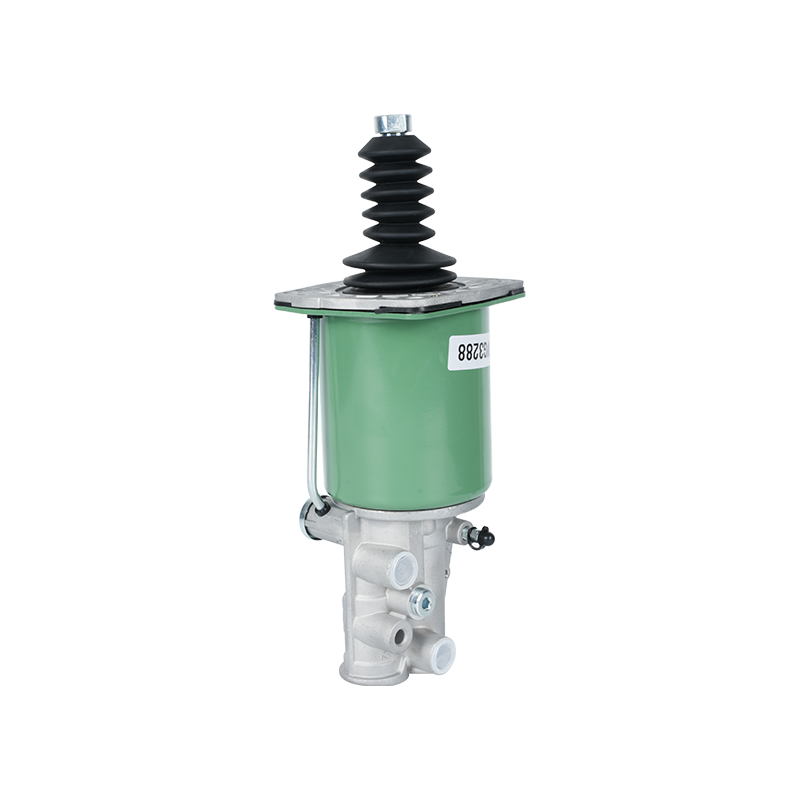
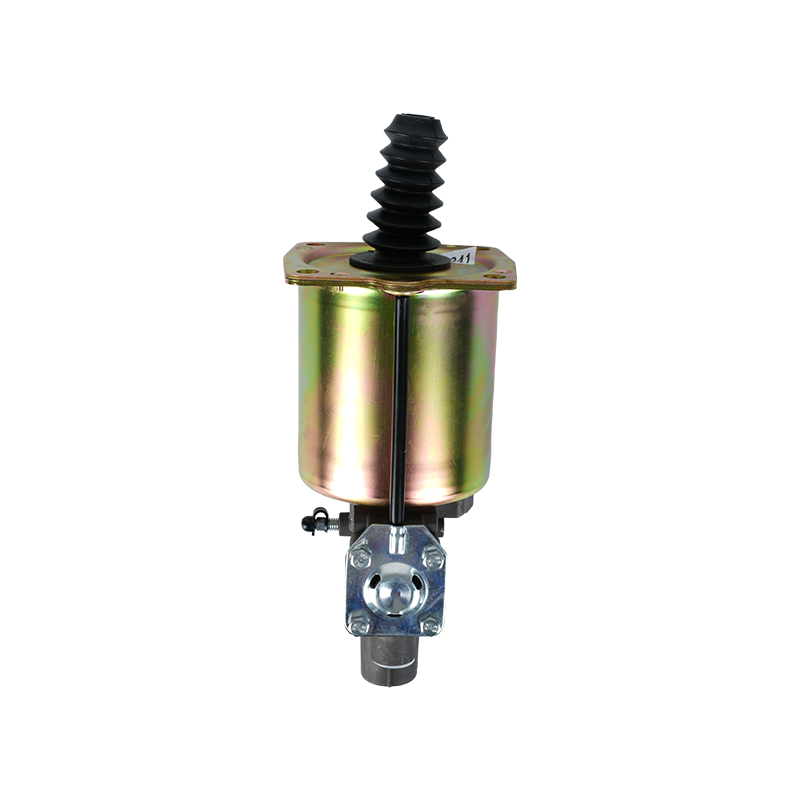
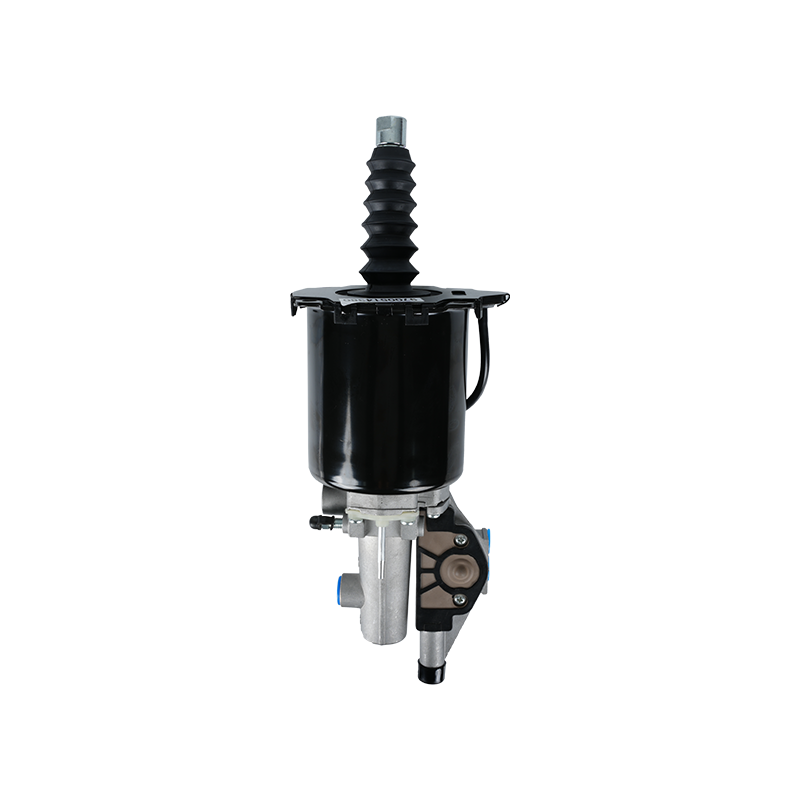
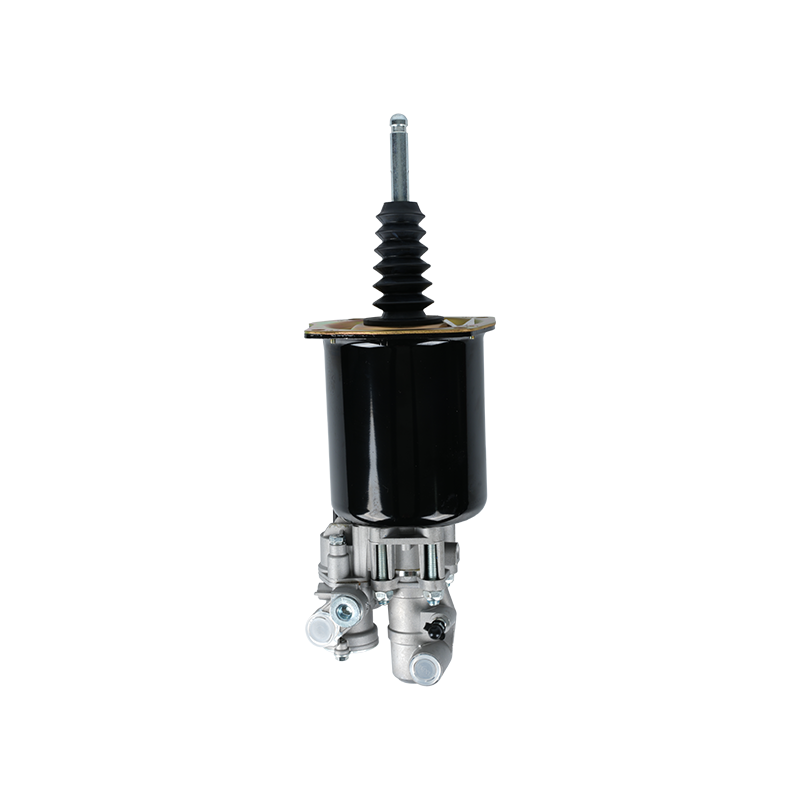
A failing clutch booster almost always announces itself through the pedal first. If the clutch pedal suddenly feels heavier, spongy, or inconsistent, and this is paired with fluid leaks, unusual noises, or gear-shifting difficulty, the booster unit is the most likely culprit. The seven clearest signs are: a hard or heavy clutch pedal, a spongy or sinking pedal, visible fluid or air leaks around the booster housing, hissing or clunking noises during shifts, difficulty finding or slipping out of gear, a burning smell from clutch slippage, and a pedal that stays down after being pressed. Catching these symptoms early can prevent a complete clutch failure and avoid costly downtime for trucks and heavy-duty vehicles that rely on a Clutch Booster Series assist unit for every gear change.
On heavy trucks, buses, and construction machinery, the clutch pedal effort required without assistance can exceed what a driver can comfortably apply hundreds of times a shift. A clutch booster—whether hydraulic, pneumatic, or vacuum-based—uses stored air or hydraulic pressure to multiply the driver's foot force at the pedal. Industry data on commercial clutch systems shows that a properly functioning booster can reduce required pedal effort by more than 70%. When this component starts to fail, that force reduction disappears gradually, which is why many drivers mistake early symptoms for normal clutch wear rather than a booster problem.
This is the single most reported symptom of clutch booster failure. If pressing the clutch suddenly requires noticeably more leg force than usual, the booster is likely no longer generating enough assist pressure. This typically points to one of the following internal issues:
If the pedal feels heavy even when the engine is running (which should supply vacuum or air pressure to the booster), the fault is almost certainly internal to the booster rather than in the linkage or cable.
The opposite symptom is equally telling. A pedal that feels spongy, sinks slowly to the floor, or loses resistance partway through the stroke usually indicates internal air ingress in a hydraulic booster circuit, or a failing seal that lets pressure bleed off before the clutch fully disengages. This often makes shifting feel inconsistent from one gear change to the next, since the amount of assist varies depending on how much residual pressure remains in the system at that moment.
Because a clutch booster combines a hydraulic cylinder and an air or vacuum chamber in one housing, it is a common leak point. Inspect the unit and surrounding lines for:
Leaks are usually caused by worn seals or, in older designs where the air cylinder and hydraulic cylinder are manufactured as separate parts, by eccentric wear between the two sections. This is one reason integrated aluminum-alloy booster designs, which combine both chambers into a single sealed unit, tend to hold pressure longer than older split-cylinder designs.
Unusual sounds during clutch operation are a strong indicator of a mechanical problem inside or around the booster:
| Noise Heard | Likely Cause |
|---|---|
| Sharp hissing on pedal press | Air leak from a damaged diaphragm or fitting |
| Metallic clunk on release | Worn push rod joint or loose mounting bolts |
| Grinding during gear engagement | Insufficient clutch disengagement from low booster pressure |
| Rattling at idle | Loose internal piston or worn mounting bracket |
When the booster cannot generate full assist pressure, the clutch may not disengage completely, making it hard to move the shift lever into gear, especially into first or reverse. In more advanced failure, drivers may notice the transmission popping out of gear under load, since the clutch is not fully engaging or releasing as designed. This symptom is frequently mistaken for a transmission or clutch disc problem, but if it appears alongside a change in pedal feel, the booster should be inspected first, since it is a simpler and less expensive component to diagnose.
If the booster fails to fully release the clutch, the clutch disc can remain in partial contact with the flywheel even after the pedal is pressed. This causes slippage, which generates friction heat and a distinct burning odor, along with a noticeable loss of acceleration power, particularly when climbing grades or hauling heavy loads. Left unaddressed, this accelerates wear on the clutch disc and pressure plate, turning a relatively inexpensive booster repair into a full clutch replacement.
A healthy booster returns the pedal to its resting position quickly and consistently. If the pedal stays depressed, returns sluggishly, or requires being pulled back up by foot, the return spring or internal piston seal has likely failed. This is a safety-relevant symptom, since it directly affects the driver's ability to control gear changes, and vehicles showing this sign should be taken out of service until the booster is inspected.
Because pedal symptoms can also come from the clutch disc, pressure plate, master cylinder, or linkage, a short diagnostic sequence helps isolate the booster before ordering parts:
If the symptoms persist after ruling out the supply lines, linkage, and fluid levels, the booster's internal seals, diaphragm, or piston are the most probable source, and replacement is generally more cost-effective than attempting a field rebuild on a sealed unit.
For most commercial vehicles, replacing a worn clutch booster costs significantly less than the downtime and secondary damage caused by continued operation with a failing unit. Key factors to weigh:
A well-built Clutch Booster Series unit designed with triple-seal construction and low-temperature-resistant components is intended to maintain stable pressure across a wide operating range, which helps fleets avoid repeat failures tied to seasonal temperature swings.
Routine attention to the clutch booster and its supporting system can delay or prevent most of the failure modes listed above:
Because the booster shares its air supply with other pneumatic systems on many commercial vehicles, a general air-system inspection during scheduled maintenance often catches early booster issues before they reach the driver's seat.
Zhuji Tianbo Auto Parts Co., Ltd. specializes in the design and manufacture of hydraulic, pneumatic, and vacuum clutch boosters for heavy trucks, trailers, and commercial vehicles. The company's Clutch Booster Series uses an integrated aluminum-alloy cylinder construction that combines the air and hydraulic chambers into a single sealed unit, reducing the leak points common in older split-cylinder designs. Production is carried out under an ISO/TS16949-certified quality management system, and the product line is supplied to commercial vehicle operators across multiple international markets. Buyers evaluating a replacement or custom-specification clutch booster can review the current lineup on the Clutch Booster Series product page for compatibility and specification details.


 English
 中文简体
中文简体 русский
 عربى
عربى