


 (+86)-137 5851 1881
(+86)-137 5851 1881
(+86)-137 5851 1881



Content
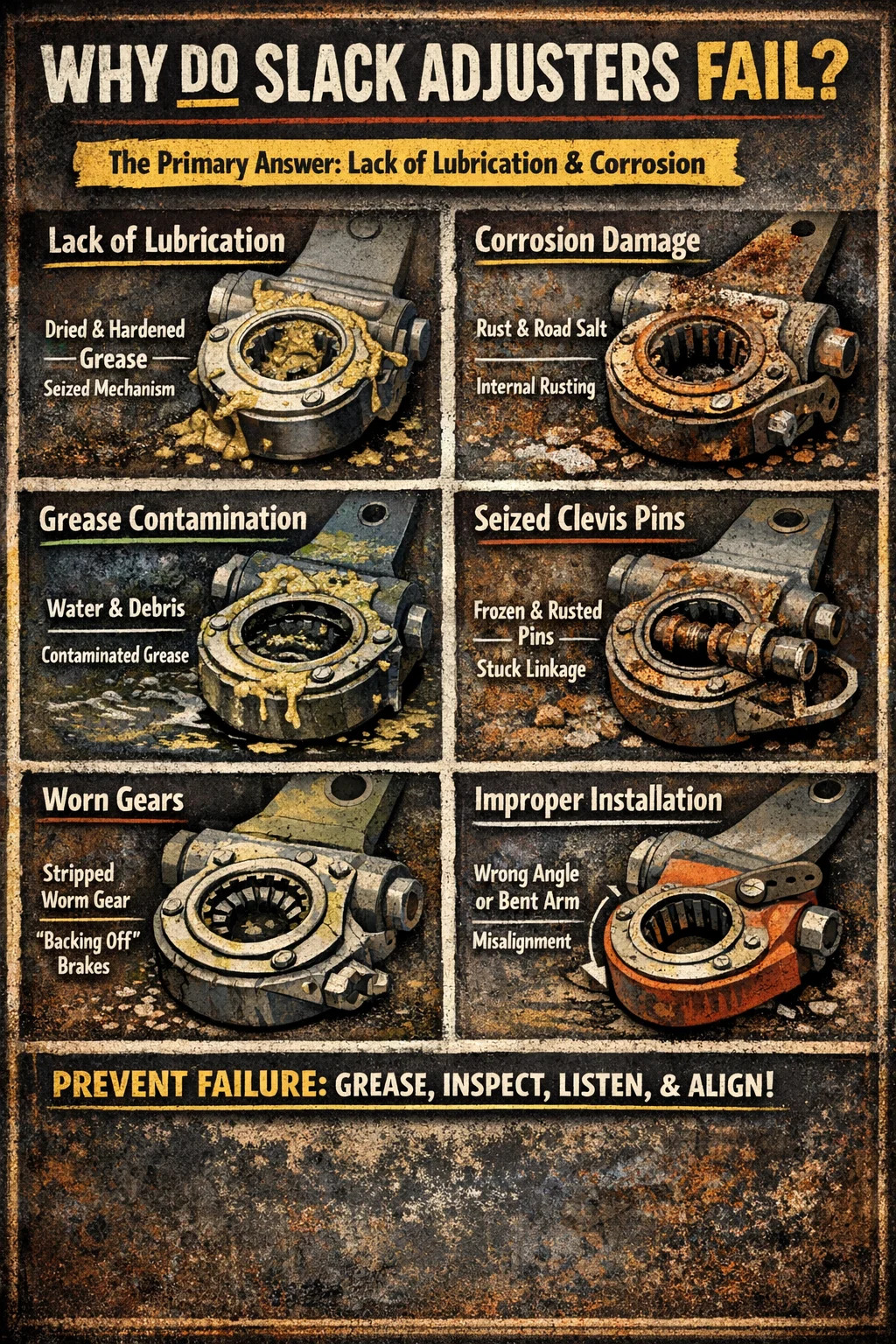
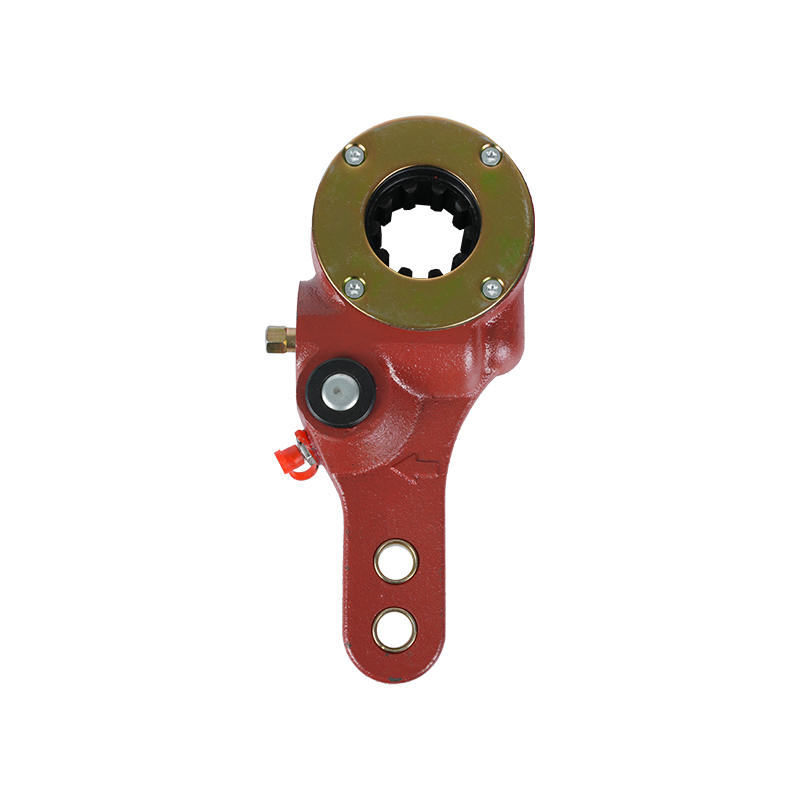
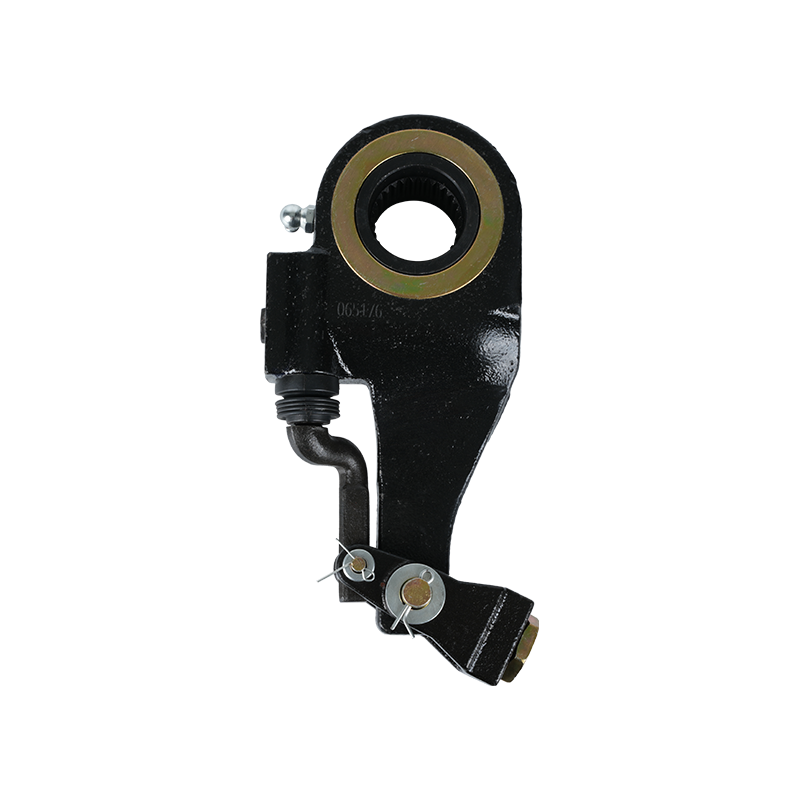
In the vast majority of cases, slack adjusters fail due to a lack of routine lubrication and environmental corrosion. Because these components are located on the underside of the chassis, they are constantly bombarded by road debris, water, and caustic de-icing chemicals. When the internal grease dries out or becomes contaminated, the delicate internal ratcheting mechanism seizes or wears down, preventing the component from automatically adjusting the brake shoe clearance. Secondary causes include internal mechanical wear of the gears and improper installation of the control arm.
Lubrication is the lifeblood of both manual and automatic slack adjusters. These units contain high-precision gears, clutches, and springs that must move freely to detect minute changes in brake stroke.
Over time, the grease inside the housing can emulsify with water or harden into a waxy substance. When this happens, the internal pawl—the tiny tooth that engages the adjustment gear—cannot move. If the pawl stays retracted, the slack adjusters will simply stop adjusting, leading to excessive pushrod travel and reduced braking efficiency.
A common maintenance error is failing to "purge" the old grease. You should pump new grease into the zerk fitting until clean lubricant exits from around the camshaft and the adjuster's pressure relief valves. This ensures that any abrasive grit or salt trapped inside is physically pushed out of the system.
Modern road salts and liquid brines (like magnesium chloride) are incredibly aggressive toward metal. Since slack adjusters are exposed to the elements, they are prone to "frozen" components.
Even with perfect maintenance, every mechanical part has a lifespan. The constant vibration of the road and the thousands of cycles of the brake pedal eventually take a toll on the internal hardware.
| Internal Component | Failure Mode | Resulting Symptom |
|---|---|---|
| Worm Gear | Stripped or chipped teeth | Brakes "backing off" during driving |
| One-Way Clutch | Slipping due to oil/heat | No adjustment during brake application |
| Return Spring | Snapped or weakened metal | Over-adjustment and dragging brakes |
Stripped worm gears are particularly common on older trucks. When the driver applies the brakes, the pressure is so high that the worm gear actually slips backward if the teeth are worn. This creates a dangerous cycle where the brake gets looser with every single stop.
Surprisingly, many slack adjusters fail because they were never set up correctly from day one. These are not "plug and play" parts; they require precise positioning.
Most manufacturers require the slack adjuster to be installed at a specific angle (often measured using a template) relative to the pushrod. If the angle is off by even 10 to 15 degrees, the internal mechanism won't "click" into the next adjustment tooth. This leads to the illusion of a broken part when it is actually just an installation error.
If a driver or mechanic tries to "adjust" an automatic model by force without releasing the internal pawl, they can strip the internal gears. Using a high-torque impact wrench on the adjustment bolt is a guaranteed way to destroy the clutch, turning a functional slack adjuster into a useless piece of scrap metal.
To ensure your slack adjusters last their full service life (which should be several years under normal conditions), follow these guidelines:


 English
 中文简体
中文简体 русский
 عربى
عربى