


 (+86)-137 5851 1881
(+86)-137 5851 1881
(+86)-137 5851 1881



Content
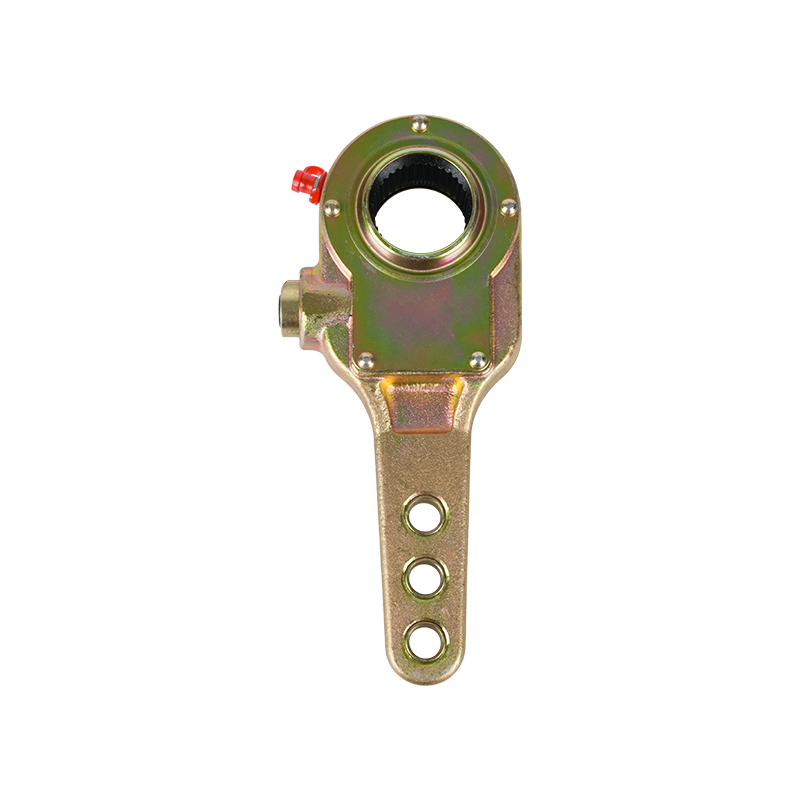
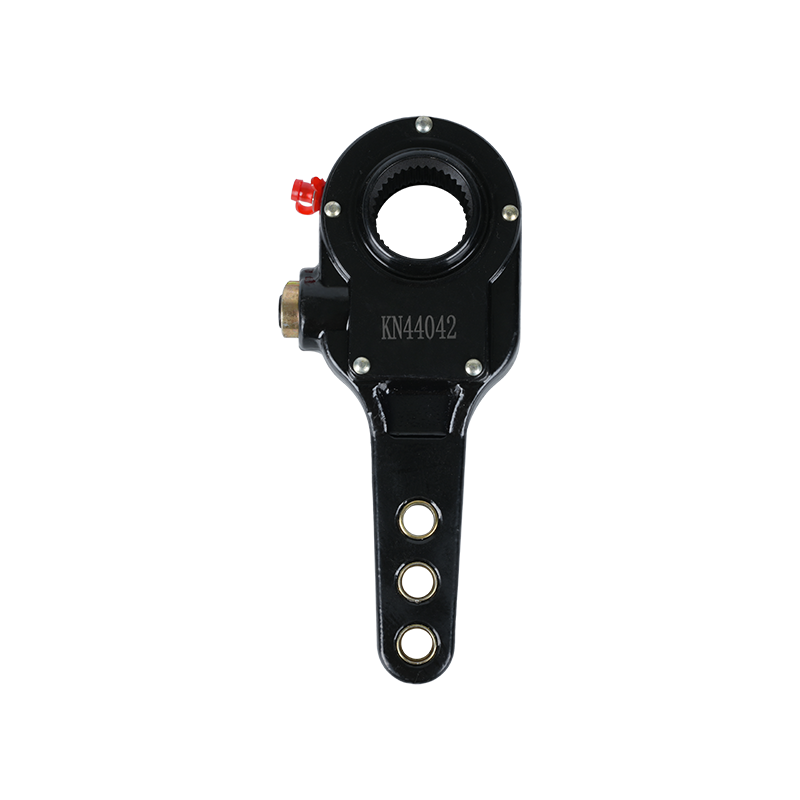
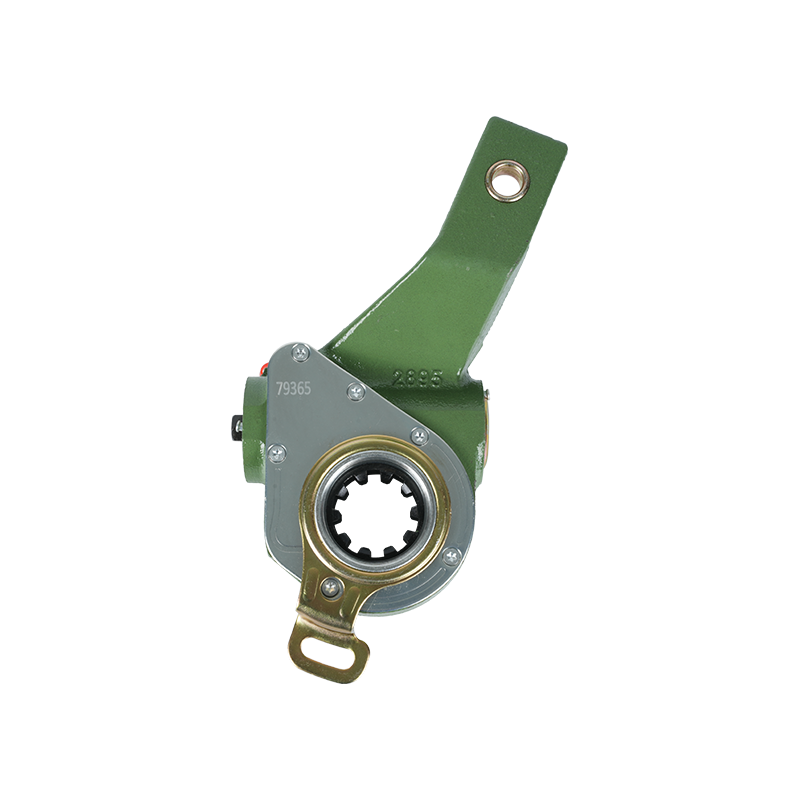
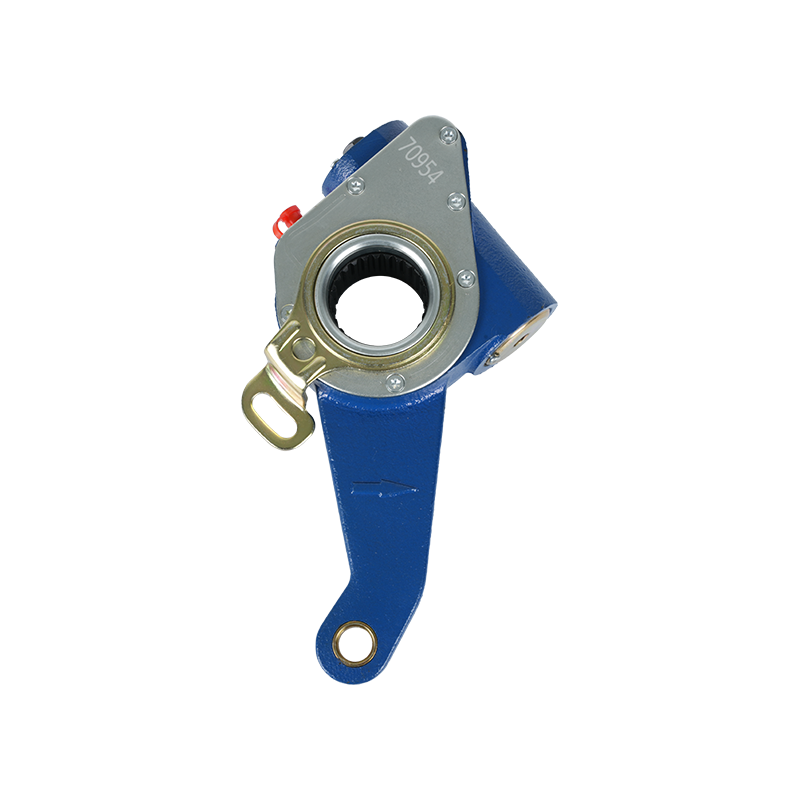
An automatic slack adjuster is a self-adjusting mechanical arm mounted on the brake camshaft of a drum brake system, and its direct job is to keep the clearance between the brake shoe and the brake drum within a safe, consistent range as the friction material wears down. Unlike a manual slack adjuster, which requires a technician to physically turn an adjusting bolt at scheduled intervals, an automatic slack adjuster senses excessive push rod travel during each brake application and compensates for it internally, usually keeping the gap within roughly 0.25 mm to 0.5 mm without any driver or workshop intervention.
This function is not a minor convenience. Brake shoe linings on a heavy truck or trailer wear continuously with mileage, and if the resulting slack is left unmanaged, push rod stroke lengthens, brake pedal travel increases, and stopping force weakens. Industry inspection data collected by commercial vehicle safety programs has repeatedly identified out-of-adjustment brakes as one of the most common defects found during roadside inspections, which is precisely the failure mode that the automatic slack adjuster and adjustment mechanism were engineered to eliminate.
Even though the automatic slack adjuster is designed to self-correct, it is not immune to wear, contamination, or internal clutch mechanism failure. Fleet maintenance teams generally rely on the following signals to flag a unit before it causes a slack adjuster adjustment failure on the road.
Left unaddressed, any of these signs can progress into a full slack adjuster adjustment failure, where the arm can no longer maintain proper clearance, forcing an emergency manual reset or part replacement.
Choosing between an automatic slack adjuster and a manual unit is largely a question of maintenance philosophy, fleet size, and duty cycle. The table below summarizes the practical differences that matter most to a maintenance manager or vehicle owner.
| Feature | Automatic Slack Adjuster | Manual Slack Adjuster |
|---|---|---|
| Adjustment method | Self-compensating with each brake stroke | Requires periodic manual turning |
| Maintenance frequency | Inspection only, no routine adjustment | Scheduled adjustment every service interval |
| Risk of driver error | Low | Higher, depends on technician diligence |
| Upfront part cost | Moderately higher | Lower |
| Common use case | Highway trucks, trailers, fleet vehicles | Older platforms, budget-driven rebuilds |
Most highway tractors and trailers manufactured in the last two decades ship with an automatic slack adjuster as standard equipment, and many regulatory frameworks for commercial vehicles now assume automatic adjustment as the baseline expectation for roadworthiness inspections.
A correct slack adjuster adjustment check does not require disassembly. The most widely used field method is the push rod travel test, and it can be completed in a few structured steps.
Technicians should never force-adjust an automatic slack adjuster with a wrench during routine service, because most designs use an internal one-way clutch that self-locks against manual backward rotation. If a unit will not self-adjust after several full brake applications, the internal mechanism is almost certainly worn or seized and the part should be replaced rather than repeatedly forced.
Proper installation directly affects how well an automatic slack adjuster performs over its service life. A few practical habits separate a reliable installation from one that fails prematurely.
Fleets that follow a structured inspection routine, rather than relying entirely on the self-adjusting function, consistently report fewer out-of-service brake violations during roadside inspections and lower unplanned downtime.
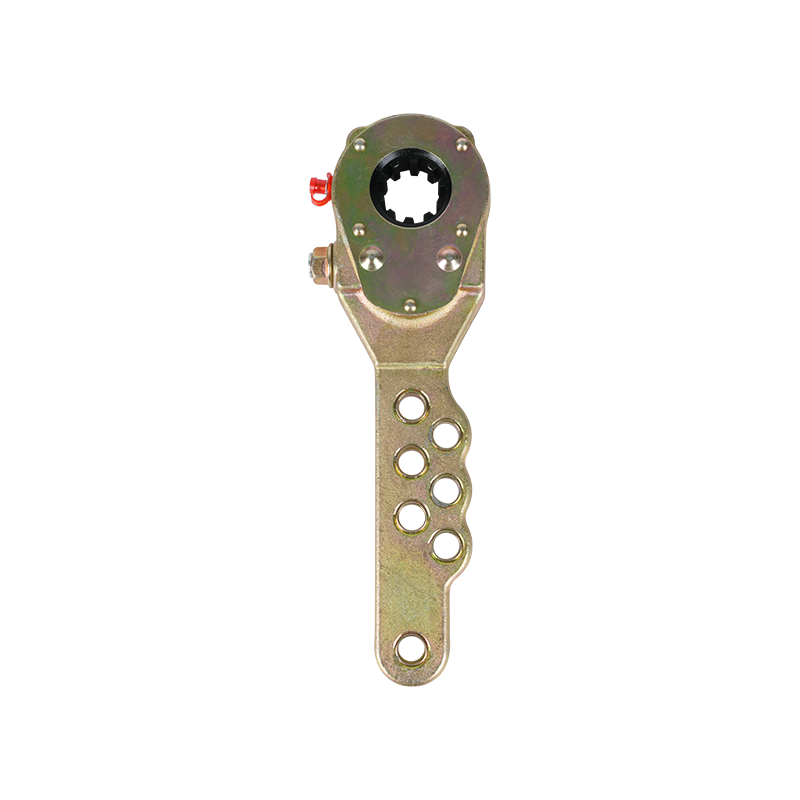
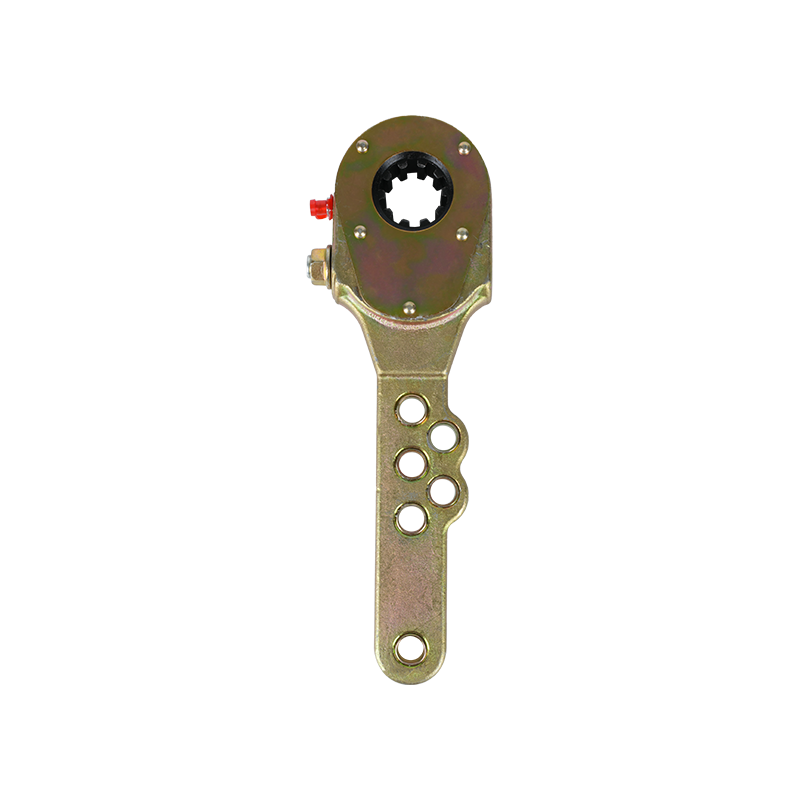
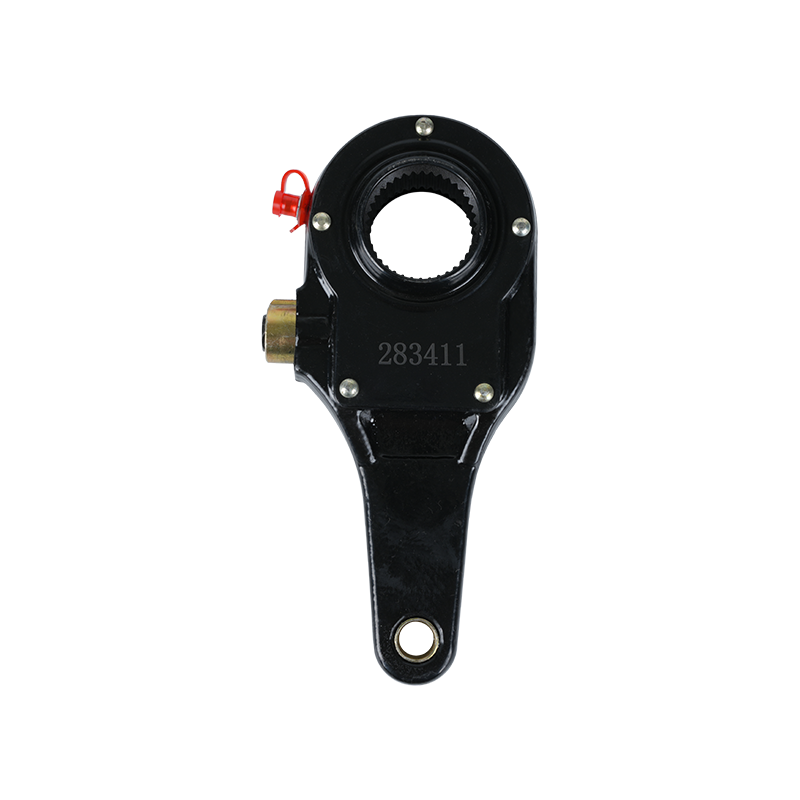
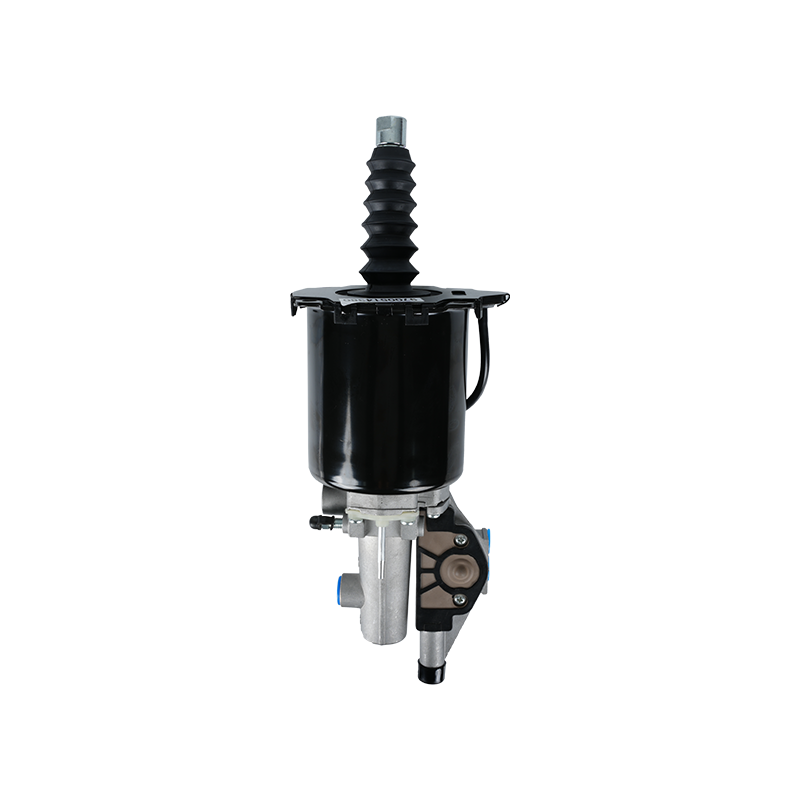
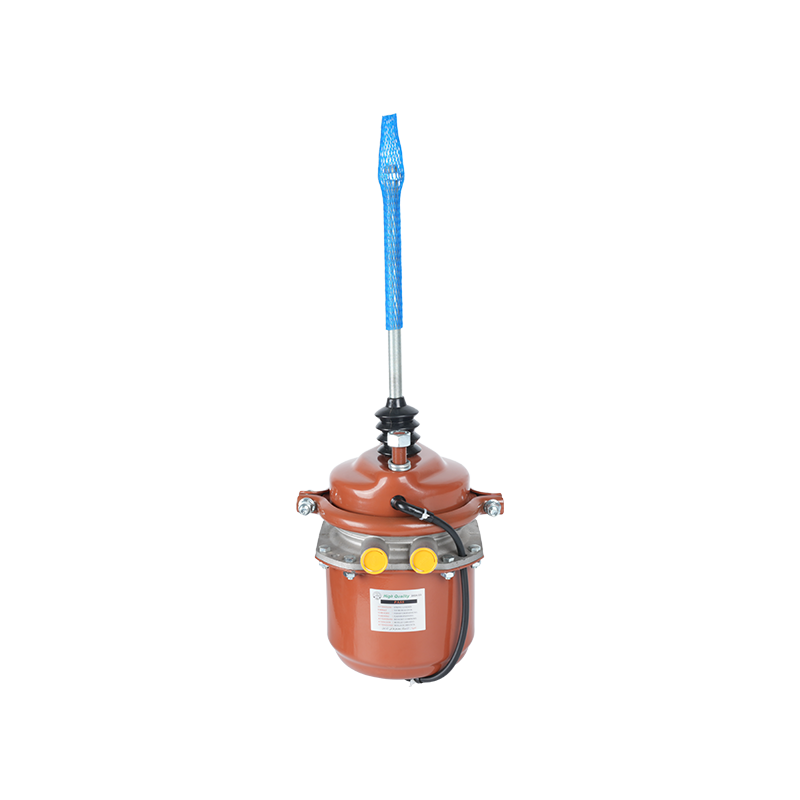
Because the automatic slack adjuster is a safety-critical component, material quality and manufacturing consistency matter as much as price. Zhuji Tianbo Auto Parts Co., Ltd., based in Zhuji City, Zhejiang Province, China, is one manufacturer that focuses specifically on heavy-duty truck and trailer brake components, including automatic slack adjuster units, double spring slack adjuster designs, locking sleeve structure adjusters, clutch booster series parts, and brake chambers. The company's automatic slack adjuster line is engineered around a two-way adjustment function intended to correct both under-adjustment and over-adjustment conditions that can otherwise result from installation error, and its production is carried out under an ISO/TS16949 quality management framework with products supplied to markets in Europe, the United States, and Southeast Asia.
When evaluating any automatic slack adjuster supplier, buyers should look for a few concrete indicators of quality beyond price: documented compatibility across common heavy-duty platforms, third-party or internationally recognized quality certification, published tolerance data for gap adjustment accuracy, and a track record of export experience that suggests the parts have already passed varied climate and duty-cycle conditions. A supplier that can provide working length options, cylinder specifications, and load tolerance figures for its automatic slack adjuster range gives buyers the technical detail needed to match the part correctly rather than guessing based on vehicle model alone.
Under normal operating conditions, no. The internal clutch mechanism of the automatic slack adjuster compensates for lining wear on its own with each brake application. Manual adjustment is only appropriate during initial installation to set the correct starting clearance, or as an emergency temporary measure when a unit has clearly failed and immediate replacement is not yet possible.
Service life varies with duty cycle, road conditions, and maintenance quality, but many heavy-duty units are designed to last through several brake lining replacement cycles when properly greased and inspected, which for a typical highway fleet can translate to well over 150,000 kilometers of service before replacement becomes necessary.
Yes. If the clutch mechanism seizes or slips, the adjuster can stop compensating for lining wear, allowing push rod stroke to exceed the safe range. This reduces the brake's mechanical advantage and can significantly lengthen stopping distance, which is why push rod stroke checks are a standard part of commercial vehicle brake inspections.


 English
 中文简体
中文简体 русский
 عربى
عربى