


 (+86)-137 5851 1881
(+86)-137 5851 1881
(+86)-137 5851 1881



Content
Clutch boosters are primarily used in heavy-duty commercial vehicles equipped with manual transmissions, including semi-trucks, buses, dump trucks, cement mixers, agricultural tractors, and other large vehicles that require significant clutch pedal effort. Because manual clutch systems in heavy vehicles demand far more force than passenger cars, a clutch booster amplifies driver input using air pressure, hydraulic pressure, or a combination of both, making the pedal easier to press while maintaining precise control.
Unlike passenger cars, which typically rely on a simple hydraulic clutch master and slave cylinder, heavy trucks and buses use a much larger clutch plate and pressure plate assembly. Pressing this manually would require excessive leg force, especially in stop-and-go traffic or repeated shifting during long-haul driving. This is why clutch boosters have become standard equipment across most Class 6 to Class 8 trucks, city buses, and off-road heavy machinery.
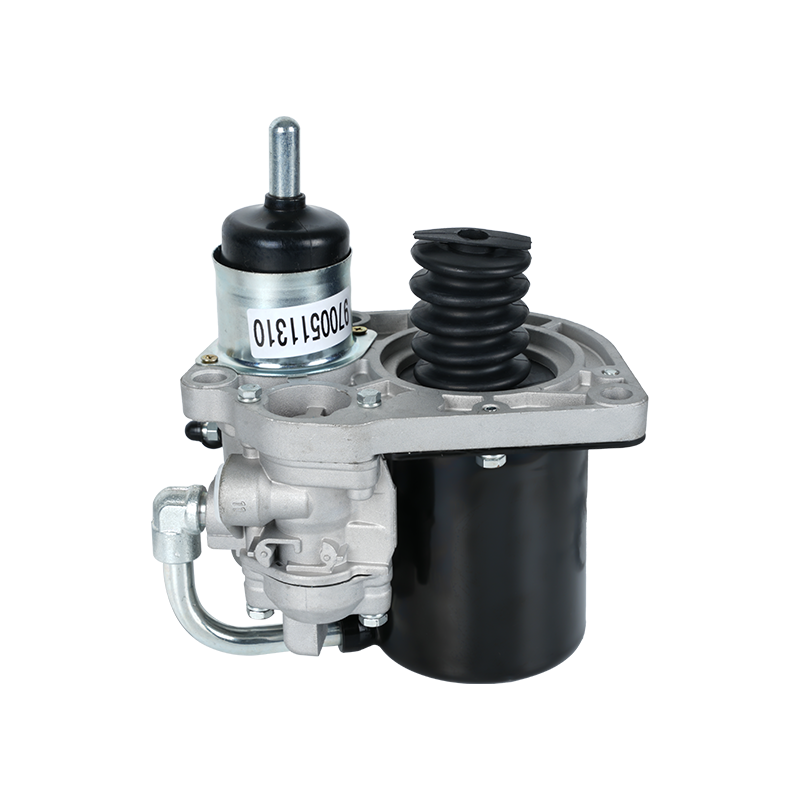
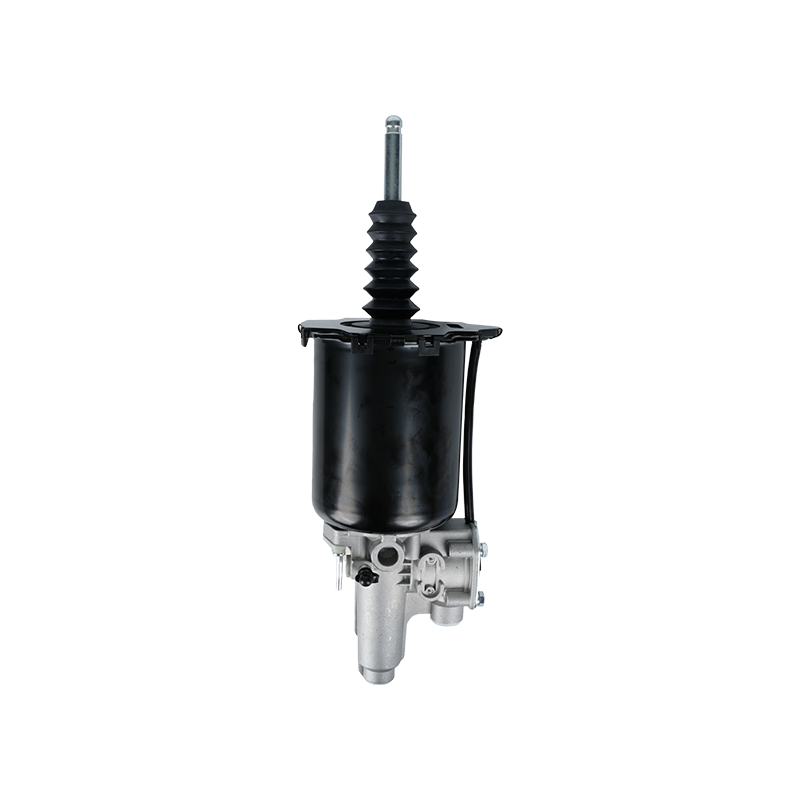
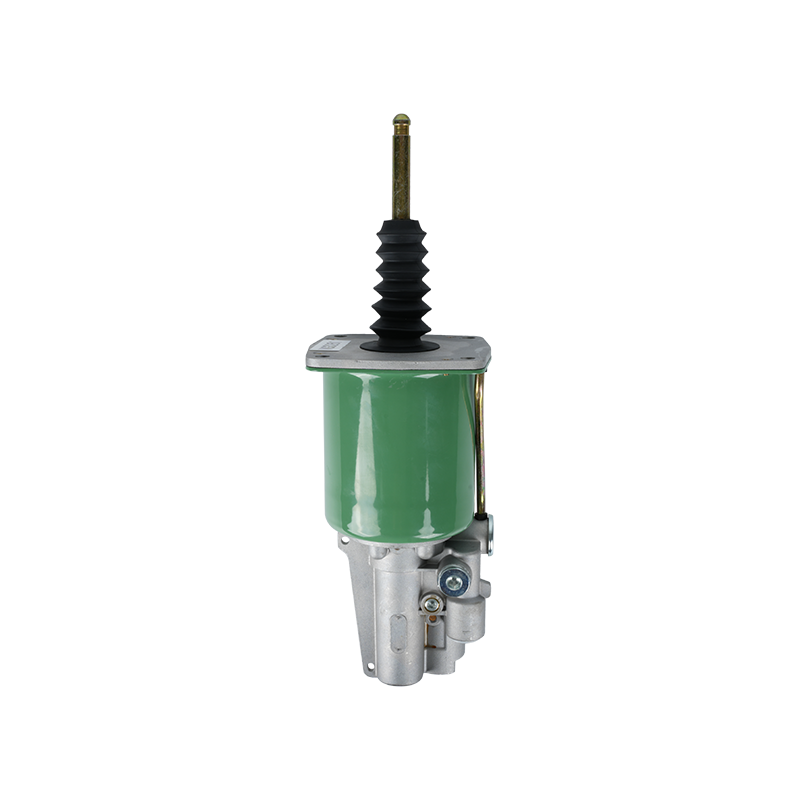
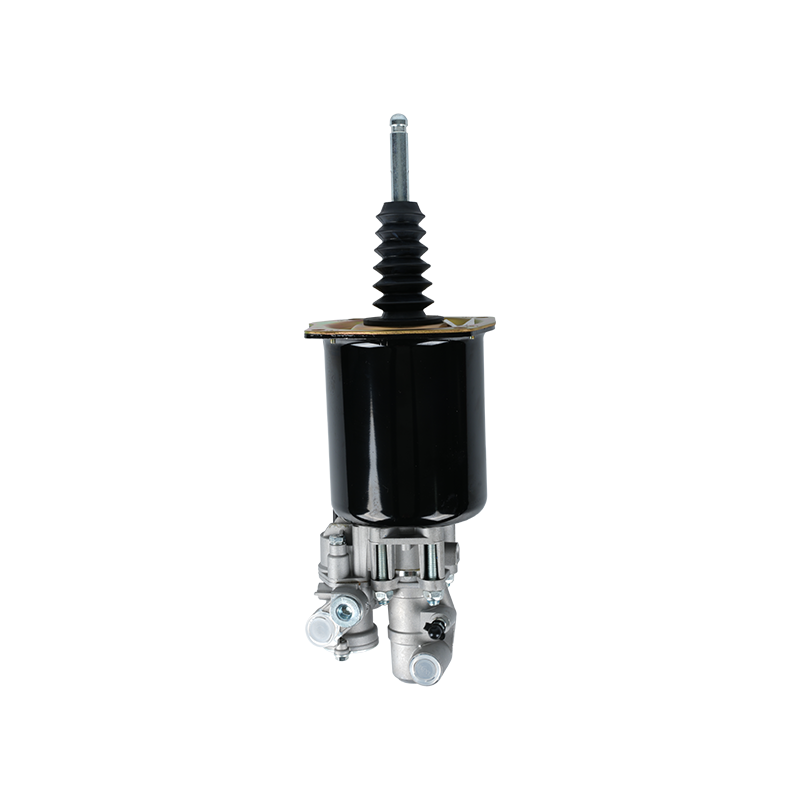
A clutch booster sits between the clutch master cylinder and the clutch release mechanism. When the driver presses the clutch pedal, hydraulic pressure activates a valve inside the booster. This valve then allows compressed air (in air-over-hydraulic systems) or additional hydraulic pressure to assist in pushing the piston, multiplying the force applied to the clutch fork or release bearing.
This system reduces the physical effort required by up to 70 percent compared to a non-boosted manual clutch, according to commercial vehicle component manufacturers, significantly reducing driver fatigue during long shifts.
Clutch boosters are found across a wide range of vehicle categories, most of which operate under high torque loads or require frequent gear changes. Below is a breakdown of the most common applications.
| Vehicle Type | Typical Transmission | Booster Type |
|---|---|---|
| Heavy-Duty Semi Trucks | 9-18 Speed Manual | Air-Over-Hydraulic |
| City & Coach Buses | 6-10 Speed Manual | Air-Over-Hydraulic |
| Dump Trucks & Mixers | Manual / Semi-Auto | Hydraulic Booster |
| Agricultural Tractors | Manual Multi-Speed | Hydraulic Booster |
| Fire & Emergency Trucks | Manual / Automated Manual | Air-Over-Hydraulic |
Because clutch boosters operate under constant pressure cycles, they experience wear over time, particularly in fleet vehicles that log high mileage. Recognizing early warning signs can prevent unexpected breakdowns and costly downtime.
Fleet maintenance data suggests that clutch boosters typically last between 150,000 to 300,000 kilometers depending on driving conditions, duty cycle, and maintenance frequency, though stop-and-go urban routes tend to shorten this lifespan considerably.
Proper maintenance significantly extends the service life of a clutch booster and reduces the likelihood of sudden failure on the road.
Regular preventive checks not only protect the booster itself but also reduce strain on connected components such as the clutch fork, release bearing, and master cylinder, lowering overall repair costs across the drivetrain.
Selecting a suitable replacement clutch booster depends on several factors including vehicle make, transmission type, and duty cycle. Mismatched boosters can lead to insufficient assist force or excessive pedal travel, both of which compromise safe operation.
For fleet operators and repair shops sourcing replacement units, exploring a dedicated clutch booster series designed specifically for commercial and heavy-duty applications can help ensure proper fitment and durability across various truck and bus platforms.
Clutch boosters remain essential in heavy-duty manual transmission vehicles where pedal effort would otherwise be impractical for daily operation. From long-haul semi-trucks and coach buses to construction equipment and agricultural machinery, this component plays a critical role in driver comfort, drivetrain protection, and overall vehicle reliability. Routine inspection, timely replacement, and correct part selection are the most effective ways to keep clutch systems performing reliably over the vehicle's service life.


 English
 中文简体
中文简体 русский
 عربى
عربى