


 (+86)-137 5851 1881
(+86)-137 5851 1881
(+86)-137 5851 1881



Content
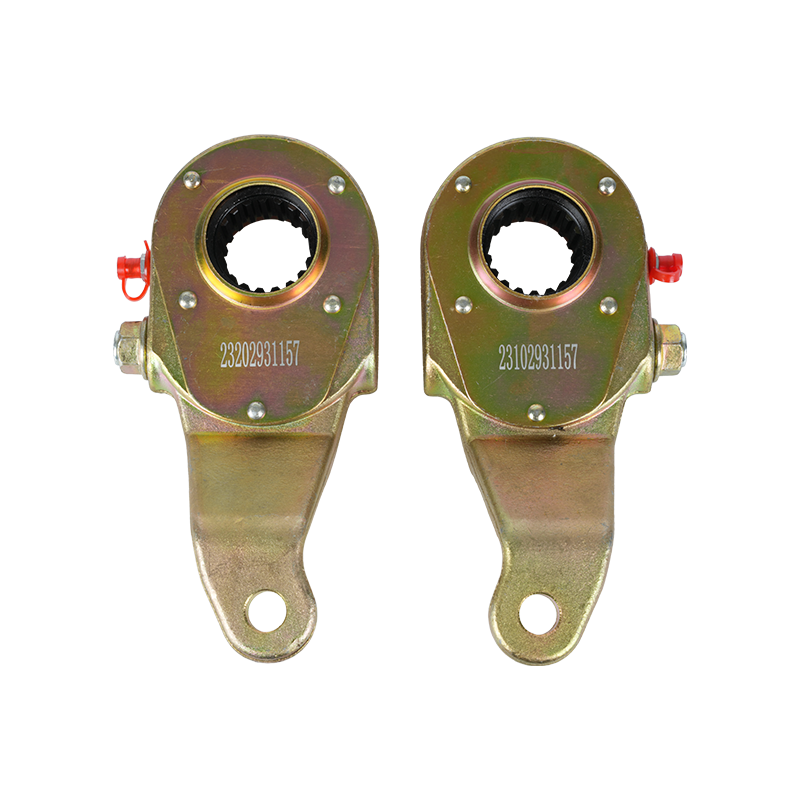
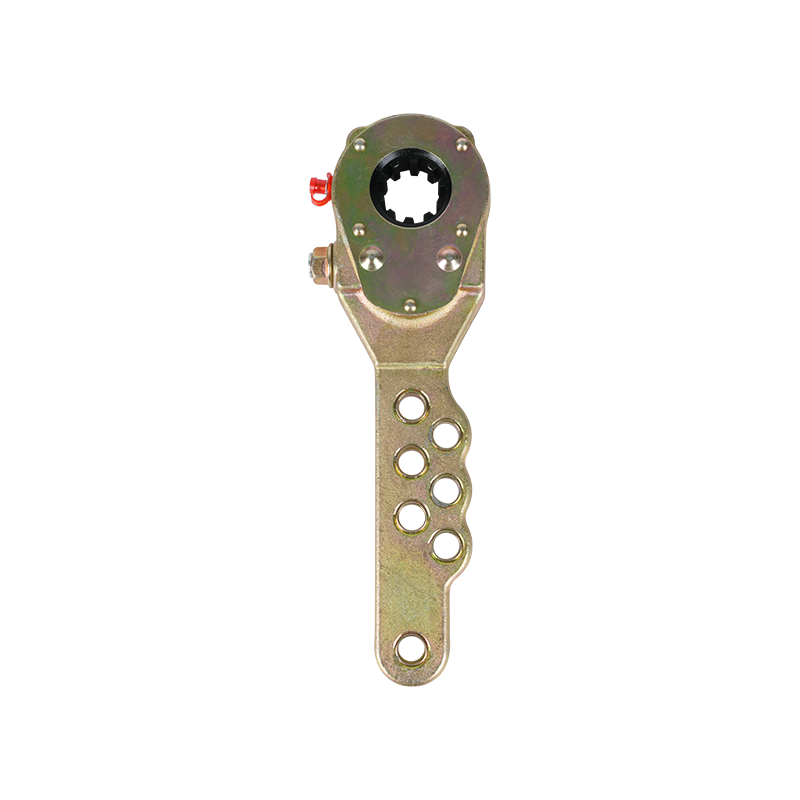
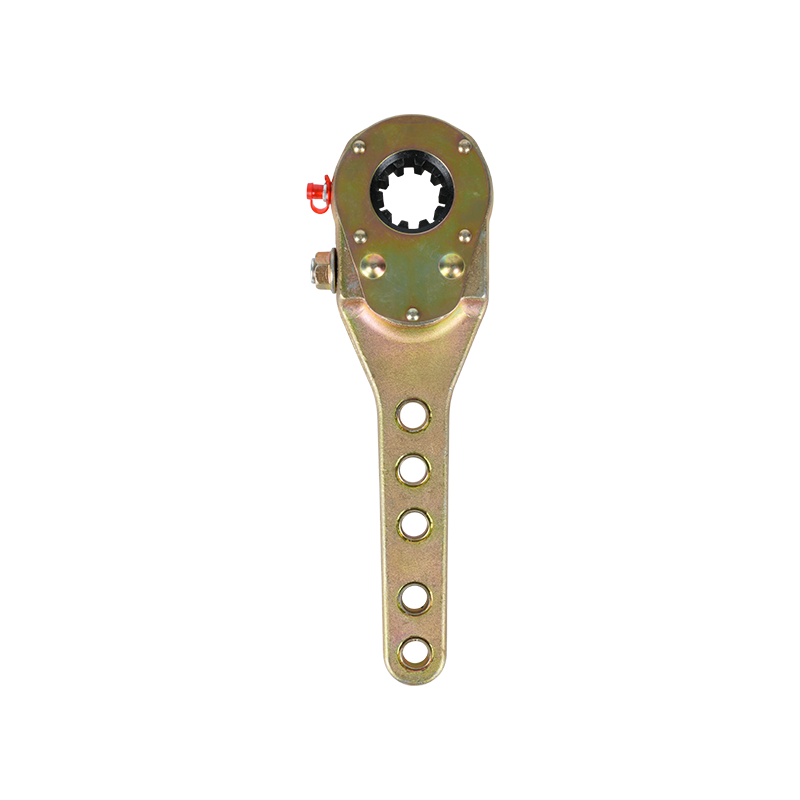
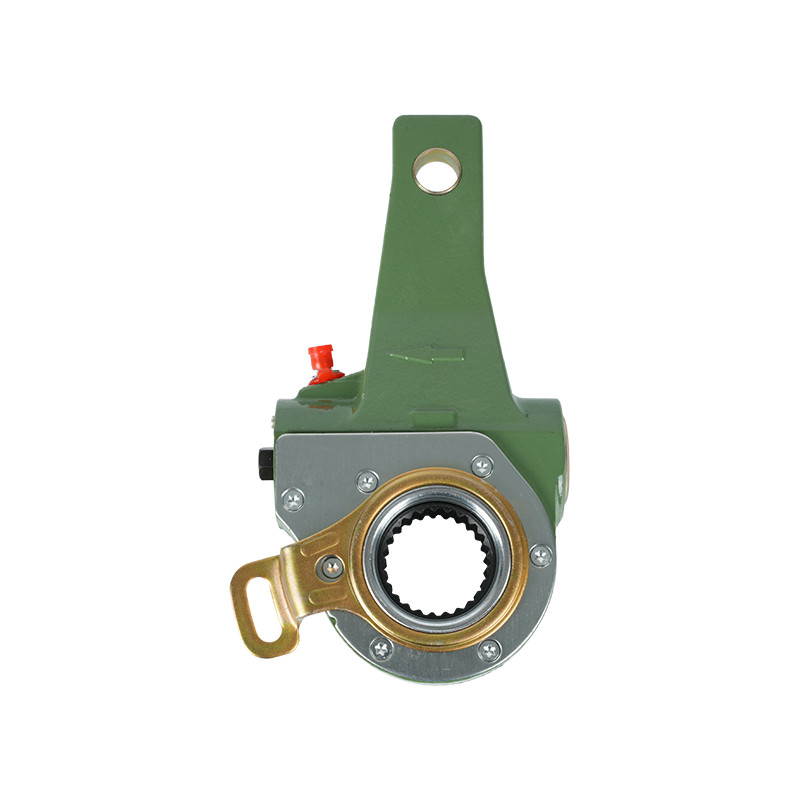
A slack adjuster is a mechanical component in a drum brake system that connects the brake camshaft to the pushrod of the brake chamber. Its primary job is to compensate for the natural wear of brake linings by adjusting the distance, or "slack," between the brake shoe and the drum. In simple terms, a manual slack adjuster keeps the braking system responsive and safe by ensuring the pushrod travel stays within a specified range as friction material wears down over time.
Without a properly functioning slack adjuster, brake stroke can become excessive, leading to delayed braking response, uneven braking force across axles, and increased stopping distances. This makes the slack adjuster one of the most safety-critical, yet often overlooked, parts of commercial trucks, trailers, and heavy-duty vehicles.
A manual slack adjuster operates through a simple lever-and-worm-gear system. When the brake pedal is pressed, air pressure pushes the pushrod, which rotates the slack adjuster arm. This rotation turns the camshaft, forcing the brake shoes outward against the drum. As lining material wears, the stroke needed to achieve this contact increases, and the manual slack adjuster must be periodically turned using a wrench to shorten that stroke back to factory specification.
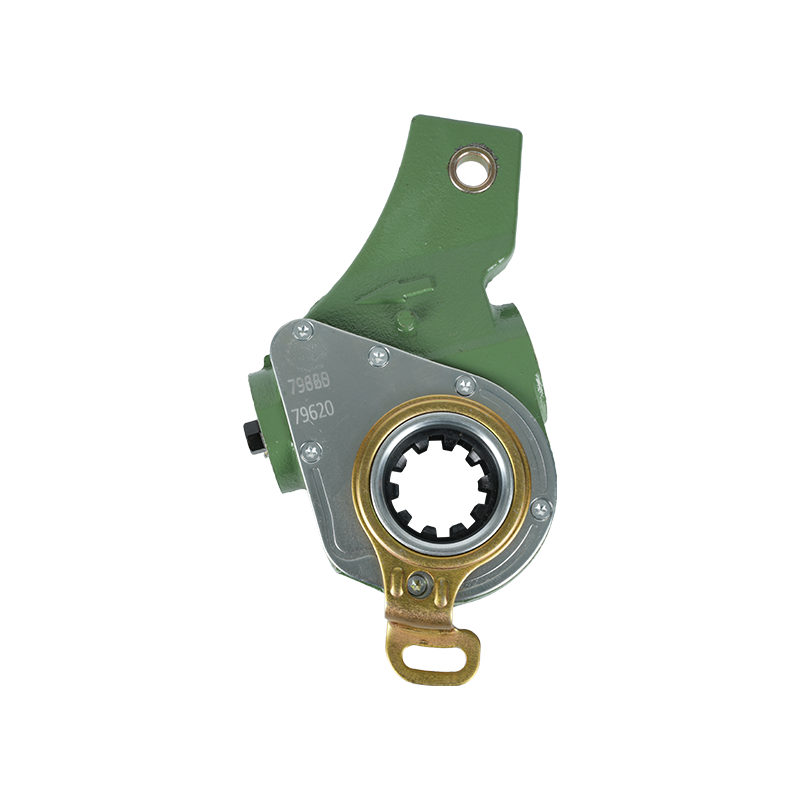
While automatic slack adjusters have become the industry standard on new vehicles in many regions, manual slack adjusters remain common on older fleets, agricultural equipment, trailers, and specialized industrial vehicles because of their lower cost, mechanical simplicity, and ease of replacement. Many fleet operators also prefer manual units for applications where routine maintenance schedules are strictly followed, since the component has fewer internal parts that can fail.
Understanding the difference between manual and automatic slack adjusters helps determine which is right for a given vehicle and maintenance program.
| Feature | Manual Slack Adjuster | Automatic Slack Adjuster |
|---|---|---|
| Adjustment Method | Manual, using a wrench | Self-adjusting internal mechanism |
| Initial Cost | Lower | Higher |
| Maintenance Frequency | Requires regular manual checks | Minimal manual intervention |
| Mechanical Complexity | Simple, fewer failure points | More complex internal components |
| Common Applications | Trailers, older fleets, industrial equipment | Modern commercial trucks and buses |
A typical manual slack adjuster is built from several precision-machined parts that work together to transfer force from the brake chamber to the camshaft.
The durability of these components directly affects braking reliability, which is why materials such as high-strength forged steel and precision heat-treated gearing are commonly specified in quality manual slack adjuster products.
Recognizing early warning signs of an out-of-adjustment slack adjuster can prevent brake failure and costly downtime.
Federal and regional commercial vehicle safety inspection programs typically require pushrod stroke to be checked at scheduled intervals, since out-of-adjustment brakes are one of the most frequently cited violations during roadside inspections.
Proper adjustment requires following a consistent procedure to ensure even braking force across all wheel ends.
It is important to note that adjustment procedures can vary slightly depending on chamber size and axle configuration, so operators should always cross-reference the specific vehicle or trailer service manual before performing adjustments.
| Maintenance Task | Recommended Frequency |
|---|---|
| Pushrod stroke inspection | Every scheduled maintenance interval, or monthly for heavy-use fleets |
| Lubrication of internal gearing | Every 6 months or per manufacturer guidance |
| Visual inspection for corrosion or damage | During routine brake inspections |
| Full replacement | When internal wear prevents proper adjustment retention |
Regular lubrication is especially important for manual slack adjusters exposed to harsh road conditions, dust, or moisture, as contamination inside the housing accelerates wear on the worm gear and shortens component lifespan.
Selecting a suitable manual slack adjuster involves matching several technical specifications to the vehicle's axle and brake chamber configuration.
Choosing a manual slack adjuster that precisely matches these specifications helps ensure consistent brake timing, reduces premature wear, and supports compliance with vehicle safety inspection standards.
Because slack adjusters sit at the core of a vehicle's braking performance, manufacturing precision directly impacts safety outcomes. Components produced with tight tolerances on gear teeth, spline fit, and housing seals tend to hold adjustment longer and resist premature backlash. As a specialized manufacturer of manual slack adjusters and related brake system components, quality control processes such as material hardness testing, dimensional inspection, and load-cycle testing are essential steps in delivering products that perform reliably across demanding commercial and industrial applications.
For fleet managers and equipment operators, investing in well-engineered manual slack adjusters paired with a consistent maintenance schedule is one of the most effective ways to maintain braking reliability, extend component lifespan, and reduce the risk of costly downtime or safety violations.


 English
 中文简体
中文简体 русский
 عربى
عربى