


 (+86)-137 5851 1881
(+86)-137 5851 1881
(+86)-137 5851 1881



Content
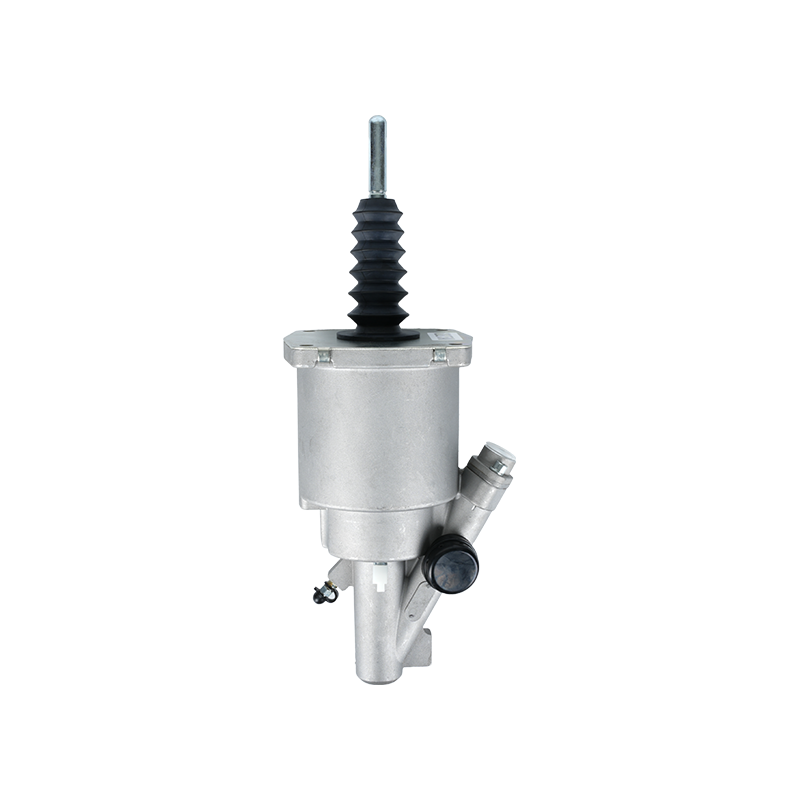
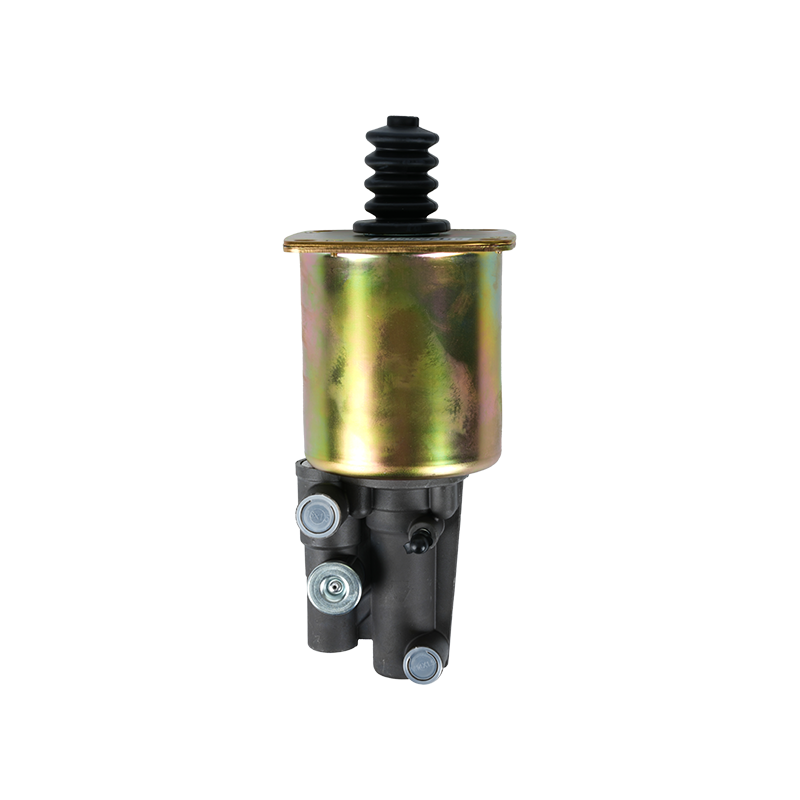
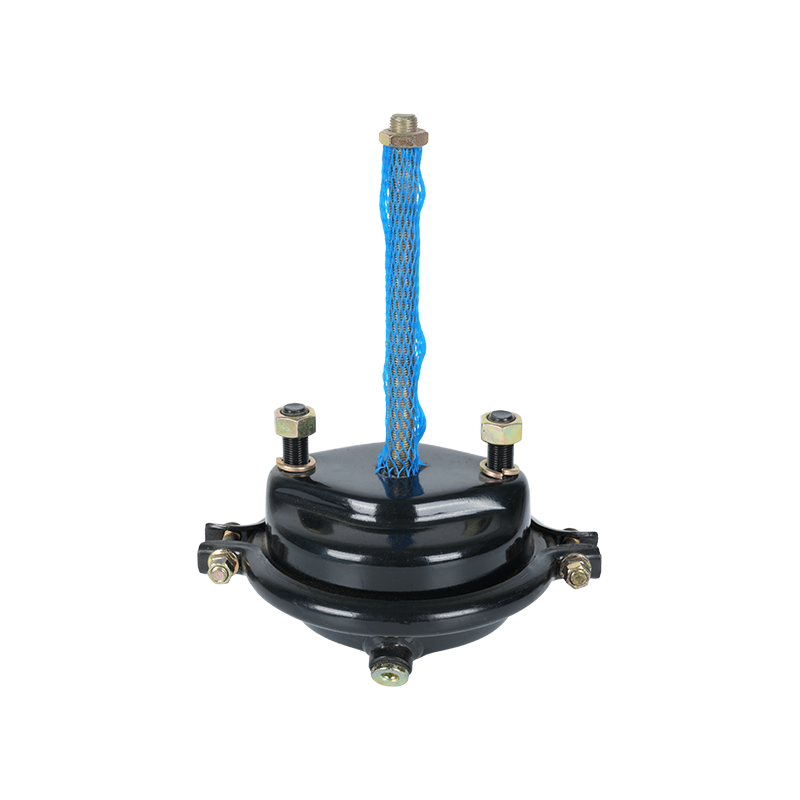
A brake chamber trailer refers to the air brake chamber assembly mounted on a trailer axle, and its job is simple to state but critical in practice: it converts compressed air pressure into the mechanical force that pushes the slack adjuster, rotates the camshaft, and presses the brake shoes against the drum. In plain terms, the brake chamber is the component that actually applies the brakes once the driver presses the pedal or the trailer's parking/emergency function is triggered.
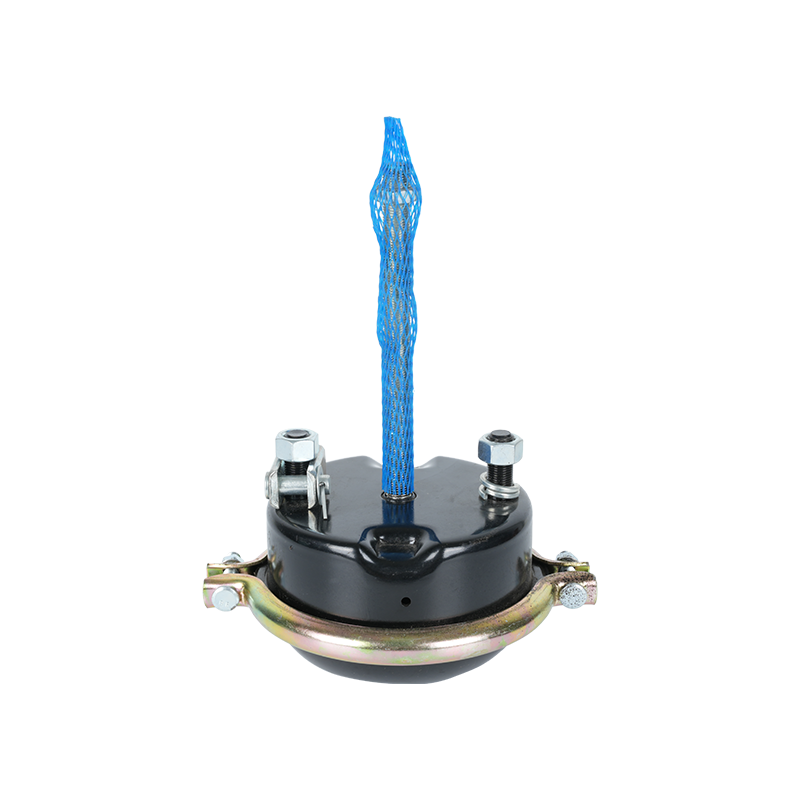
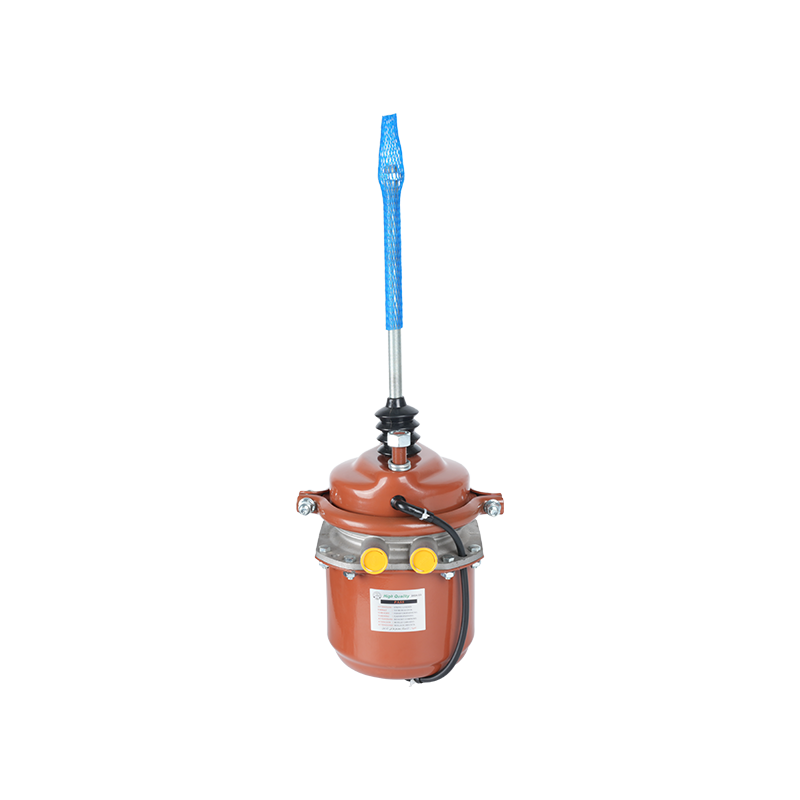
On almost all modern trailer axles, this is not a simple single-action chamber — it is a spring brake chamber, meaning it combines a service section (for normal braking) with a spring-loaded parking/emergency section in one housing. This dual design is why trailer brake chambers automatically apply the brakes if air pressure is lost, which is a mandatory safety behavior rather than an optional feature.
Understanding this distinction matters directly for maintenance, part selection, and safety, which is exactly what the rest of this guide covers.
The service section sits at the end closest to the axle. When the driver applies the brake pedal, a relay valve sends compressed air into this chamber, which pushes a diaphragm and extends the pushrod. The pushrod is connected to a clevis, which links to the slack adjuster — this linear push is what gets converted into the rotational force that spreads the brake shoes.
The second section, often called a piggyback, houses a heavily compressed coil spring. Under normal driving, air pressure holds this spring compressed and inactive. When the parking brake is set, or if the air system loses pressure unexpectedly, that air is released and the spring's stored mechanical force applies the brakes automatically — which is exactly the fail-safe behavior required on trailer and drive axles.
The spring inside the parking section can be compressed under a load of roughly 3,000 lbs. This portion of the brake chamber is factory-sealed and is not a serviceable part — if it fails, the entire spring section is replaced as a pre-built unit rather than disassembled. Attempting to open a sealed piggyback without the correct caging tool is a well-documented safety hazard.
Not every axle position uses the same chamber design. Choosing the correct type is one of the most common sourcing questions for fleets and repair shops:
| Chamber Type | Function | Typical Axle Position |
|---|---|---|
| Service Chamber | Applies brakes only when the driver presses the pedal | Steer axle, some rear axles |
| Spring Brake (Piggyback) | Adds automatic parking/emergency braking via internal spring | Trailer axles, drive axles |
| Rotochamber | Rotary-actuated design for specialized applications | Off-highway equipment, some buses |
Spring brake chambers are also sized by type number, such as 30/30, where the first number refers to the service section's effective area in square inches and the second refers to the spring section. Matching this rating to the OE specification is essential — an undersized chamber will not generate enough force to stop the trailer safely, while an oversized one can overload the foundation brake components.
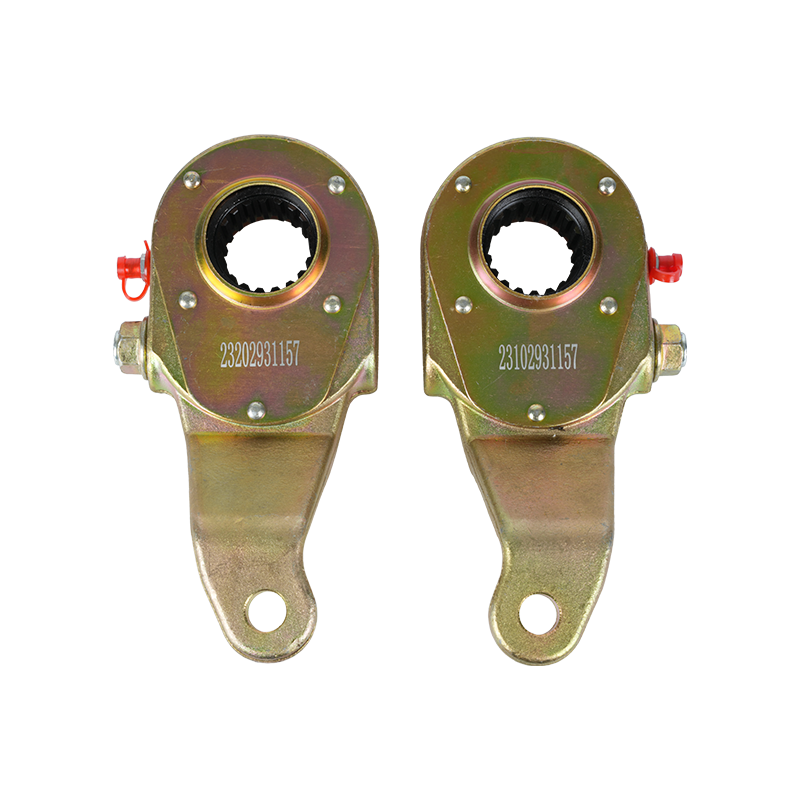
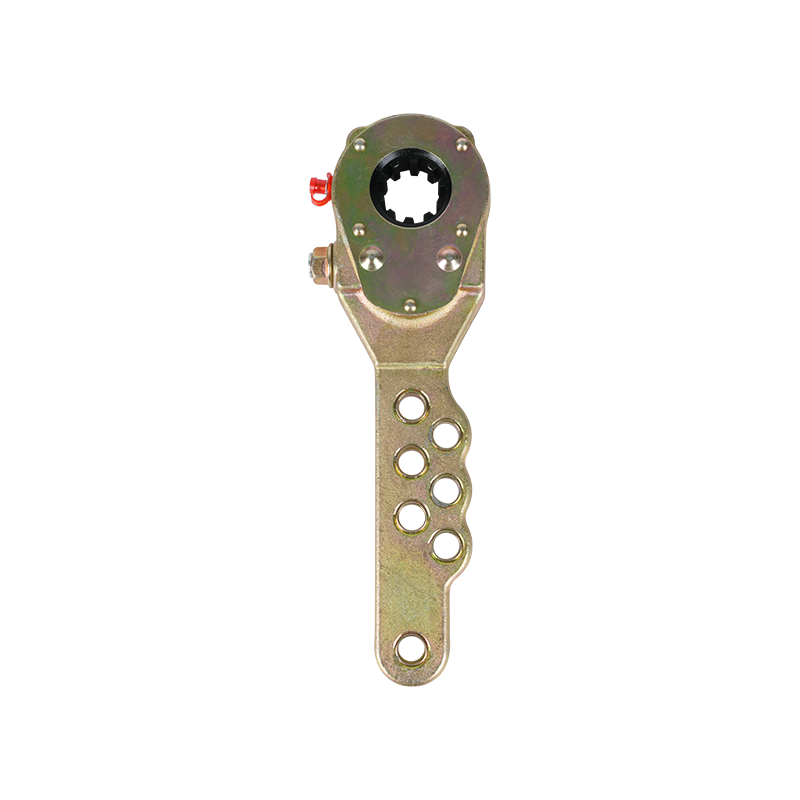
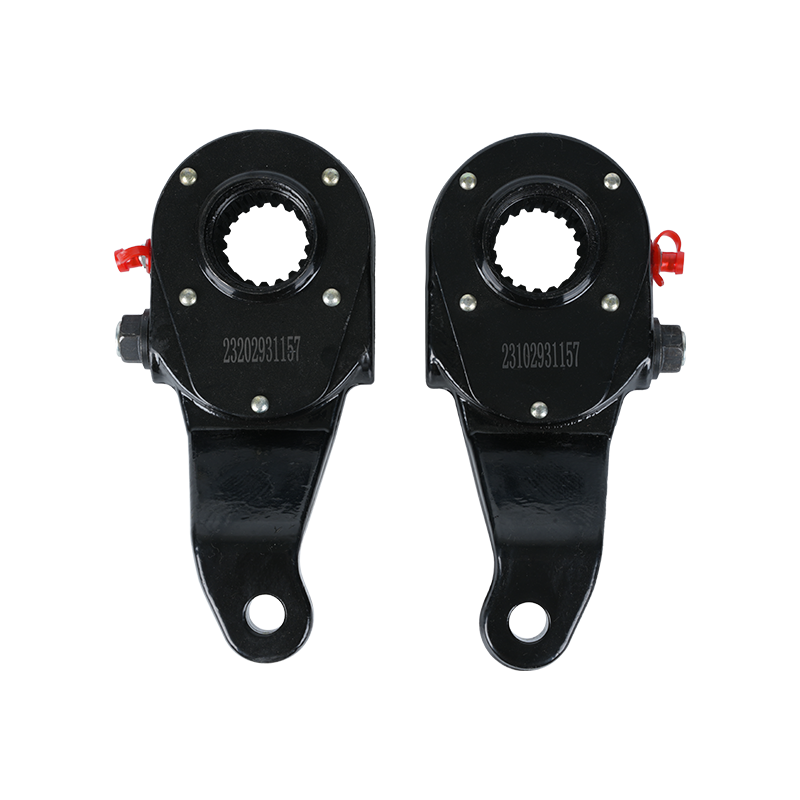
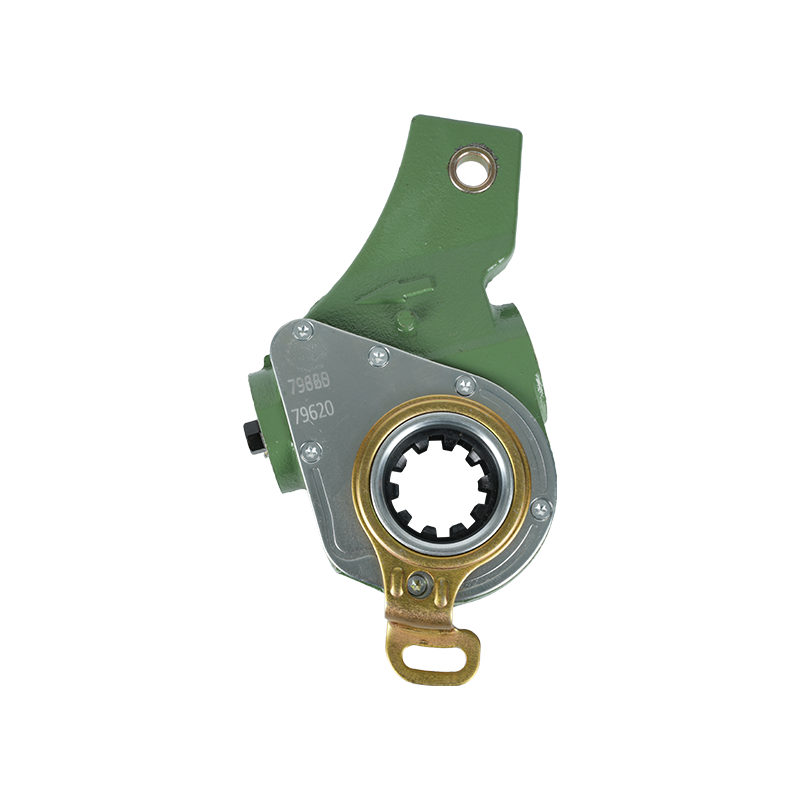
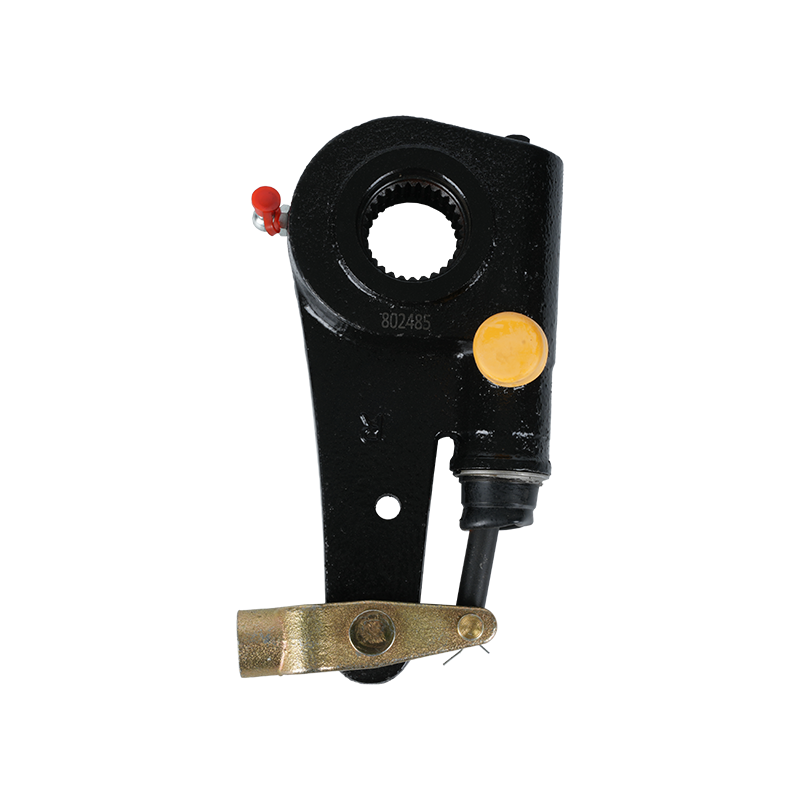
A brake chamber never works in isolation on a trailer axle. Its pushrod extends into a clevis, which connects to a slack adjuster — a mechanical lever bolted to the camshaft. As the pushrod extends, the slack adjuster converts that linear motion into the rotational force needed to spread the brake shoes against the drum.
Because of this mechanical relationship, a chamber that looks faulty is sometimes actually a slack adjuster problem, and vice versa. Diagnosing stroke length, pushrod travel, and adjuster free-play together — rather than replacing the chamber alone — is the more reliable troubleshooting approach for uneven or delayed braking on a trailer.
Ordering the wrong brake chamber is a common and costly mistake. Confirm these specifications before purchase:
Zhuji Tianbo Auto Parts Co., Ltd., operating under the Shen Bi Wang brand since 2010, specializes in the design, manufacturing, and sale of heavy-duty truck and trailer brake system components, including a dedicated Brake Chamber product line alongside automatic and manual slack adjusters. The company's brake products are manufactured under ISO/TS16949 quality management system standards and cover a wide compatibility range across major truck and trailer axle platforms.
Fleets and repair shops matching a replacement chamber to their axle specifications can review the full Brake Chamber range to compare type size, stroke length, and mounting configuration before placing an order.


 English
 中文简体
中文简体 русский
 عربى
عربى