


 (+86)-137 5851 1881
(+86)-137 5851 1881
(+86)-137 5851 1881



Content
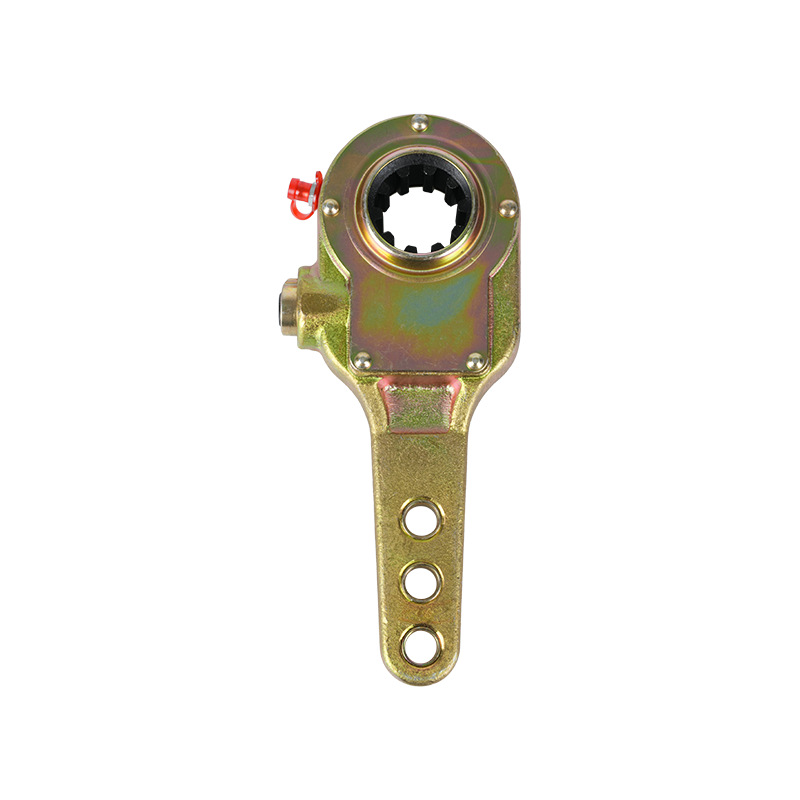
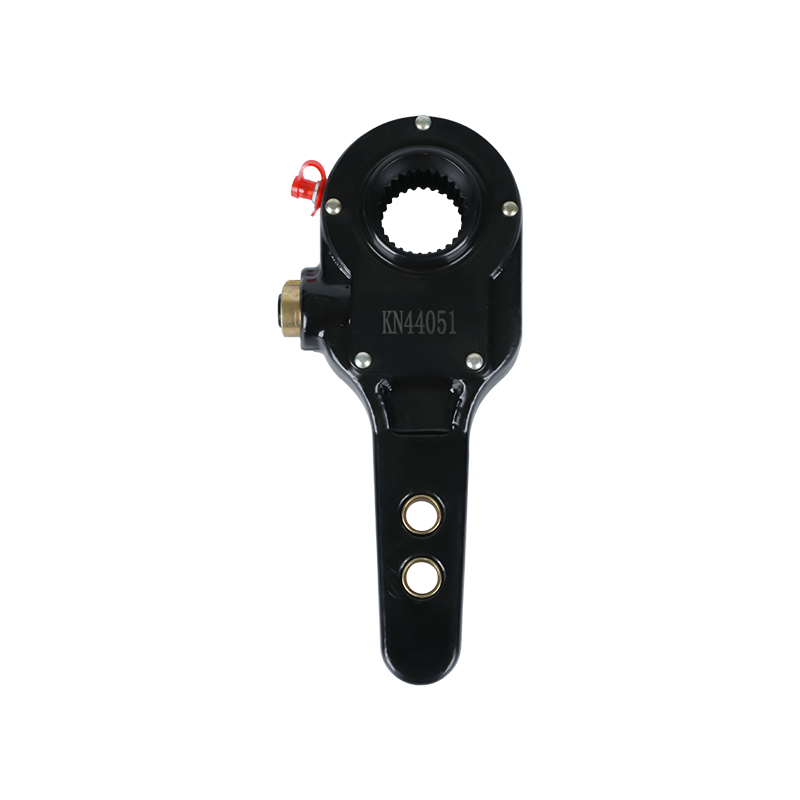
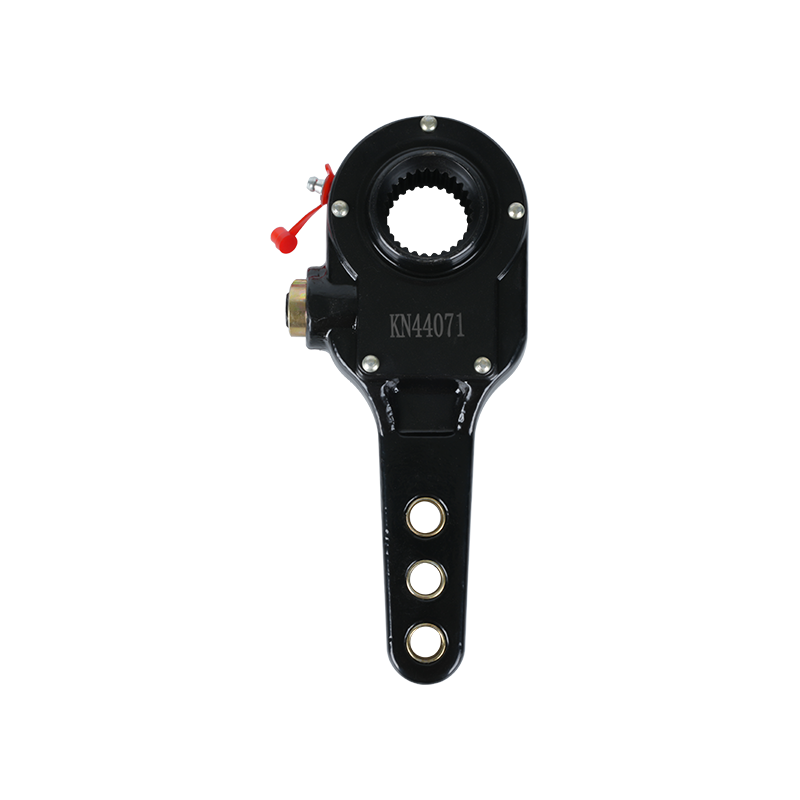
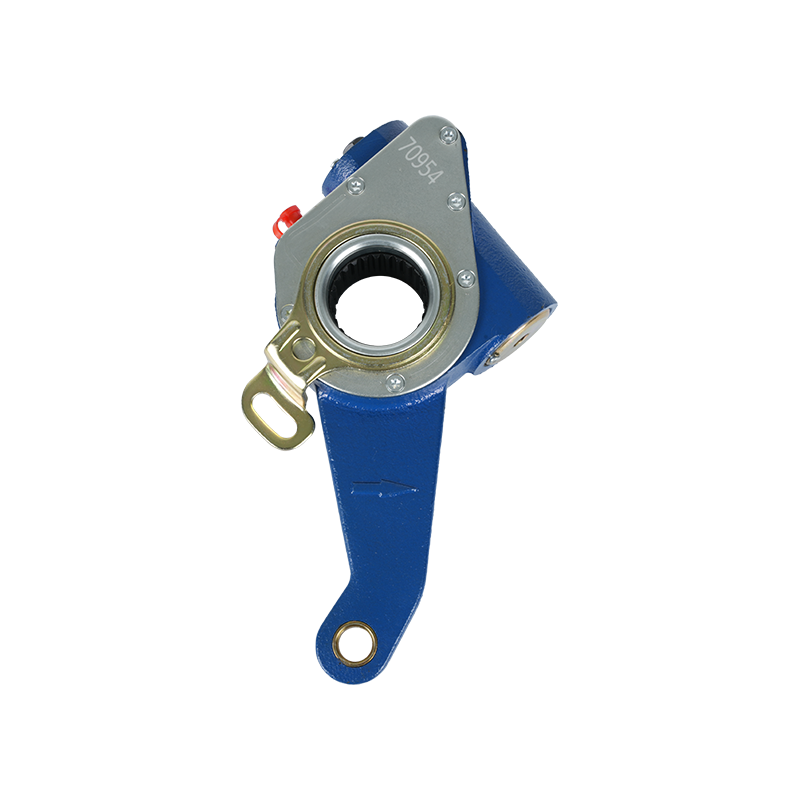
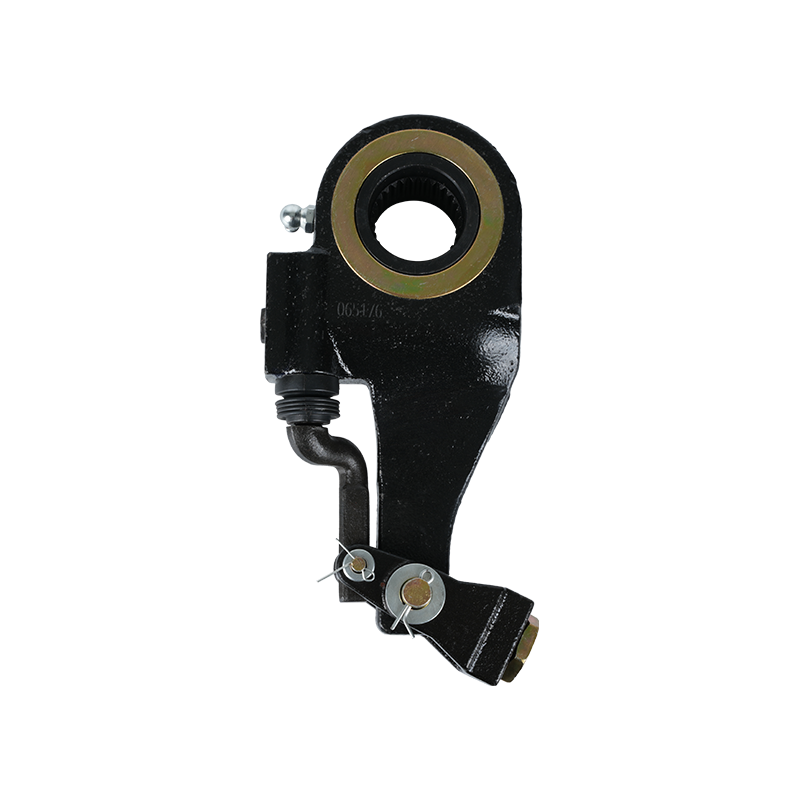
A slack adjuster on a trailer is the mechanical arm connecting the air brake chamber pushrod to the S-cam shaft, and its job is to keep the gap between the brake shoe and the brake drum within a safe, consistent range as the brake linings wear down. Among the various designs used across the heavy-duty trailer industry, the Locking Sleeve Structure Slack Adjuster stands out because it locks the adjusted clearance in place with a dedicated sleeve and lock plate mechanism, preventing the setting from drifting under vibration, heat, or repeated braking cycles. For fleet operators, this means fewer manual clearance checks, more predictable stopping distances, and lower risk of brake-related downtime.
In short, if your trailer brakes feel spongy, if stopping distances have grown longer, or if one wheel end brakes harder than the others, the slack adjuster is usually the first component worth inspecting. The remainder of this article walks through how the mechanism works, how it compares with other adjuster types, and how to select and maintain a reliable unit.
Every S-cam air brake system on a trailer relies on a chain of mechanical motion: the driver presses the brake pedal, air pressure pushes the brake chamber pushrod outward, and that force is transferred through the slack adjuster arm to rotate the S-cam shaft, which spreads the brake shoes against the drum. The slack adjuster sits at the pivot point of this chain, and its internal adjustment mechanism is what compensates for lining wear over time.
When the lining wears, the pushrod has to travel farther before the shoes contact the drum. Without correction, this extra travel, known as "slack," reduces braking force and increases stopping distance. This is exactly why the mechanism is called a slack adjuster on a trailer: its entire purpose is to remove that excess travel and restore the correct working clearance, typically within a range specified by the vehicle manufacturer.
Manual slack adjusters require a technician to periodically turn an adjustment screw or worm gear to compensate for wear, while automatic slack adjusters use an internal clutch or ratchet mechanism to self-correct during normal braking. The Locking Sleeve Structure Slack Adjuster can be engineered into either category, but its defining feature is the locking sleeve and lock plate that hold the adjusted position firmly once set, which is particularly valuable on trailers that experience frequent loading changes and rough terrain.
The Locking Sleeve Structure Slack Adjuster uses a driving worm sleeve, a worm gear, and a lock plate assembly to both adjust and secure brake clearance. During adjustment, the worm sleeve engages the worm gear teeth to rotate the S-cam shaft into the correct position. Once the desired clearance is reached, the lock plate mechanically secures the sleeve against rotation, so the setting cannot slip due to road vibration, temperature swings, or repeated hard braking.
Trailers regularly travel fully loaded, partially loaded, and empty, and this constant change in weight distribution places uneven stress on brake components. A slack adjuster that cannot hold its setting will gradually lose clearance accuracy, leading to uneven brake wear across axles. Because the Locking Sleeve Structure Slack Adjuster is built specifically to resist this drift, it is widely used on multi-axle trailers, flatbeds, and tankers where consistent braking across every wheel end is critical for load stability and driver safety.
| Structure Type | Adjustment Method | Position Retention | Typical Use Case |
|---|---|---|---|
| Locking Sleeve Structure Slack Adjuster | Worm sleeve with lock plate | High, mechanically locked | Multi-axle trailers, frequent load changes |
| Double Spring Structure | Dual spring compensation | Moderate, spring-dependent | General duty trailers |
| Manual Slack Adjuster | Hand-operated screw | Depends on maintenance schedule | Older fleets, budget applications |
As the table shows, the main advantage of the Locking Sleeve Structure Slack Adjuster is its combination of precise adjustment and mechanical retention. This reduces the frequency of manual re-adjustment and helps maintain even braking performance across the service interval, which is particularly important for trailers running long-haul or off-road routes.
Recognizing early symptoms of a worn or misadjusted slack adjuster can prevent more serious brake failures. Fleet maintenance teams typically watch for the following indicators.
If any of these signs appear, a technician should measure the actual chamber stroke against the specified limit rather than relying on visual inspection alone. On trailers fitted with a Locking Sleeve Structure Slack Adjuster, the lock plate should also be checked to confirm it is fully engaged, since a partially seated lock plate can allow the clearance to drift even though the worm gear itself is functioning normally.
The slack adjuster arm length and spline count must match the S-cam shaft and brake chamber stroke specified for the axle. Installing an incorrect arm length changes the mechanical leverage ratio and can cause the chamber to reach its stroke limit before full braking force is applied. After installation, the clearance should be set to the manufacturer's specified gap, typically measured in millimeters between the lining and drum, and verified with a stroke gauge.
Most fleet maintenance programs recommend checking slack adjuster function and chamber stroke every 12,000 to 25,000 kilometers, or at each scheduled brake inspection, whichever comes first. For trailers operating in harsh conditions such as mining, construction, or coastal routes with high salt exposure, more frequent checks are advisable because corrosion can accelerate wear on the lock plate and worm gear housing of a Locking Sleeve Structure Slack Adjuster.
Applying the correct grade of grease to the worm gear and shaft bushing at each service interval reduces internal friction and helps the lock plate engage smoothly. Using an incompatible lubricant or skipping lubrication entirely is one of the most common causes of premature slack adjuster failure reported across the trailer parts industry.
Because the slack adjuster on a trailer directly affects braking safety, sourcing from a manufacturer with proven quality control matters as much as the design itself. Zhuji Tianbo Auto Parts Co., Ltd., based in Zhuji City, Zhejiang Province, China, specializes in the design and manufacture of heavy-duty truck and trailer brake components, including the national patent locking sleeve structure slack adjuster and the double spring structure slack adjuster. The company operates under the ISO/TS16949 quality management standard and supplies fitments compatible with common trailer and truck platforms including EQ153, Steyr, North Benz, BPW, and other widely used chassis configurations.
When evaluating a supplier, fleet buyers should look for the following factors.
Choosing a Locking Sleeve Structure Slack Adjuster from a manufacturer with these credentials reduces the risk of premature wear, mismatched fitment, and inconsistent braking performance across a trailer fleet.
There is no fixed universal lifespan, since wear depends on load cycles, road conditions, and braking frequency. However, if the adjustment mechanism can no longer hold clearance within specification after repeated manual correction, or if the housing shows cracking or excessive play, replacement is generally recommended rather than continued adjustment.
In most cases yes, provided the arm length, spline count, and stroke rating match the original chamber and S-cam specification. It is best to confirm exact measurements with the axle manufacturer or the slack adjuster supplier before ordering a replacement unit.
Repeated loss of adjustment is most often caused by a worn or damaged lock plate, insufficient lubrication, a stretched or broken return spring, or an S-cam bushing that has excessive play. Identifying which component has failed, rather than simply readjusting the clearance again, is the more durable long-term fix.


 English
 中文简体
中文简体 русский
 عربى
عربى