


 (+86)-137 5851 1881
(+86)-137 5851 1881
(+86)-137 5851 1881



Content
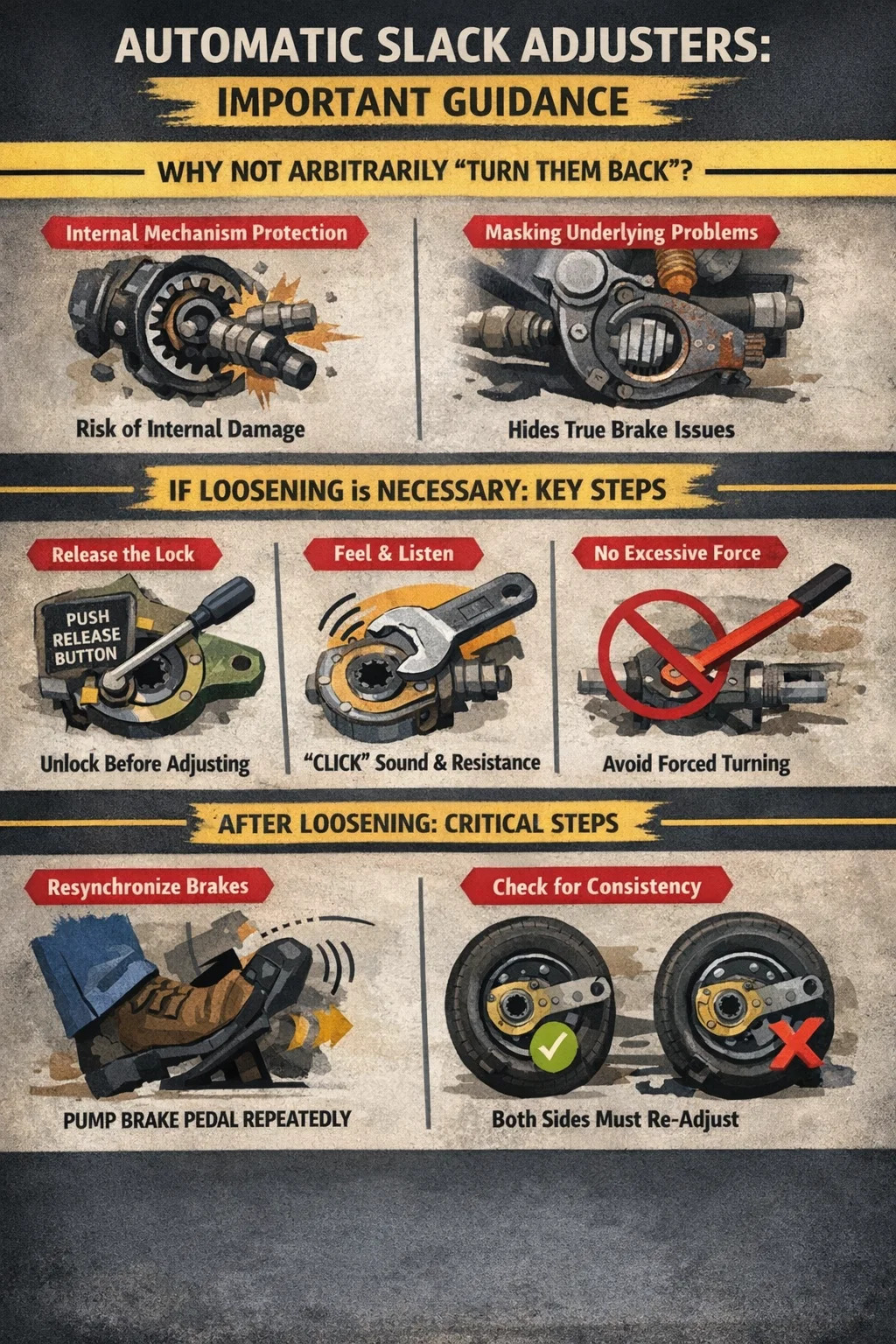
Whether automatic slack adjusters can be manually loosened (commonly referred to as "turning them back") is a crucial detail in vehicle maintenance.
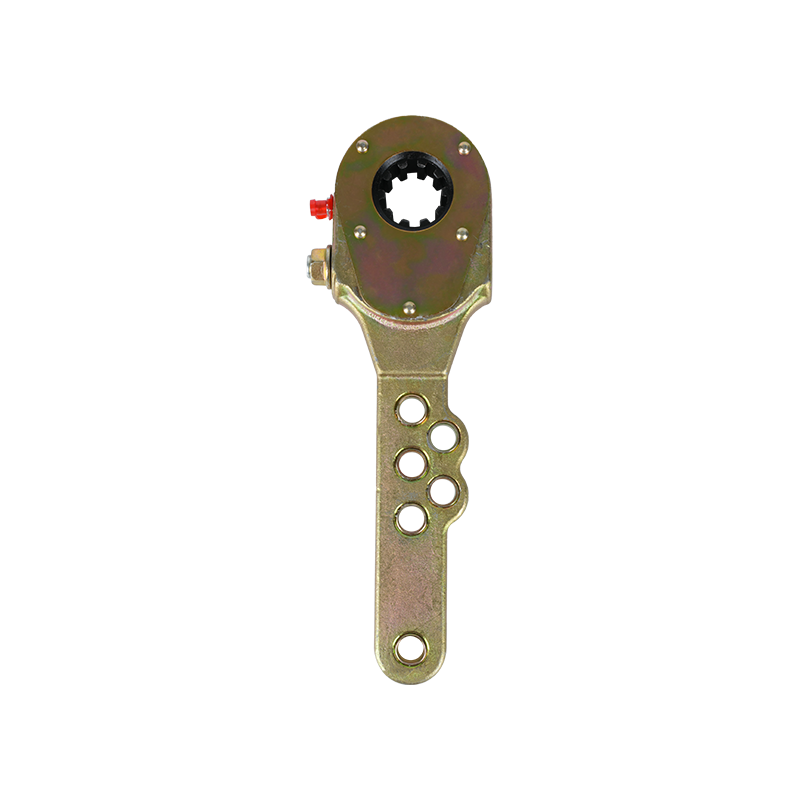
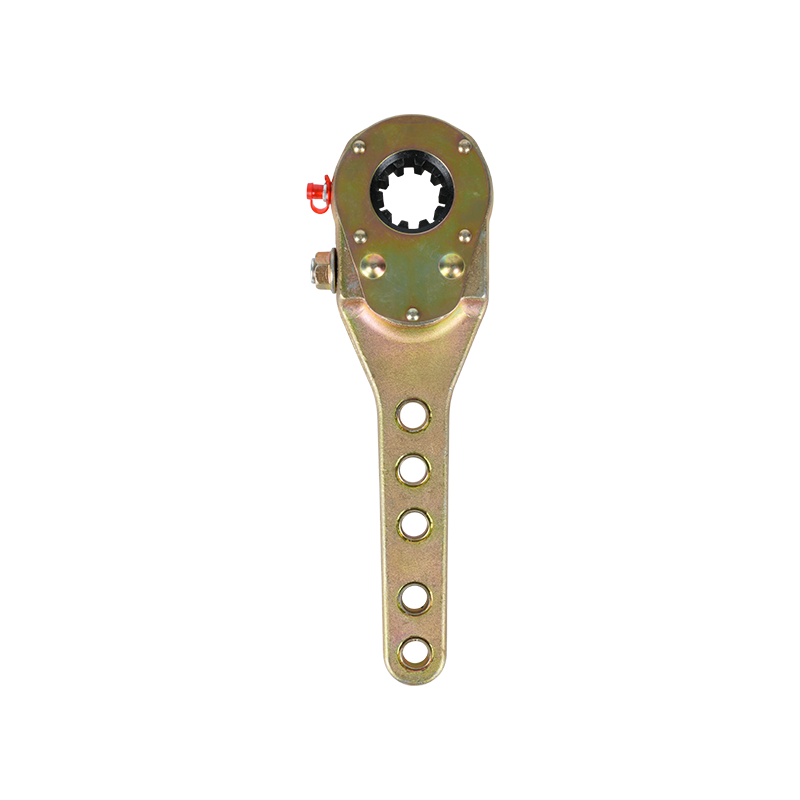
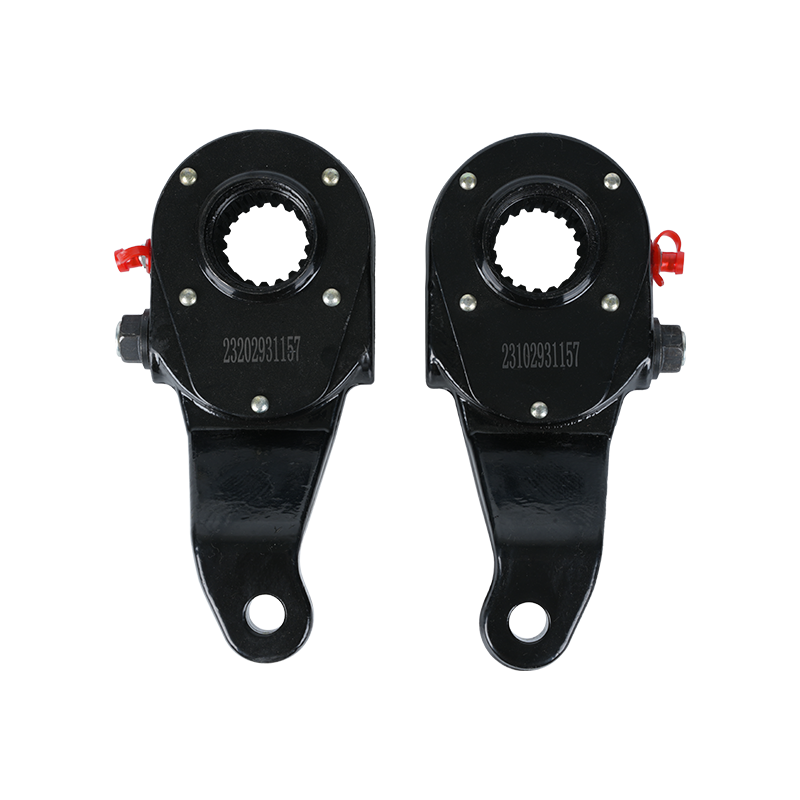
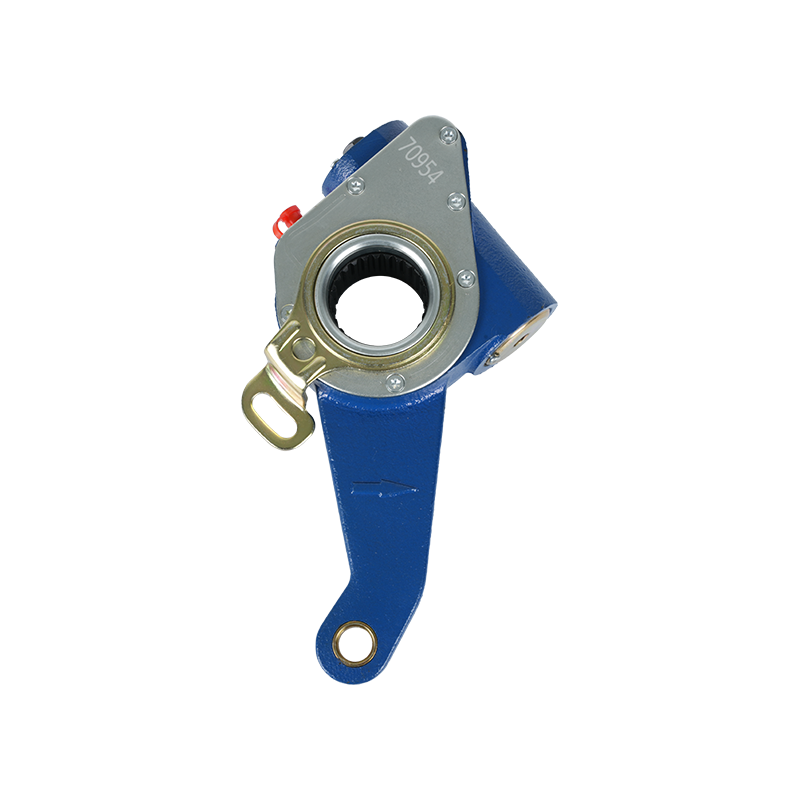
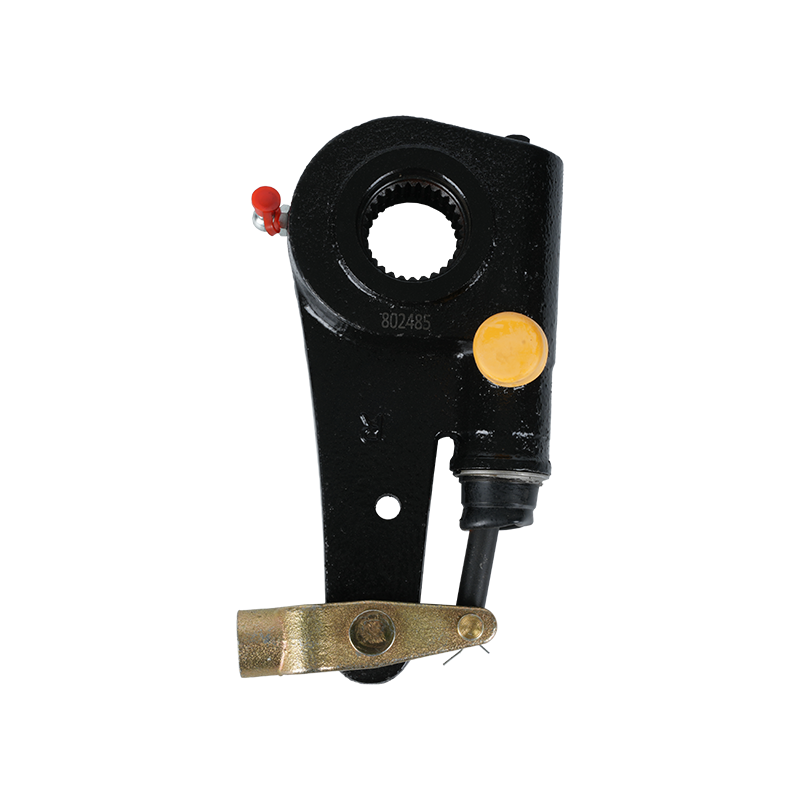
The automatic slack adjuster is designed to automatically adjust and maintain the optimal brake clearance based on brake pad wear.
↳ Internal mechanism protection: This automatic device has a complex one-way clutch or ratchet mechanism inside. If you pull and push it like an old-fashioned manual adjuster, you can easily damage the delicate internal parts.
↳ Masking underlying problems: If the clearance is incorrect, it's usually due to wear or malfunction of the brake pump, camshaft, or other transmission components. Manually loosening it only treats the symptom, not the cause, and the real safety hazard remains.
When replacing brake shoes or performing certain specific repairs, it is indeed necessary to retract the automatic slack adjuster. In this case, the following principles must be followed:
↳ Release the lock: Most automatic adjusters have a special "locking mechanism" or release pin. Before rotating the adjustment bolt, you must first press or lift this release device; otherwise, you will directly damage the gears inside the adjuster.
↳ Special resistance: When turning it back, you will hear a distinct "click" sound and feel a certain resistance. This is completely different from the feel when tightening it.
↳ Do not use excessive force: If you feel it won't turn, do not use a longer lever to force it. This usually means you haven't unlocked it correctly, or the adjuster is already jammed or malfunctioning.
Once you have completed the manual retraction (e.g., after replacing the brake pads), you must not drive the vehicle immediately.
↳ Resynchronization: You need to repeatedly depress the brake pedal (usually requiring multiple full-pressure depressions) to allow the automatic slack adjuster to readjust the clearance to the most reasonable position through its automatic compensation function.
↳ Observe consistency: The adjusters on the left and right wheels should remain consistent. If one side automatically returns to position, but the other side remains loose, it means that the adjuster is broken and must be replaced.


 English
 中文简体
中文简体 русский
 عربى
عربى