


 (+86)-137 5851 1881
(+86)-137 5851 1881
(+86)-137 5851 1881



Content
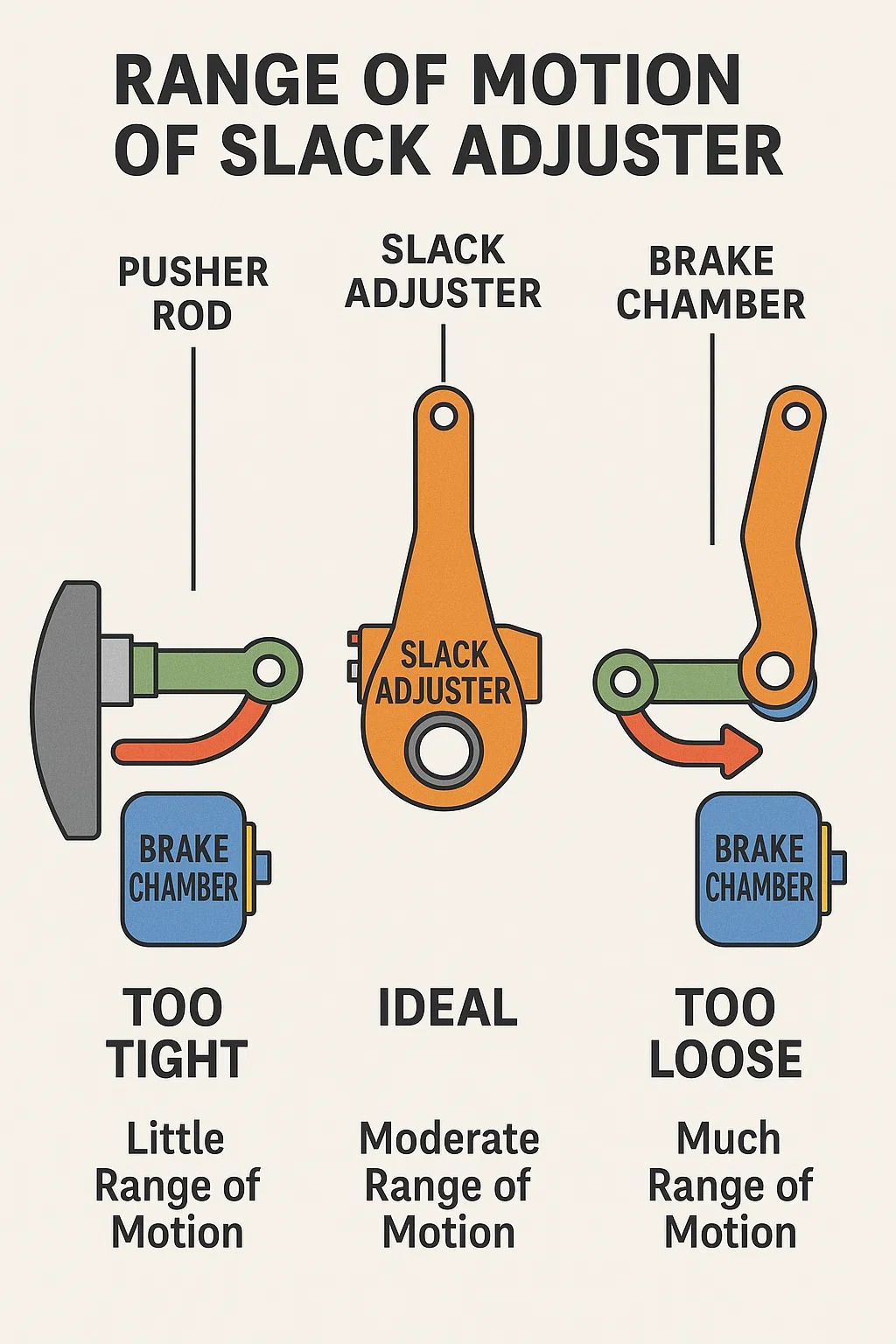
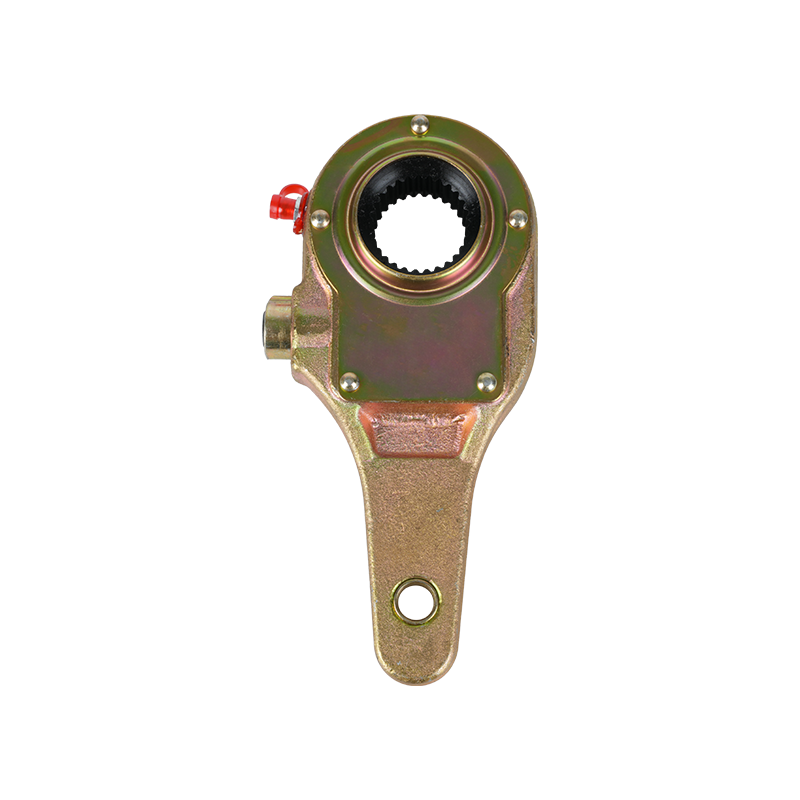
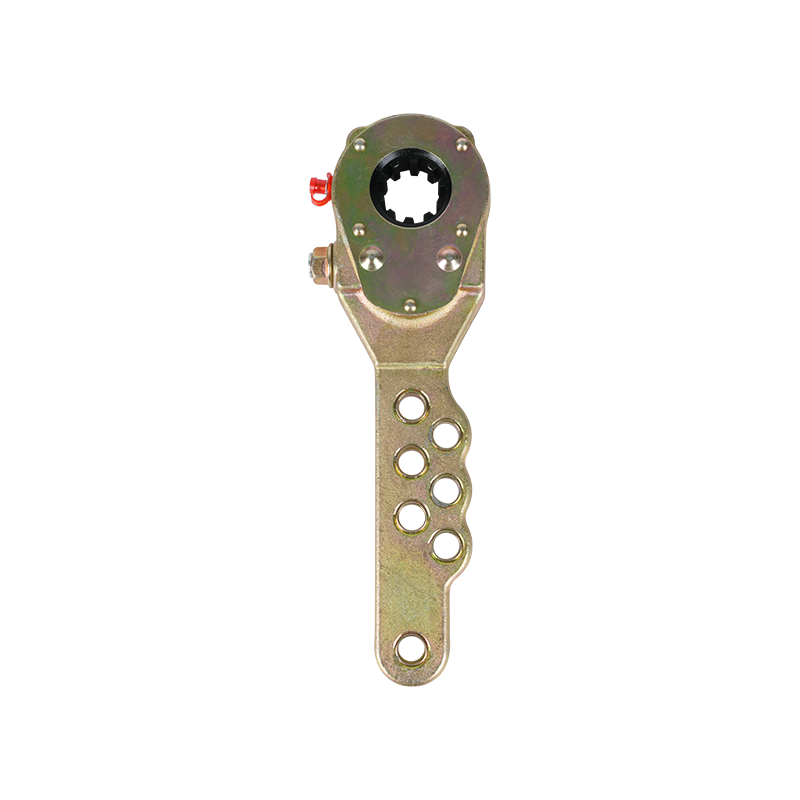
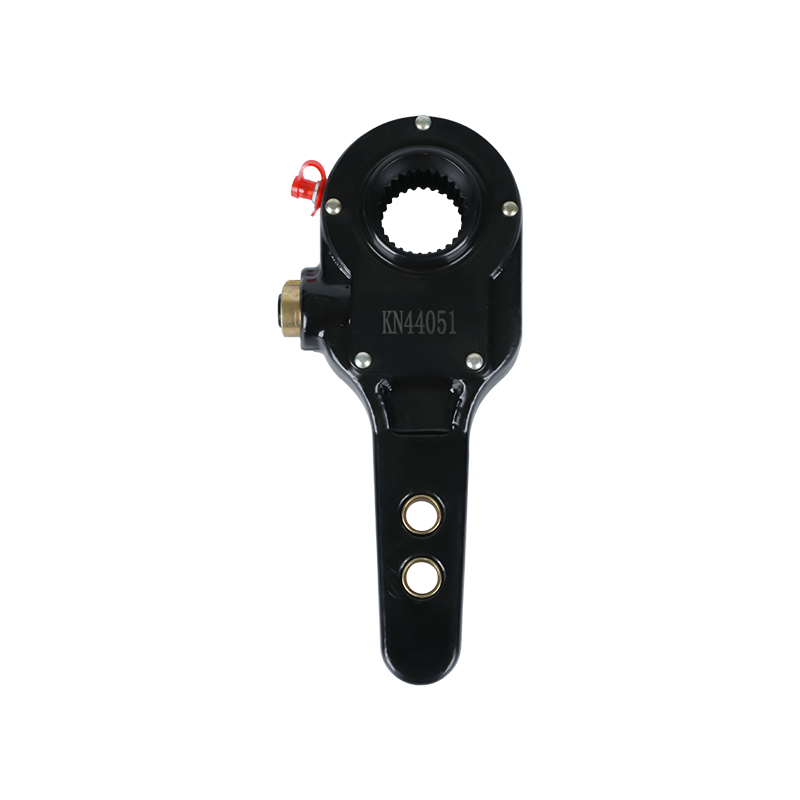
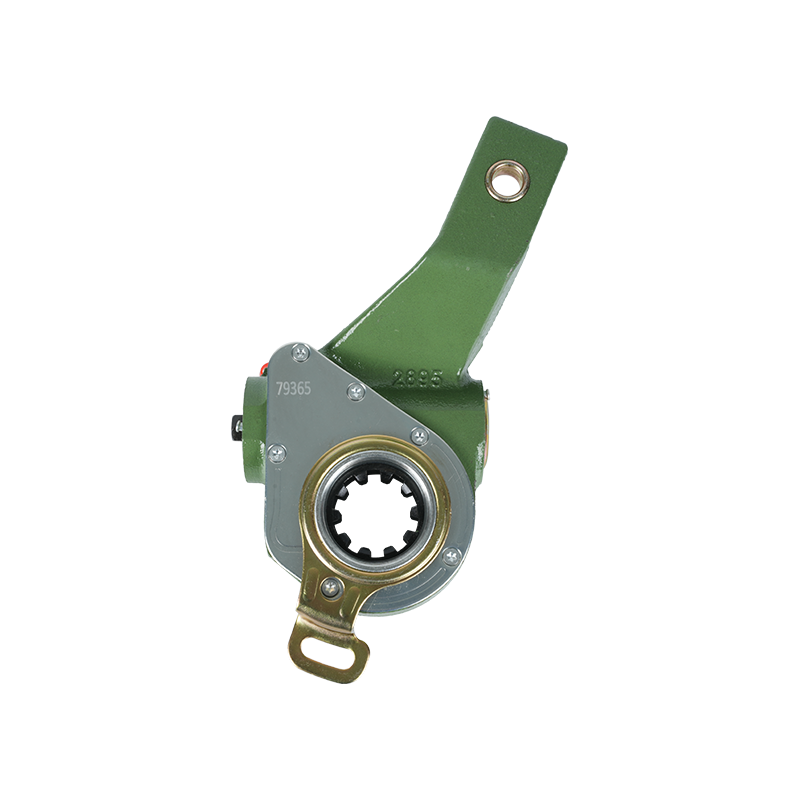
Understanding the "range of motion" or "free travel" of a vehicle system component—the slack adjuster—is crucial. This component ensures that the brake shoes or pads contact the brake drum or disc in the most effective way when the brakes are applied.
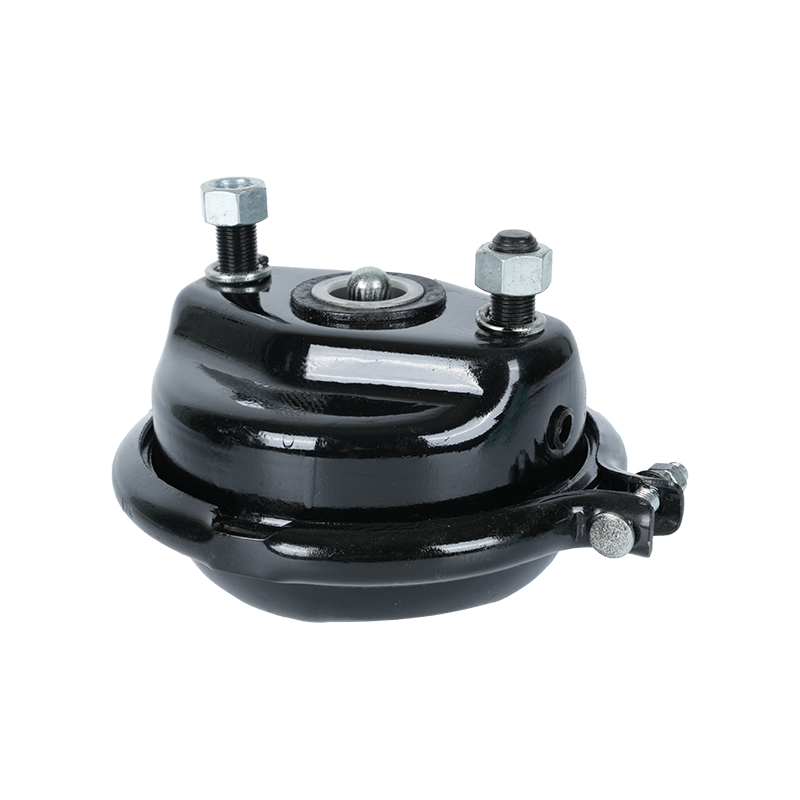
The "range of motion," or more professionally, the brake stroke, refers to the distance the slack adjuster moves when pulling the pusher rod during the activation of the air brake system.
The slack adjuster should not have too much or too little "range of motion."
The brake shoes/pads may constantly be in slight contact with the brake drum, like someone constantly lightly pressing the brakes.
This leads to friction and heat, rapid wear, and may even cause the entire wheel to "lock up" or malfunction due to overheating.
It consumes unnecessary energy (whether the vehicle is braking or not).
The brake chamber needs to push a longer distance to bring the brake shoes into contact with the brake drum.
This means the transmission of braking force is delayed, requiring more time to fully apply the braking force.
In an emergency, the vehicle may need a longer distance to stop, which is very dangerous.
The air brake system may consume excessive air, affecting the normal operation of other components.
The ideal "range of motion" for the slack adjuster should be a stable and moderate range.
Purpose: To ensure that when the driver presses the brake pedal, the brake chamber's pusher rod can transmit the required braking force to the braking components on the wheels as quickly as possible.
Result: The vehicle's braking response is sensitive, braking efficiency is high, and it does not cause unnecessary wear or heat.
This just-right "range of motion" is one of the key aspects of vehicle maintenance, ensuring driving safety and the long-term reliability of the braking system.


 English
 中文简体
中文简体 русский
 عربى
عربى