


 (+86)-137 5851 1881
(+86)-137 5851 1881
(+86)-137 5851 1881



Content
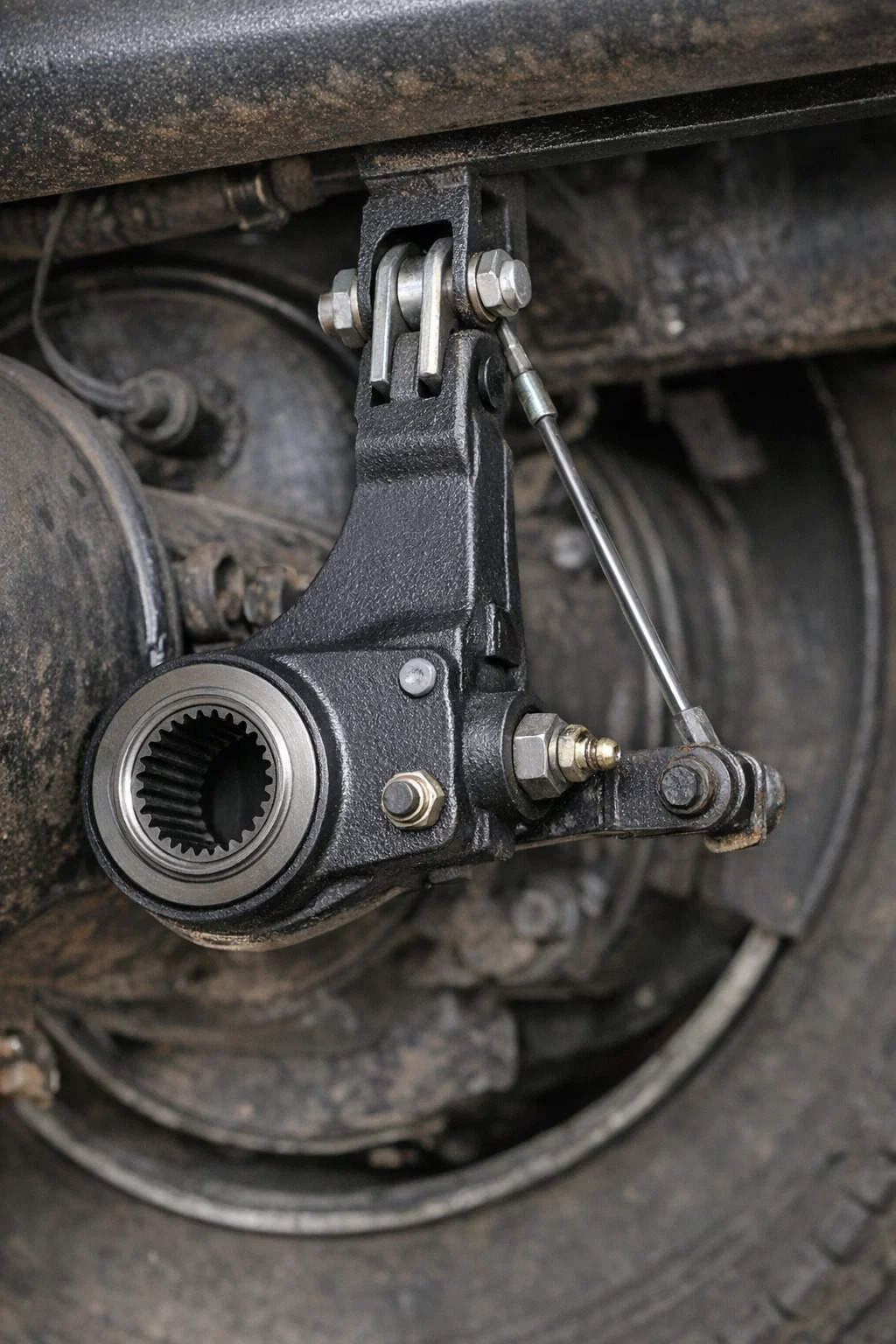
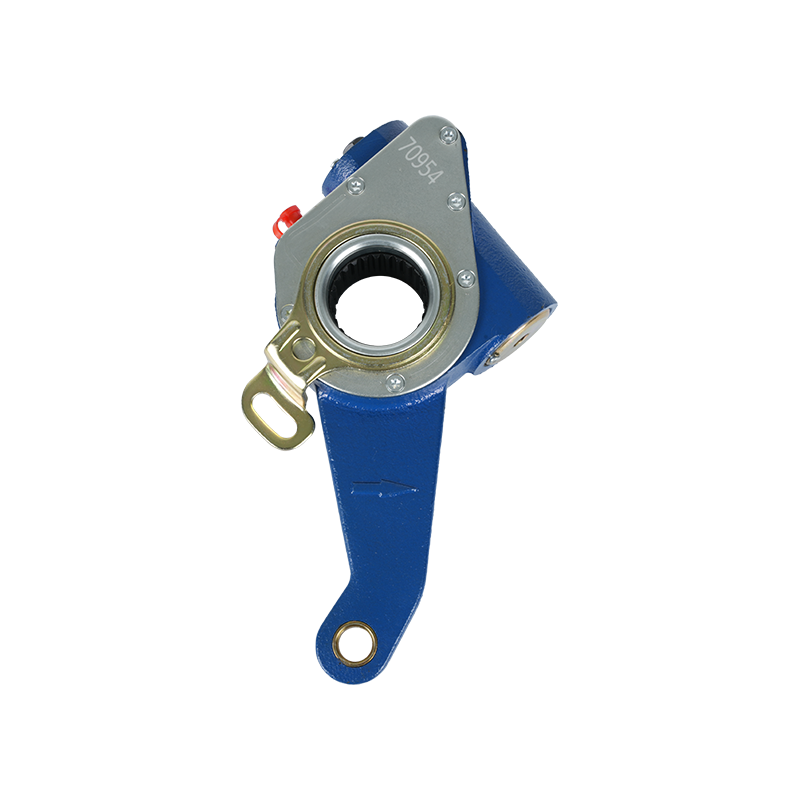
The automatic slack adjuster is like an "iron arm" connected to the wheel's braking system. It's usually hidden behind the axle on the inside of the wheel, but if you look under the vehicle, it's quite noticeable.
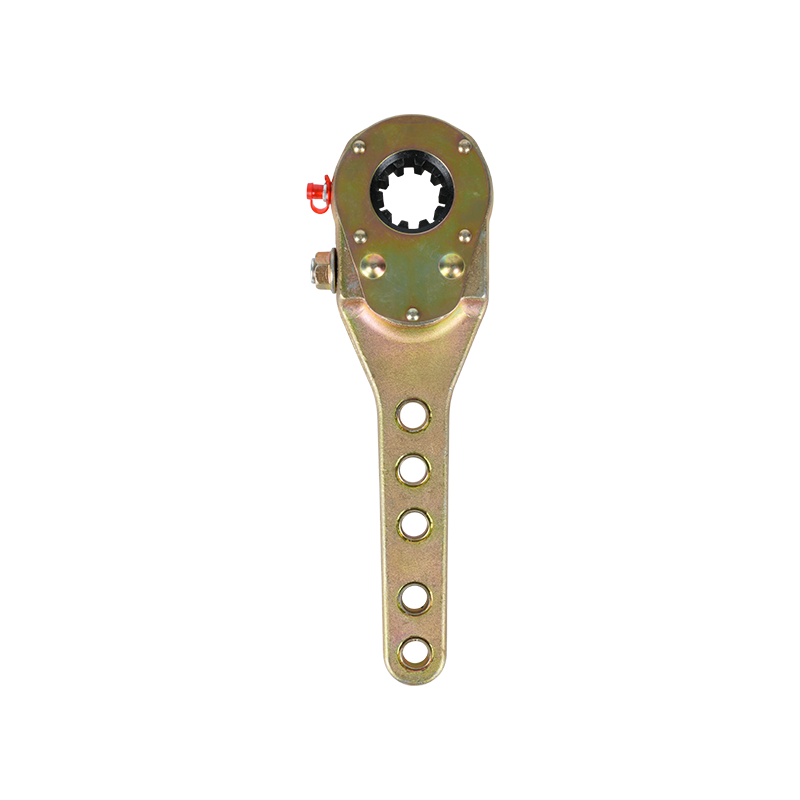
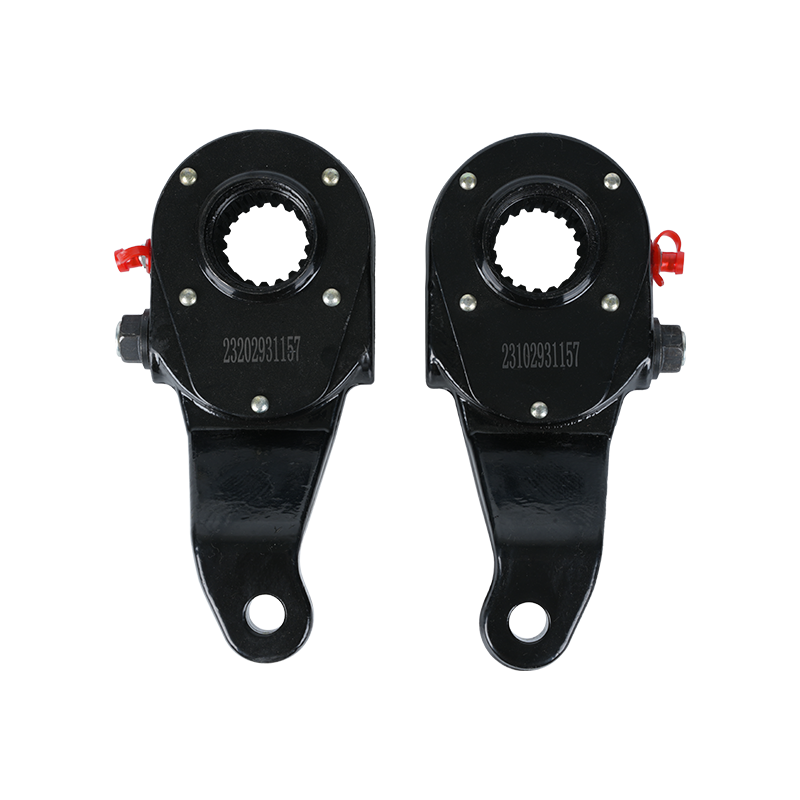
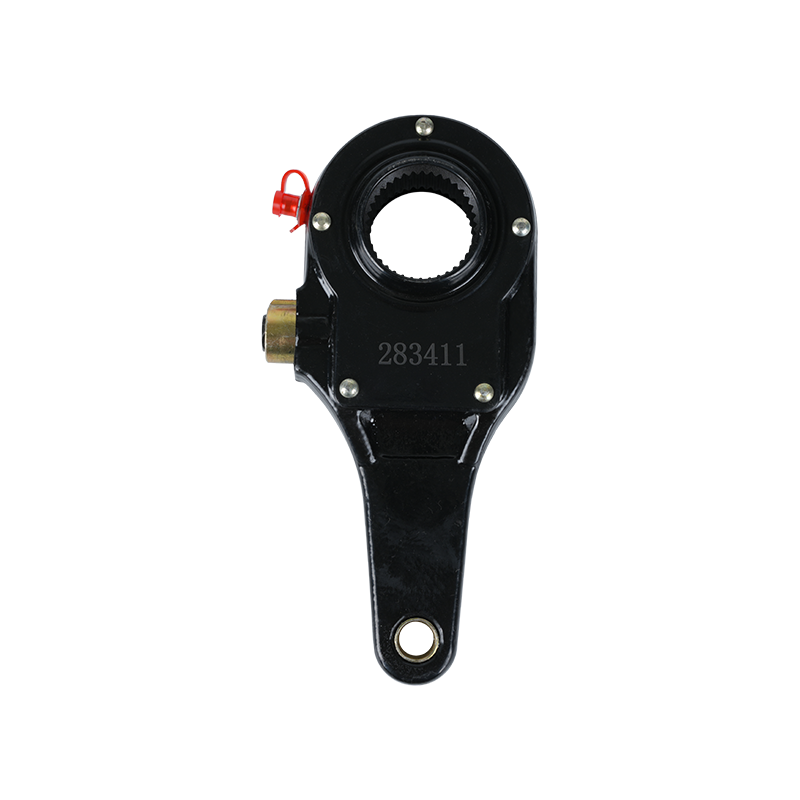
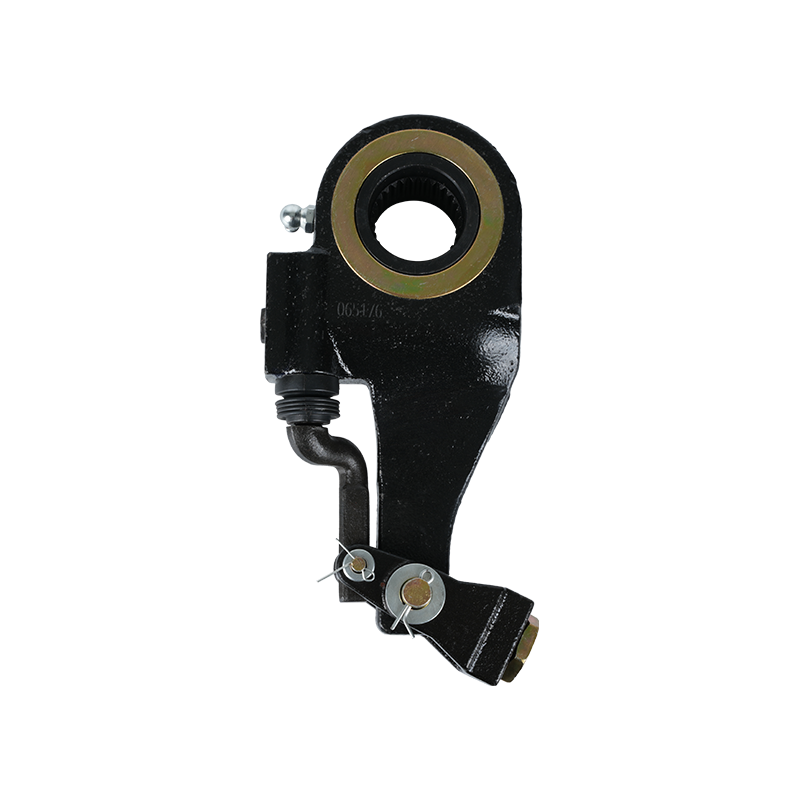
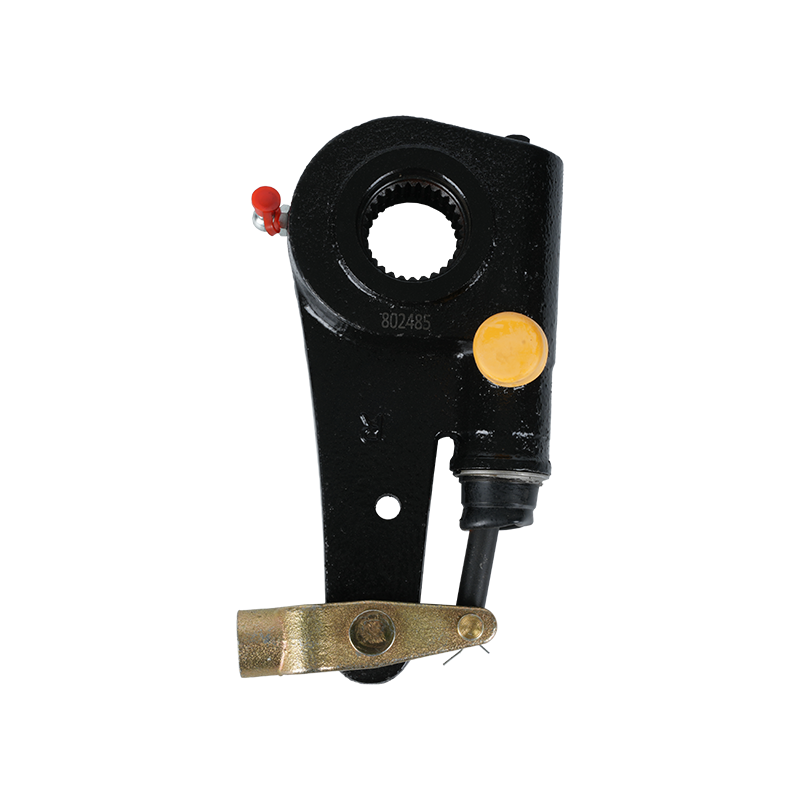
It looks like a long, wrench-shaped piece of metal cast from heavy-duty material.
One end is round and large, fitting onto the brake camshaft (like a wrench fitting onto a nut).
The other end is thinner and longer, extending upwards and connecting to the pushrod of the brake chamber.
It feels very sturdy and is usually black or the natural metal color.
At its roundest and thickest end, there is a circular hole in the center.
The inside of the circular hole is lined with small teeth (spline grooves).
This hole is used to fit onto the brake shaft; through the engagement of these teeth, it can drive the shaft to rotate, thus causing the brake pads to open.
On its side or end, you will see some noticeable features:
Adjustment nut: Usually a hexagonal metal head, looking like a regular bolt; this is where maintenance personnel can manually intervene.
Grease nipple: A small protruding tip used for periodic lubrication.
Control rod/positioning bracket: This is the biggest difference between it and a manual adjuster. Automatic models usually have an extra slender metal rod or bracket, one end connected to the adjuster body, and the other end fixed to the axle. This thin rod acts like its "ruler," used to sense how much the brake pads have worn down.
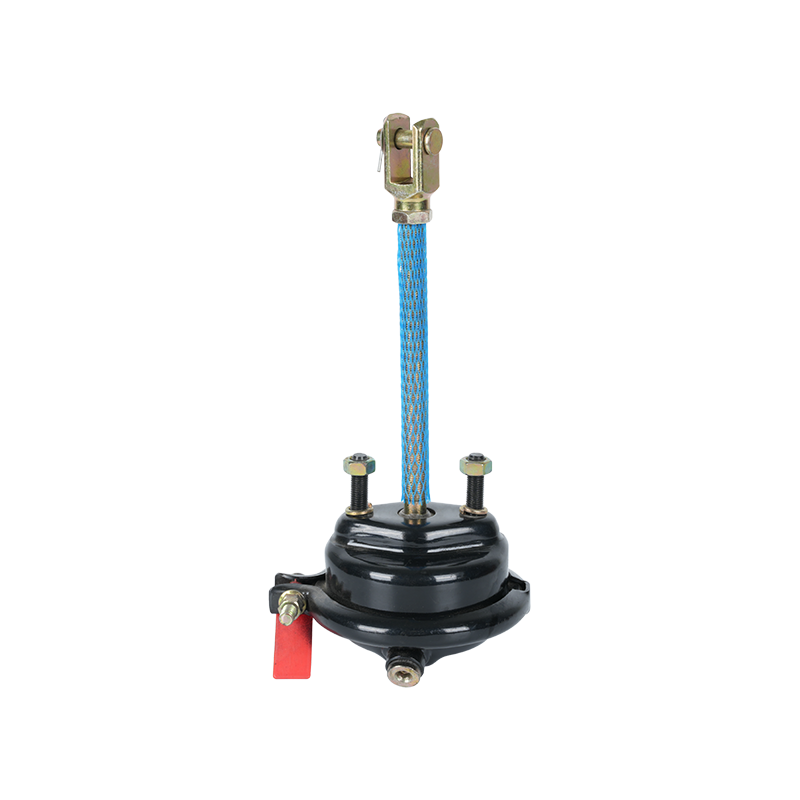
At its top (the thinner end), it is tightly connected to the pushrod coming from the brake chamber through a U-shaped metal clamp (clevis) and a thick metal pin.


 English
 中文简体
中文简体 русский
 عربى
عربى