


 (+86)-137 5851 1881
(+86)-137 5851 1881
(+86)-137 5851 1881



Content
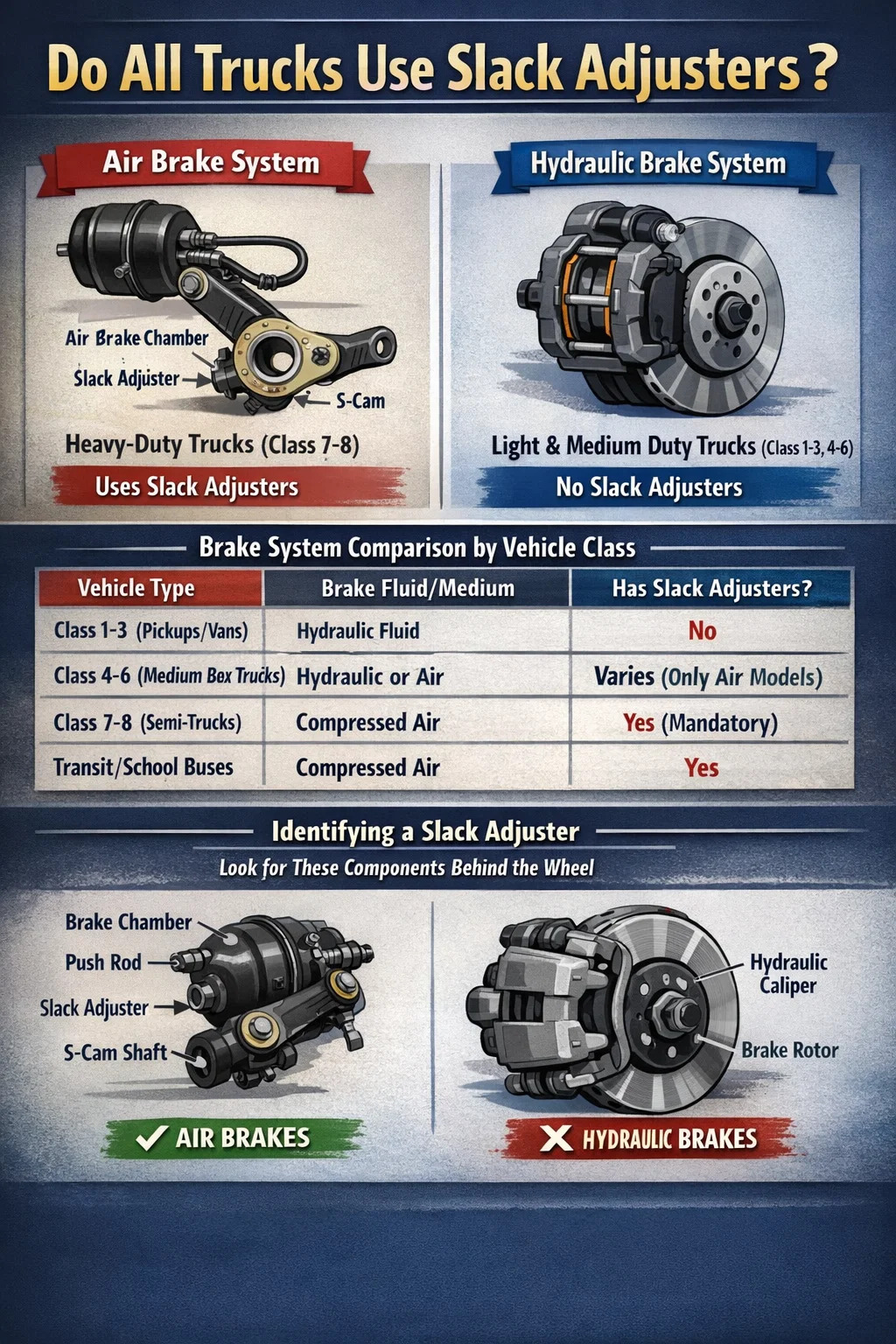
No, not all trucks have slack adjusters. Whether a truck is equipped with these components depends entirely on its braking system. Specifically, slack adjusters are a fundamental part of air brake systems found on heavy-duty commercial vehicles (Class 7 and Class 8 trucks). Light-duty trucks, such as standard pickups (Class 1-3), and many medium-duty box trucks use hydraulic braking systems, which do not utilize a slack adjuster mechanism to maintain brake shoe or pad clearance.
While almost every semi-truck and trailer on the road today features automatic slack adjusters, vehicles with hydraulic disc or drum brakes rely on self-adjusting pistons or star-wheel adjusters located inside the wheel assembly rather than an external linkage arm.
To understand why some trucks lack this part, we must look at how the force is applied to the wheels. The mechanical design of the brake system dictates the need for an external adjustment arm.
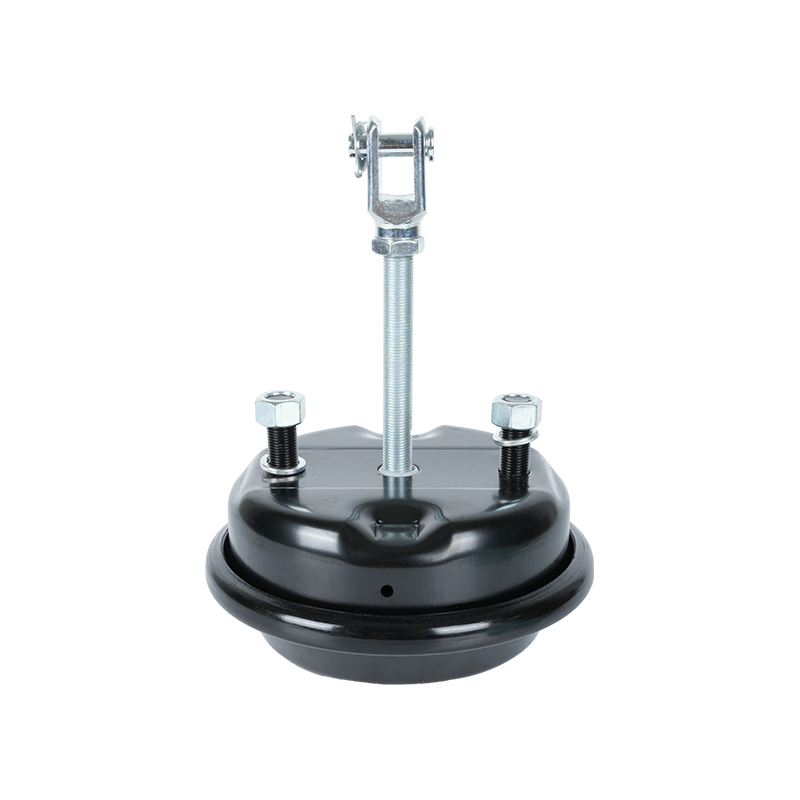
Heavy trucks use compressed air to push a diaphragm inside a brake chamber. This linear motion needs to be converted into a rotational force to turn the S-cam and spread the brake shoes. The slack adjusters act as the lever arm for this conversion. Because air is compressible and brake linings wear down, a mechanical way to take up the "slack" is required to prevent the pushrod from over-extending.
In a hydraulic system, brake fluid (which is non-compressible) moves through lines to push pistons directly against the pads or shoes. As the pads wear, more fluid simply stays in the caliper to keep the pads close to the rotor. There is no external "arm" or linkage to adjust, therefore, slack adjusters are non-existent in this setup.
The Gross Vehicle Weight Rating (GVWR) is often the best indicator of whether you will find slack adjusters on a chassis. Generally, any vehicle with a GVWR over 26,001 pounds is required to have air brakes, and thus, adjusters.
| Vehicle Type | Brake Fluid/Medium | Has Slack Adjusters? |
|---|---|---|
| Class 1-3 (Pickups/Vans) | Hydraulic Fluid | No |
| Class 4-6 (Medium Box Trucks) | Hydraulic or Air | Varies (Only Air Models) |
| Class 7-8 (Semi-Trucks) | Compressed Air | Yes (Mandatory) |
| Transit/School Buses | Compressed Air | Yes |
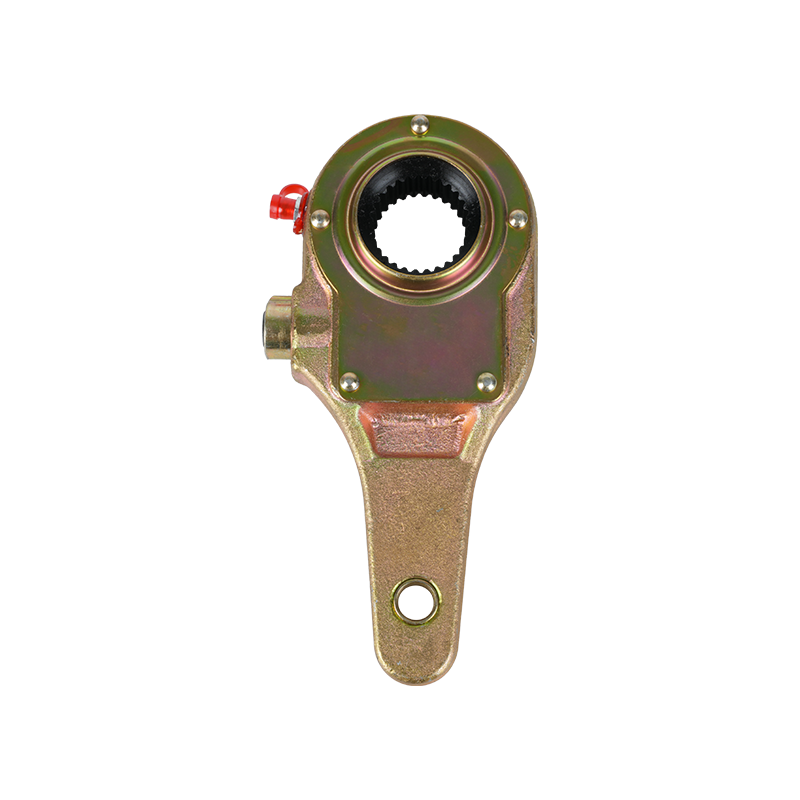
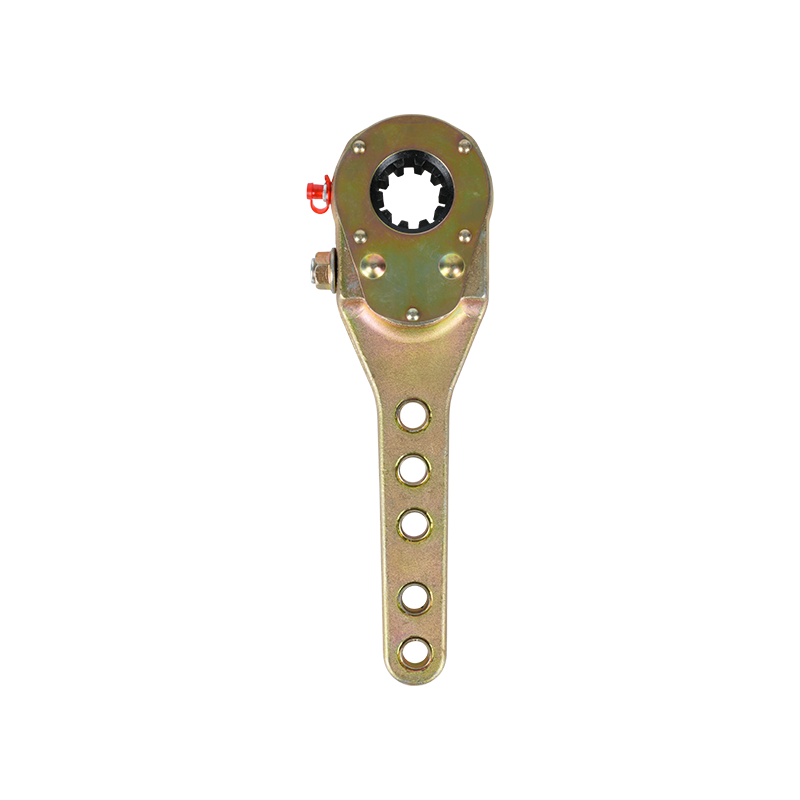
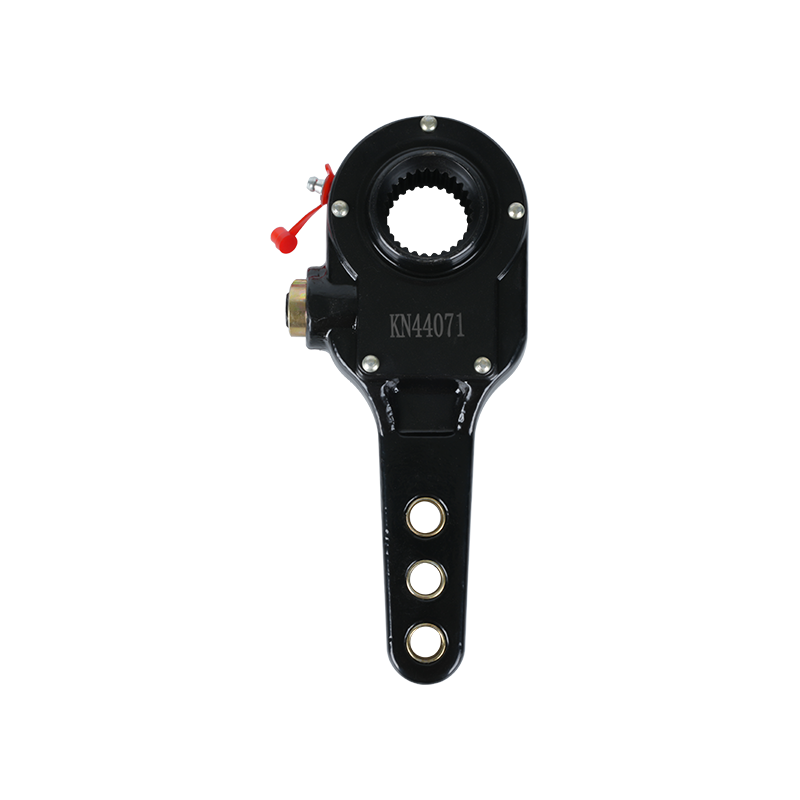
It is important to note that even among trucks that have these parts, the technology has changed. Before 1994, many trucks were equipped with manual adjusters that required a mechanic to physically turn a bolt to tighten the brakes. However, federal regulations in the United States (FMVSS 121) mandated that all new trucks built after October 20, 1994, must be equipped with automatic slack adjusters.
This mandate was introduced to reduce the frequency of brake-related accidents caused by out-of-adjustment brakes. Today, finding a manual adjuster is rare and usually limited to vintage or "show" trucks that pre-date the regulation.
One might wonder why heavy trailers don't just use simpler hydraulic systems. The reason is the "coupling" factor. Air lines are much easier to connect and disconnect between a tractor and a trailer using "glad hands" without losing fluid or introducing air bubbles into the system. Since trailers almost exclusively use air brakes, they are almost all equipped with slack adjusters on every braked axle.
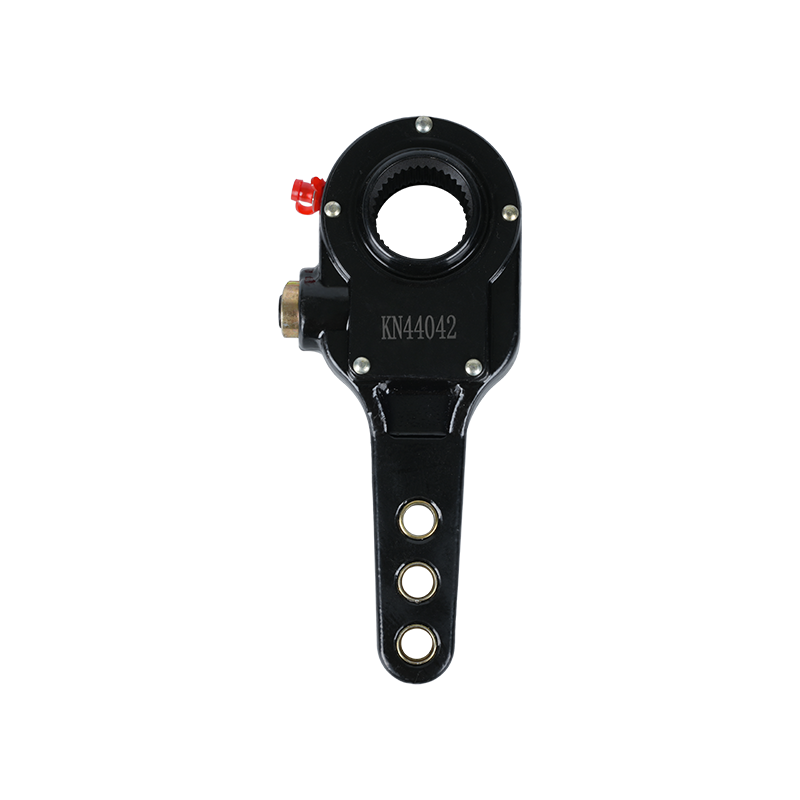
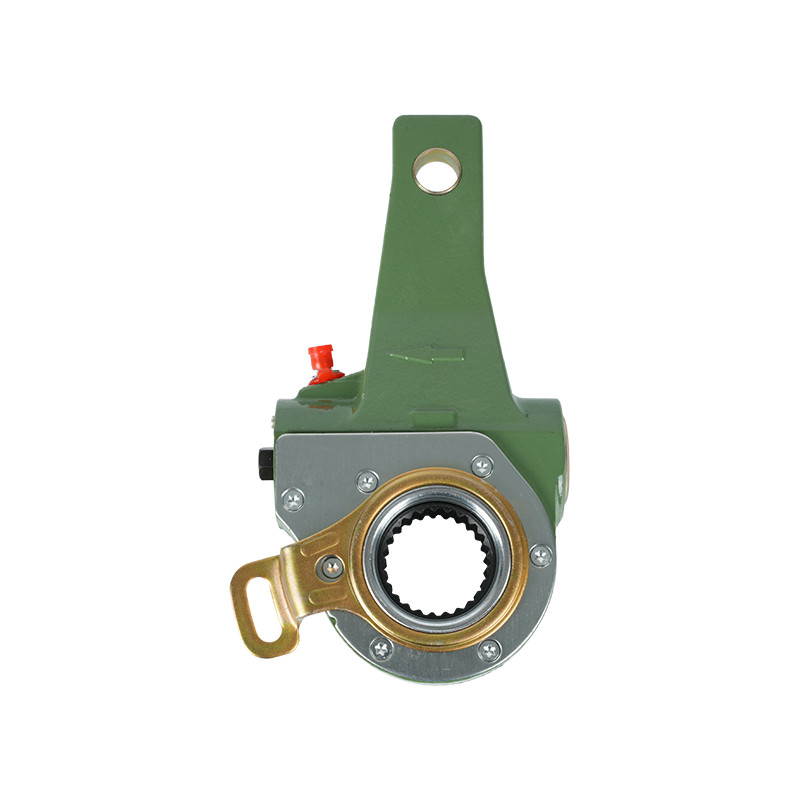
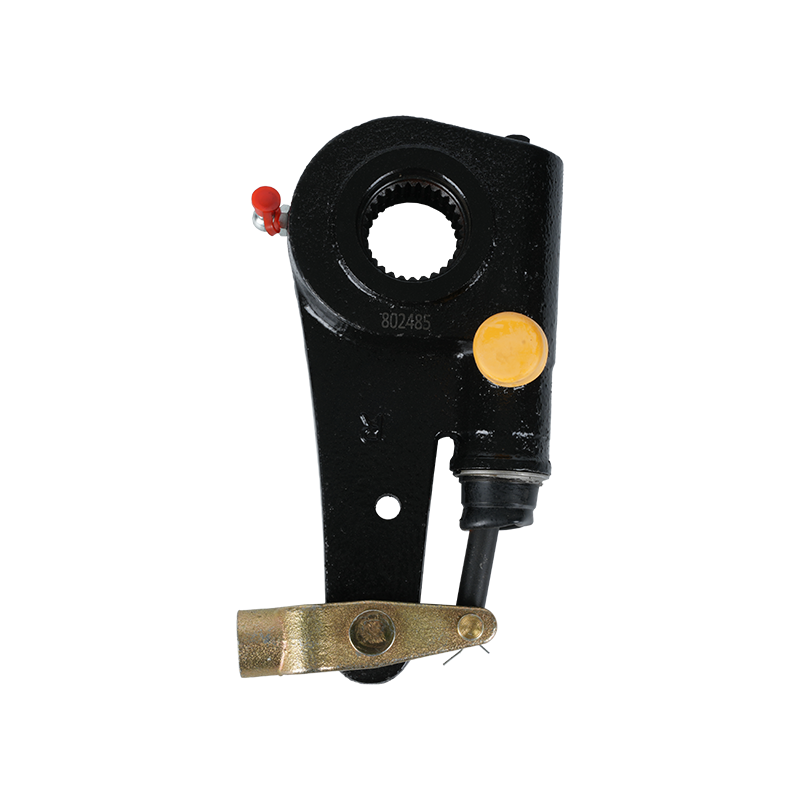
If you are unsure if your truck has them, you can perform a quick visual check. Look behind the wheel hub for a large, circular canister (the brake chamber). If you see a steel rod protruding from that canister and connecting to a lever that sits on a splined shaft, you are looking at a slack adjuster. If you only see flexible rubber hoses going directly into a metal caliper that "pinches" a disc, you have a hydraulic or air-disc system that may use a different internal adjustment method.
Interestingly, even modern air disc brakes (which are becoming popular on Class 8 trucks) have an internal mechanism that performs the "slack adjustment" function, but they lack the traditional external "arm" that drivers are used to seeing and checking during a CDL pre-trip inspection.


 English
 中文简体
中文简体 русский
 عربى
عربى