


 (+86)-137 5851 1881
(+86)-137 5851 1881
(+86)-137 5851 1881



Content
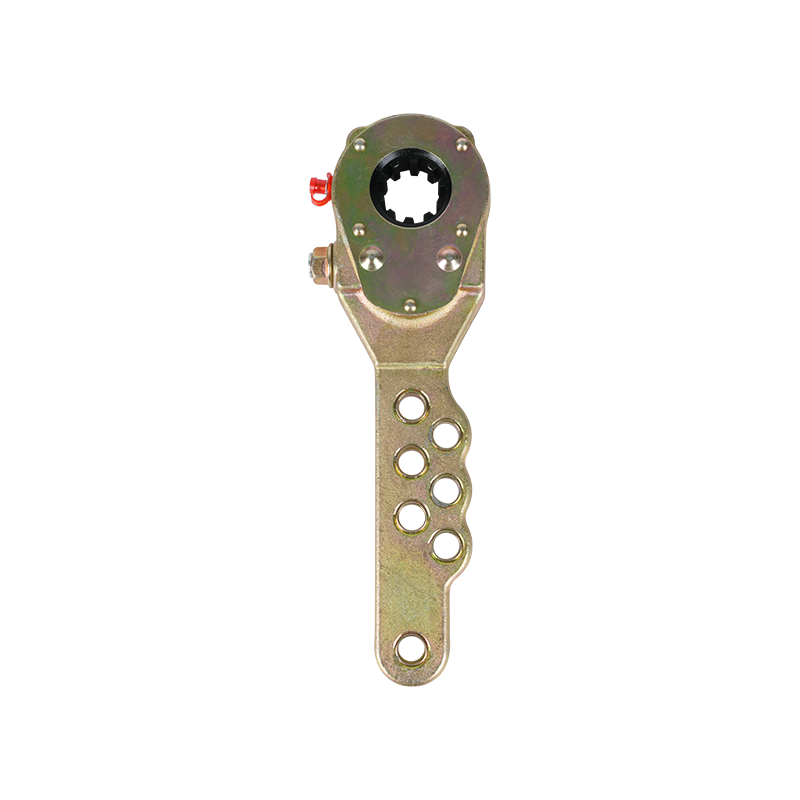
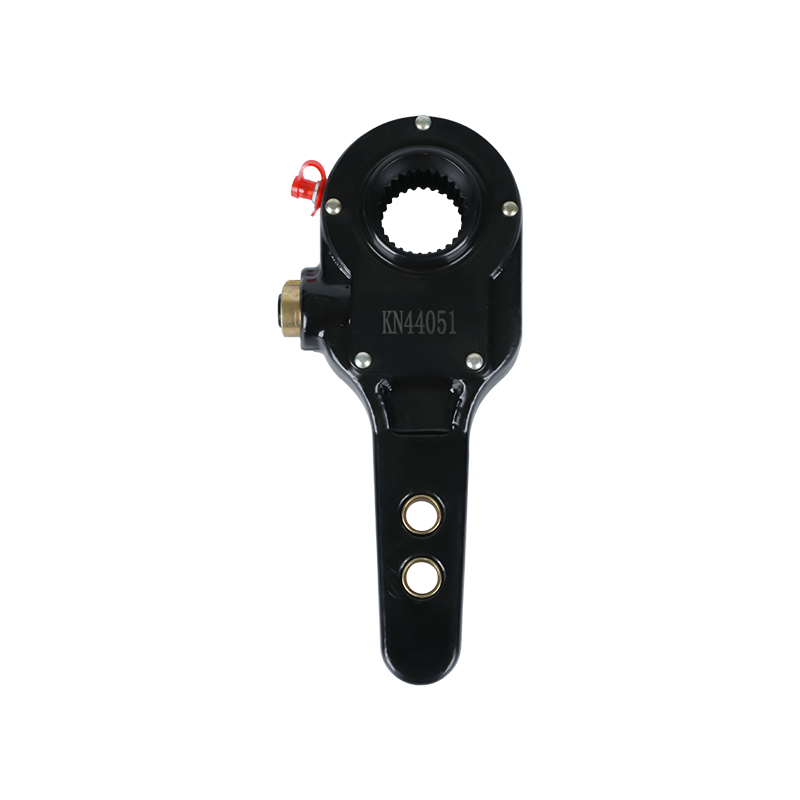
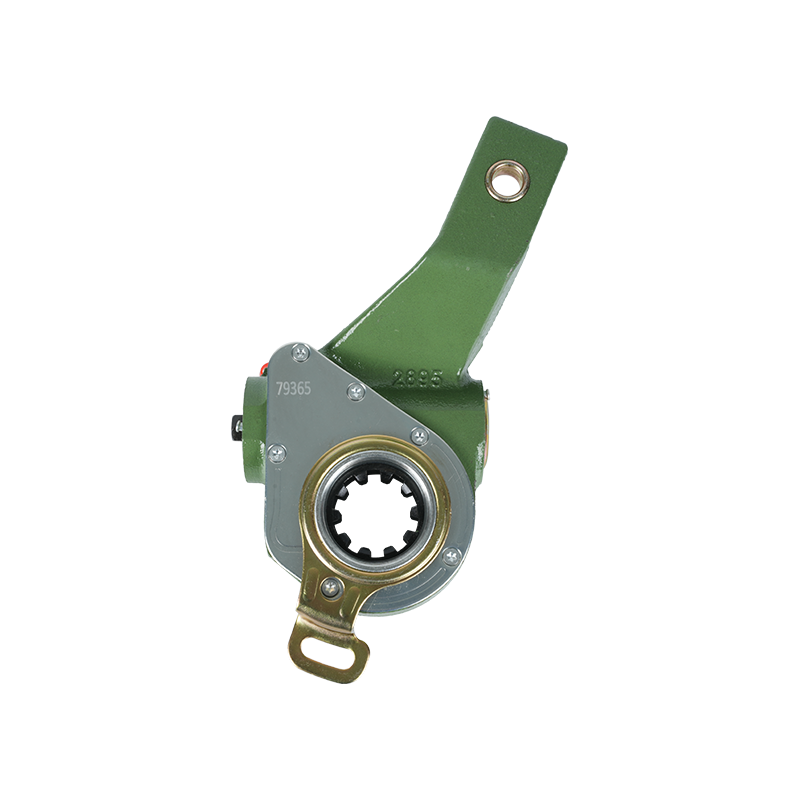
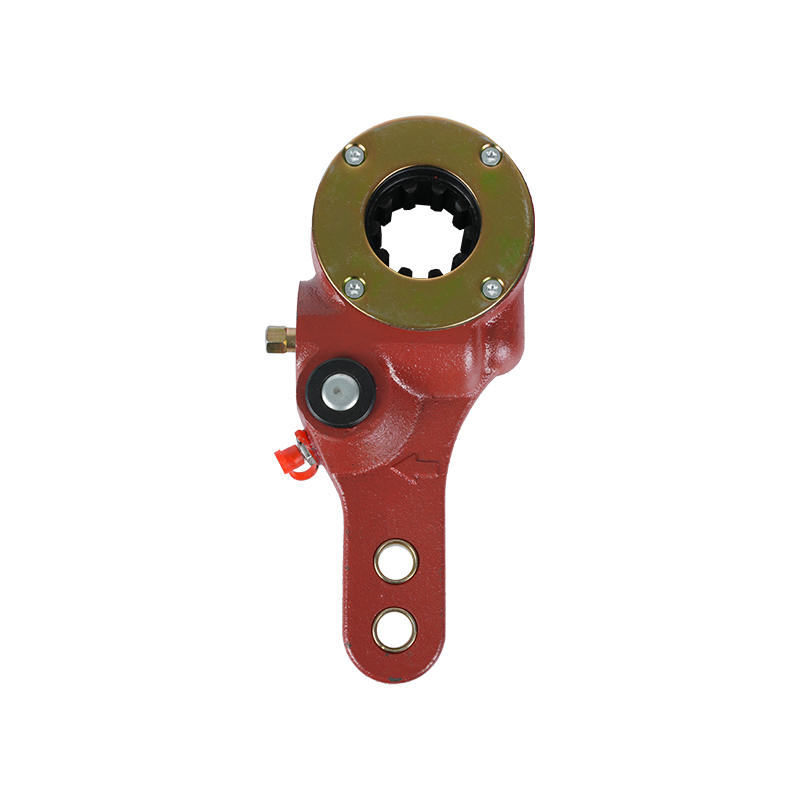
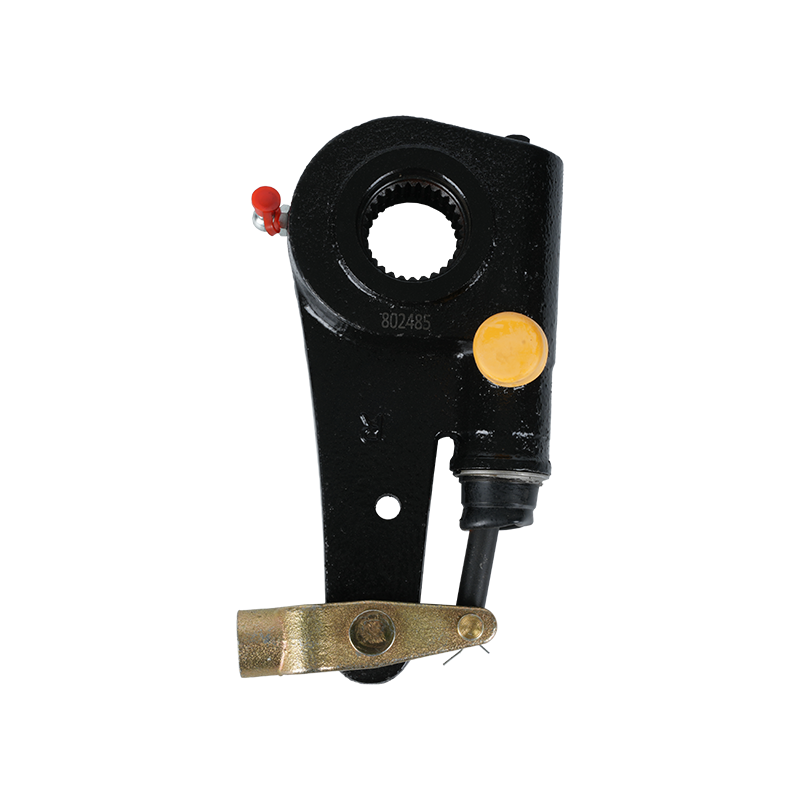
To identify the correct slack adjuster, you need to match four specifications at once: the arm length measured from the center of the spline to the center of the clevis pin, the spline size and tooth count, the rotation direction (clockwise or counter-clockwise), and whether the application requires an Automatic Slack Adjuster or a manual type. Most modern commercial trucks and trailers use automatic slack adjusters, and within that category the internal mechanism matters too, since a Double Spring Slack Adjuster and a Locking Sleeve Structure Slack Adjuster are built and serviced differently even when their external arm length looks identical.
Getting any one of these four specifications wrong can result in improper brake stroke, uneven braking force, or a part that physically will not bolt onto the camshaft. The rest of this guide walks through each specification in detail so you can order the correct part on the first attempt.
Rather than guessing from a catalog photo, follow this sequence to gather accurate measurements directly from the vehicle before ordering.
Find the slack adjuster mounted on the brake camshaft at each wheel end and note whether it looks manual or automatic, since automatic types have an internal adjusting mechanism housing that is visibly larger.
With a tape measure, record the distance from the center of the spline bore to the center of the clevis pin hole, rounding to the nearest quarter inch.
Remove the adjuster or use a flashlight to count the teeth on the camshaft end, since the two most common counts on commercial vehicles are 10 spline and 28 spline patterns.
Check the stamped marking on the adjuster housing, since left-side and right-side positions on the same axle typically require opposite rotation directions to function correctly.
Combine arm length, spline count, rotation, and internal mechanism type into a single specification set and cross-check it against the original equipment part number stamped on the housing whenever it is still legible.
Federal brake standards require that pushrod stroke stay within a set limit, commonly around 2 inches for a 30 square inch brake chamber, or the vehicle is considered out of adjustment.
An Automatic Slack Adjuster is engineered to maintain this stroke length automatically as brake linings wear, which is why almost all trailers and trucks manufactured in recent decades use automatic rather than manual units. Choosing an adjuster with the wrong arm length changes the effective leverage ratio at the brake chamber, which can push stroke measurements outside the compliant range even if every other component is functioning normally.
This is also why the internal mechanism matters during selection, not just for fit but for long-term stroke stability. A Double Spring Slack Adjuster relies on paired return springs to hold adjustment under vibration, while a Locking Sleeve Structure Slack Adjuster uses a mechanical sleeve to lock the adjustment ring, and each design has different service intervals and wear patterns worth matching to your fleet's maintenance schedule.
Once the external dimensions are confirmed, the internal mechanism is the next decision point, since it affects how the adjuster responds to lining wear and vibration over the life of the brake system.
This design uses two opposing springs inside the housing to control the adjustment gear, providing consistent resistance against vibration-induced drift, which makes it a common choice for vocational trucks operating on rough terrain.
This design uses a sleeve that mechanically locks the internal adjustment gear once the correct stroke is reached, offering a more rigid hold and is frequently specified for long-haul trailers where consistent highway-speed braking performance is the priority.
Ordering the wrong slack adjuster is one of the most frequent parts-desk errors in commercial vehicle maintenance. The table below highlights the mistakes that come up most often and how to correct them.
| Mistake | Why It Happens | Correct Approach |
|---|---|---|
| Measuring arm length loosely | Estimating instead of measuring pin-to-pin | Always measure center-to-center with a tape measure |
| Ignoring rotation direction | Assuming left and right sides are identical | Check the stamped rotation marking on each side separately |
| Mismatched spline count | Not counting teeth after camshaft wear | Physically count spline teeth rather than assuming a standard count |
| Overlooking internal mechanism type | Assuming all automatic adjusters are interchangeable | Match Double Spring or Locking Sleeve Structure to the OEM design |
Table 2: Frequent slack adjuster ordering mistakes and how to prevent them.
Keep a specification sheet per axle position. Recording arm length, spline count, and rotation for every wheel end speeds up future replacements and reduces desk-side guesswork.
Inspect brake stroke at every service interval. A stroke reading that creeps toward the limit can indicate the adjuster is nearing the end of its adjustment range.
Replace adjusters in axle pairs when possible. Matching wear levels left and right helps maintain even braking force across the axle.
Retain the original part number when legible. A stamped OEM number is the fastest way to confirm an exact cross-reference match.
Installing a slack adjuster is directly tied to braking performance, so precision matters more than speed. Never install a slack adjuster with the wrong rotation direction, since forcing it onto the camshaft can strip splines or leave the brake unable to release fully.
After installation, always perform a manual brake stroke check before returning the vehicle to service, and confirm that the adjuster arm moves freely through its full range without binding against surrounding chassis components.
QCan I measure arm length without removing the old adjuster?
Yes, arm length can be measured in place by locating the center of the spline bore and the center of the clevis pin hole and recording the straight-line distance between them.
QIs a Double Spring Slack Adjuster interchangeable with a Locking Sleeve Structure type?
Not directly. While both may fit the same arm length and spline pattern, their internal adjustment mechanisms behave differently under vibration and wear, so it is best to match the type originally specified for the axle.
QWhat happens if I install the wrong rotation direction?
The adjuster will fight against the brake chamber's natural travel, leading to incomplete brake release, excessive heat buildup, and accelerated wear on the foundation brake components.
QHow do I know if I need an automatic or manual slack adjuster?
Almost all vehicles built in recent decades are equipped with an Automatic Slack Adjuster as standard, so unless the vehicle is an older model with a manual adjustment system, replacement should match the automatic design already installed.


 English
 中文简体
中文简体 русский
 عربى
عربى