


 (+86)-137 5851 1881
(+86)-137 5851 1881
(+86)-137 5851 1881



Content
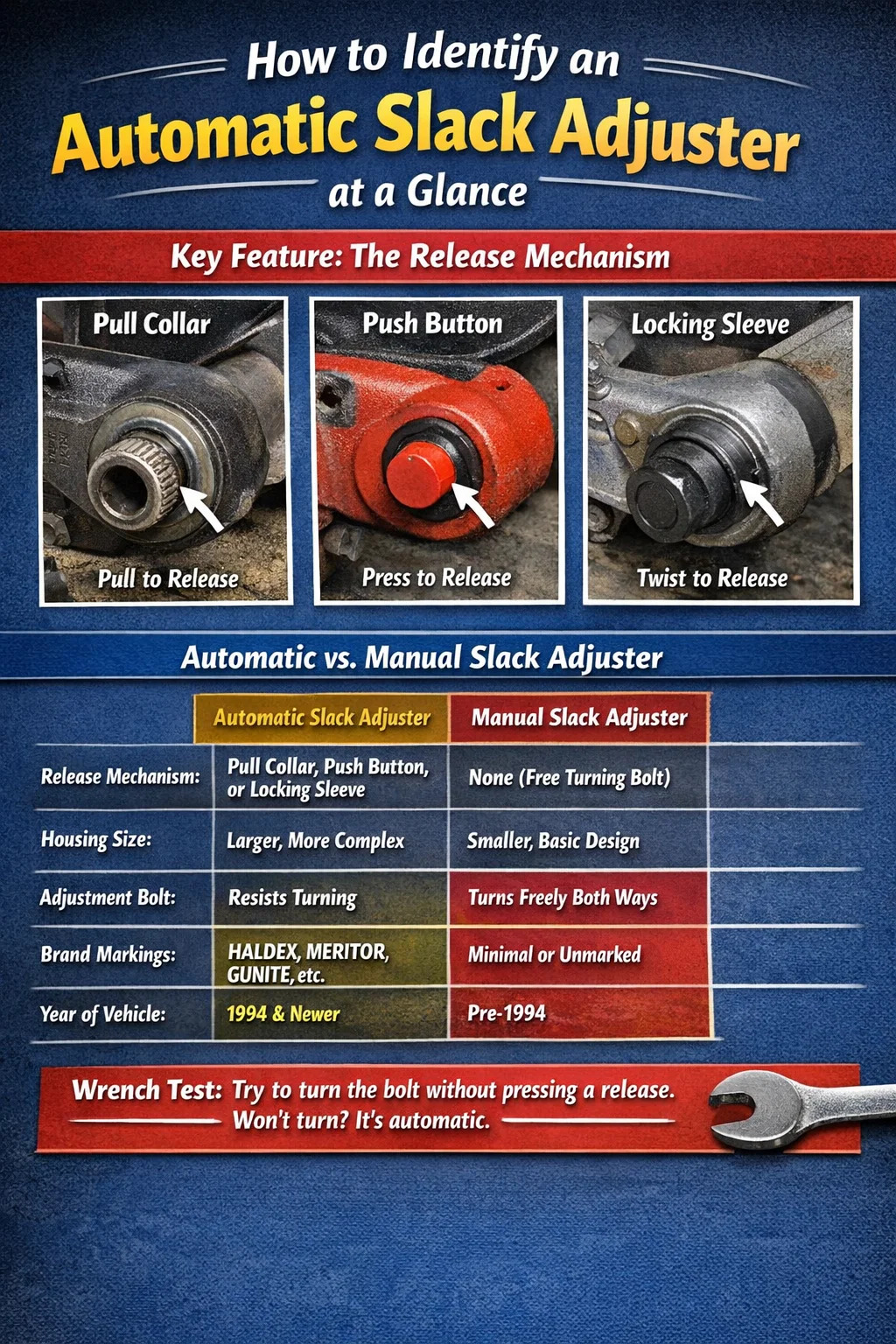
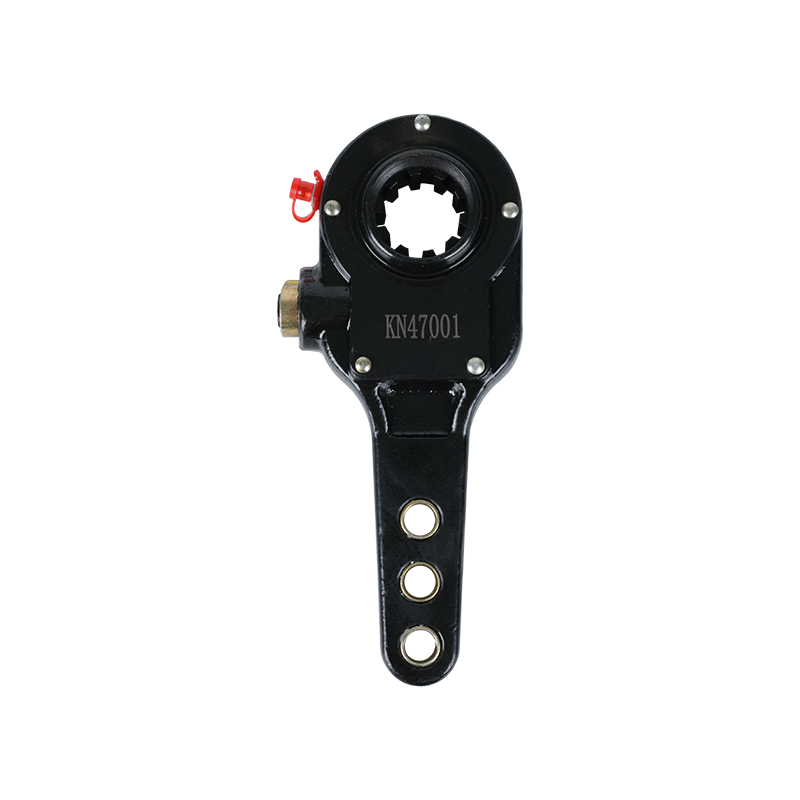
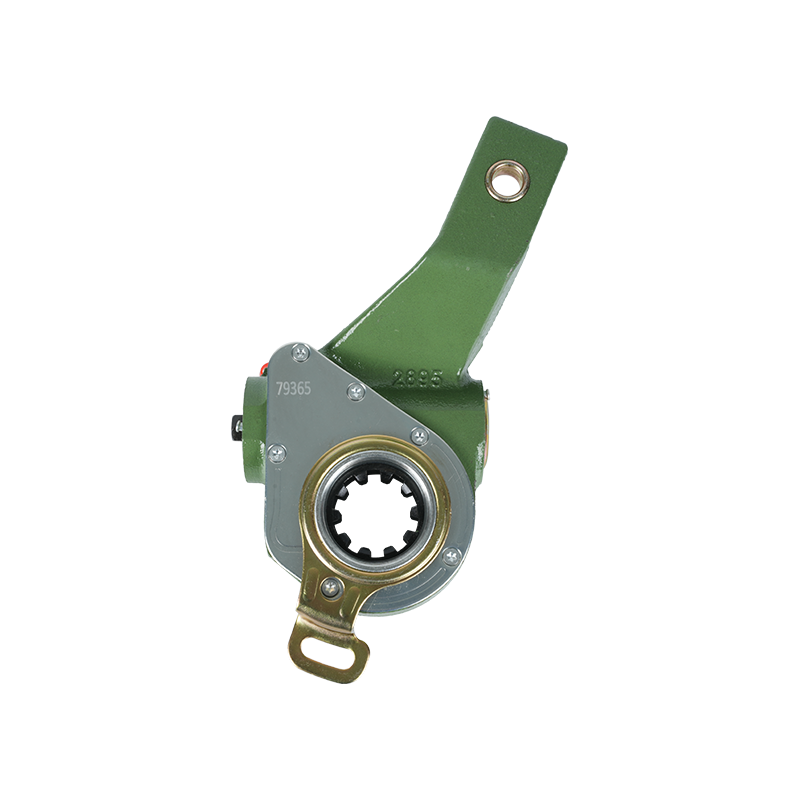
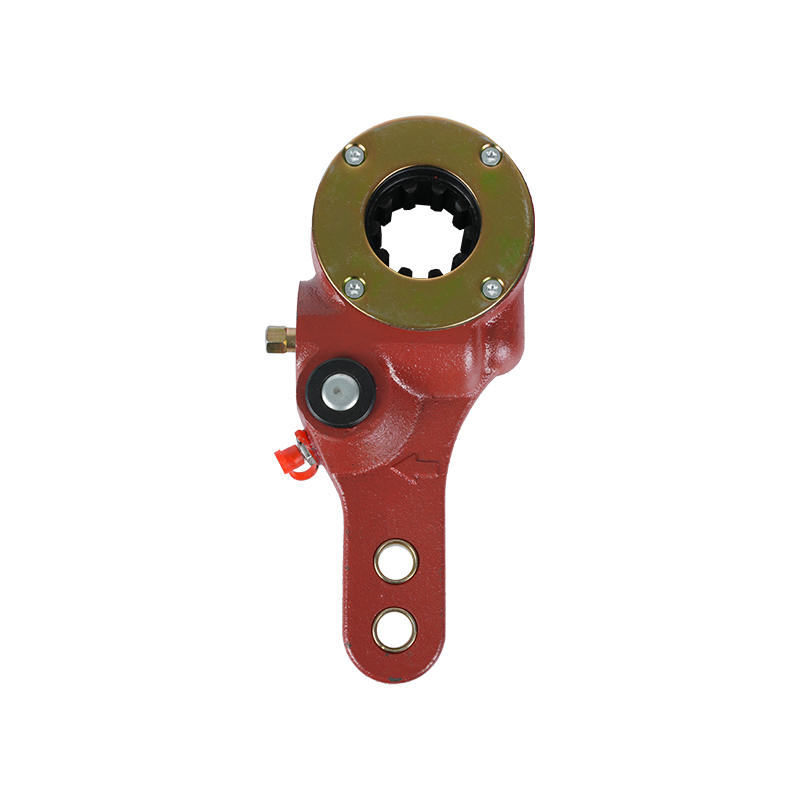
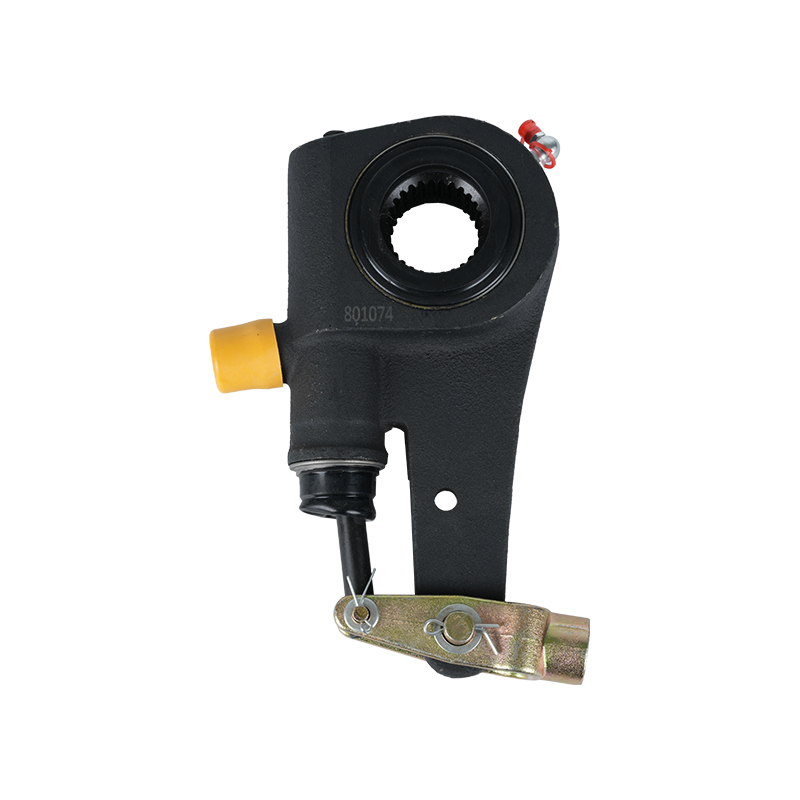
An automatic slack adjuster can be identified by the presence of a release mechanism on the adjuster body — either a pull-type collar, a push-button, or a locking sleeve — located near the worm gear adjustment bolt. This release feature is the most reliable visual indicator that distinguishes an automatic slack adjuster (ASA) from a manual one. On a manual adjuster, the hex bolt turns freely in both directions with no locking mechanism. On an automatic adjuster, that same bolt is protected by a clutch or pawl system that prevents accidental back-off during normal brake operation.
Beyond the release mechanism, automatic slack adjusters also tend to have a larger and more complex housing than manual units, often with visible casting markings, brand logos, and part number stamps on the adjuster body. If you're under a truck or trailer and unsure which type you're looking at, the single fastest check is this: try to turn the worm gear bolt without depressing or pulling anything. If it resists or won't move at all, you're almost certainly looking at an automatic adjuster with its clutch engaged.
The sections below break this down further — by physical features, brand-specific markings, vehicle age requirements, and real-world identification scenarios.
Before getting into physical identification, it helps to understand the regulatory context. Under 49 CFR 393.53, the Federal Motor Carrier Safety Administration (FMCSA) requires all air-braked commercial motor vehicles manufactured on or after October 20, 1994 to be equipped with automatic slack adjusters. This applies to tractors, trailers, buses, and any other air-braked CMV over 10,000 lbs GVWR.
What this means practically: if you're working on any truck or trailer built in the last 30 years, you should expect automatic slack adjusters as the default. Manual adjusters on post-1994 vehicles represent either a non-compliant modification, a specialty or military application, or equipment that has been incorrectly serviced. If you see what appears to be a manual adjuster on a newer vehicle, that's a red flag worth investigating before performing any brake work.
Pre-1994 vehicles — older single-axle straight trucks, vintage trailers, some transit buses — may legitimately still run manual adjusters. The identification method differs for these, which is covered in a dedicated section below.
When you're physically inspecting a brake assembly, look for these specific features on the adjuster arm and housing:
This is the defining feature. Every automatic slack adjuster has some form of release system built into the worm gear housing. The three most common configurations are:
If you see any of these features near the worm gear bolt, you're looking at an automatic slack adjuster. No exceptions.
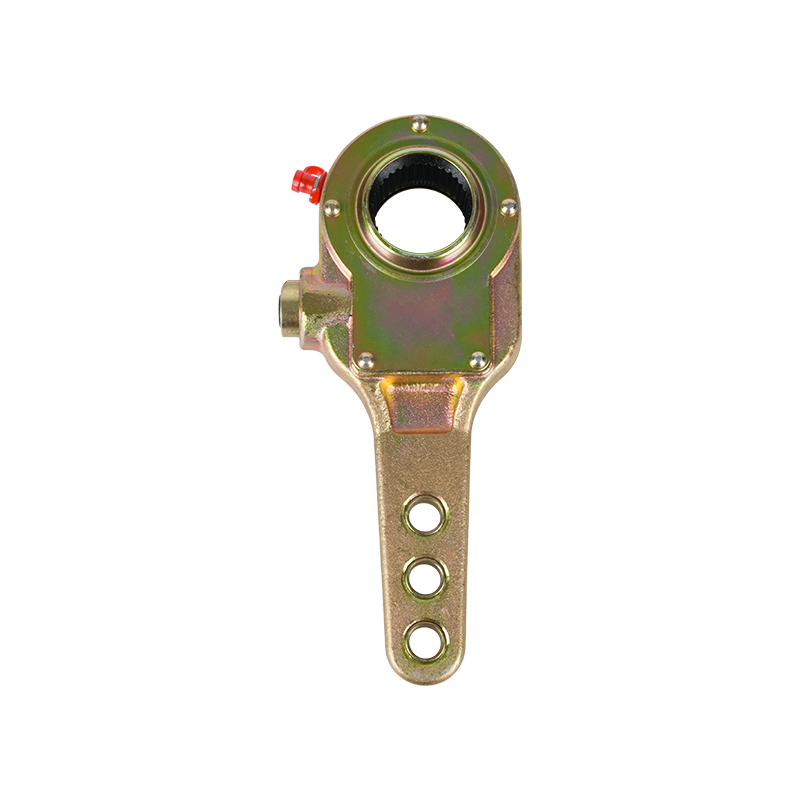
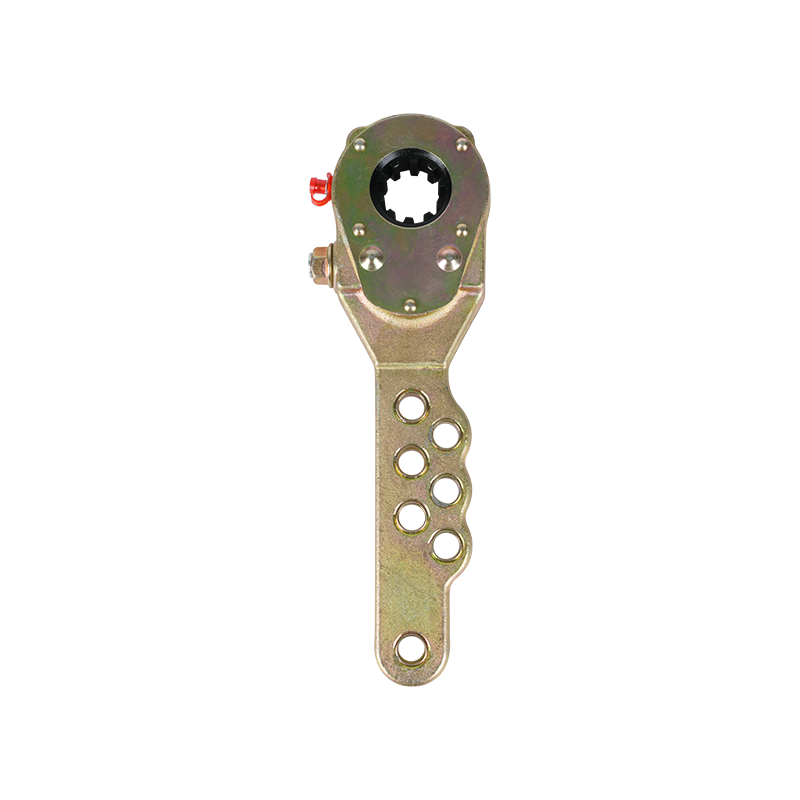
Automatic slack adjusters have a noticeably larger worm gear housing than manual adjusters. The housing needs to contain the clutch mechanism, pawl, and internal spring — so it's bulkier. A manual adjuster's housing is compact and simple, essentially just a casting around the worm gear. An automatic adjuster's housing is typically 50–75% larger in the worm gear section, often roughly rectangular or oval in cross-section versus the more streamlined shape of a manual unit.
The adjustment bolt on an automatic slack adjuster is typically recessed slightly into the housing or protected by the release collar, rather than being fully exposed. Common hex sizes are 3/4" on Haldex units, 9/16" on most Meritor units, and 5/8" on Gunite units. On a manual adjuster, the bolt sits fully exposed with no surrounding hardware.
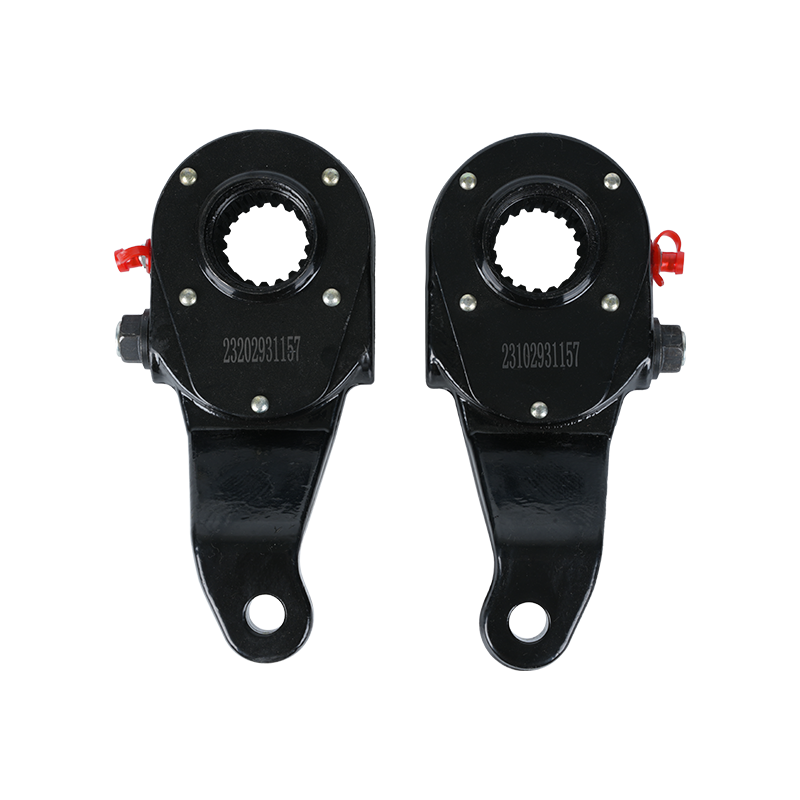
Most automatic slack adjusters have the manufacturer's name or logo cast directly into the adjuster housing, along with a part number, arm length, and often a direction-of-installation arrow. Common markings include "HALDEX," "MERITOR," "GUNITE," "BENDIX," or numeric part codes like "MGM" or "HB" prefixes. Manual adjusters from older production runs are often unmarked or carry only minimal casting codes.
Each major manufacturer has consistent visual cues across their automatic slack adjuster product lines. Knowing these makes identification faster, especially in dirty or low-light conditions under a vehicle.
Haldex is one of the most widely deployed brands in North American fleets. Their automatic adjusters are identifiable by:
Haldex adjusters are common on Freightliner, Volvo, and many trailer axles including those from Hendrickson and Dana.
Meritor automatic slack adjusters are identifiable by:
Gunite (now part of the Accuride family) adjusters are common on older trailers and transit buses. Identification markers include:
Bendix adjusters appear most frequently on school buses and medium-duty trucks. They are identifiable by:
The table below summarizes the key visual and functional differences between automatic and manual slack adjusters, useful as a quick reference when performing an inspection under unfamiliar equipment:
| Feature | Automatic Slack Adjuster | Manual Slack Adjuster |
|---|---|---|
| Release mechanism | Pull collar, push button, or locking sleeve | None — bolt turns freely both ways |
| Worm gear housing size | Larger, more complex casting | Compact, simple casting |
| Adjustment bolt feel | Resists turning without release | Turns freely in both directions |
| Self-adjusting function | Yes — adjusts automatically during brake use | No — requires manual adjustment at each service |
| Brand markings | Typically cast in housing (Haldex, Meritor, etc.) | Often minimal or absent on older units |
| Typical hex bolt size | 9/16", 5/8", or 3/4" | 9/16" or 3/4" (varies by era) |
| Required on vehicles manufactured after | October 20, 1994 (FMCSA 49 CFR 393.53) | Pre-1994 vehicles only (in compliant use) |
| Grease fitting present | Usually yes (worm gear housing) | Sometimes — depends on design era |
In real shop conditions, slack adjusters are often caked with road grime, grease, and rust. The casting markings may be unreadable, and the release mechanism could be obscured. When that happens, use these additional confirmation methods:
Fit the correct wrench to the adjustment bolt and apply moderate turning force counterclockwise without pressing any buttons or pulling any collar. On an automatic slack adjuster, the bolt will resist or not move at all — the internal clutch prevents back-off without the release being engaged. On a manual adjuster, the bolt will turn with normal wrench effort. This is a reliable test that takes about 5 seconds and requires no cleaning of the adjuster body.
The vehicle identification number (VIN) plate on the door jamb or cab exterior gives you the manufacture date. If the vehicle was built after October 1994, federal law requires automatic slack adjusters. This narrows your identification considerably — if it's a post-1994 truck and the adjuster doesn't have an obvious release mechanism, something has been changed or misinstalled and needs further investigation.
If you can read any part number from the adjuster housing — even partially — cross-reference it against the manufacturer's catalog. Haldex, Meritor, and Bendix all maintain online parts databases. A part number prefix of "MGM-" typically indicates Meritor, "90-" or "HA-" prefixes indicate Haldex, and "ASA" in any position confirms it is an automatic slack adjuster regardless of brand. Many O'Reilly, FleetPride, and Truck Parts & Equipment catalogs also cross-reference these numbers with a clear ASA vs. manual designation.
Many trucks and trailers have a brake specification tag riveted or bolted to the vehicle frame near the rear axle or inside the door jamb. This tag lists the brake chamber size, adjuster arm length, and adjuster type. A tag reading "ASA" or "Auto Slack" is conclusive. If the tag is missing — common on older trailers — use the physical inspection methods above.
Identifying an automatic slack adjuster isn't just about distinguishing it from a manual one — it also means recognizing when the automatic adjuster is failing to do its job. A malfunctioning automatic slack adjuster is one of the most common causes of out-of-service brake violations in North America, accounting for a significant share of brake-related citations during CVSA inspection blitzes.
FMCSA regulations explicitly prohibit compensating for a failing automatic slack adjuster through manual adjustment. Under 49 CFR 393.53(b), if an automatic adjuster requires repeated manual intervention to stay within stroke limits, the adjuster must be replaced — not re-adjusted. This is a compliance issue, not just a maintenance preference.
Arm length is a critical specification that is stamped or cast onto every automatic slack adjuster. It is measured from the center of the S-cam shaft bore to the center of the clevis pin hole. This measurement determines the mechanical advantage the adjuster provides and must match the vehicle's brake specification.
Common arm lengths in North American fleets:
The arm length is typically stamped near the clevis pin hole end of the arm as a number like "5.5," "6," or "6-1/2." On some Meritor units, it appears as a raised casting rather than a stamped number. When replacing an automatic slack adjuster, the replacement must match the original arm length exactly — using a 5.5-inch arm where a 6-inch was specified reduces braking torque by approximately 8.3%, which is a measurable and potentially dangerous reduction in stopping force.
Automatic slack adjusters are handed — meaning they are designed for either the left (driver's) side or right (passenger's) side of the axle. Installing the wrong-handed adjuster causes the internal clutch to work against brake application direction instead of with it, resulting in the adjuster loosening rather than tightening as brakes apply — a dangerous failure mode that may not be immediately obvious during a static inspection.
How to identify the correct hand:
A wrong-handed automatic slack adjuster installed on a vehicle may pass a static inspection because the worm gear and housing look correct — the failure only becomes apparent during dynamic testing or when stroke is measured after repeated brake applications and found to be growing rather than staying consistent.
During a pre-trip inspection or a formal DOT brake check, drivers and inspectors are not expected to perform a full mechanical teardown to identify adjuster type. However, several checks can be done from outside the wheel well that confirm the automatic slack adjuster is present and functioning:
CVSA Level 1 inspections include brake adjustment checks on every brake position. Inspectors measure applied stroke and compare it to chamber-type limits. A vehicle with 20% or more of its brakes out of adjustment faces an out-of-service order. On a standard 18-wheel tractor-trailer with 10 service brake positions, that means just 2 out-of-adjustment brakes can put the entire rig out of service.
It's unlikely but possible. If a pull collar has broken off or been removed, the underlying hex bolt and worm gear housing are still visible — but the bolt will still resist turning without the release mechanism, because the internal clutch is intact. The wrench test (trying to turn the bolt counterclockwise without any release action) will still reveal it as an automatic unit even if the collar itself is damaged.
Air disc brake systems do not use a traditional slack adjuster arm at all. They have an integrated adjuster mechanism built into the caliper body. These systems automatically compensate for pad wear internally, but the component is not called a slack adjuster — it's referred to as a pad wear adjuster or internal adjuster. When identifying brake components on a disc brake axle, the absence of an external adjuster arm is itself the identifier that you're dealing with a disc system.
This is a compliance issue. Under FMCSA regulations, it is illegal to operate a post-1994 air-braked CMV in interstate commerce with a manual slack adjuster installed. The vehicle should be taken out of service until the correct automatic adjuster is installed. Some pre-1994 frames get new bodies or cabs, creating confusion — always verify using the VIN plate manufacture date rather than assuming based on the vehicle's outward appearance.
No — these terms are used interchangeably in the industry. "Automatic slack adjuster," "self-adjusting slack adjuster," and "ASA" all refer to the same category of device: one that maintains proper brake adjustment automatically through a pawl-and-ratchet or clutch mechanism activated during brake application and release cycles.


 English
 中文简体
中文简体 русский
 عربى
عربى