


 (+86)-137 5851 1881
(+86)-137 5851 1881
(+86)-137 5851 1881



Content
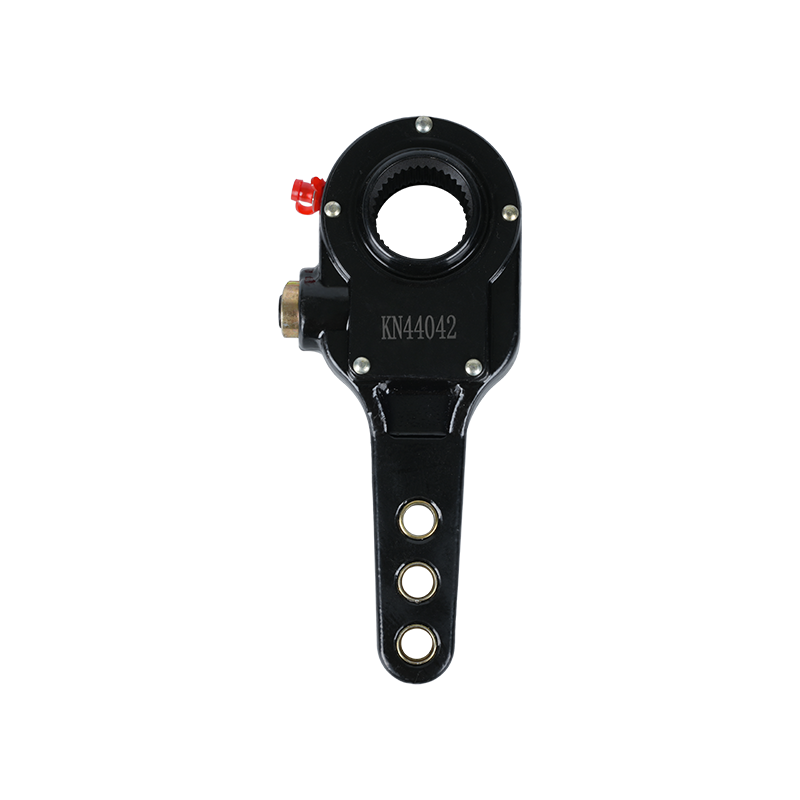
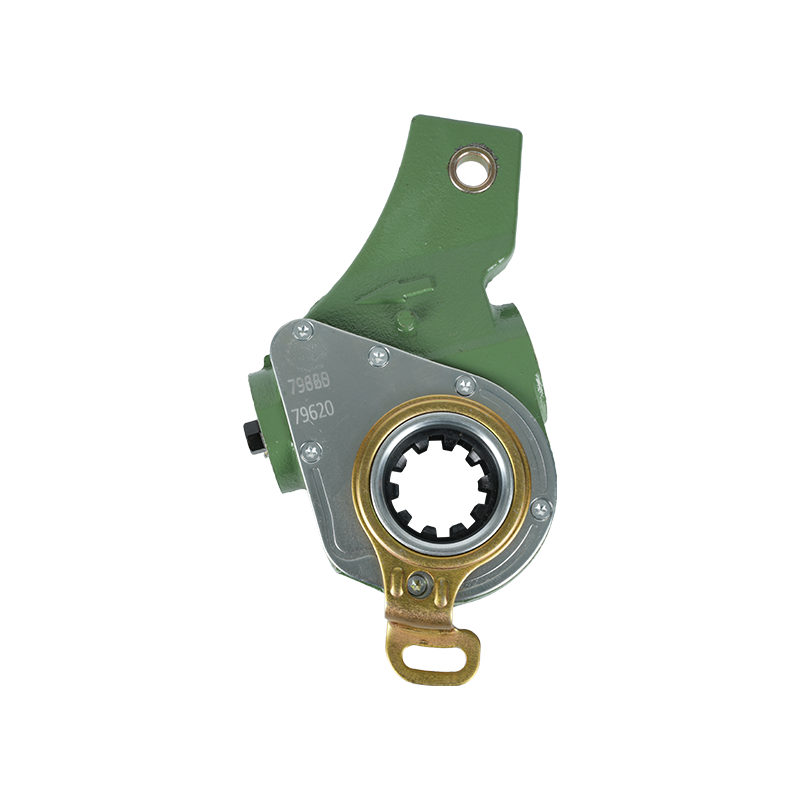
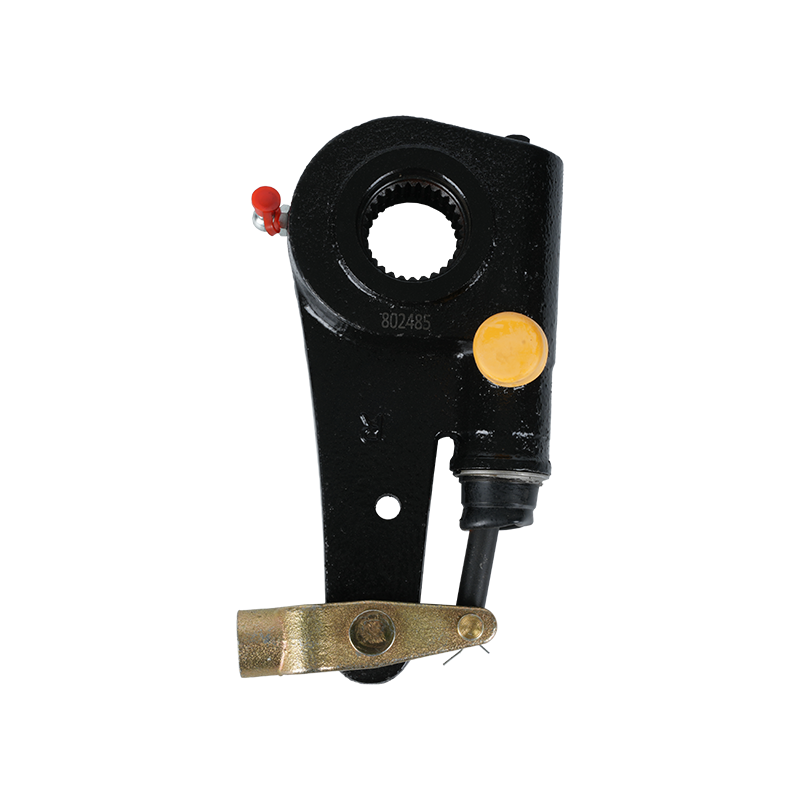
Practical Methods for Diagnosing Slack Adjuster Failure
Locking nut displacement: The reference line marked on the nut is misaligned (the offset can be measured with a screwdriver).
Worm gear free rotation/slipping: The wrench rotates during adjustment, but the push rod does not respond (internal worm gear teeth are worn).
Abnormal thermal expansion and contraction: After short-distance driving, the temperature on one side of the wheel hub is significantly higher (a light touch with the back of the hand feels hot).
Silent operation: No crisp "click" sound is heard when releasing the brake (ratchet mechanism is stuck).
Abnormal push rod travel:
Too short travel → the tire continuously drags slightly (increased rotational resistance)
Too long travel → the pedal needs to be pressed deeply to be effective (compensation function failure)
Leakage at the reset hole: Oil and dirt accumulate around the rubber plug (seal aging).
Push rod looseness test: When the brake is not applied, shake the push rod with your hand – Normal: almost no shaking Damaged: noticeable rattling (bushing clearance exceeds 2mm)
Housing condition warning:
Flaking and corrosion on the surface (reduced structural strength)
Oil leakage at the connection with the camshaft (precursor to square spline wear)
| Driving Scenario | Normal Response | Failure Warning Signs |
|---|---|---|
| Extended Downhill Braking | Uniform hub temperature rise | Blue smoke from single wheel(Adjuster over-tight → Drum scorching) |
| Wet Road Emergency Stop | Straight-line deceleration | Rear wheels fishtailing(Asymmetric adjustment → Trailer instability) |
| Hard Reverse Braking | Smooth stop without noise | Metallic clunk from brake assembly(Excessive pushrod clearance → Impact shock) |
Listen for the release sound: There should be a "click" sound when releasing the brake (automatic type) or no sound (manual type), abnormal noise = warning.
Measure the travel distance: When braking normally, the push rod movement range should be approximately 25-40mm (exceeding this range indicates a malfunction).
Check the temperature difference: After driving 10 kilometers, the temperature difference between the wheel hubs on the same axle should not be noticeable to the touch (more than 15℃ is dangerous).


 English
 中文简体
中文简体 русский
 عربى
عربى