


 (+86)-137 5851 1881
(+86)-137 5851 1881
(+86)-137 5851 1881



Content
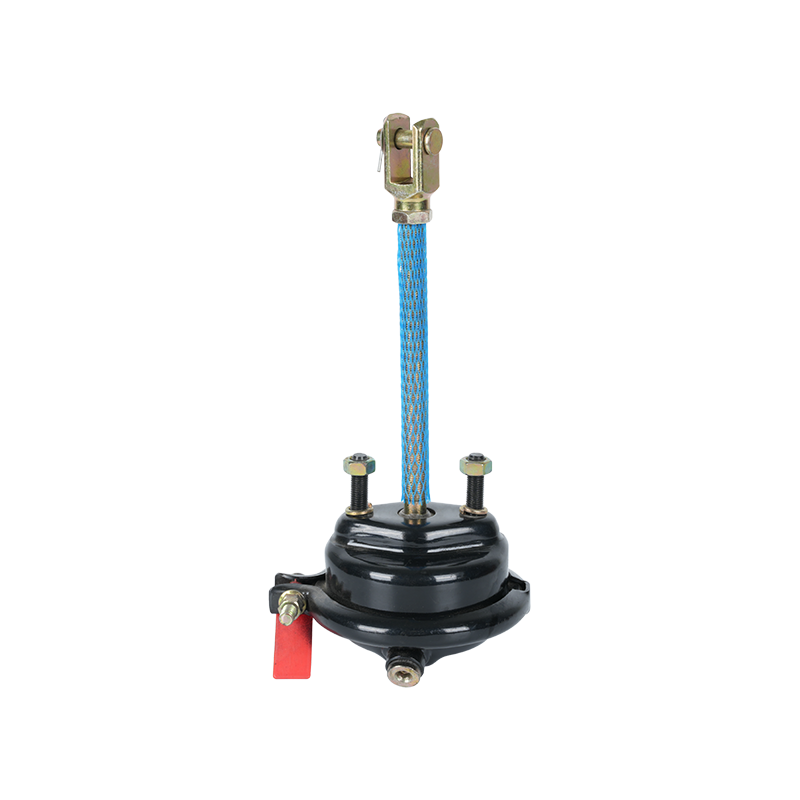
To check a slack adjuster, apply the brakes fully with the vehicle parked and chocked, then measure the distance the brake chamber push rod travels from its released position to its fully applied position. This measurement is called push rod stroke, and if it exceeds the maximum allowed travel for that chamber size, the slack adjuster is out of adjustment or has failed internally. On a modern Automatic Slack Adjuster, excessive stroke almost always signals a mechanical fault rather than a simple adjustment issue, since the internal mechanism is designed to self-compensate for lining wear on every brake application.
This guide walks through the exact tools, the measurement procedure, the stroke limits by chamber type, and the warning signs that separate a normal wear pattern from a failing slack adjuster that needs replacement before it becomes a roadside breakdown or a braking performance problem.
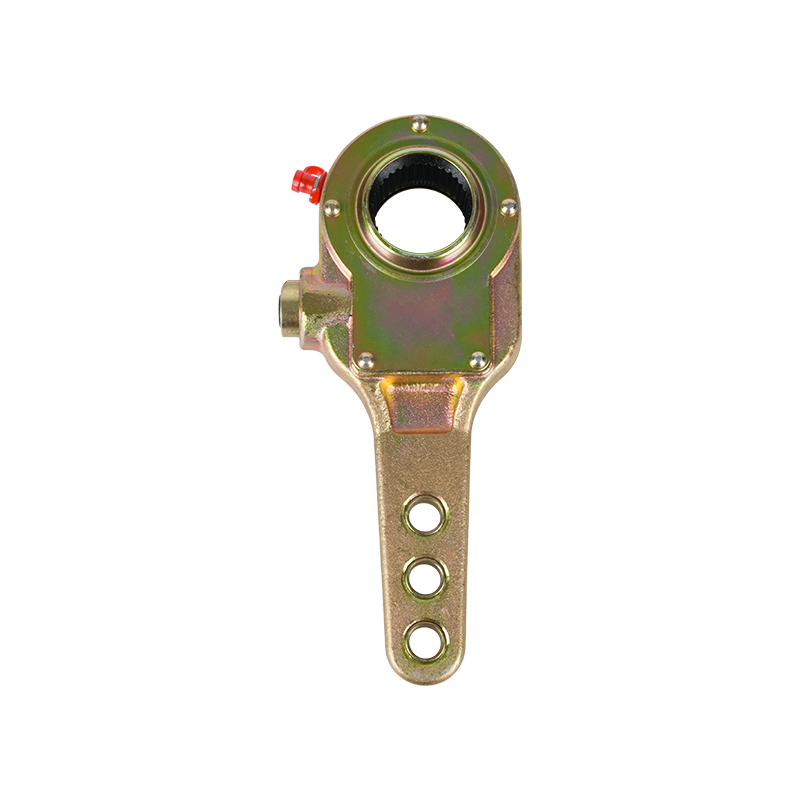
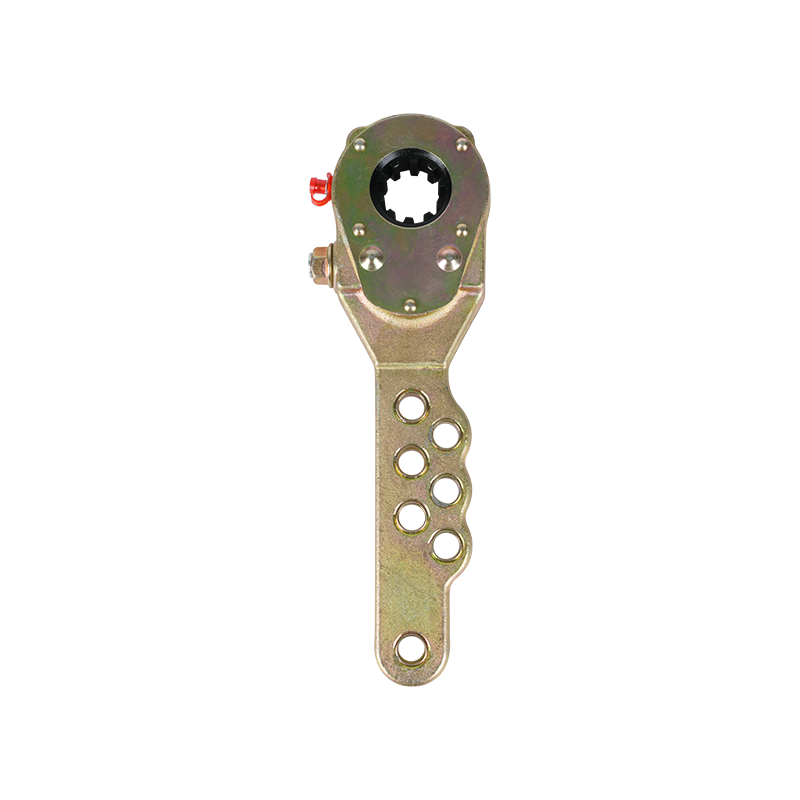
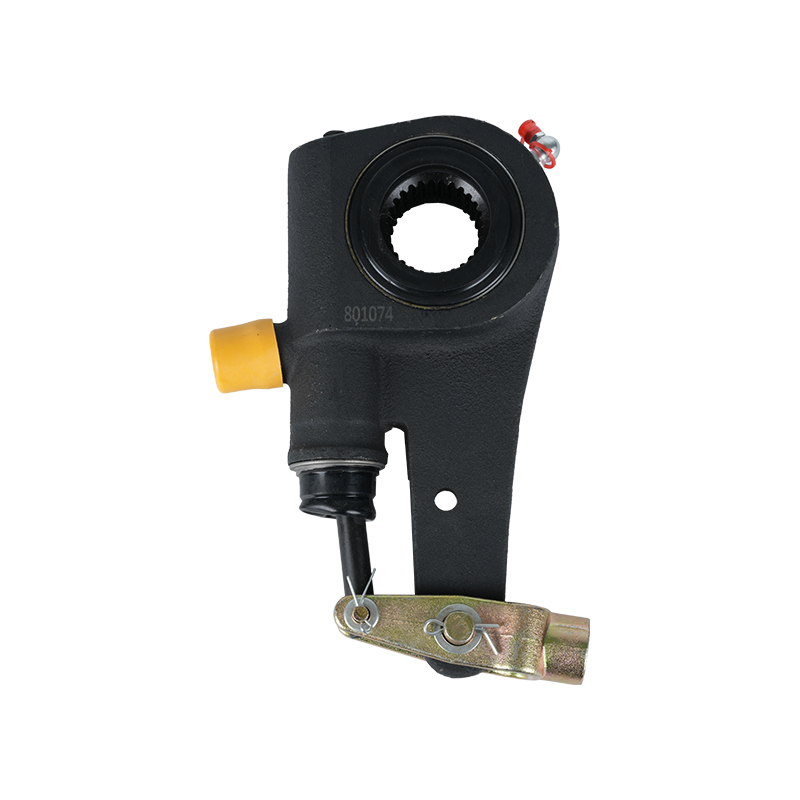
A slack adjuster is the mechanical link between the brake chamber push rod and the camshaft that rotates the brake shoes into the drum. As brake linings wear down over thousands of miles, the clearance between the shoe and the drum increases, which means the push rod has to travel farther every time the brakes are applied. An Automatic Slack Adjuster compensates for this wear automatically, using an internal ratchet, worm gear, or clutch mechanism that takes up the extra clearance on every brake stroke, keeping push rod travel within a consistent working range.
Even though an automatic unit is designed to self-adjust, it can still fail from a stuck internal mechanism, a worn clutch spring, contamination, or corrosion in the housing. A periodic manual stroke check remains the only reliable way to confirm that automatic compensation is actually functioning, which is why fleet maintenance intervals and pre-trip inspection routines both include a push rod stroke measurement as a standard step.
A push rod stroke check can be completed in a few minutes with basic shop tools, making it one of the fastest inspection points on a heavy vehicle brake system.
Follow this sequence on each wheel end to get an accurate stroke reading. Consistency in how the measurement is taken matters more than speed, since a rushed check is the most common reason stroke problems go unnoticed until a roadside inspection.
If the measured stroke exceeds the limit even once after a full brake application, the slack adjuster should be inspected further rather than manually cranked down, since forcing an automatic unit back into range without addressing the underlying cause typically results in the same problem returning within a short mileage interval.
Maximum allowable stroke depends on the physical size of the brake chamber, not the vehicle type. The table below lists commonly referenced stroke limits used across heavy truck and trailer brake inspection practices.
| Chamber Type | Maximum Stroke |
|---|---|
| Type 9 and Type 12 | 1-3/4 inch |
| Type 16 and Type 20 | 1-3/4 inch |
| Type 24 | 1-3/4 inch |
| Type 30 | 2 inch |
| Type 36 | 2-1/4 inch |
These figures are general reference ranges used across commercial vehicle brake inspection practices and can vary slightly by chamber manufacturer, so always confirm the exact limit stamped on the chamber housing or listed in the vehicle's brake specifications before condemning a slack adjuster.
The check itself is similar for both types, but what a failed reading means, and what you do next, is very different between the two designs.
| Aspect | Automatic Slack Adjuster | Manual Slack Adjuster |
|---|---|---|
| Normal stroke check result | Should remain consistently within limit across brake cycles without intervention | Requires periodic manual adjustment as linings wear |
| Meaning of an out-of-range reading | Typically indicates an internal mechanical fault | Typically indicates the unit is simply due for adjustment |
| Correct response to a failed check | Inspect the internal mechanism and replace the unit if it does not self-correct after a few brake cycles | Adjust the worm screw to bring stroke back within limit |
Beyond the stroke measurement itself, several physical and operational signs point to a slack adjuster that should be replaced rather than simply monitored.
Any one of these signs is a reasonable basis to move directly to inspection and likely replacement of the affected Automatic Slack Adjuster, rather than waiting for the next scheduled maintenance interval.
Push rod stroke should be checked as part of routine pre-trip inspections and again at every scheduled preventive maintenance service, since brake performance can change gradually and go unnoticed between longer service intervals. Fleets running in heavy stop and go conditions, mountainous routes, or high payload cycles typically see faster lining wear and benefit from checking stroke more frequently than a fleet running steady highway miles.
Keeping a simple log of stroke measurements by wheel position over time also helps identify a slack adjuster that is trending toward failure well before it reaches the out-of-range threshold, giving maintenance teams the chance to schedule a replacement during planned downtime instead of reacting to a roadside issue.
Zhuji Tianbo Auto Parts Co., Ltd, based in Zhuji City, Shaoxing, Zhejiang Province, specializes in the design, manufacture, and supply of brake adjustment components for heavy trucks, trailers, and tractors, including a full range of Automatic Slack Adjuster products built around a patented locking structure and reinforced worm gear design. The company's product range covers multiple vehicle platforms, giving fleet buyers and repair shops a wide compatibility base when sourcing replacement units after a failed stroke check.
When replacing a unit that has failed a push rod stroke check, confirm the correct spline count, arm length, and mounting orientation against the original part before installation, since even a correctly functioning new slack adjuster will produce an inaccurate stroke reading if it is mismatched to the chamber and camshaft it is paired with.


 English
 中文简体
中文简体 русский
 عربى
عربى