


 (+86)-137 5851 1881
(+86)-137 5851 1881
(+86)-137 5851 1881



Content
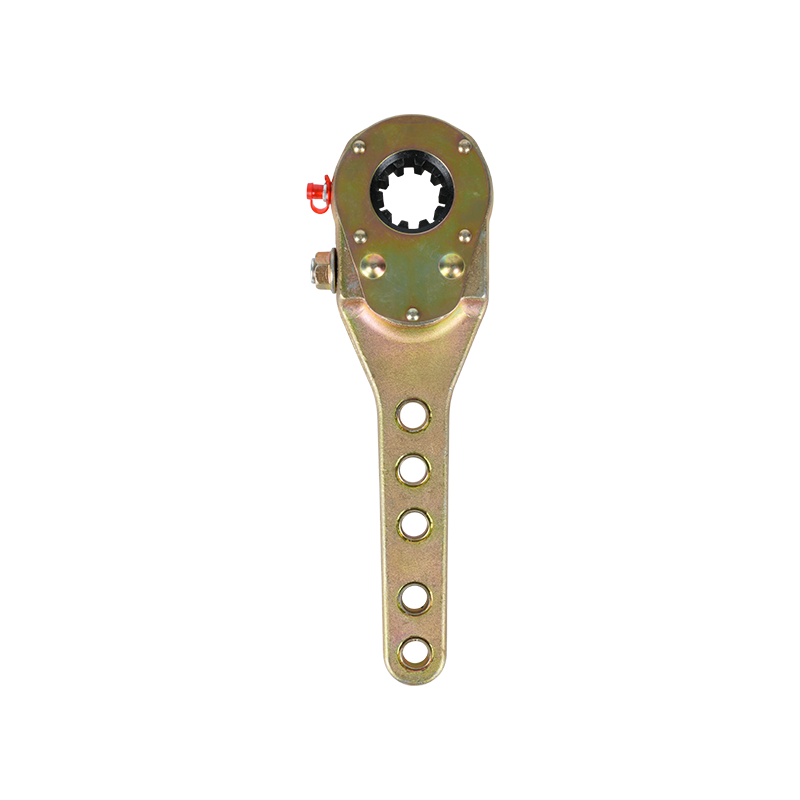
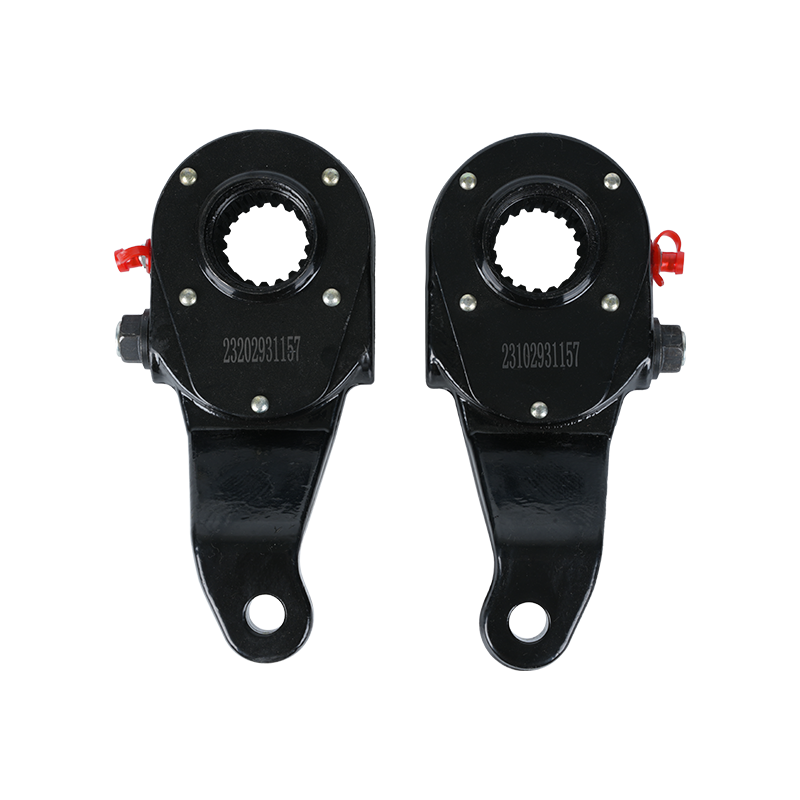
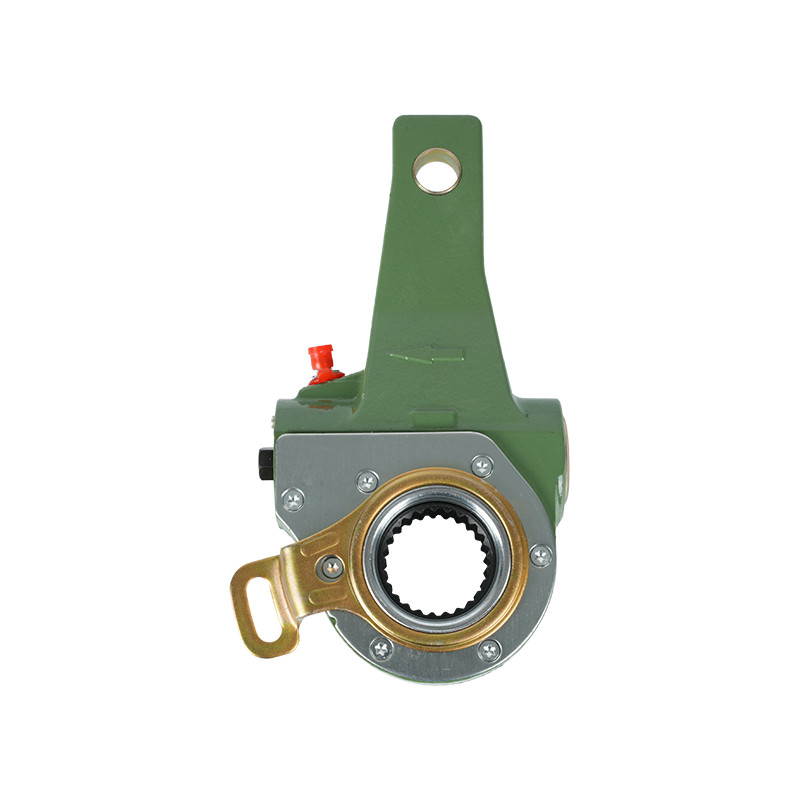
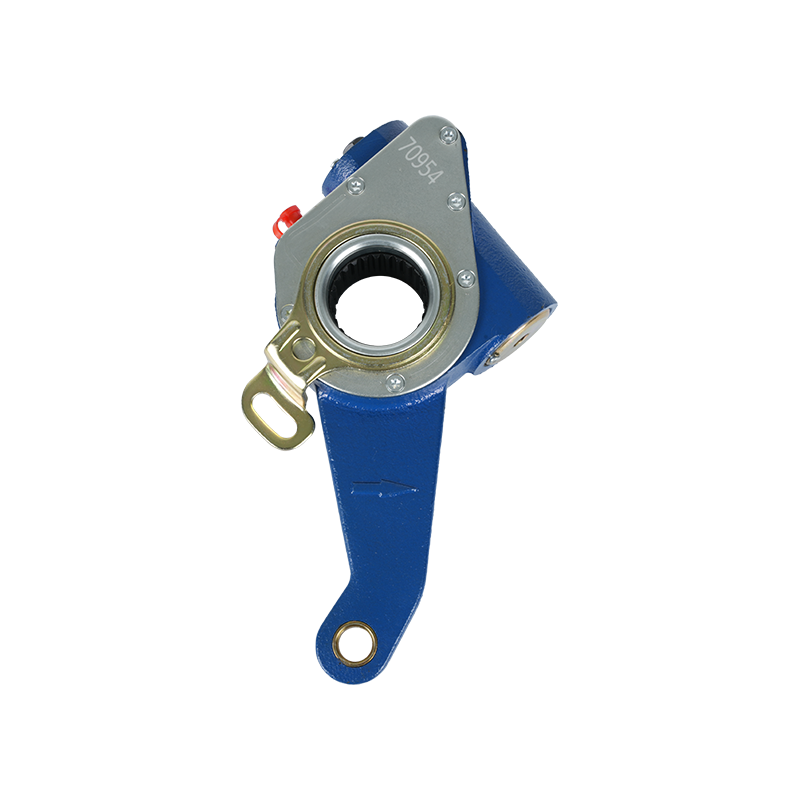
Checking the brake slack adjuster is a fundamental skill for ensuring truck safety. With a little know-how, you can even perform a preliminary check yourself.
Before crawling under the truck, you must take safety precautions, as you need to release the brakes to perform the inspection.
Find level ground: Ensure the truck is parked on a flat, hard surface.
Block the wheels: Place wheel chocks or large bricks in front of and behind the wheels to prevent the vehicle from rolling.
Release the brakes: Release the parking brake (air brake) to put the braking system in a relaxed state. If the parking brake is engaged, you won't be able to move the parts.
Observe the slack adjusters on the inside of each wheel.
Check for looseness: Gently shake the adjuster by hand to see if the connection to the pushrod is excessively loose.
Check the pin: The "U-shaped clip" pin (clevis pin) connecting the pushrod and the adjuster should be intact and show no signs of falling out.
Check for grease: Check for cracks around the grease fitting. If the entire component is rusty or looks dry, it indicates a lack of maintenance.
This is the most direct method to feel how much "slack" there is.
Tools: Use a large pry bar or long-handled wrench.
Operation: Place the pry bar against the edge of the brake chamber and forcefully pry the slack adjuster, attempting to move it as it would during braking.
Observation: A normal adjuster will have a slight displacement, like the free play before you engage the parking brake. If it moves a significant distance when pried, the brakes are too loose; if it doesn't move at all, they might be too tight.
For automatic slack adjusters, you need to confirm that they are actually "automatically" adjusting.
Observe the swing: Have a partner (or, ensuring safety, repeatedly apply the brakes a few times) and observe whether the pushrod returns to the same position each time. Manual marking: You can make a mark on the pushrod with chalk. If the mark moves a significant distance, and it doesn't shorten even after repeatedly applying the brakes, it indicates that the automatic compensation function has failed.



 English
 中文简体
中文简体 русский
 عربى
عربى