


 (+86)-137 5851 1881
(+86)-137 5851 1881
(+86)-137 5851 1881



Content
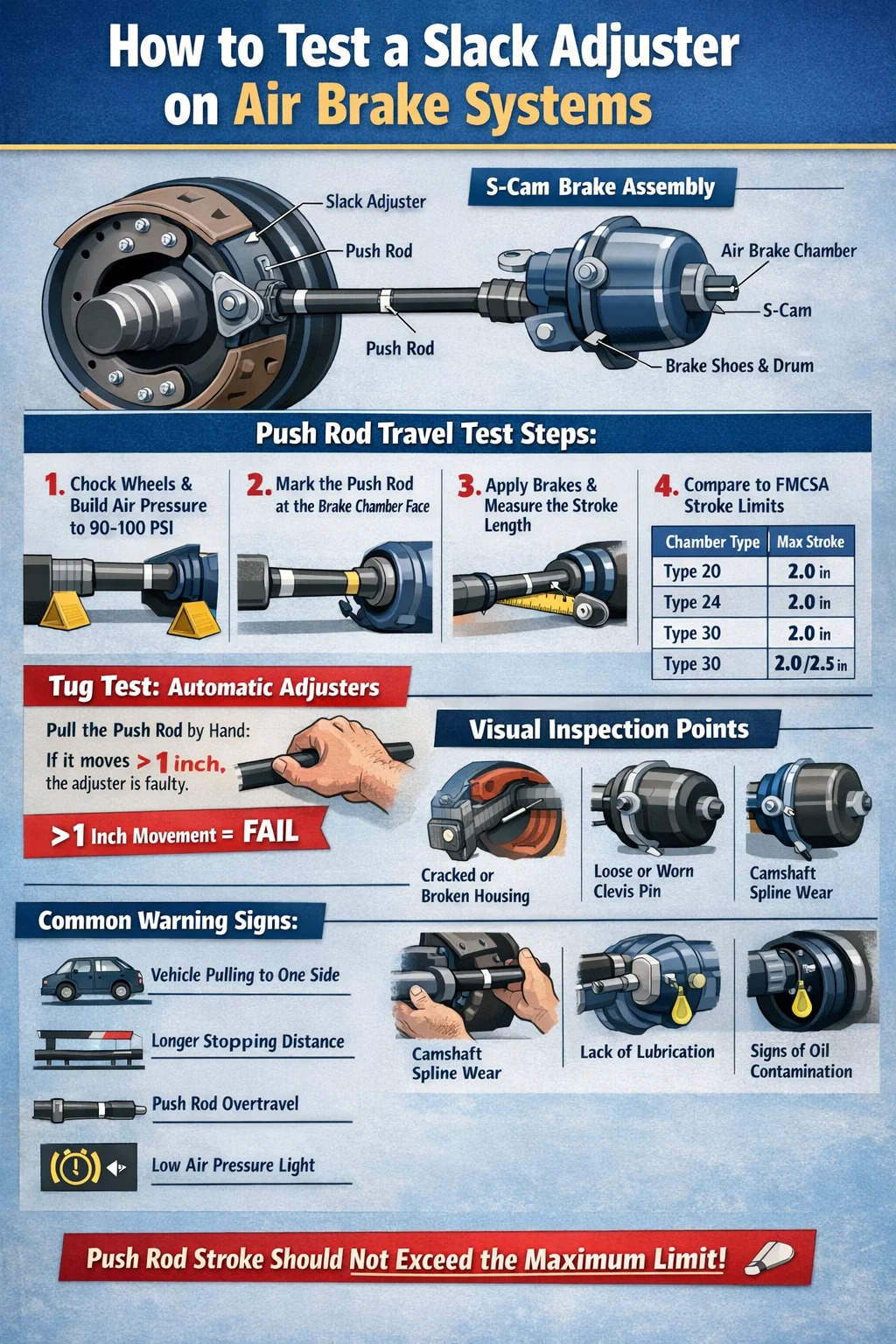
To test a bad slack adjuster, perform a push rod travel measurement with the brakes fully released and then fully applied. On a standard S-cam brake system, the push rod stroke should not exceed 2 inches (50.8 mm) for most axle types during a full brake application. If your measurement exceeds the legal limit set by FMCSA (Federal Motor Carrier Safety Administration), your slack adjuster is out of adjustment or failing. Beyond measurement, a physical tug test, a visual inspection for cracked housing or loose mounting, and a check for free rotation of the adjuster worm gear are all part of a complete evaluation.
This guide walks through every reliable method to test a slack adjuster — whether automatic or manual — so you can catch problems before they turn into brake failure on the road.
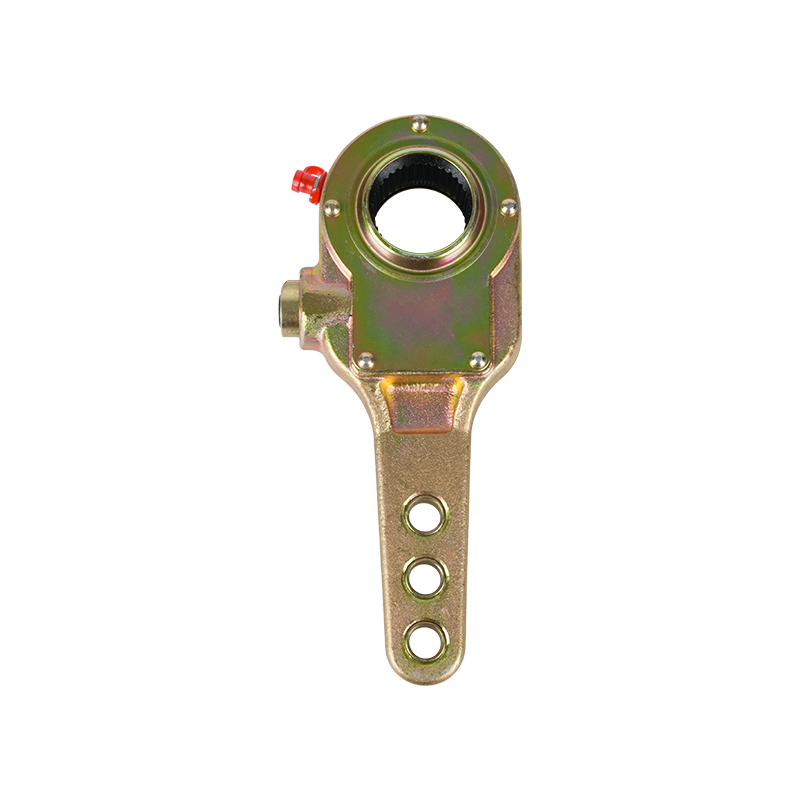
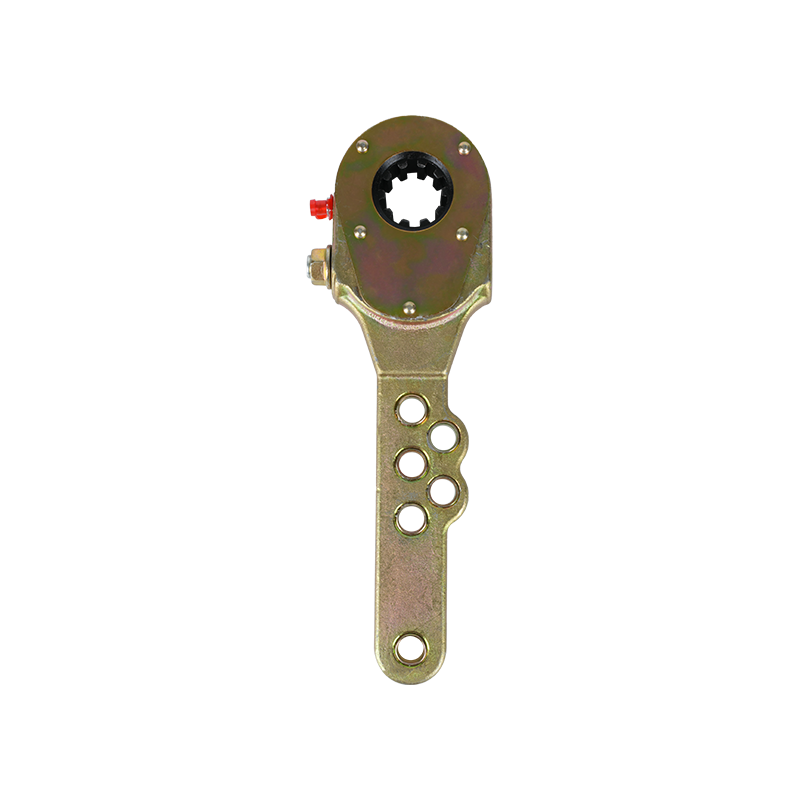
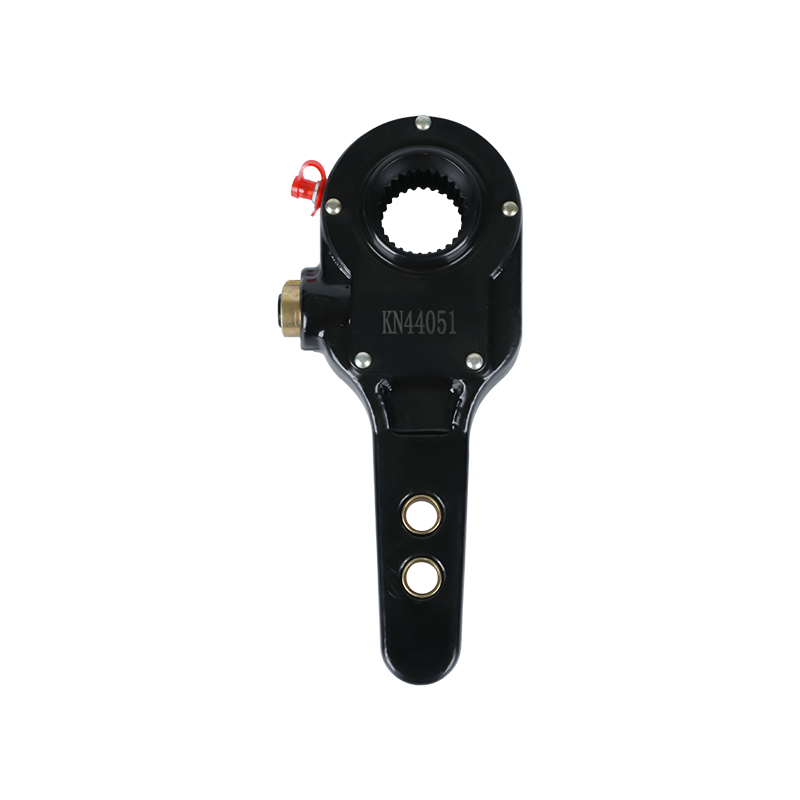
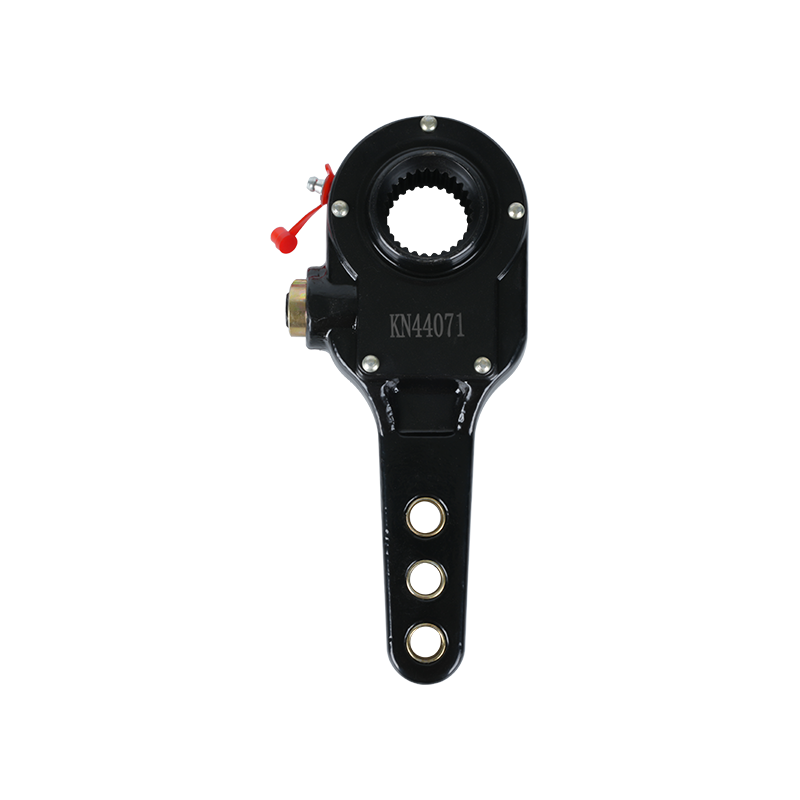
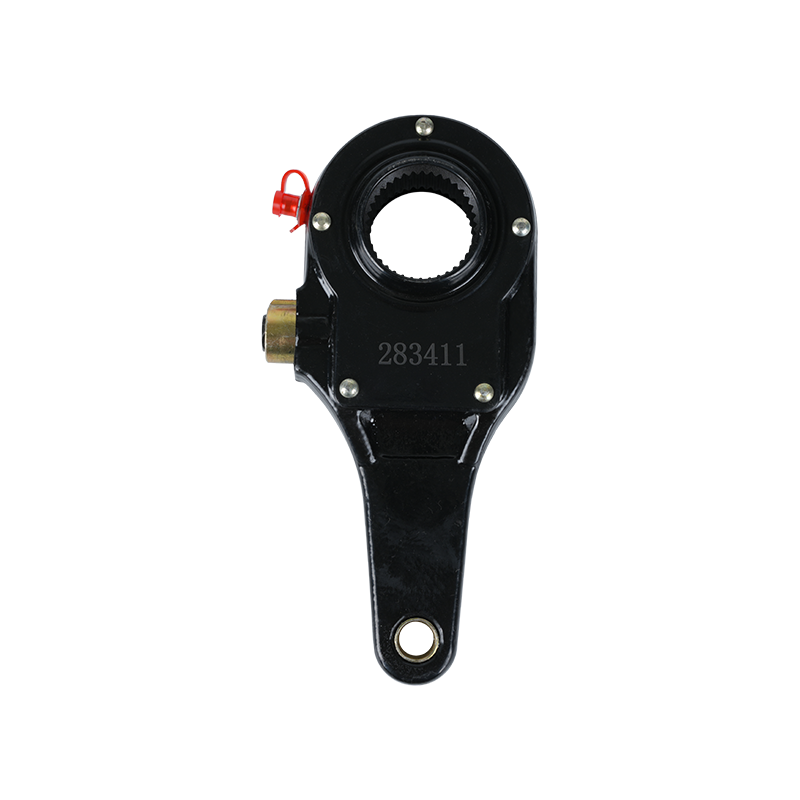
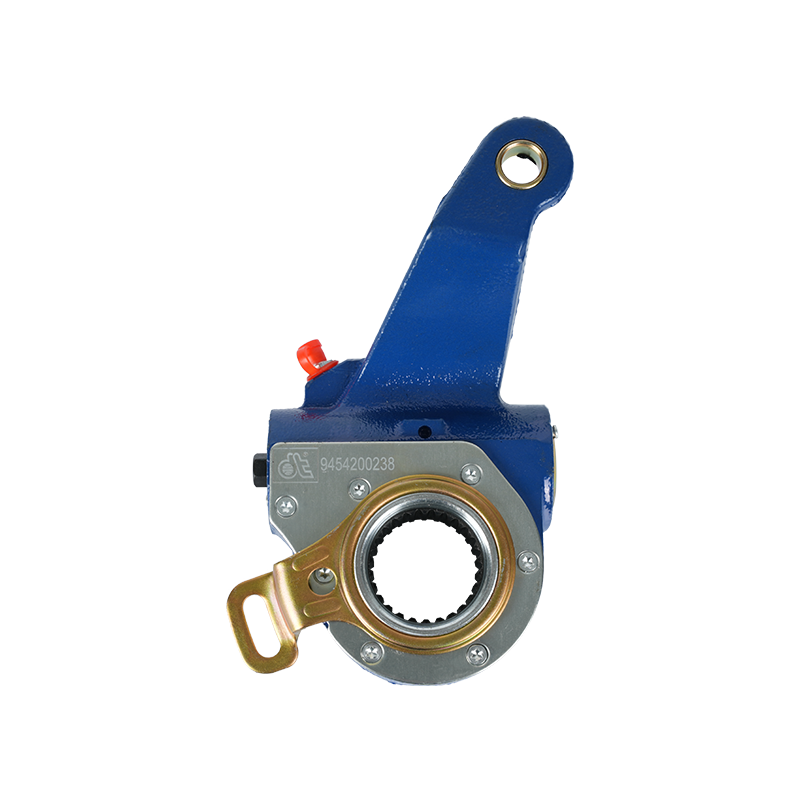
A slack adjuster is a lever arm that connects the air brake chamber push rod to the camshaft. Its job is to convert the linear push from the brake chamber into the rotational force that spins the S-cam, spreading the brake shoes against the drum. As brake linings wear down over time, the distance the push rod must travel to make contact increases. The slack adjuster compensates for this by maintaining the correct free stroke so brake response stays consistent.
Manual slack adjusters require periodic manual adjustment with a wrench to take up the slack. Automatic slack adjusters (ASAs), which have been required on new air-braked trailers since 1994 and tractors since 1995, are supposed to self-adjust. However, the word "automatic" is misleading — they still need maintenance, inspection, and eventual replacement.
According to roadside inspection data compiled by CVSA (Commercial Vehicle Safety Alliance), out-of-adjustment brakes consistently rank among the top violations found during unannounced inspections. A slack adjuster that has gone bad is one of the leading mechanical contributors to that statistic.
Before running a formal test, most bad slack adjusters give you clear warning signs. Recognizing these symptoms early lets you catch the problem during a pre-trip inspection rather than during a roadside check or, worse, an emergency stop.
When one slack adjuster is out of adjustment and the others are not, the brake application becomes uneven across the axle. The side with proper adjustment grabs first and harder, pulling the vehicle in that direction. This is a strong indicator that at least one adjuster is not functioning correctly and needs immediate testing.
If push rod travel has increased because the adjuster is not compensating for lining wear, the brakes engage later in the stroke. This translates directly into longer stopping distances. A loaded Class 8 truck traveling at 60 mph that requires an extra 20–30 feet to stop due to out-of-adjustment brakes represents a serious safety hazard.
During a brake application, if you can visually see the push rod extending dramatically from the brake chamber — extending nearly to its full travel — that is a clear sign the slack adjuster is not properly managing the stroke length. Normal free stroke should be approximately 3/8 to 5/8 of an inch on most configurations.
When push rods are over-traveling, the brake chambers consume more air volume per application. Under heavy repeated braking — such as on a long downgrade — this extra air consumption can drop system pressure faster than the compressor can replenish it, occasionally triggering low pressure warnings. This is less common but has been reported in fleets running severely out-of-adjustment brakes.
A slack adjuster that is over-adjusted — meaning it has taken up too much slack — can hold the brake shoes partially against the drum even when the brakes are released. This causes brake drag, which generates heat, accelerates lining wear, and in severe cases leads to brake fade or a wheel fire. You may hear grinding or feel resistance when rolling the vehicle by hand on a level surface.
Testing a slack adjuster properly requires a few basic items. You do not need specialized shop equipment for the initial field test, but having the right tools ensures accurate results.
This is the primary test recognized by FMCSA and used during roadside inspections under 49 CFR Part 393. It directly measures whether the slack adjuster is maintaining correct push rod stroke.
Compare your applied stroke measurement to the maximum limits in the table below. These are the FMCSA out-of-service limits for air brake chambers:
| Chamber Type | Outside Diameter (in) | Max Stroke — Standard (in) | Max Stroke — Long Stroke (in) |
|---|---|---|---|
| Type 6 | 4.5 | 1.25 | — |
| Type 9 | 5.25 | 1.375 | — |
| Type 12 | 5.625 | 1.375 | — |
| Type 16 | 6.375 | 1.75 | 2.0 |
| Type 20 | 6.925 | 2.0 | 2.5 |
| Type 24 | 7.625 | 2.0 | 2.5 |
| Type 30 | 8.625 | 2.0 | 2.5 |
| Type 36 | 9.0 | 2.25 | 2.75 |
If your push rod stroke exceeds the maximum for that chamber type, the brake is legally out of service. The vehicle cannot be operated until the slack adjuster is adjusted or replaced.
The tug test is specifically designed to determine whether an automatic slack adjuster has lost its ability to self-adjust. A properly functioning ASA should not allow the push rod to be pulled out more than 1 inch from the fully retracted position. If it moves further than that with moderate hand force, the internal clutch or worm mechanism is likely worn out.
This test is a quick screening tool. A slack adjuster that fails the tug test will almost certainly also exceed push rod stroke limits during a brake application test. However, a slack adjuster can pass the tug test but still fail the stroke measurement — which is why both tests should be performed together during a thorough inspection.
A thorough visual inspection of the slack adjuster and surrounding components takes less than five minutes and can reveal problems that measurement tests alone miss. Work through the following checkpoints systematically.
Look for cracks, bends, or fractures in the slack adjuster body. The housing is typically cast iron or forged steel. A cracked housing means the adjuster must be replaced immediately regardless of stroke measurements. Even a hairline crack can lead to sudden failure under high brake application force.
The clevis pin connects the push rod to the slack adjuster arm. Check that the pin is fully seated, secured with a cotter pin or retaining clip, and not bent or deeply scored. A worn bushing at the clevis allows lateral movement of the push rod, which reduces braking efficiency and can cause uneven wear. Grasp the push rod and try to move it side to side — more than 1/16 inch of lateral play suggests a worn clevis bushing.
The slack adjuster mounts onto the camshaft via a splined bore. With the brakes released, grab the adjuster and try to move it up and down perpendicular to the camshaft. Any movement indicates worn splines — either on the adjuster bore or the camshaft itself. Worn splines cause lost motion during brake application, effectively reducing braking force even if the push rod stroke looks acceptable.
Most slack adjusters have one or more grease fittings (Zerk fittings). Check that they are present, not plugged with dirt or paint, and that there is evidence of recent lubrication. A dry adjuster can seize internally, preventing the worm gear from adjusting. Recommended lubrication intervals vary by manufacturer but typically fall between every 3 months or 25,000 miles, whichever comes first.
Automatic slack adjusters can be internally destroyed by oil contamination. If you see a film of oil or grease on the outside of the adjuster — especially if it appears to be coming from the wheel seal area — the internal clutch mechanism may already be compromised. This is one of the most common causes of ASA failure on trucks with leaking hub seals.
With the brakes fully released, the slack adjuster arm should sit at approximately 90 degrees to the push rod — or within a few degrees of perpendicular. If the arm is angled significantly (more than 20 degrees from perpendicular) in the released position, the adjuster effective length may be wrong, or the brake has been grossly over- or under-adjusted. This affects mechanical advantage and can make push rod stroke measurements misleading.
The worm gear inside an automatic slack adjuster is the mechanism responsible for taking up slack as linings wear. Testing whether it is working correctly requires checking rotation in both directions.
One important note: never back off an automatic slack adjuster to try to "fix" a dragging brake. If the brakes are dragging, the cause is almost never the adjuster being over-adjusted — it is more likely a brake return spring failure, a seized S-cam, or a swollen air line keeping pressure on the chamber. Backing off the adjuster only creates excessive stroke without solving the root cause.
Manual slack adjusters are still found on older vehicles and some specialized equipment. Testing them follows the same push rod stroke measurement process, but the diagnosis and correction differ from automatic adjusters.
After confirming that push rod stroke exceeds specification, perform the following steps to verify whether the issue is the adjuster itself or simply a worn-out brake lining that needs manual re-adjustment:
A manual slack adjuster that cannot hold its adjustment — meaning push rod stroke returns to over-travel within a short period after manual adjustment — has worn internal threads or a seized worm gear and must be replaced. There is no in-field repair for a stripped adjuster mechanism.
Understanding the differences in how each type fails helps you know where to focus your testing effort during an inspection.
| Factor | Automatic Slack Adjuster | Manual Slack Adjuster |
|---|---|---|
| Most common failure cause | Internal clutch wear, oil contamination | Not being adjusted on schedule |
| Stroke trend when failing | Gradually increases over time | Increases as linings wear without adjustment |
| Can it be corrected by adjustment? | No — replacement required if mechanism is worn | Yes — if mechanism is intact |
| Tug test useful? | Yes — primary screening test | Less relevant — stroke measurement is key |
| Maintenance requirement | Lubrication and periodic inspection | Regular manual adjustment + lubrication |
| Failure detectable by visual inspection? | Sometimes (contamination, cracked housing) | Rarely — stroke test is more reliable |
Not every out-of-adjustment slack adjuster needs to be replaced. But some conditions make replacement the only safe option. Here is how to tell the difference.
When in doubt, replace it. Slack adjusters are relatively inexpensive — typically $25 to $80 per unit for standard ASAs — compared to the cost of a brake failure, accident liability, or an out-of-service violation that sidelines your equipment.
Understanding how enforcement officers evaluate slack adjusters during a Level I or Level II inspection helps you know exactly what standard you need to meet. CVSA-trained inspectors follow a documented process under the North American Standard Out-of-Service Criteria.
Inspectors apply full service brakes at 90 PSI system pressure and directly measure applied push rod stroke at each brake chamber. They use a measurement ruler that clips to the chamber face for accuracy. If any wheel end's stroke exceeds the table limits, that brake is placed out of service. If 20% or more of the vehicle's brakes are out of service simultaneously, the entire vehicle is placed out of service and cannot move until repaired.
Inspectors also perform a visual check for obvious physical damage — cracked housings, missing clevis pins, or severely bent adjuster arms. They do not typically perform the full tug test or worm gear function check during a roadside stop, but they do flag anything that shows visible mechanical deficiency.
In 2022 CVSA Brake Safety Week inspections, brake-related violations were found on approximately 12.5% of all inspected commercial vehicles, with out-of-adjustment brakes being a consistent top-three finding year after year. Performing your own pre-trip slack adjuster test eliminates one of the most common and entirely preventable inspection failures.
FMCSA regulations (49 CFR 396.13) require drivers to perform a pre-trip inspection before operating a commercial motor vehicle, and the brake system — including slack adjusters — is a required inspection item. That said, not every driver performs a detailed push rod stroke measurement at every pre-trip. A practical approach is to build a tiered inspection habit.
Tracking stroke measurements over time is more useful than any single reading. If a specific wheel end consistently shows increasing stroke between PM services — even if it stays within limits — that is a clear trend toward adjuster failure and should trigger early replacement rather than waiting for a violation.
Even experienced mechanics and drivers make errors during slack adjuster testing that lead to inaccurate results or missed problems.


 English
 中文简体
中文简体 русский
 عربى
عربى